
Business
Dangote Petrol Price Hits ₦1,275/Litre After Fifth Hike in March

Dangote Petrol Price Hits ₦1,275/Litre After Fifth Hike in March
Nigeria’s Dangote Petroleum Refinery has increased its petrol price (Premium Motor Spirit) to ₦1,275 per litre, marking the fifth price hike in March and underscoring growing instability in Nigeria’s deregulated fuel market.
The latest adjustment came barely hours after an earlier increase, reflecting a ₦100 rise (8.5%) from the previously reported ₦1,175 per litre, and a ₦30 jump from the ₦1,245 per litre announced late Friday. The rapid revisions highlight the intensity of fuel price volatility currently shaping the downstream sector.
In a notice to marketers and customers, the refinery stated that previous pricing templates are no longer valid, urging stakeholders to disregard earlier communications.
“Kindly note that the prices contained in our previous correspondence are no longer applicable,” the company said, confirming that the new petrol price regime took effect from 12:00 a.m., March 21, 2026.
The refinery also raised its coastal price from ₦1,512,648 to ₦1,646,748 per metric tonne, representing an increase of ₦134,100 (8.9%), further reflecting mounting cost pressures across supply channels.
READ ALSO:
- Festival of Fertility: FG Orders Arrest, Promises Justice for Victims
- US Approves Sale of Stranded Iranian Oil to Curb Rising Global Energy Prices
- Netanyahu Clarifies Jesus Remarks, Denies Offending Christians Amid Backlash
While the new pricing applies immediately, the company noted that customers with valid bank guarantees will continue to load products, provided they cover the price differential.
The frequent price changes are largely driven by rising global crude oil prices, foreign exchange constraints, and supply chain disruptions linked to geopolitical tensions. As a refinery operating within a deregulated system, Dangote sources crude at international rates, making its pricing highly responsive to global market movements.
Despite expectations that local refining would stabilise Nigeria’s fuel supply, the latest increases show that the domestic market remains strongly tied to international oil benchmarks.
Data from industry tracker Petroleumprice.ng indicates that petrol prices have climbed sharply in March, rising from below ₦900 per litre to over ₦1,200 within weeks, reflecting a sustained upward trend.
The continued surge in petrol prices in Nigeria is expected to have widespread economic implications, including higher transportation costs, increased food prices, and intensified inflationary pressure on households and businesses.
Analysts warn that unless global oil prices ease or exchange rate stability improves, further fuel price increases may occur, reinforcing concerns about the vulnerability of Nigeria’s deregulated fuel market to external shocks.
Dangote Petrol Price Hits ₦1,275/Litre After Fifth Hike in March








Railway
Eid-el-Fitr: NRC to Operate Three Lagos–Ibadan Train Trips on March 23

Eid-el-Fitr: NRC to Operate Three Lagos–Ibadan Train Trips on March 23
The Nigeria Railway Corporation (NRC) has announced the operation of three scheduled train trips on the Lagos–Ibadan Train Service (LITS) corridor on Monday, March 23, in response to increased passenger demand during the Eid-el-Fitr travel period.
The announcement was made in a statement by NRC spokesperson Callistus Unyimadu, who explained that the additional services are intended to ease passenger movement, reduce congestion, and provide more travel options for commuters returning after the festive celebrations. He noted that the Lagos–Ibadan rail route, connecting Lagos and Ibadan, remains one of the busiest rail corridors in the country, particularly during public holidays when road traffic is usually heavy.
According to the NRC, departures from Lagos will take place at the Mobolaji Johnson Train Station at 7:45 a.m., 1:40 p.m., and 4:00 p.m. From Ibadan, trains will depart from the Obafemi Awolowo Train Station at 8:00 a.m., 10:50 a.m., and 4:30 p.m. The corporation said the schedule was designed to improve travel flexibility, enhance rail transport convenience, and accommodate the surge in passenger turnout typically recorded during festive periods.
READ ALSO:
- BBL Death: Joe Akatugba Warns Actresses Against Cosmetic Surgery for Fame
- Dangote Petrol Price Hits ₦1,275/Litre After Fifth Hike in March
- Festival of Fertility: FG Orders Arrest, Promises Justice for Victims
Unyimadu reaffirmed the corporation’s commitment to delivering safe, reliable, and efficient rail services, noting that operational adjustments are often made during peak travel seasons to meet growing demand. He advised passengers to arrive early at train stations, comply with ticketing and security procedures, and plan their journeys in advance to avoid delays or inconvenience.
The NRC also appreciated passengers for their continued patronage and cooperation, describing it as essential to maintaining smooth operations across its services. The introduction of additional train trips is part of broader efforts to support intercity mobility during high-demand periods such as Eid-el-Fitr, when large numbers of Nigerians travel between major cities.
Rail services along the Lagos–Ibadan corridor have increasingly become a preferred alternative to road transport due to their relative speed, safety, and reduced exposure to highway congestion. Transport authorities continue to encourage the use of rail infrastructure as part of efforts to improve public transportation efficiency and ease pressure on Nigeria’s road networks during festive seasons.
Eid-el-Fitr: NRC to Operate Three Lagos–Ibadan Train Trips on March 23
Railway
NRC announces free train rides, extra trips for Eid Fitr
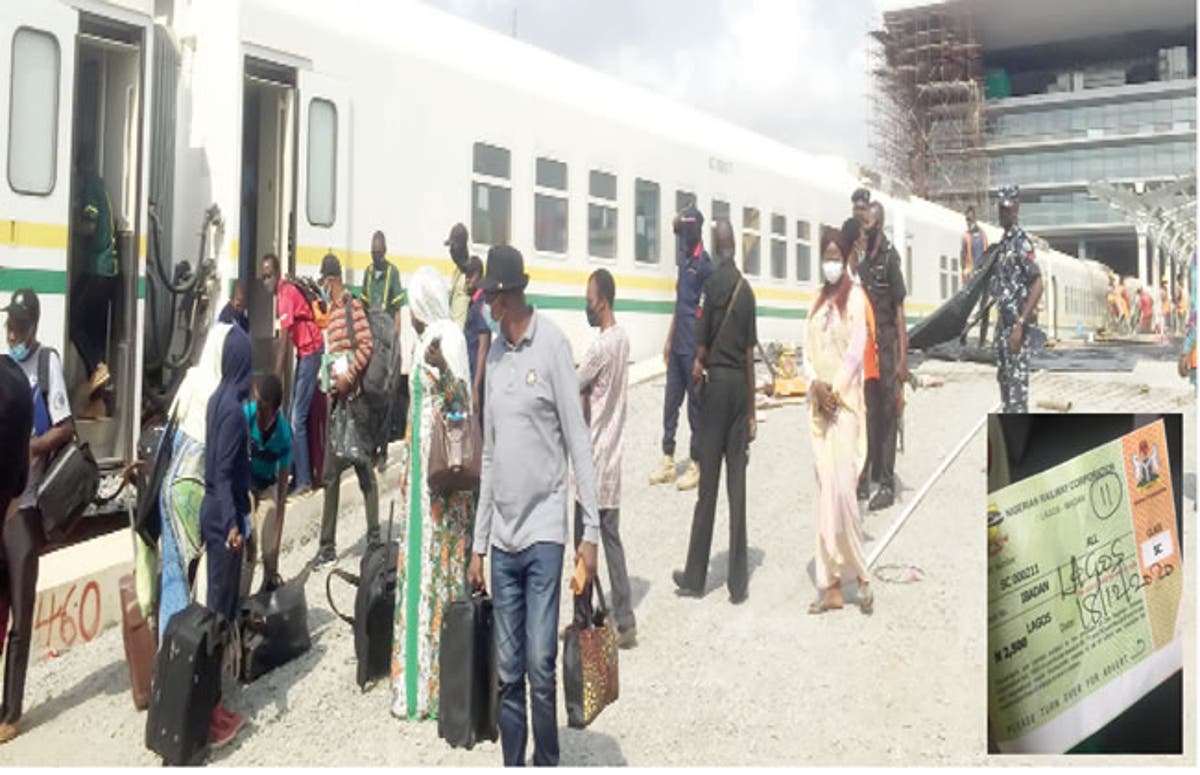
NRC announces free train rides, extra trips for Sallah special
Getting home for the holidays just got a whole lot easier as the Nigerian Railway Corporation (NRC) has rolled out its special Sallah train schedule, deploying extra trips and increasing capacity to ensure Nigerians can celebrate Eid-el-Fitr with their loved ones without the usual travel stress.
From the bustling Lagos-Ibadan corridor to the scenic Warri-Itakpe route, the NRC is stepping up its game to handle the festive surge.
Its key highlights of the Sallah schedule as contained in its latest statement are as follows:
* Lagos–Ibadan (LITS): On Thursday, March 19, the service will run three special trips.
* From Lagos: 7:40 a.m., 1:40 p.m., and 4:00 p.m.
* From Ibadan: 8:00 a.m., 10:50 a.m., and 4:30 p.m.
* Abuja–Kaduna (AKTS): To keep the capital connected, the NRC is boosting frequency. After two trips on Thursday, the corridor will move to three trips daily from Friday, March 20, through Monday, March 23.
* Warri–Itakpe (WITS): This route maintains its thrice-weekly flow.
* Warri to Itakpe: Sundays, Tuesdays, and Fridays (8:00 a.m.).
* Itakpe to Warri: Mondays, Wednesdays, and Saturdays (12:00 p.m.).
* Eastern Narrow Gauge: The Port Harcourt–Aba service remains fully operational on its regular schedule, ensuring the South-East stays moving.
These details are contained in a statement signed by the NRC Chief Public Relations Officer, Callistus Unyimadu.
Osun free rides
In a heart-warming partnership, the NRC and the Osun State Government are bringing back the Imole Special Train.
Indigenes of Osun State can travel from Iddo Station in Lagos to Osogbo free of charge. This initiative, fully sponsored by the state, aims to ease the financial burden on families during the festive season.
“This special arrangement is designed to accommodate increased passenger traffic… ensuring a safe, reliable, and efficient rail transport service,” stated Callistus Unyimadu, NRC’s Chief Public Relations Officer.
Tips for travellers
To ensure your trip is as smooth as the tracks, the NRC recommends:
* Arrive Early: Be at the station well ahead of your departure time.
* Verify Tickets: Ensure you follow all official ticketing and security protocols.
* Check the Date: Remember that the Lagos-Ibadan special three-trip schedule is for March 19 only before reverting to normal service.
Business
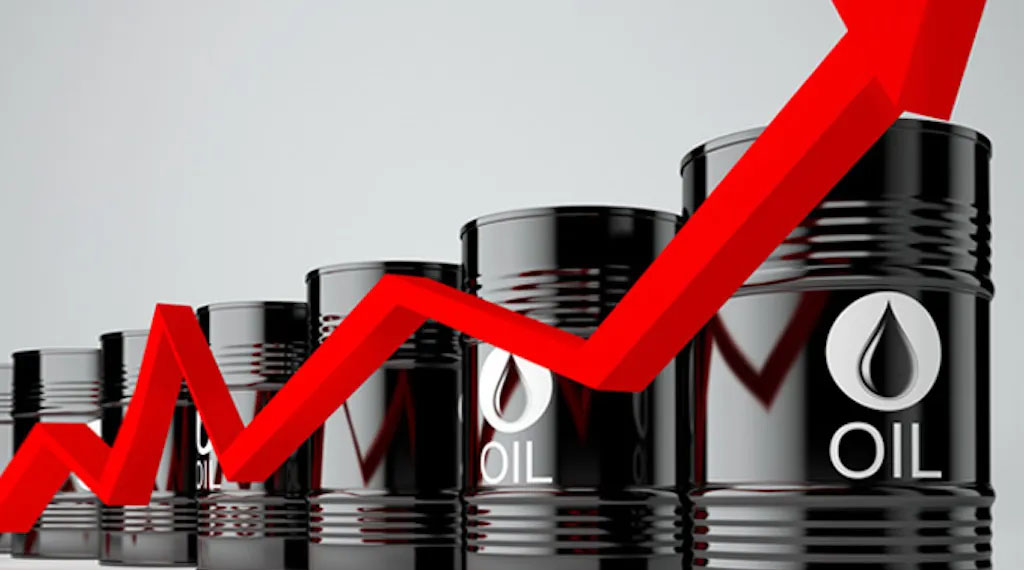
Oil Prices Hit $110 as Iran Strikes Saudi, UAE, Qatar Energy Sites
Oil Prices Hit $110 as Iran Strikes Saudi, UAE, Qatar Energy Sites
Global oil prices have surged above $110 per barrel following a major escalation in the Middle East, as Iran launched missile strikes targeting critical energy infrastructure across Saudi Arabia, United Arab Emirates, and Qatar.
The attacks were carried out in retaliation for Israeli airstrikes on the strategic South Pars gas field—the world’s largest natural gas field—triggering a rapid escalation that has rattled global energy markets and heightened fears of supply disruptions.
Iran’s missile barrage targeted key oil and gas installations across the Gulf. In Saudi Arabia, authorities confirmed that multiple ballistic missiles aimed at Riyadh were successfully intercepted, preventing damage to vital infrastructure.
Similarly, the UAE said its air defence systems in Abu Dhabi neutralized incoming threats aimed at the crucial Habshan gas facility and Bab oil field, averting what could have been significant disruptions to oil production.
However, Qatar suffered notable damage after a missile strike hit Ras Laffan, a major hub for liquefied natural gas exports. Authorities reported “extensive damage” to parts of the facility, forcing partial shutdowns and raising concerns about global LNG supply.
READ ALSO:
- BREAKING: Eid-el-Fitr Date Confirmed in Saudi Arabia, Nigeria Awaits Sultan’s Decision
- Lagos communities face 4-month blackout, power firm alerts
- Eid‑el‑Fitr in Nigeria Confirmed for Friday, March 20, 2026
The escalation has sent shockwaves through the global oil market, with Brent crude climbing sharply amid fears that instability in the Gulf could disrupt exports from one of the world’s most critical energy-producing regions.
Analysts have also raised alarms over the security of the Strait of Hormuz, a vital chokepoint through which nearly 20 percent of global oil supply passes. Any prolonged disruption could push oil prices even higher, with some projections pointing toward the $120–$150 range if tensions persist.
Diplomatic tensions have intensified alongside the military escalation. Qatar announced it had declared Iranian diplomats persona non grata, giving them 24 hours to leave the country following the strike on Ras Laffan.
In a strongly worded statement, Qatar’s foreign ministry warned that continued aggression from Tehran would prompt further actions to safeguard its sovereignty and national interests.
Meanwhile, Saudi Arabia and the UAE have reinforced security around key oil and gas facilities, signaling readiness to respond to any further attacks.
The crisis has sparked global concern, with world leaders closely monitoring developments amid fears that continued escalation could trigger a broader regional conflict and deepen volatility in the energy market.
With oil prices already surging and supply routes under threat, the situation remains highly fluid, and further military or geopolitical developments could have far-reaching consequences for the global economy.
Oil Prices Hit $110 as Iran Strikes Saudi, UAE, Qatar Energy Sites

-

 News3 days ago
Eid‑el‑Fitr in Nigeria Confirmed for Friday, March 20, 2026
-

 metro13 hours ago
Festival of Fertility: FG Orders Arrest, Promises Justice for Victims
-

 metro3 days ago
Lagos communities face 4-month blackout, power firm alerts
-

 metro2 days ago
Fani-Kayode, Dele Momodu Trade Fresh Insults in Escalating Social Media Feud
-
 metro2 days ago
Recovered Funds: EFCC Hands Over ₦3.9bn Linked to Oil Sector Fraud
-

 metro2 days ago
Sokoto Cleric Defies Sultan, Holds Eid al-Fitr Prayer Over Moon Sighting Dispute
-

 International24 hours ago
Netanyahu Clarifies Jesus Remarks, Denies Offending Christians Amid Backlash
-

 metro2 days ago
Woman Sparks Debate After Sending ₦500,000 Tithe from ₦5m Cooperative Loan