
Business
Days after slashing cement price, BUA ‘quietly’ increases sugar, flour, pasta prices

Days after slashing cement price, BUA ‘quietly’ increases sugar, flour, pasta prices
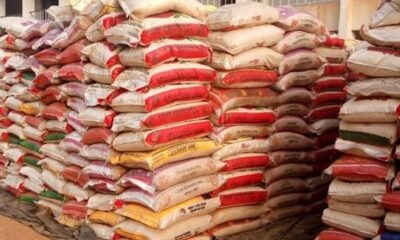
Days after announcing the reduction of ex-factory price of cement, BUA Group has silently increased prices of foods, particularly a bag of sugar, a bag of flour and a carton of spaghetti, investigation has revealed.
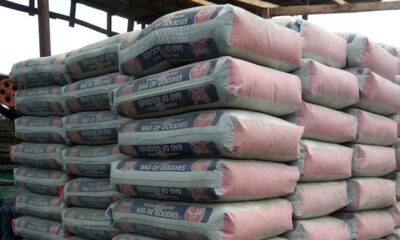
The management of one of the giant cement company in the country had on October 1 announced the reduction of ex-factory price of the product to N3,500 per bag.
But the announcement was greeted by public outrage as dealers were battling to enlighten the customers that the reduction in price affects only companies that supply the commodity directly from the factory.
However, investigation revealed that BUA Foods had silently increased prices of its sugar, flour and pasta products.
A visit to some shops at the popular Singer Market in Kano state, the biggest grocery market in Northern Nigeria, showed that price of a bag of sugar, flour and a carton of spaghetti had increased by N3,500, N2,000 and at least N1000 respectively.
Checks also shown that while the price of sugar was recently sold at N44,000 per bag, spaghetti N8,100 a carton, and a bag of flour at N32,500, the commodities are now being sold at N47,500, N9,000 and N34,500 respectively.
A dealer of BUA Foods in Kano told our reporter that the increase in prices of the commodities followed immediately after the company announced the reduction of its cement product.
READ ALSO:
-
Clashes erupt at Liberian president’s re-election parade
-
Teacher’s car crushes 10-year-old pupil to death in school premises
-
Gunmen kidnap pastor, wife, children in Delta community
According to the dealer, who preferred to remain anonymous as he was not authorized to speak, they observed the increase in the prices this week.
He confirmed that the price of a carton of IRS Spaghetti, a pasta product of the BUA Foods, is now N9,000 a carton at company price, while it was recently sold at N8,400 a carton, an indication that it could reach up to N10,000 at retail price.
He also said “We have observed the increase this week. Price of a bag of flour has now gone up to N34,500 as against the N31,000 to N32,000 sold last week. About N2,000 has been increased on a bag of flour and it is a company price.
” About sugar, there is no standard price but it is sold up to N48,000 now in the market. It was N44,500 to N45,000 per bag just last week. Somebody told me that he is selling it at N46,500 per bag.
“We have just received the increased from them this week. They normally communicate to use via phone. They will just send us messages if there is any development.
“I also want to tell you that all these prices are company prices,” he stressed.
Investigation also revealed that price of the commodities had already gone up at retail outlets in the Kano city.
A grocery shop operator, Mustapha at Karkasara are of Tarauni Local Government area, informed our reporter that he sells a bag of 50kg sugar at N49,000 after he supplied it at N47,500 from the dealers.
Another shop operator, Ibrahim Musa in Fagge Local Government said he had observed increment in price of sugar, flour and IRS spaghetti.
According to him, he purchased a 50kg bag of sigar at N48,000, adding that he supplied a bag of flour at N33,000, while IRS spaghetti was N9,100.
READ ALSO:
-
Ensure adherence to Islamic injunctions in conducting funeral rites, Lai Muhammed urges Muslims
-
National Assembly to introduce legislation to regulate fake news on Social Media
- Sunday Igboho regains freedom in Benin Republic, jets out
He lamented that despite the increment, he is recording low market as according to him, it had taken him about two weeks to finish a bag of flour.
“You know there is no money in the hand of people. Before i purchased this flour, the one supplied last time took almost two weeks before it finished.
“We are recording low market. People are in poverty and the patronage is low. We just thank God and pray for His intervention,” Ibrahim said.
Customers also expressed displeasure over the recent increment of the BUA food products.
Hajiya Iyami, one of the major customers that purchase bags of flour for baking Gurasa, a locally-made staple in Kano, lamented that the price of the product has kept rising anytime.
She said the price is rising day in day out from three years ago, recalling that the price had skyrocketed from just N5,500 per bag.
“Ironically, this price of BUA plower has skyrocketed just three years ago when a bag of flour was just N5,500. The price keep going higher
“I have now bought a bag of flour at N34,500. We therefore call on the BUA company to reduce the price of flour as we heard that he reduced the price of s bag of sugar,” Iyami appealed.
Efforts to reach BUA company proved abortive as a major dealer in the state, who was speaking on behalf of the company said he could no longer speak now.
Days after slashing cement price, BUA ‘quietly’ increases sugar, flour, pasta prices
Platinumpost








Business
JUST IN: Dangote Refinery Cuts Petrol, Diesel Ex-Depot Prices Amid Market Relief

JUST IN: Dangote Refinery Cuts Petrol, Diesel Ex-Depot Prices Amid Market Relief
Dangote Petroleum Refinery has announced a reduction in its ex-depot prices for Premium Motor Spirit (PMS), popularly known as petrol, and Automotive Gas Oil (AGO), or diesel, marking the first downward adjustment after several sharp increases in recent days. The new pricing, released on March 10, 2026, reflects easing global crude oil prices and provides potential relief for fuel marketers, bulk buyers, and consumers nationwide.
Under the updated pricing template, the gantry price of petrol has been cut by ₦100, from ₦1,175 per litre to ₦1,075 per litre. For PMS supplied through coastal distribution, the refinery set a slightly lower price of ₦1,050 per litre, accounting for marginal cost differences in maritime delivery.
The gantry price of diesel has also been significantly reduced by ₦190, bringing it down to ₦1,430 per litre from the previous ₦1,620 per litre. The refinery clarified that these ex-depot prices exclude statutory charges imposed by the Nigerian Midstream and Downstream Petroleum Regulatory Authority (NMDPRA), meaning retail pump prices may still vary depending on additional levies and distribution costs.
READ ALSO:
- Family of Teacher Killed in Student Prank Tragedy Wants Charges Against Teens Dropped
- Pregnant Woman Begs Authorities to Free Husband Jailed for Domestic Violence
- Strait of Hormuz Crisis: Iran Threatens to Stop Gulf Oil Shipments
Context and Market Impact
The price adjustment follows a period of rapid increases in fuel prices, which had raised petrol to ₦1,175 per litre and diesel to ₦1,620 per litre in early March. Analysts say the reduction is a response to declining international crude oil prices and signals potential easing of fuel costs across the downstream sector.
Industry experts note that while the ex-depot price cuts offer short-term relief for marketers and bulk buyers, the extent to which they will translate to lower retail pump prices remains to be seen. Retail fuel pricing also depends on transportation costs, depot margins, and regulatory fees, which can differ across regions.
For Nigerian consumers, even modest reductions in ex-depot prices could help alleviate transport and logistics costs, easing broader inflationary pressures in the economy. Motorists and businesses are now closely monitoring fuel stations to see how quickly the reductions are reflected at the pumps.
The move underscores Dangote Refinery’s continued influence as Africa’s largest petroleum refinery, shaping pricing trends and impacting Nigeria’s energy sector amid volatile global oil markets.
JUST IN: Dangote Refinery Cuts Petrol, Diesel Ex-Depot Prices Amid Market Relief
Railway
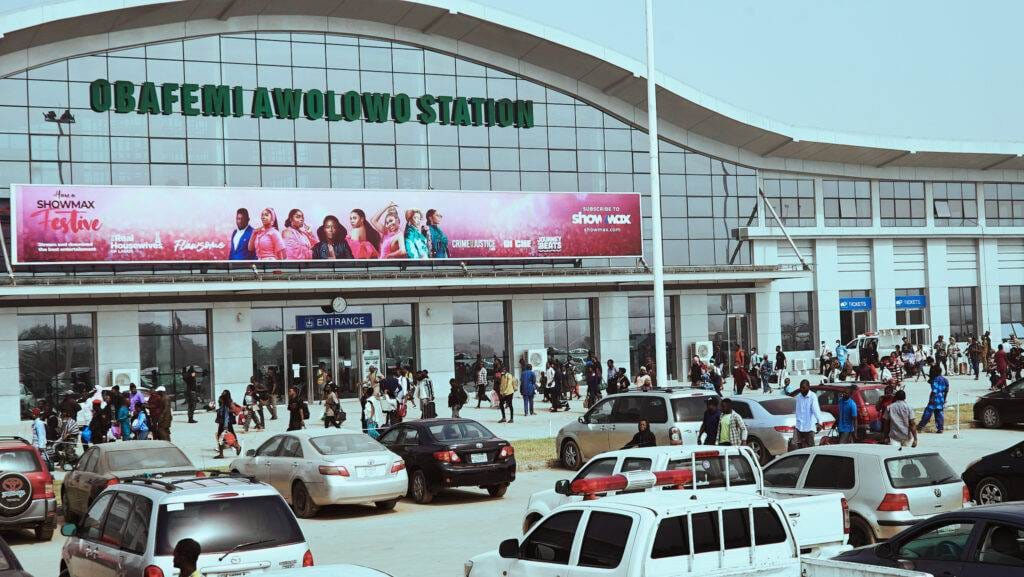
NRC Investigates Assault Allegation Against UI Lecturer at Moniya Station
NRC Investigates Assault Allegation Against UI Lecturer at Moniya Station
The Nigerian Railway Corporation (NRC) has launched an investigation into an **alleged assault on a lecturer from the University of Ibadan (UI) at the Moniya train station in Oyo State, according to sources familiar with the matter.
The incident reportedly occurred on [specific date if available], when the academic was reportedly involved in a confrontation with NRC staff and/or security personnel at the Moniya rail station. Details remain sketchy, but eye‑witness accounts suggest that the lecturer sustained physical injuries during the altercation before other commuters intervened and security operatives were called to the scene.
Following complaints from the lecturer and concerned passengers, the NRC’s management announced that it has set up a panel to investigate the circumstances surrounding the alleged assault, including reviewing available footage from station cameras, interviewing witnesses and questioning staff members who were on duty at the time.
In a brief statement, the NRC said it “takes the safety and dignity of passengers and members of the public very seriously” and pledged to ensure a thorough, impartial probe into the matter. The corporation added that appropriate disciplinary or legal action would be taken against any staff found culpable.
READ ALSO:
- Nigerian Army Suffers Loss as Senior Officer Dies in ISWAP Attack
- Qatar Arrests Over 300 for Sharing Misleading Iran Attack Images
- US Issues Terror Alert Over Possible Attacks on Embassy, Schools in Nigeria
The alleged assault has sparked reactions on social media, with many users calling for transparency in the investigation and respectful treatment of passengers by transportation officials. Some commenters urged the NRC to release statements and evidence as the probe progresses to reassure the public.
Sources also indicate that the affected lecturer received medical attention following the incident, though the extent of the injuries has not been officially disclosed.
The NRC has advised commuters who witnessed the incident to cooperate with investigators and provide any information that may assist in clarifying what happened.
As the probe continues, the outcome is expected to determine whether any NRC personnel will face sanctions or criminal charges, and whether changes to staff conduct policies at train stations will be implemented.
This development comes amid ongoing efforts by the NRC to improve rail safety and customer service standards as part of broader reforms within Nigeria’s railway sector.
NRC Investigates Assault Allegation Against UI Lecturer at Moniya Station
Business
Middle East Crisis Pushes Petrol Price to N1,300 Per Litre in Nigeria

Middle East Crisis Pushes Petrol Price to N1,300 Per Litre in Nigeria
Economic hardship is deepening across Nigeria as oil marketers have increased the pump price of Premium Motor Spirit (PMS), popularly known as petrol, to about N1,300 per litre, up from N1,050 per litre in many parts of the country.
The latest increase represents a 24 per cent rise in petrol price, triggered largely by the surge in global crude oil prices, which climbed to about $110 per barrel amid the escalating Middle East war.
The development has intensified the cost-of-living crisis in Nigeria, as higher fuel prices continue to drive increases in transport fares, food prices and the cost of goods and services nationwide.
Diesel price also surges
The price hike has also affected Automotive Gas Oil (AGO), commonly known as diesel.
At some filling stations operated by major marketers, diesel is now sold at around N1,380 per litre, up from about N1,100 per litre, while outlets of NNPC Limited sell the product at about N1,680 per litre in Lagos and surrounding areas.
Similarly, the pump price of petrol in Ibadan and neighbouring communities in Oyo State has risen sharply to between N1,200 and N1,300 per litre, compared with the previous range of N1,020 to N1,080 per litre.
A member of the Independent Petroleum Marketers Association of Nigeria (IPMAN) attributed the increase to the rising landing cost of imported fuel.
According to the marketer, the cost of lifting petrol from Lagos depots has increased to about N1,175 per litre, forcing marketers to adjust pump prices upward.
“The pump price varies depending on the destination. While petrol sells between N1,200 and N1,300 per litre in Ibadan, the price could be higher in areas such as Ogbomoso and Oke-Ogun due to transportation costs,” the marketer said.
READ ALSO:
- OYOSUBEB Chairman Adeniran Joins 2027 Oyo Governorship Race
- BREAKING: Zamfara Governor Dauda Lawal Defects from PDP to APC
- Tragedy in Ibadan as Woman, 26, Dies at Boyfriend’s Residence
Dangote refinery raises petrol gantry price
The increase in retail price followed a fresh adjustment by the Dangote Petroleum Refinery, which raised its gantry price of petrol to N1,175 per litre from N995 per litre.
The refinery also increased the gantry price of diesel to N1,620 per litre, up from N1,430 per litre.
The company attributed the development to prolonged volatility in the international crude oil market, which has pushed prices upward due to ongoing geopolitical tensions in the Middle East.
Industry sources noted that filling stations in Abuja have adjusted prices several times in the past week, reflecting the rising cost of supply.
Petrol price jumps in Abuja
In the Federal Capital Territory (FCT), petrol prices have jumped dramatically from about N880 per litre seven days ago to over N1,300 per litre at many retail outlets.
Within the last week, the price rose successively from N880 to N960, then N1,080, before climbing to N1,103 and eventually exceeding N1,300 per litre at several stations.
The sudden increase has triggered concern among motorists, transport operators and small business owners who rely heavily on fuel for daily operations.
Transport fares rise sharply
The increase in petrol price in Nigeria has already translated into higher transportation costs in many cities.
Checks at major bus stops in Area 8, Garki and the Central Area of Abuja showed that transport fares have increased by over 100 per cent on some routes.
For instance, a trip that previously cost N800 now costs about N1,500, while the fare from Area 8 to Nyanya has risen from N500 to around N1,000.
Similarly, in Ibadan, commercial drivers have increased fares due to the fuel price hike.
Trips from Sango to the University of Ibadan (UI) now cost between N250 and N300, up from N200, while the fare from Dugbe to Ojoo has increased from N600 to N900.
Logistics and transportation determine pump price — IPMAN
The Public Relations Officer of IPMAN, Chinedu Ukadike, confirmed the increase in petrol prices, noting that marketers now purchase the product from private depot operators at about N1,200 per litre.
According to him, the final retail price of petrol is influenced by logistics costs, transportation expenses and marketers’ margins.
“In Lagos, petrol may sell between N1,250 and N1,300 per litre, but outside Lagos the price could reach N1,350 per litre or more,” he explained.
Petrol could hit N2,000 per litre — PETROAN
Meanwhile, the Petroleum Products Retail Outlets Owners Association of Nigeria (PETROAN) has warned that the pump price of petrol could rise to N2,000 per litre if the Middle East war persists.
According to Billy Gillis-Harry, National President of PETROAN, the price of diesel could also climb to about N3,000 per litre if the global crisis continues.
He warned that continued instability in the international oil market could push fuel prices in Nigeria even higher in the coming weeks.
Calls for revival of local refineries
PETROAN has called on the Group Chief Executive Officer of NNPC Limited, Bayo Ojulari, to accelerate the full operation of Nigeria’s government-owned refineries.
The association specifically urged authorities to ensure the effective operation of the Port Harcourt refinery and the Warri refinery to boost domestic fuel production.
According to industry stakeholders, expanding local refining capacity would help reduce Nigeria’s dependence on imported petroleum products and cushion the impact of global oil price shocks.
Energy experts also stressed the need for policies that encourage private refinery investments, improve crude supply arrangements and strengthen Nigeria’s petroleum distribution infrastructure.
They noted that although domestic refining may not completely eliminate the effects of global oil price volatility, it would significantly improve energy security, foreign exchange stability and economic resilience.
Middle East Crisis Pushes Petrol Price to N1,300 Per Litre in Nigeria

-

 News2 days ago
Tinubu Approves Salary, Allowance Increase for Nigerian Armed Forces
-

 International2 days ago
Top 10 Strongest Militaries in the World in 2026 – Full Ranking
-

 metro1 day ago
Viral Video Shows Man Disarming Robbers After Minna Bank Heist, ₦10m Stolen
-
 Business2 days ago
NNPCL, Marketers Increase Petrol Price Again Within 24 Hours After Dangote Refinery Hike
-
 metro2 days ago
EFCC Intercepts Wife of Federal High Court Chief Judge With $160,000 Cash
-

 metro1 day ago
Tragedy in Ibadan as Woman, 26, Dies at Boyfriend’s Residence
-

 metro1 day ago
Students Escape as Four-Storey School Building Collapses in Lagos
-
 News2 days ago
Strait of Hormuz Crisis Threatens Nigeria’s Food Inflation Progress as Oil Prices Surge