
Auto
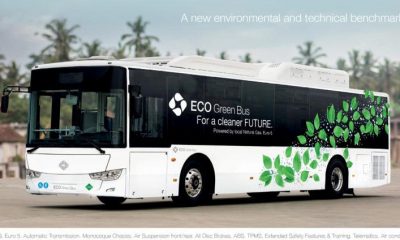
ECO Green Bus eyes Nigerian market with full range
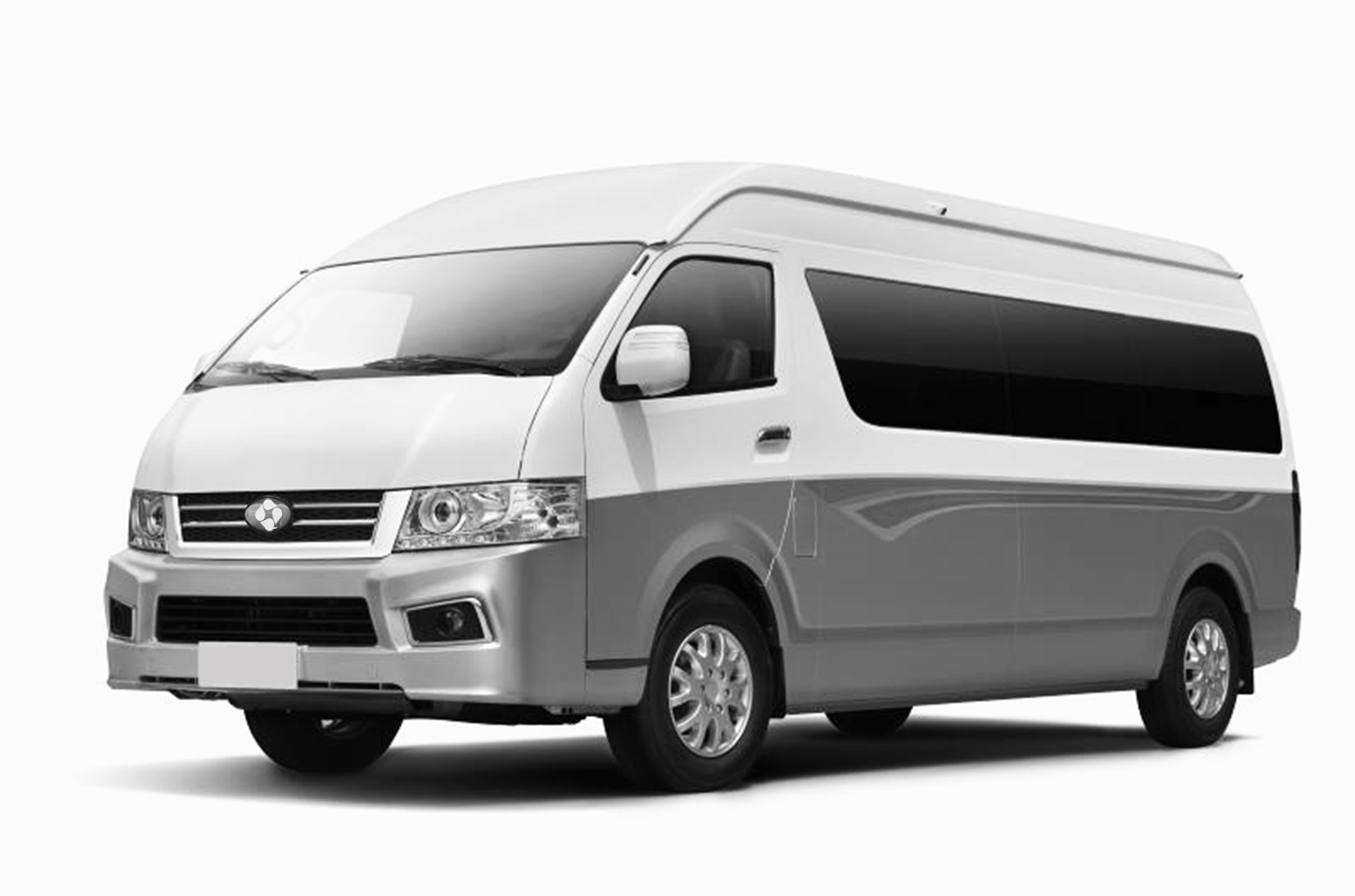
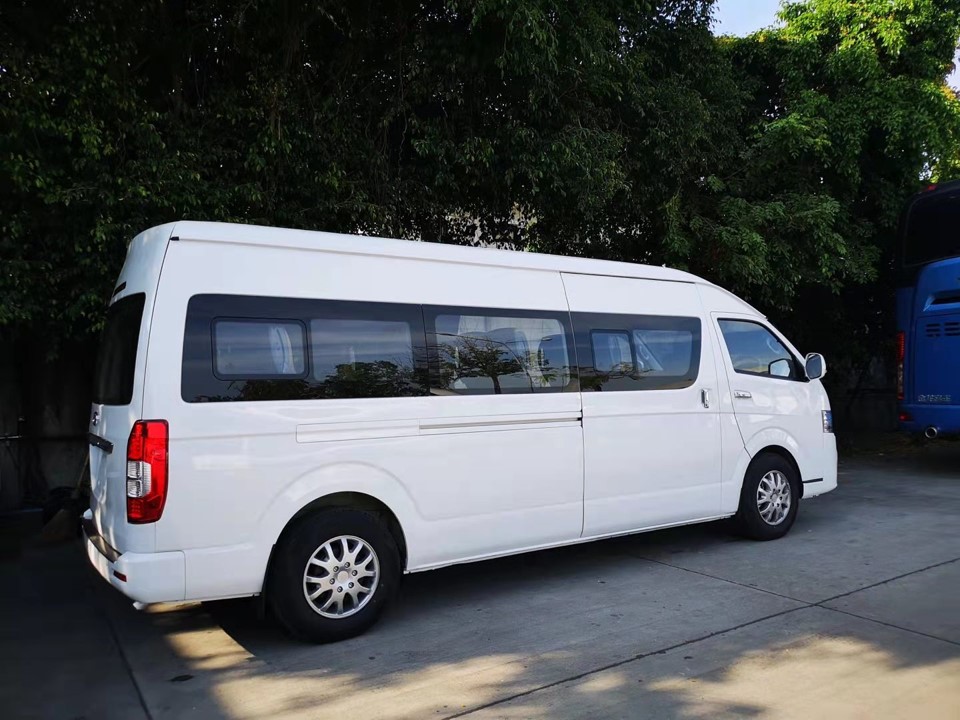 Natural gas-powered vehicle manufacturer, Austrian Technologies Nigeria, says its full models of ECO-Green buses are set to hit the Nigerian market.
It says the buses built with European standards for critical climate and infrastructure are targeted at private and public transport operators in Nigeria including schools and corporate organisations.
Chief Executive Officer of Austrian Technologies Nigeria Limited, Johann Rieger, who gave details of the full range says the buses are on a single platform comprising 8.5m length (Marcopolo size) for 60 passengers; 10.5m for 80 passengers, 12m for 100 people, 12.8m for 110 passengers and 18m accommodating 160 passengers.
The standard at ECO Green Buses is a monocoque chassis-body structure with advanced frame safety technology.
The core is a 3H high-strength body with front and rear buffer beams, roll-over safety frame and absorbed energy structure.
The key advantages of this technology are-higher safety for passengers through optimized distribution of impact forces through overall of body frame structure; improved life span of structure; lower operating costs (maintenance, tyres, fuel consumption); and the weight advantage over a classical chassis-body structure.
The whole-vehicle runs through an 18 stage E-coating process (cathode electrophoretic coating) for corrosion protection.
The electrophoretic paint becomes a layer of even, smooth, and strong adhesive paint film on the surface of body frame after electrochemical reaction. It makes the surface of body frame and inner cavity of being strongly anticorrosive, antirust, salt fog resistant and heat moist resistant and antirust of up to 12 years.
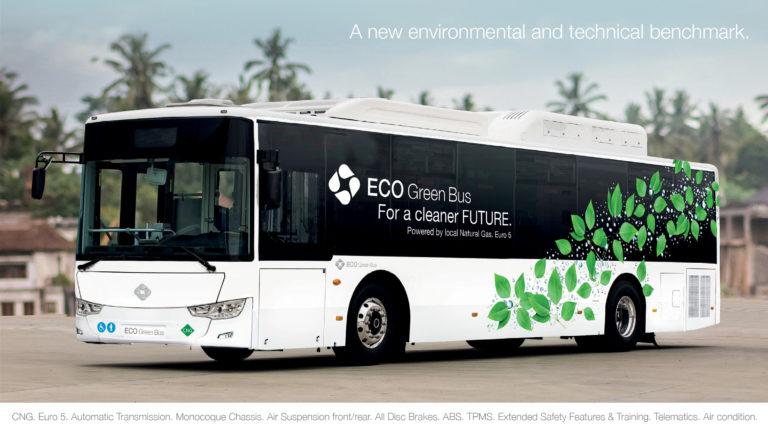
All buses come with maintenance free DANA axles and adjustable Front and rear air suspension with FIRESTONE air bags. All wheels have disc brakes with automatic slack adjuster from KNORR in combination with WABCO ABS. This high European safety standard improves safety and reliability of buses and supports operations by high availability of buses through reduced down time and shortened time of maintenance. The life span of these components is a multiple of the normally applied low-cost components.
A tyre pressure montoring system with display on instrument panel and full integration into the ECO Telematics system is standard and one of the core safety features of ECO Green Buses. BOSCH power steering is one of the world’s safest steering systems for commercial vehicles.
The cockpit is highly ergonomic. The combination of the fully integrated digital cockpit and employment of high-quality European core components are just some of the key factors that make ECO Green Buses efficient and safe.
The driver receives direct feedback in real-time on his/her behaviour in safety and economic driving through the digital dashboard and ECO Telematics system.
The possibility to convert gas buses to zero emission hydrogen operation upon local availability of hydrogen is another unique feature of ECO Green Buses. Bus structure, gas supply chain and safety equipment are already prepared for such conversion at little effort and costs.
The MD said the buses are the safest and most economic mass transit vehicles which could reduce carbon footprints by 95 per cent and operating cost by 30 per cent.
He said, “We also have 5.4m (Hiace type) as well as 6.5m and 7.5m (Toyota Coaster) type buses.” It is crucial for the further development of Nigerian transport sector to include and onboard Danfo operators and other stakeholders into the public transport operations.
Rieger noted that the buses are equipped with gas engines of higher emission standards (Euro 5) with no toxic, smog or smoke, guaranteeing reduced noise and lower fuel costs
Some of the unique features of an ECO-green bus are given as roof mounted CNG cylinder with up to 500km range and gas leakage detection system; tyre pressure monitoring system; two emergency roof hatches (front/rear); fire extinguisher in driver’s cabin, automatic fire extinguishers in engine compartment; all disc brakes with automatic slack adjuster and the ABS.
Others are speed limiter, alcohol test and driver’s fatigue detection with driver’s biometric identification, CCTV camera system that can be directly integrated into the city surveillance system; reverse camera; handicapped ramp and wheelchair area.
All buses are equipped with ECO Viroxx air purification system, a bipolar ionization system integrated into the ventilation system of ECO Green Buses. It is the only system worldwide that permanently and chemical free sanitizes the indoor air in buses throughout the entire operation.
The ECO Viroxx bipolar ionization technology is clinically proven to inactivate up to 99.999% of COVID-19 and other viruses and germs. SARS-Corona viruses can be rendered completely harmless at the molecular level by destroying the structure of their virus surface, envelopes, and tips.
High-energy ionization of the cabin and the production of a bipolar aerial ionization network can achieve a natural air disinfection rate of over 99.999 per cent (log 5). This process inactivates or eliminates viruses, germs, bacteria, molds and eliminates unpleasant smells.
Rieger said, “Up to 70 per cent of all components of the ECO-Green buses should be manufactured or assembled locally within five years of operation including the first green engine.”
Additionally, the company offers bus Simulator, bus scanners, telematics and ICT and intensive training of drivers and maintenance personnel to assure proper maintenance of vehicles.




Auto
Soaring Fuel Prices Drive Nigerians Toward Electric Vehicles
Soaring Fuel Prices Drive Nigerians Toward Electric Vehicles
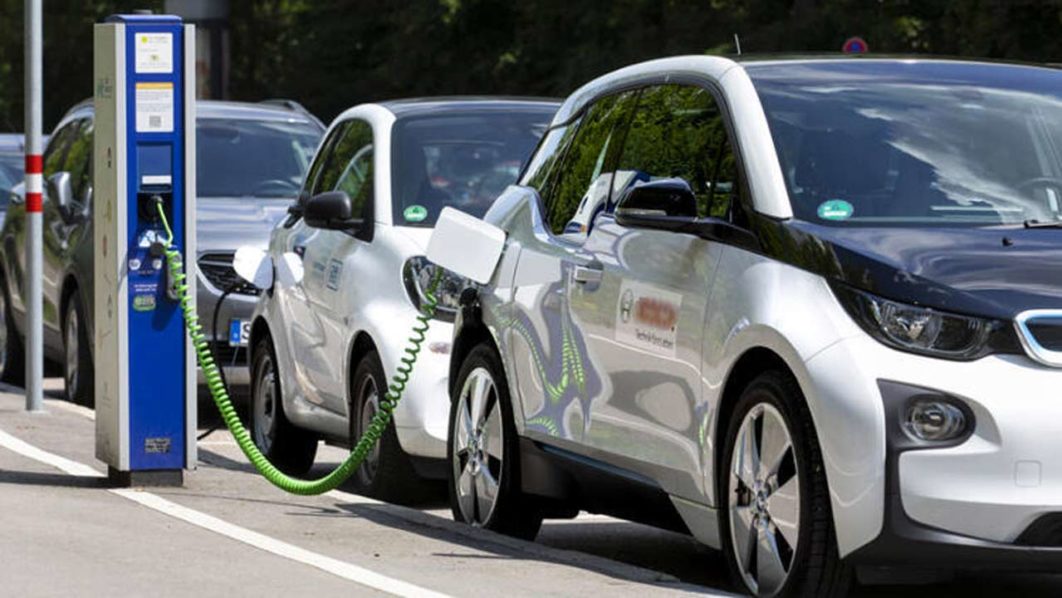
Rising fuel prices in Nigeria are accelerating interest in electric vehicles (EVs) as households, transport operators, and businesses seek cost-effective alternatives to petrol- and diesel-powered cars. Experts say the spike in petrol costs is no longer just an economic concern but a turning point, pushing electric mobility from a futuristic idea into a practical solution for everyday commuting and commercial use.
At the Abuja Compact on Electric Mobility Roundtable, stakeholders highlighted how increasing transport expenses are reshaping decisions, especially among commercial drivers and small business owners. Rising fuel costs are prompting many Nigerians to see EVs as a survival strategy rather than a luxury option.
Chairman of the Presidential Initiative on Compressed Natural Gas and Electric Vehicles (Pi-CNG & EV), Ismaeel Ahmed, explained that the removal of fuel subsidies has widened the cost gap between petrol-powered vehicles and EVs. Charging an EV for a 200-kilometre journey costs around ₦4,500, compared to roughly ₦22,500 for petrol vehicles — a difference that offers a “strong economic incentive” influencing consumer choices. Ahmed added that the federal government is pursuing a balanced transition strategy supporting both compressed natural gas (CNG) and electric vehicles to encourage sustainable energy alternatives.
Financial solutions are helping Nigerians overcome the high upfront costs of EVs. Mohammed Abdul, Divisional Head at Alternative Bank, noted that lease-to-own, pay-as-you-go, and partnership schemes are making EVs accessible to drivers in the informal transport sector. These financing models allow gradual adoption while easing financial burdens.
READ ALSO:
- Ogun Partners with NAHCON, Names Key Hajj Leadership Team
- Timi Frank: INEC Actions Threaten Democracy, Calls on Trump to Support Nigeria
- ADC Defies INEC, Moves Ahead with Congresses, Convention
Industry leaders also see wider economic benefits from EV adoption. Yusuf Suleiman, CEO of Bankrol Camel EV and Blue Camel Energy Ltd, said EV investments could improve energy access, boost industrial growth, and reduce Nigeria’s reliance on imported fossil fuels. Ahmed Garba Ahmed, COO of Bankrol Camel EV, added that EVs can cut energy costs per kilometre by up to 60%, benefiting ride-hailing drivers, logistics companies, and fleet operators.
Dapo Adesina, President of the Electric Mobility Promoters Association of Nigeria (EMPAN), explained that EV adoption can strengthen Nigeria’s power sector. Solar-powered charging hubs can simultaneously power vehicles and supply electricity to nearby communities, particularly in underserved areas. Private sector initiatives are also supporting Nigeria’s EV transition. Companies like SolarCity Gas are deploying superfast EV charging stations across key urban hubs and petrol stations, expanding the country’s charging infrastructure to meet growing demand.
Despite growing adoption, electric mobility in Nigeria faces challenges such as limited electricity infrastructure and inconsistent power supply. Analysts warn that significant investments in charging networks and supportive policies are necessary for sustainable EV growth. Nevertheless, with fuel prices remaining high, EVs are increasingly viewed as economically smart and environmentally friendly alternatives, offering Nigerians a viable solution to rising transport costs.
Soaring Fuel Prices Drive Nigerians Toward Electric Vehicles
Auto
Lagos NURTW Chairman Sego Distributes Exotic Cars, Luxury Items to Cabinet Members (Video)

Lagos NURTW Chairman Sego Distributes Exotic Cars, Luxury Items to Cabinet Members (Video)
The Chairman of the Lagos State chapter of the National Union of Road Transport Workers (NURTW), popularly known as Sego, has distributed exotic cars, luxury items, and other valuables to members of his cabinet.
The development, which took place on Tuesday, drew attention across Lagos as beneficiaries reportedly received high-end vehicles and other expensive gifts as part of what insiders described as a reward and appreciation gesture.
READ ALSO:
- Canada Raises Permanent Residence, Citizenship Fees for Nigerians, Others
- Plateau Palm Sunday Massacre: US Lawmaker Warns Nigeria
- Cars Torched as South Africans Protest Alleged Nigerian ‘Igbo King’ Coronation
Sources within the union disclosed that the items shared included luxury cars, household equipment, and other high-value materials, aimed at boosting morale among cabinet members and strengthening loyalty within the leadership structure of the union.
Observers say the move highlights the growing influence and financial strength of transport unions in Lagos, particularly the NURTW, which plays a key role in the state’s transport sector.
While supporters of the chairman have praised the gesture as a sign of generosity and leadership, critics argue that such displays of wealth raise questions about transparency and accountability within union operations.
As of the time of filing this report, there has been no official statement from Sego addressing the distribution, but the development has continued to generate reactions among stakeholders in the transport industry and the wider public.
The Chairman of the Lagos State chapter of the National Union of Road Transport Workers (NURTW), popularly known as Sego, has distributed exotic cars, luxury items, and other valuables to members of his cabinet
Tonto Dike | Blessing CEO | Kaduna | Pastors and Imams | Jerry Eze pic.twitter.com/YWGLjMiJyZ
— Newstrends.Ng (@Newstrends_ng) March 31, 2026
Lagos NURTW Chairman Sego Distributes Exotic Cars, Luxury Items to Cabinet Members (Video)
Auto
Motoring World marks 30 years, set to rally industry leaders in Lagos
Motoring World marks 30 years, set to rally industry leaders in Lagos
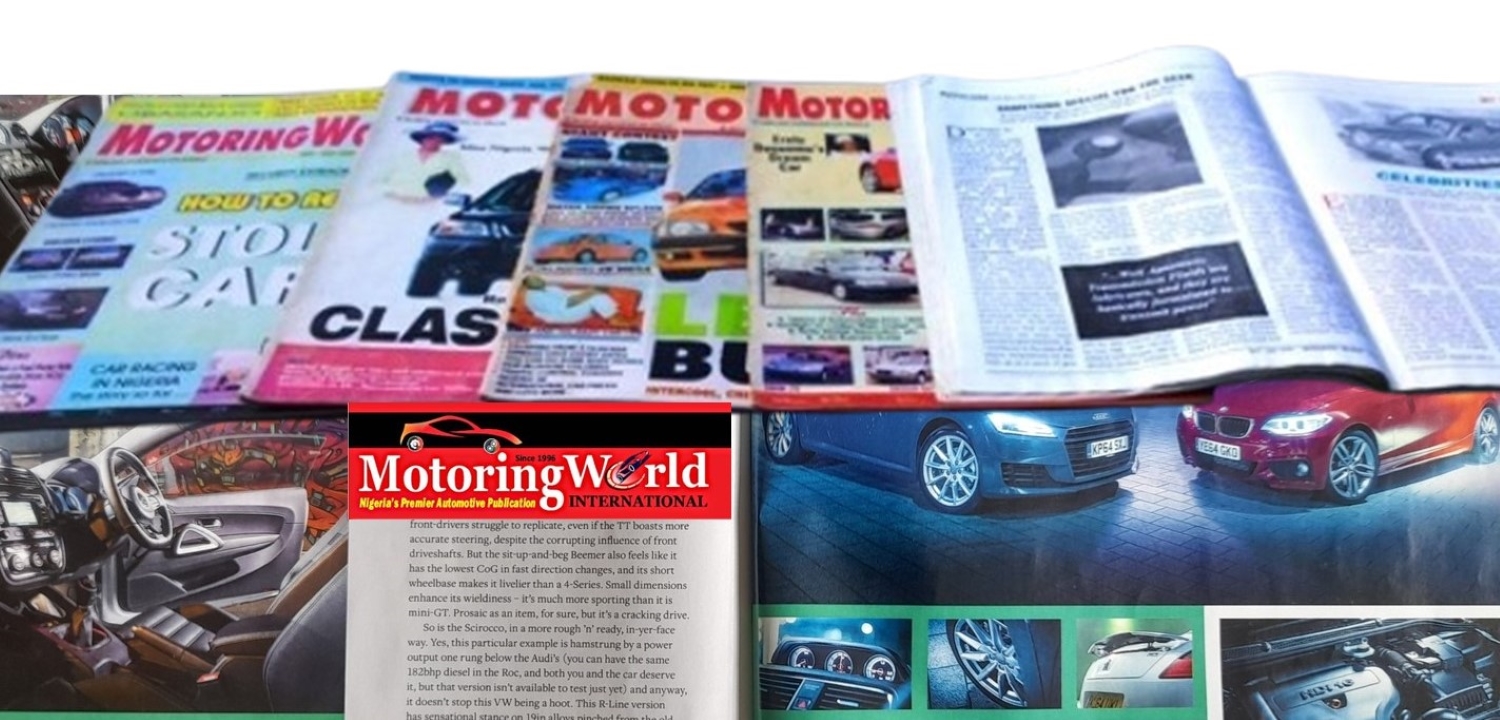
Motoring World, one of Nigeria’s foremost automotive publications, will celebrate its 30th anniversary on June 4, 2026, with a high-profile event at the MUSON Centre.
The milestone gathering is expected to draw policymakers, industry leaders, diplomats and innovators to commemorate three decades of impactful journalism, advocacy and contribution to the growth of Nigeria’s automotive sector.
Founded on June 12, 1996, as a syndicated radio magazine programme, Motoring World pioneered automotive broadcasting in Nigeria before expanding into print in 1998. It has since evolved into a multi-platform brand at the forefront of promoting industry development, modernization and policy reform.
Over the years, the publication has gone beyond news reporting to play an active role in shaping regulatory frameworks, encouraging local content development and promoting industry standards.
Publisher and Chief Executive Officer, Femi Owoeye, said the organisation was driven by a clear vision from inception.
READ ALSO:
- Nigeria Police Reform: 222,000 Officers May Move to State Commands
- Iran Threatens US-Linked Universities in Middle East Amid Escalating Tensions
- Iranian Strike on Saudi Base Damages US Spy Plane, Injures 12 Troops
“Motoring World started with a simple vision: to give voice and structure to Nigeria’s automotive industry. Over the years, we have gone beyond reporting to actively advocate policies that support industry growth, local production and a more structured ecosystem,” he said.
Activities lined up for the anniversary include the unveiling of a special 30th anniversary edition of Motoring World magazine, chronicling the evolution, milestones and future of the industry. Distinguished stakeholders with three decades of contributions to the sector will also be honoured.
A keynote lecture titled, “Reporting the Road Ahead: Automotive Journalism as a Catalyst for Nigeria’s Auto Industry Development,” will underscore the critical role of the media in shaping the nation’s automotive landscape.
Dignitaries expected at the event include the Minister of Industry, Trade and Investment, Jumoke Oduwole; the Director-General of the National Automotive Design and Development Council, Oluwemimo Joseph Osanipin; state governors, transport commissioners and members of the diplomatic corps.
Owoeye noted that the anniversary represents more than a celebration.
“This is a tribute to resilience, strong partnerships and the collective drive that has sustained the industry. As we honour key players and reflect on our journey, we are also setting the tone for the next phase of mobility in Nigeria,” he added.
The event promises a blend of reflection, recognition and renewed commitment to advancing Nigeria’s automotive industry.
Motoring World marks 30 years, set to rally industry leaders in Lagos

-
 metro2 days ago
Pastor Found Dead in Guest House After Night Out With Married Female Church Member
-
 metro3 days ago
Tinubu Approves 1,000 Forest Guards, Orders 5,000 CCTV Cameras to Boost Security in Plateau
-

 Health1 day ago
Men Encouraged to Ejaculate More to Reduce Prostate Cancer Risk
-
 International2 days ago
Iran Announces ‘Bounty’ on US Pilots After Claiming Downing of Fighter Jet
-

 Politics1 day ago
Adeleke’s Aide Anisu Resigns, Defects to APC
-

 Politics2 days ago
Wike: PDP Not Financially Ready for 2027 Presidential Election
-
 Sports3 days ago
UEFA Threatens to Strip Italy of Euro 2032 Hosting Rights
-

 Africa2 days ago
Nigeria Apologises Over ‘Igbo King’ Controversy in South Africa as Protests Turn Violent