
Africa
ECOWAS orders junta to restore constitutional rule in Guinea-Bissau

ECOWAS orders junta to restore constitutional rule in Guinea-Bissau
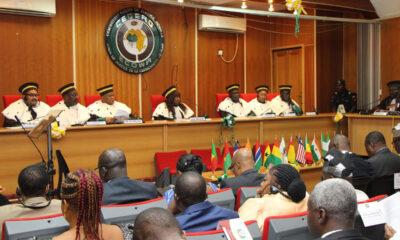
West African leaders have strongly condemned the military takeover in Guinea-Bissau, ordering an immediate return to constitutional governance and suspending the country from all ECOWAS decision-making bodies.
At an emergency virtual summit on Thursday, chaired by Sierra Leone’s President Julius Maada Bio, Heads of State and Government from across the region warned that the November 26 coup posed a grave threat to Guinea-Bissau’s fragile democracy. The crisis erupted just days after the November 23 national elections, prompting fears of a derailed democratic process.
The meeting featured presidents of Nigeria, Ghana, Liberia, Senegal, Cabo Verde, and Sierra Leone, alongside Côte d’Ivoire’s vice president and senior representatives from Benin, Togo, and The Gambia. Officials from the African Union, the United Nations regional office, and Guinea-Bissau’s foreign ministry also participated.
ECOWAS Commission President Omar Touray presented a detailed report on the deteriorating political situation, noting disruptions to the electoral process. Leaders commended Guinea-Bissau’s citizens for their “resilience and commitment to democracy” despite the unrest.
The Mediation and Security Council condemned “in the strongest terms” the coup d’état, insisting on the unconditional restoration of constitutional order. It rejected any arrangement that would legitimize the “illegal abortion of the democratic process.”
READ ALSO:
- El-Rufai joins ADC after dramatic exit from APC
- Video: Jonathan safely evacuated as military coup unfolds in Guinea-Bissau
- Tinubu sets up high-level delegation to engage Trump administration on Nigeria’s security crisis
- Why the U.S. May Need Peace More Than Nigeria | By Reno Omokri
ECOWAS demanded the immediate release of detained officials, including President Umaro Sissoco Embalo and senior electoral officers. Coup leaders were warned they would be held “individually and collectively responsible” for the safety of citizens and detainees.
Leaders further urged the junta to allow the National Electoral Commission to resume and complete the delayed announcement of results from the 2025 Guinea-Bissau election, stressing respect for the will of the people. Safe passage for ECOWAS and international observers was also mandated.
A high-level ECOWAS mission led by the regional chair, with the presidents of Togo, Cabo Verde, and Senegal, is expected in Bissau to engage directly with coup leaders.
The bloc also instructed the country’s armed forces to “return to barracks” and reaffirmed that the ECOWAS Stabilisation Support Mission in Guinea-Bissau would continue protecting national institutions. It warned that sanctions, as provided for in ECOWAS protocols, remain an option.
The African Union and European Union issued separate statements condemning the military takeover and calling for the swift restoration of civilian rule.
Tensions have remained high following the detention of President Embalo, who was later evacuated to Dakar. The military has named army chief of staff, General Horta N’Tam, as head of a proposed one-year transition—an arrangement ECOWAS rejects.
Residents in Bissau reported heavy military presence and widespread shutdowns on Thursday as markets and public facilities remained closed.
Guinea-Bissau, which has endured multiple coups since independence in 1974, now faces yet another test of stability as regional and international pressure mounts for a return to democratic governance.
ECOWAS Orders junta to restore constitutional rule in Guinea-Bissau









Africa
Anti-Immigrant Protest in South Africa Targets Nigerians, Others
Anti-Immigrant Protest in South Africa Targets Nigerians, Others
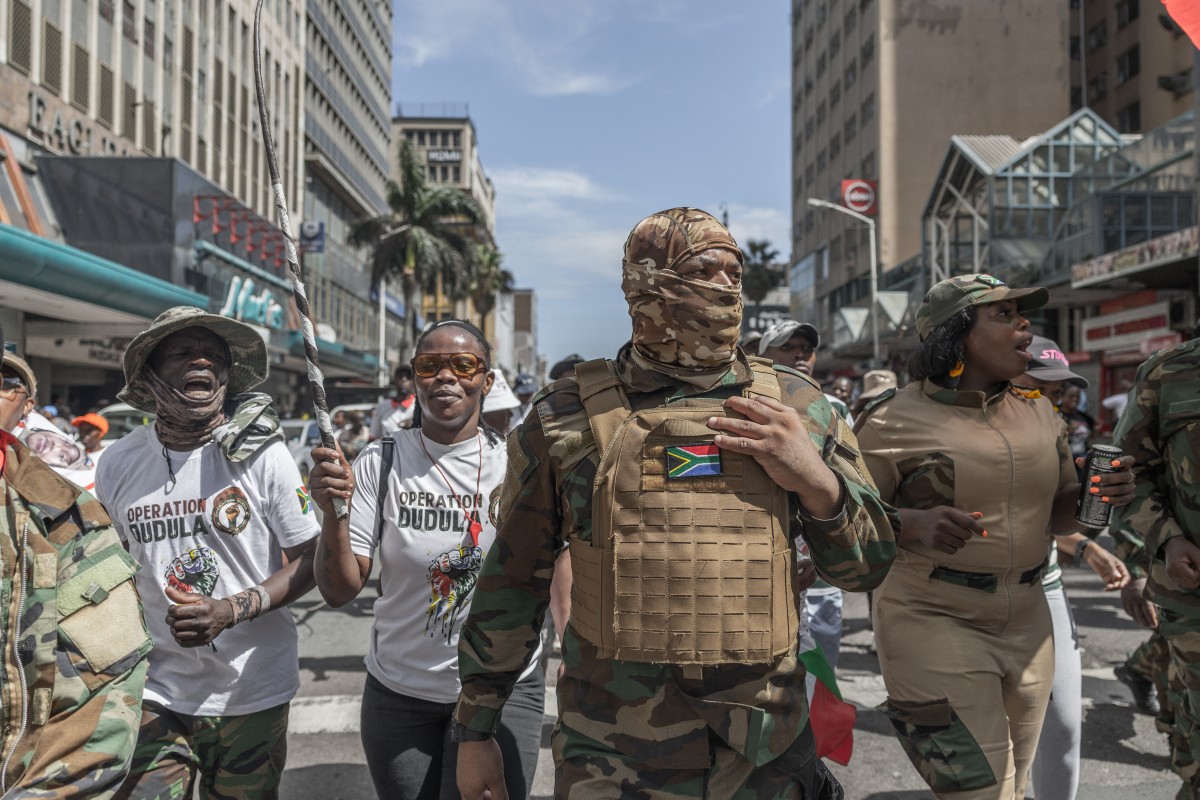
Durban, South Africa – Hundreds of demonstrators took to the streets of Durban yesterday as the controversial civic group March and March led an anti-immigrant protest, demanding stricter immigration laws and tighter border controls. The protest specifically targeted Nigerians and other foreign nationals, amid claims that undocumented immigrants are taking jobs, straining public services, and contributing to rising crime.
Joining the march were members of the political party ActionSA and the vigilante anti-migrant group Operation Dudula, who called for the mass deportation of undocumented foreign nationals. The protest marked the first anniversary of March and March raising immigration issues in public forums.
March and March leader Jacinta Ngobese-Zuma stoked tensions with rhetoric widely condemned as xenophobic, questioning why undocumented foreigners are allowed access to public facilities such as healthcare. “If you are saying you can’t refuse them healthcare, then why must it be public? Make them pay for their own healthcare if they want to be here in the country milking our resources,” she said.
READ ALSO:
- Iran Rejects US 15-Point Peace Plan, Issues Own Demands for War End
- Nigeria Liberalises Forex Market as CBN Ends Repatriation Limits for Oil Firms
- Fuel Marketers Warn Rising Petrol Prices Worsening Nigeria’s Cost-of-Living Crisis
ActionSA leader Herman Mashaba defended his party’s participation, arguing that the government has been too slow to enforce immigration laws. “We are seeing our government allowing our country to be flooded by groups from all over the world — Pakistan, Bangladesh, Nigeria, Mexico, all over the world. So, we are saying to our government this is unacceptable,” Mashaba said.
Protesters, including local resident Muzi Xaba, claimed that undocumented immigrants are taking jobs from South Africans. “Our duty is to deal with labour as well as civil matters. We must remove foreigners and then hire South Africans,” he said. Anti-migrant activists also blamed foreign nationals for increasing crime and weakening local communities, fueling ongoing tensions in South Africa.
Police in Durban deployed additional personnel to maintain order and prevent clashes, using rubber bullets and teargas in some areas to disperse the crowd. Authorities warned that further unrest could escalate into violence or property damage.
The Nigerians in Diaspora Commission (NiDCOM) advised Nigerians in South Africa to avoid protest areas and shelter in place for safety. Officials stated they were not aware of targeted attacks but urged vigilance amid rising anti-immigrant sentiment. Efforts to reach the Ministry of Foreign Affairs for comment were unsuccessful.
South Africa has a long history of anti-immigrant sentiment, particularly against Nigerians, Zimbabweans, and Somalis. Analysts warn that protests such as these could exacerbate xenophobic tensions, disrupt communities, and strain diplomatic relations if not addressed through dialogue and legal enforcement.
Anti-Immigrant Protest in South Africa Targets Nigerians, Others
Africa
Mali Releases Over 100 Suspected Militants in Deal to Halt Fuel Convoy Attacks
Mali Releases Over 100 Suspected Militants in Deal to Halt Fuel Convoy Attacks
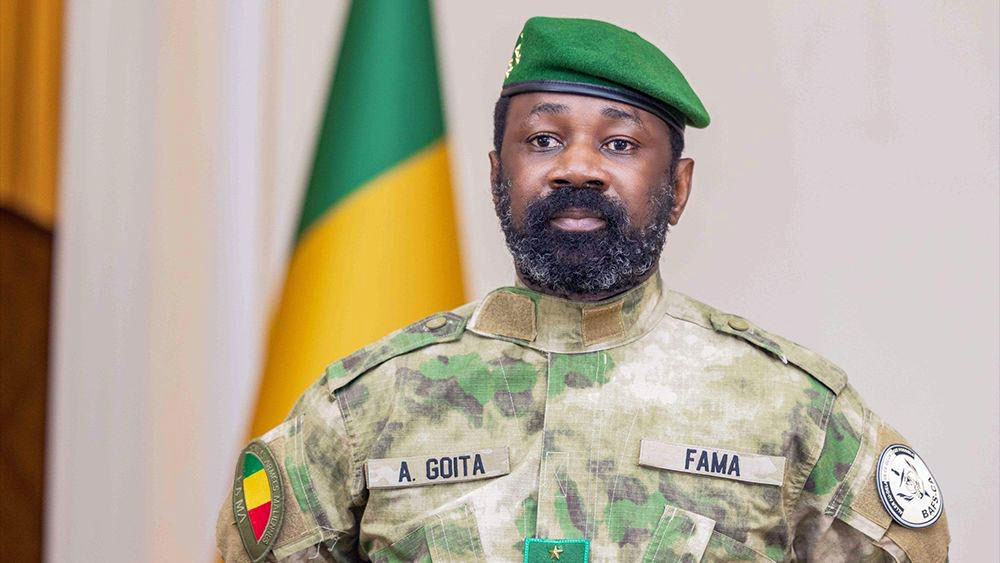
More than 100 individuals suspected of involvement in jihadist activities have been released in Mali under a negotiated arrangement aimed at ending attacks on fuel convoys that have severely disrupted economic activity and daily life across the country.
According to official and security sources, the releases were part of an informal understanding between authorities and armed actors linked to extremist networks, designed to secure a temporary halt to assaults on tanker trucks transporting fuel into the capital, Bamako, and other key regions.
Armed fighters associated with the Group for the Support of Islam and Muslims (JNIM), an Al-Qaeda-linked organization operating across the Sahel, have been behind a series of coordinated attacks on fuel convoys since September. These attacks escalated in October, at one point bringing Bamako to a near standstill due to fuel shortages and supply chain disruptions.
A local elected official confirmed the development, stating that the release of detainees was tied to the reopening of a “corridor” that would allow fuel convoys to pass safely through previously contested routes. He added that more than 100 individuals described as young suspects had been freed by state security services, and that convoy attacks had since ceased under the arrangement.
Security sources further indicated that the understanding may remain in place until the upcoming Muslim festival of Eid al-Adha (Tabaski), expected around the end of May, suggesting the deal could be temporary and subject to further negotiation.
READ ALSO:
- Nigeria to Scrap Common Entrance Exam, Introduce Continuous Assessment Model
- Obi, Makinde, Dickson Visit Kwankwaso, Fuel Coalition Rumours
- Tinubu Secures France Military Support to Boost Fight Against Terrorism in Nigeria
Reports also indicate that a number of detainees released were members of the Fulani community, an ethnic group that has at times been disproportionately affected by counterinsurgency operations and is often associated—rightly or wrongly—with jihadist activity in public discourse. Representatives of Fulani associations have confirmed the release of some of their members, noting that their inclusion among detainees has been a recurring concern.
Mali, a landlocked West African country, has been facing a prolonged security crisis since 2012, driven by insurgent groups linked to Al-Qaeda and ISIS, as well as criminal networks exploiting weak state presence in rural areas. The violence has spread from the north into central regions, complicating military efforts and straining governance.
The Group for the Support of Islam and Muslims (JNIM), one of the most active militant coalitions in the region, has increasingly targeted infrastructure and logistics routes, including fuel supply lines, as part of a broader strategy to exert pressure on authorities and disrupt economic stability.
Fuel convoy attacks have had wide-ranging consequences, including shortages at petrol stations, price spikes, transport disruptions, and reduced commercial activity. The government has in recent months relied on a mix of military escorts, route adjustments, and negotiations to maintain supply flows.
The reported deal highlights the evolving nature of conflict management in Mali, where authorities have at times combined security operations with localized negotiations to reduce immediate threats. However, such arrangements are often viewed as short-term measures that do not address the underlying drivers of insurgency, including poverty, weak governance, and territorial control by armed groups.
While the temporary lull in attacks may provide relief to residents and businesses, analysts note that sustaining peace will likely require long-term strategies involving strengthened state presence, regional cooperation across the Sahel, and coordinated counterterrorism efforts.
For now, the arrangement appears to have restored some level of stability to fuel transportation routes, even as uncertainties remain over how long the ceasefire-like understanding will hold and whether similar negotiations may be used in the future to manage security challenges in Mali.
Mali Releases Over 100 Suspected Militants in Deal to Halt Fuel Convoy Attacks
Africa
Ghana Repatriates 44 Citizens Rescued from Trafficking Camps in Nigeria
Ghana Repatriates 44 Citizens Rescued from Trafficking Camps in Nigeria
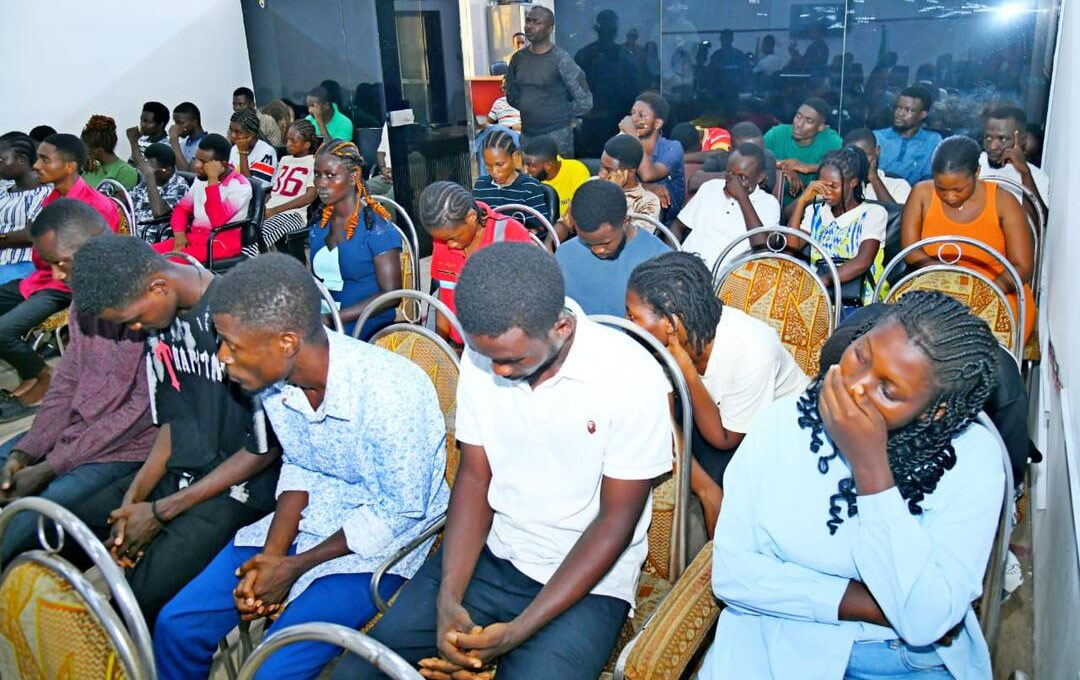
The Government of Ghana has confirmed the repatriation of 44 of its nationals who were trafficked into Nigeria under false promises of employment and travel, following a coordinated rescue operation involving Nigerian and Ghanaian authorities.
The victims, consisting of 27 males and 17 females, were discovered in two separate locations in Akwa Ibom State, Nigeria—Umo Ekpo in Ifuho community, Ikot Ekpene Local Government Area, and Ekpri Nsukara in Uyo Local Government Area. They were reportedly being held in camps linked to suspected trafficking and fraudulent recruitment networks.
According to the Akwa Ibom State Government, the individuals were handed over to Ghanaian officials after being extracted from the sites during a security operation. The intervention involved multiple Nigerian security agencies, including the Department of State Services, working in collaboration with Ghanaian authorities.
In a statement issued by Ghana’s Ministry of Foreign Affairs, the victims were rescued on March 16, 2026, and subsequently transported back to Accra, arriving on March 20. The ministry confirmed that the operation was the result of sustained intelligence sharing and cross-border cooperation between both countries.
READ ALSO:
- Meningitis cases in UK rise, nightclub fingered
- Fuel Prices Rise Again as Marketers Respond to Dangote Refinery Price Increase
- Trump Issues 48-Hour Ultimatum to Iran Over Strait of Hormuz Crisis
Authorities revealed that the victims were subjected to exploitative conditions, including restricted movement and psychological coercion. Investigations also indicate that they were recruited through deceptive means, including social media platforms and informal recruitment channels, which are commonly used by trafficking syndicates to lure unsuspecting individuals.
Some of the victims were reportedly coerced into recruiting additional persons into the network, a tactic often used by traffickers to expand their operations while maintaining control over victims.
The Ghanaian government stated that it is now working with relevant agencies to provide support for the returnees, including rehabilitation, counselling, and reintegration programs aimed at helping them recover from their ordeal and reintegrate into society.
The Ministry also commended Nigerian authorities for their swift response and cooperation in dismantling the trafficking network. It emphasized that ongoing collaboration between both countries remains critical in tackling transnational crimes such as human trafficking, which continues to affect vulnerable populations across West Africa.
Officials reiterated that investigations are ongoing to identify and apprehend individuals behind the trafficking operation, while efforts are being made to dismantle the broader criminal network responsible for the exploitation.
The ministry further urged the public to exercise caution when considering travel or job opportunities abroad, advising individuals to verify all offers through official channels and avoid engagement with unverified recruiters or agents.
Human trafficking remains a persistent challenge in the region, with authorities across West Africa intensifying efforts to curb recruitment scams and improve border monitoring, intelligence sharing, and victim protection mechanisms.
Ghana Repatriates 44 Citizens Rescued from Trafficking Camps in Nigeria

-

 metro3 days ago
“We Pay Men to Sleep With Us in Germany” — Nigerian Woman Laments Loneliness Abroad
-
 metro1 day ago
Tragedy in Aramoko: Trailer Rams Residential Building, Kills 300‑Level Student
-

 Entertainment3 days ago
Tragedy in Music Industry as ‘Show Your Style’ Singer Sabinus Dies
-

 News2 days ago
Final Notice: FG Orders Civil Servants to Complete PASGA Verification by March 31
-

 metro2 days ago
El-Rufai’s Mother, Hajiya Umma, Dies Amid Son’s Legal Battle
-

 Entertainment2 days ago
Nollywood Actress Declares Love for Ibrahim Chatta, Offers to Pay Her Own Dowry
-

 Business3 days ago
Relief in Sight as Dangote Refinery Lowers Petrol Price
-

 Entertainment3 days ago
Gospel Singer Onos Brisibi Dies at 55 After Prolonged Illness