
Africa
Electricity crisis forces Energy minister to resign

Electricity crisis forces Energy minister to resign
Following weeks of disruption, electricity supply has been finally restored in most cities across Sierra Leone after a part payment was made for the $48m (£38m) utility bill it owed to a Turkish company, Karpowership.
The payment of the sum of $18m comes as the country’s energy minister, Kanja Sesay announced his exit from government, saying he took full responsibility for the crisis.
Most electricity supplies to the capital, Freetown, is generated from a Turkish ship floating off the country’s coast.
Last week, Karpowership said it had severely cut supplies to the city, from 60 megawatts to 6 megawatt, citing backlog of unpaid bills.
Residents of the country’s main cities have been going for days on end without any power and hospitals have also been affected.
READ ALSO:
- Why I broke down in tears – Saudi Arabia maid impregnated by boss narrates ordeal
- BREAKING: Popular Gospel singer Morenikeji ‘Egbin Orun’ is dead
- Two arrested for torturing 60-year-old man to death in Anambra
At least one infant has died because of a lack of power, while medics have been using mobile phones to provide light as they carry out procedures, Reuters news agency quotes a doctor as saying.
“How do you iron your clothes, how do you make your food, how do you go to sleep? We pay our electricity bills so I don’t see why we should be forced to live like this,” BBC quoted a second-year engineering student in Freetown, Fatmata Gassim as saying.
Following the resignation of Sesay, the office of President Julius Maada Bio said the energy ministry would now fall under the direct supervision of the president.
Karpowership previously cut supplies to Sierra Leone in September over unpaid bills.
It is one of the world’s biggest floating power plant operators, with several African states relying on it for electricity.
In October, it briefly cut power to Guinea-Bissau, saying it had no option “following a protracted period of non-payment”.
Electricity crisis forces Energy minister to resign






Africa
Egypt Raises Fuel Prices Up to 30% as Middle East War Drives Global Energy Costs
Egypt Raises Fuel Prices Up to 30% as Middle East War Drives Global Energy Costs
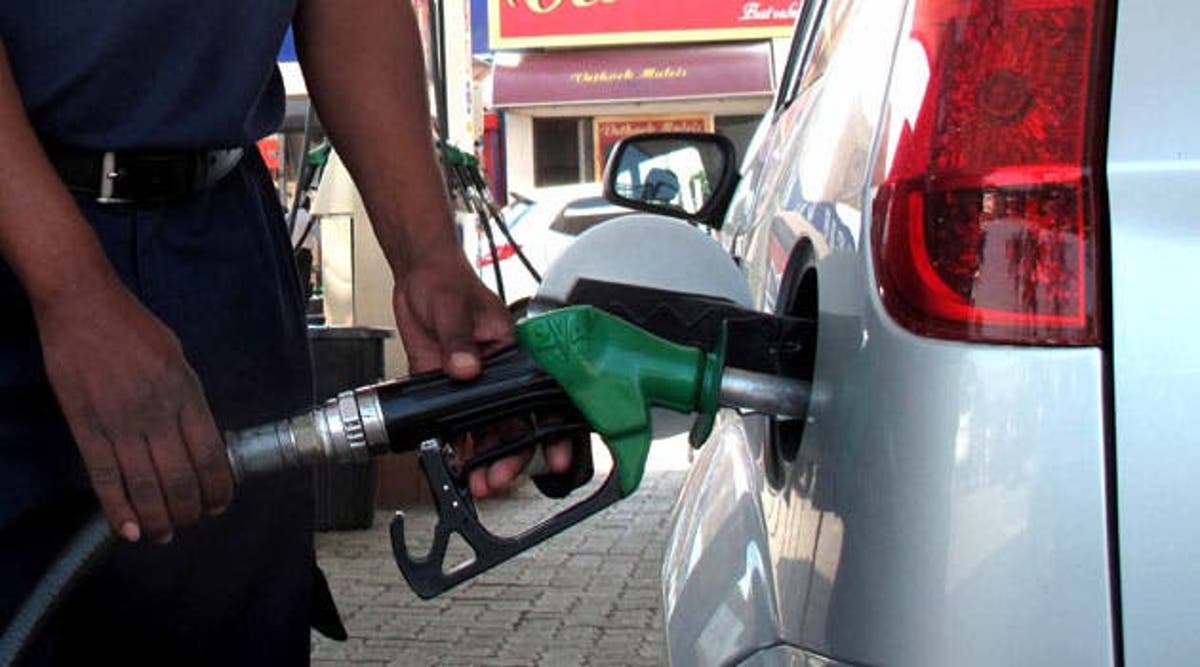
Fuel costs in Egypt have surged sharply after the government announced increases of up to 30 percent, blaming mounting global energy pressures linked to the ongoing Middle East conflict. The move, confirmed by the Egyptian Ministry of Petroleum and Mineral Resources, reflects exceptional conditions in international energy markets that have driven up the cost of imports and domestic fuel production. (Africanews)
The price adjustments — which took effect early Tuesday, March 10, 2026 — apply to a range of petroleum products, including gasoline, diesel and natural gas used in vehicles, as well as cooking gas cylinders. Officials said disruptions to global supply chains, elevated risk levels, and rising shipping and insurance costs caused by the conflict have pushed petroleum product prices to levels not seen in years. (Africanews)
Under the new pricing structure:
- Diesel — increased by about 17.1 percent to EGP 20.50 per litre (from EGP 17.50)
- 80‑octane gasoline — up roughly 16.9 percent to EGP 20.75 per litre
- 92‑octane gasoline — rose about 15.6 percent to EGP 22.25 per litre
- 95‑octane gasoline — climbed around 14.3 percent to EGP 24 per litre
- Natural gas for vehicles — recorded the largest jump at 30 percent, reaching EGP 13 per cubic metre
- Butane gas cylinders — 12.5 kg now EGP 275 and 25 kg EGP 550 after increases
The ministry said the hikes stem from “exceptional global energy pressures” due to geopolitical tensions and the ongoing war in the Middle East. (Africanews)
READ ALSO:
- Viral Video Shows Children Armed With Guns in Borno, Sparking National Outrage
- Rivers West Senator Ipalibo Banigo Defects to APC, Citing PDP Crisis
- JUST IN: Dangote Refinery Cuts Petrol, Diesel Ex-Depot Prices Amid Market Relief
War, Markets and Egypt’s Economic Pressures
The fuel price surge comes as global oil markets remain volatile amid a war involving the United States, Israel and Iran that has disrupted supplies and raised energy costs worldwide. Oil briefly climbed above $119 per barrel before dipping following remarks by Donald Trump about a possible end to the conflict. (NST Online)
While Egypt’s recent price adjustments are in part a reaction to these external market shocks, they also reflect the country’s ongoing efforts to reduce energy subsidies and stabilise its economy under an International Monetary Fund (IMF)‑backed reform programme linked to an $8 billion loan. The latest increase is the fourth fuel price rise over the past two years as part of this strategy. (Africanews)
Impact on Households and Businesses
Economists warn the fuel price hikes will likely push up transportation costs, food prices, and inflation, placing further strain on Egyptian households already grappling with high living costs. Diesel, widely used by logistics and industrial sectors, is expected to drive higher freight and transportation charges. The move also raises concerns among consumer advocacy groups, who have urged the government to strengthen social protection measures for vulnerable Egyptians affected by rising fuel and energy costs. (Africanews)
Government’s Response and Future Outlook
Egypt’s petroleum ministry said it is closely monitoring market developments and will continue efforts to expand domestic oil and gas production to help reduce the country’s dependence on imports. Authorities also stressed that ensuring energy security and market stability remains a priority amid ongoing global uncertainties. (EgyptToday)
The fuel price hikes underscore how global geopolitical tensions can quickly translate into economic challenges at home, especially for fuel‑importing countries like Egypt, where energy costs are deeply tied to international market movements and currency fluctuations. (Reuters)
Egypt Raises Fuel Prices Up to 30% as Middle East War Drives Global Energy Costs
Africa
US to Designate Sudanese Muslim Brotherhood as Terrorist Organisation
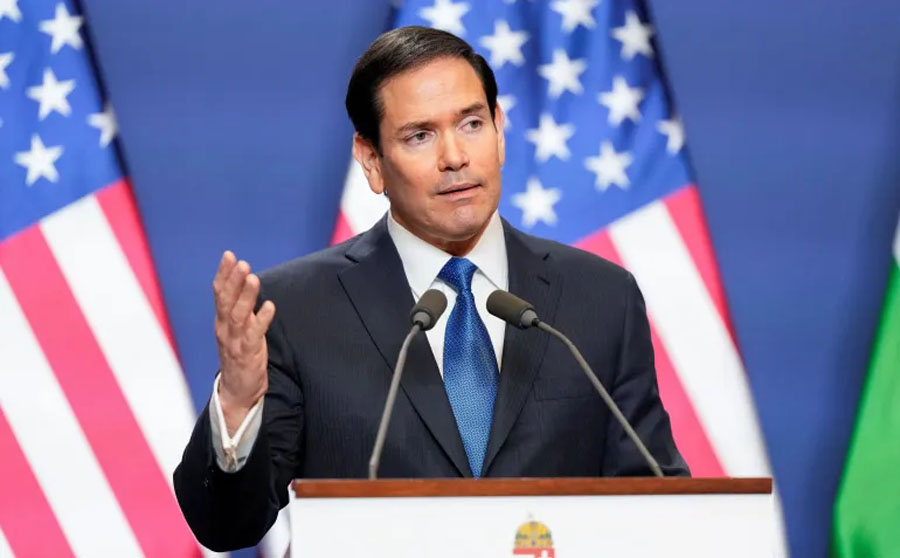
US to Designate Sudanese Muslim Brotherhood as Terrorist Organisation
The United States Department of State has announced plans to designate the Sudanese Muslim Brotherhood as a terrorist organisation, a move aimed at targeting armed actors accused of fuelling Sudan’s ongoing civil conflict. The designation will take full effect on March 16, 2026, according to a press statement released on Monday by U.S. Secretary of State Marco Rubio.
Rubio said the group had already been placed on the Specially Designated Global Terrorist (SDGT) list and will soon be added to the Foreign Terrorist Organization (FTO) list. “Today, the Department of State is designating the Sudanese Muslim Brotherhood as a Specially Designated Global Terrorist and intends to designate the group as a Foreign Terrorist Organization, effective March 16, 2026,” Rubio stated.
The designation targets both the political and armed wings of the Sudanese Muslim Brotherhood, including the al‑Baraa Bin Malik Brigade, which was previously sanctioned under Executive Order 14098 in September 2025 for its involvement in Sudan’s brutal civil war. U.S. officials allege that the group has conducted mass executions, kidnappings, and other acts of violence against civilians while promoting a violent Islamist ideology.
READ ALSO:
- NRC Investigates Assault Allegation Against UI Lecturer at Moniya Station
- Nigerian Army Suffers Loss as Senior Officer Dies in ISWAP Attack
- Qatar Arrests Over 300 for Sharing Misleading Iran Attack Images
The U.S. also accused Iran’s Islamic Revolutionary Guard Corps (IRGC) of providing training, funding, and support to the Sudanese Muslim Brotherhood’s armed elements. Rubio described the IRGC as “the world’s leading state sponsor of terrorism” and warned that the United States will use all available tools to cut off resources and support networks for both Iran and extremist organisations linked to the Sudanese Muslim Brotherhood.
Under the designation, Americans are prohibited from providing material support to the group, and U.S. financial institutions are required to freeze assets linked to the organisation. International partners who knowingly support the group may also face U.S. sanctions. The action is taken under Section 219 of the U.S. Immigration and Nationality Act and Executive Order 13224, which empower the U.S. government to sanction individuals and organisations involved in terrorism.
The announcement comes amid Sudan’s protracted civil war, which has displaced millions and triggered widespread humanitarian crises since April 2023. Analysts say the designation could restrict the group’s ability to operate internationally and cut off critical funding channels, while also signaling a tougher U.S. stance on terrorism in Africa and the Middle East.
Regional observers note that the move may complicate peace negotiations, as armed factions might resist dialogue once formally labelled terrorists. However, U.S. officials argue that the designation is critical to limiting the influence of armed Islamist networks, cutting off resources for violence, and protecting civilians in conflict zones.
The decision has received support from some international partners, including the United Arab Emirates, who emphasised that the measure will help deprive the terrorist organisation of resources and strengthen regional security and stability.
As Sudan’s civil war continues, the U.S. designation of the Sudanese Muslim Brotherhood represents a significant step in international counter-terrorism efforts, highlighting the linkages between local insurgencies and global extremist networks.
US to Designate Sudanese Muslim Brotherhood as Terrorist Organisation
Africa
Lawmaker Jailed for Mocking President in Facebook Post
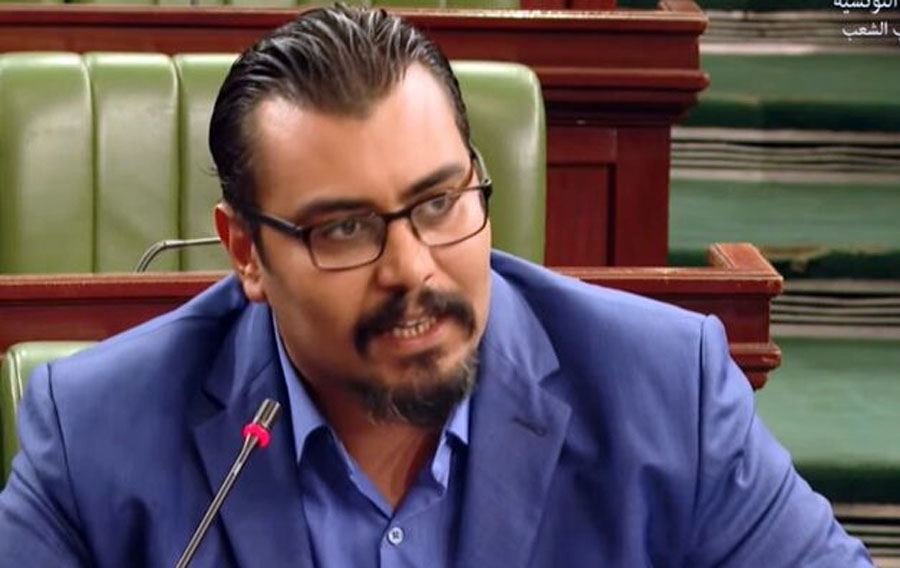
Lawmaker Jailed for Mocking President in Facebook Post
A Tunisian court has sentenced Ahmed Saidani, a sitting lawmaker, to eight months in prison for mocking President Kais Saied in a Facebook post linked to the president’s response to recent flood disasters in Tunisia.
The ruling was delivered on Thursday, deepening concerns over free speech, political repression, and shrinking civic space in the North African country.
Mr Saidani was arrested earlier this month after posting a sarcastic message reacting to Kais Saied’s visit to flood-hit communities. In the post, the lawmaker mocked the president’s public appearances, suggesting Saied had assumed the role of both national leader and sanitation official.
“It seems that the new title will be the Supreme Commander of sanitation and rainwater drainage,” Saidani wrote, adding that his comment was “not a mockery” of the president, but a reflection on governance priorities.
Prosecutors charged the lawmaker under Tunisia’s telecommunications law, which criminalises online insults and criticism made through digital platforms. The law allows for prison sentences of up to two years.
READ ALSO:
- Police to Arrest TikToker Mirabel After She Recants False Rape Claim
- Tinubu Reduces Reliance on U.S, Strengthens Defence Partnerships With Turkey, EU
- Again, Early Morning Blaze Destroys Dozens of Shops in Kano Market
Legal sources said the court found the post insulting to the head of state and ruled that it exceeded the bounds of protected political expression.
Political and Legal Context
The sentencing has sparked outrage among opposition figures, activists, and rights organisations, who argue that the case highlights an ongoing crackdown on dissent in Tunisia.
Mr Saidani was once a supporter of President Saied but later became a vocal critic, accusing the administration of centralising power, sidelining institutions, and suppressing opposing voices.
Since 2021, Tunisia has undergone sweeping political changes following President Saied’s decision to dissolve parliament and rule largely by decree. Critics say these moves have weakened democratic checks and emboldened the use of laws to silence critics, including lawmakers, journalists, and civil society actors.
Human rights advocates warn that the increasing use of criminal prosecutions for social media posts threatens political debate and accountability, particularly at a time when the country faces economic hardship, infrastructure failures, and climate-related disasters.
The government, however, maintains that all prosecutions are conducted within the law and insists that no one is above legal accountability.
Lawmaker Jailed for Mocking President in Facebook Post

-
 News2 days ago
Tinubu Approves Salary, Allowance Increase for Nigerian Armed Forces
-
 International2 days ago
Top 10 Strongest Militaries in the World in 2026 – Full Ranking
-
 metro1 day ago
Viral Video Shows Man Disarming Robbers After Minna Bank Heist, ₦10m Stolen
-
 Business2 days ago
NNPCL, Marketers Increase Petrol Price Again Within 24 Hours After Dangote Refinery Hike
-
 metro2 days ago
EFCC Intercepts Wife of Federal High Court Chief Judge With $160,000 Cash
-
 metro1 day ago
Tragedy in Ibadan as Woman, 26, Dies at Boyfriend’s Residence
-

 metro1 day ago
Students Escape as Four-Storey School Building Collapses in Lagos
-
 News2 days ago
Strait of Hormuz Crisis Threatens Nigeria’s Food Inflation Progress as Oil Prices Surge