
News
Fake COVID-19 vaccines in Nigeria, UK, others, Interpol warns

Nigeria, South Africa, the United Kingdom, the United States, and 190 other countries are at the risk of buying fake COVID-19 vaccines, the International Criminal Police Organisation (Interpol) has alerted.
It said these countries have come under the threat of organised criminal groups working to supply fake COVID-19 vaccines and steal genuine supplies.
Interpol raised the alarm as the UK Wednesday became the first country in the world to approve the Pfizer/BioNTech coronavirus vaccine for widespread use.
Already, Interpol said there had been a rise in the activities of the criminals who had started advertising and selling the fake COVID-19 vaccines, especially online.
The need for a vaccine has become more urgent with Nigeria recording over 67,000 COVID-19 infections and over 1,000 associated fatalities, according to the Nigeria Centre for Disease Control.
The World Health Organisation (WHO) has so far identified 49 “candidate vaccines” at the stage of clinical trials in humans.
Hopes are high that shots could be ready for use before the end of the year as two frontrunner vaccines – by Moderna and BioNTech/Pfizer – already reported that phase 3 trials for their mRNA vaccine showed 95 per cent efficacy in preventing Covid-19 symptoms and did not produce adverse side effects among thousands of volunteers.
In a statement on Wednesday titled, ‘Interpol warns of organised crime threat to COVID-19 vaccines’, Interpol Secretary General, Jürgen Stock stated, “As governments are preparing to roll out vaccines, criminal organisations are planning to infiltrate or disrupt supply chains.”
Stock said there was a need for coordination between law enforcement and health regulatory bodies to ensure the safety of individuals and wellbeing of communities are protected.
He also said, “Criminal networks will also be targeting unsuspecting members of the public via fake websites and false cures, which could pose a significant risk to their health, even their lives.
“It is essential that law enforcement is as prepared as possible for what will be an onslaught of all types of criminal activity linked to the COVID-19 vaccine, which is why Interpol has issued this global warning.”
According to him, 3,000 websites associated with online pharmacies are suspected of selling fake medicines and medical devices.
He advised residents of Interpol 194 member countries to take special care when going online to search for medical equipment or medicine.
Meanwhile, British Prime Minister Boris Johnson hailed the “fantastic” news of the vaccine approval, while urging the public to remain cautious on the day that England exited a four-week lockdown and re-imposed regional curbs.
“It’s the protection of vaccines that will ultimately allow us to reclaim our lives and get the economy moving again,” he said.
Health secretary Matt Hancock said that starting with care home residents and health and care staff, Britain’s state-run National Health Service will begin with 800,000 doses “early next week”.
That will be ramped up to “millions” of inoculations by the end of the year. Help is on its way,” he told BBC radio.
The breakthrough will encourage hopes the world can finally get back on course in 2021 after a year of traumatic losses, both human and economic.
The novel coronavirus has killed nearly 1.5 million people since the outbreak emerged in China 12 months ago. At least 63 million cases have been registered.
Pfizer Chief Executive, Albert Bourla, said the UK certification was a “historic moment in the fight against COVID-19”.








News
US Embassy Suspends Abuja Visa Appointments Over Security Concerns

US Embassy Suspends Abuja Visa Appointments Over Security Concerns
The United States Embassy in Nigeria has suspended visa appointments in Abuja following heightened security concerns, a move that has disrupted travel plans for hundreds of applicants in Abuja.
In an official notice released via its communication channels, the embassy confirmed that all visa interviews in Abuja have been cancelled until further notice, urging affected applicants to check their emails for updates on rescheduled appointments.
“U.S. Embassy Abuja is closed for visa appointments. Applicants should check their email for details on rescheduled appointments,” the statement read. It added that visa services in Lagos remain operational at the United States Consulate General Lagos, providing an alternative for applicants who can access the facility.
The embassy further clarified that American citizen services in Abuja will continue only in emergency situations and strictly by appointment, indicating a temporary scale-down of operations in the capital.
READ ALSO:
- ADC Crisis: Mark-Led Faction Sues INEC Over Party Leadership Removal
- Dangote Sugar Warns Staff Over Chewing Sugarcane, Threatens Arrest
- Jetour set to ignite Lagos with four-day automotive experience
The suspension follows a recent directive by the United States Department of State authorising the departure of non-essential staff and their families from Abuja, citing a deteriorating security situation in Nigeria.
An updated U.S. travel advisory has also placed Nigeria under a “Level 3: Reconsider Travel” status, warning of persistent threats including terrorism, kidnapping, crime, and civil unrest. Several states have been categorised under the stricter “Level 4: Do Not Travel” advisory due to high-risk security conditions.
States listed include Borno State, Yobe State, Taraba State, Niger State, Plateau State, and parts of Adamawa State, where threats linked to terrorism and kidnapping remain high. Other states such as Kaduna State, Katsina State, Zamfara State, and Sokoto State were also flagged over insecurity concerns.
The advisory has triggered reactions from the Federal Government of Nigeria, which described the assessment as “unbalanced” and not fully reflective of ongoing efforts to address insecurity nationwide. Authorities warned that such reports could negatively impact Nigeria’s global image and economic activities.
Despite the disruption in Abuja, visa processing and consular services continue in Lagos, offering a temporary alternative for applicants. However, the development is expected to cause delays in visa processing, particularly for students, business travellers, and individuals with urgent travel needs.
The US Embassy visa suspension in Abuja highlights the broader impact of security challenges on diplomatic operations and international travel, as uncertainty remains over when normal services will resume in the capital.
US Embassy Suspends Abuja Visa Appointments Over Security Concerns
News
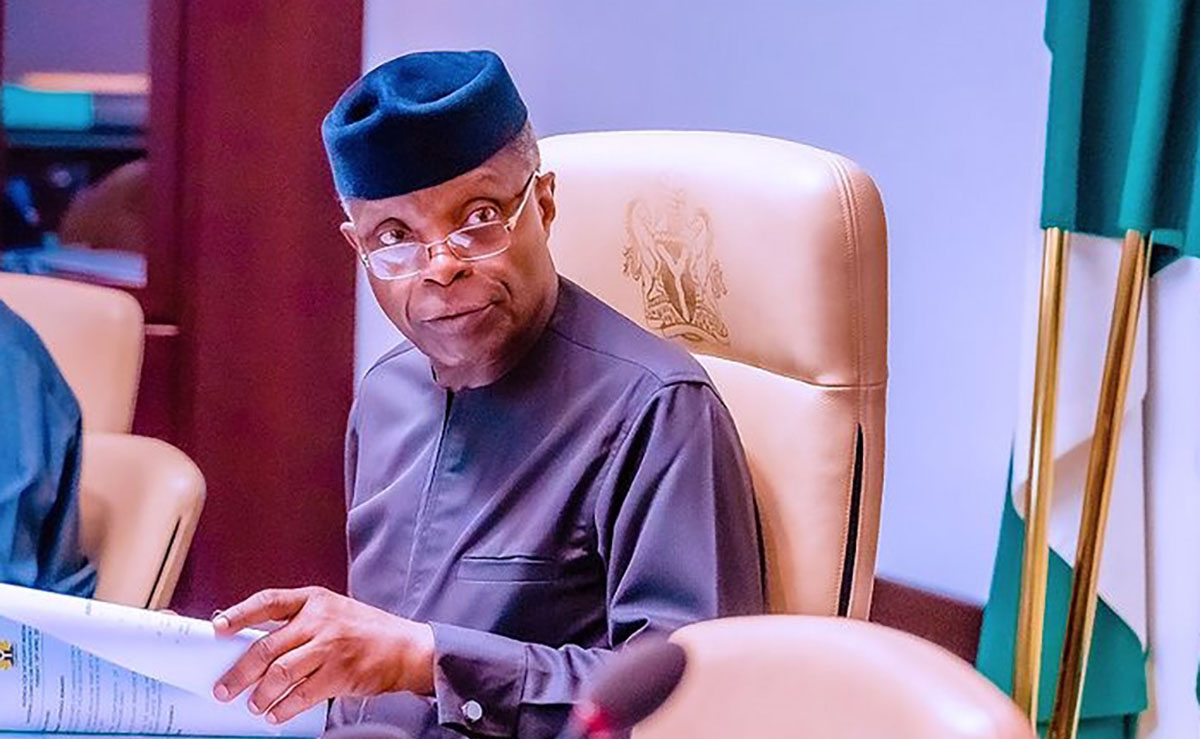
Yemi Osinbajo Appointed Senior Strategic Adviser to Africa CDC
Yemi Osinbajo Appointed Senior Strategic Adviser to Africa CDC
Former Nigerian Vice-President Yemi Osinbajo has been appointed as Senior Strategic Adviser to the Director-General of the Africa Centres for Disease Control and Prevention (Africa CDC), as the agency pushes forward the continent’s Africa Health Security and Sovereignty (AHSS) agenda.
The appointment, announced on Monday, comes at a critical time as Africa CDC seeks to enhance health systems, boost domestic financing, expand local production of medical supplies, and strengthen Africa’s influence in global health governance. In this role, Osinbajo will provide strategic guidance on pandemic preparedness, sustainable healthcare financing, policy direction, and continental collaboration.
Director-General Jean Kaseya praised Osinbajo’s wealth of experience, highlighting his expertise at the intersection of governance, finance, law, and diplomacy. “At a time when Africa must act with greater authority on the future of health, his leadership will be invaluable,” Kaseya said. He added that Osinbajo’s appointment reflects Africa CDC’s commitment to mobilising top African leadership in service of the continent’s health security and development.
READ ALSO:
- Veteran Nollywood Actor Davis Ofor ‘Clarus’ of New Masquerade Dies at 85
- Harry Maguire Signs New Manchester United Deal Until 2027
- Women in Plateau Block Burial of 28 Palm Sunday Attack Victims Over Arrests
Osinbajo served as Nigeria’s Vice-President from 2015 to 2023, during which he chaired the Economic Sustainability Committee, contributed to reforms enhancing the ease of doing business, and played a key role in implementing Nigeria’s social investment programmes. Earlier, he was Attorney-General and Commissioner for Justice in Lagos State from 1999 to 2007. His legal and governance background positions him to offer critical insights on health policy, regulatory frameworks, and strategic partnerships.
The AHSS agenda, which Osinbajo will help drive, seeks to strengthen Africa’s self-reliance in health, improve disease surveillance, and foster regional collaboration to respond more effectively to pandemics and other public health emergencies. Experts say his advisory role will be crucial in promoting local production of vaccines and medical equipment, ensuring Africa can meet its own health needs while influencing global health decisions.
Africa CDC, operating under the African Union, aims to support member states in building resilient health systems capable of confronting future outbreaks and public health crises. Osinbajo’s appointment is expected to further amplify Africa’s voice in global health while ensuring sustainable health development across the continent.
Yemi Osinbajo Appointed Senior Strategic Adviser to Africa CDC
News
Iran Lists Tough Conditions for Peace Talks with US
Iran Lists Tough Conditions for Peace Talks with US
By Agency Report
Iran has outlined a set of strict preconditions for engaging in negotiations with the United States aimed at achieving a lasting peace, signalling a hardening of its stance amid ongoing hostilities in the Middle East.
According to a senior Iranian official who spoke to Reuters, Tehran is insisting on an immediate halt to U.S. military strikes, alongside firm guarantees that such attacks will not be repeated, as a prerequisite for any talks.
The official also disclosed that Iran is demanding compensation for damages suffered during the conflict, underscoring the country’s position that any future negotiations must address the consequences of the ongoing war.
In a further indication of its firm posture, Iran has rejected proposals for a temporary ceasefire, maintaining that only a comprehensive and permanent peace agreement would be acceptable.
Tehran is also pushing for new arrangements regarding the strategic Strait of Hormuz, including the right to impose transit fees on vessels passing through the vital global oil shipping route. The proposed fees, according to the official, would vary depending on the type of vessel, its cargo, and prevailing conditions.
The development comes amid intensified diplomatic efforts led by regional mediators, including Pakistan, to broker a ceasefire between the two sides. A U.S.-backed proposal for a 45-day truce has reportedly been put forward as a stepping stone toward broader negotiations, though Tehran has dismissed the idea as insufficient.
Tensions between the two countries remain high, with both sides holding firm to their positions. Analysts say Iran’s demands reflect a broader strategy to secure long-term guarantees and reshape the terms of engagement in the region, rather than accept short-term de-escalation measures.
With neither side showing signs of compromise, prospects for immediate negotiations appear uncertain, raising concerns about further escalation and its implications for global security and energy markets.
Iran Lists Tough Conditions for Peace Talks with US

-
 Africa1 day ago
ECOWAS Recruitment 2026: Over 30 Job Vacancies Open for Nigerians (How to Apply)
-

 metro2 days ago
2026 NYSC Batch A Stream II: Registration, Swearing-In Dates Announced
-

 Entertainment2 days ago
Saheed Osupa Defends Juju Use Amid Backlash From Islamic Clerics
-

 Politics1 day ago
Court Stops ADC Congress, Orders Status Quo in Leadership Row
-
 metro1 day ago
Boko Haram Attack in Borno: Brigadier-General, Soldiers Killed as ISWAP Overruns Military Base
-

 Health1 day ago
Sleeping Positions: How They Affect Your Health and Which Ones to Avoid
-
 metro1 day ago
US Evacuates Embassy Staff in Nigeria, Lists 23 States as ‘Do Not Travel’
-

 Entertainment2 days ago
Peller Sued for ₦400 Million by Former Tour Bouncer
You must be logged in to post a comment Login