

metro
Fear grips Kwara communities over influx of herders

Several communities in Kwara State are now reviewing their security strategies following the influx of herdsmen and their families from the neighbouring states of Oyo, Ekiti and Osun in the North-Central state.
The herders’ relocation arose from the ban on night grazing across the South-West, the quit order from government forest reserves in Ondo State, and the campaign against criminal herders in the Ibarapa area of Oyo State.
The ECOWAS Court of Justice, Abuja on Friday fixed April 12 for judgment in a suit filed by Socio-Economic Rights and Accountability Project (SERAP) seeking “justice and accountability for the authorities’ failure to prevent, account for and investigate killings, raping, maiming of Nigerians and other residents, and destruction of property across the country by herdsmen and other unknown perpetrators.”
A panel of discussants also asked government to take decisive action on the incessant clashes between farmers and herders in the country before the situation degenerates.
Residents of Ifelodun, Irepodun and Isin local government areas of Kwara State, according to investigation, are currently taking stock of their security arrangements with a view to checking any threat to life and property following the relocation of herders to the localities.
A group, Omo Ibile Igbomina, an association of Igbomina people, said that six trailer loads of herders arrived in the area penultimate Friday alone, causing anxiety among the people.
He said that even before the arrival of the new comers, farmers had always been clashing with herders who seemed to take delight in taking their cattle to graze on farms.
Spokesman for the Omo Ibile Igbomina, Oni Martin, said, “Farming remains foremost of our economic activities that has become endangered, arising from mindless criminality, impunity and wanton destruction of crops and human lives right on our ancestral soil.
“We had a day when these gang of heartless strangers killed our people in broad day light on a particular market day in Oro-Ago town, for instance.
“We have series of reports of herdsmen chasing out our farmers out of their farms, for daring to challenge them for feeding their beasts with their source of living.
“Worrisome enough, the herdsmen have appeared to make it a vogue to array themselves with terribly sharpened cutlasses, assault walking sticks and of course assault rifles.
“This intimidation and threat appeared worse on the farms as these strangers exhibit no reservation to make their beast comfortable to the sorrow of our farmers even to the point of terminating lives.
“All of the above has been our routine experience and the herdsmen have taken over our forests and farmlands with our people living in fear of being kidnapped or hacked down.
“With the above background, the national body of Omo Ibile Igbomina with all has been on consultations in a bid to arrest the ugly development.”
Continuing, Martin said, “All of a sudden on the 29th of January, 2021, we heard the news of the arrival of an uninvited army of more dreaded herdsmen, more ferocious looking than those we had been trying to manage. They came in six trailers to Igbomina land.
“Thank God for the vigilant patriots who intercepted them at the wee-hour of the day at a point between Buari and Okerimi Oro.
“Our people’s reaction was spontaneous and responsible: the Women Farmers Association in Oro stormed the palace of the Oloro of Oro to find a lasting solution to the situation.
“These people who were driven out from the Southwest states of Osun, Ogun, Ekiti and Oyo could not and will not be allowed to use any part of Igbomina land as their new abode. Igbomina will not concede an inch of her land to these unwanted visitors.
“In view of the above, it is our resolution that our community remains peaceful, law abiding but alert to security threats.
“Strangers should spontaneously be reported to our traditional rulers, and if unresolved, to the security agencies.
“Let our people go to the farm as a team and avoid staying late on the farm much less doing a lone ranger farming.”
Residents of Igbaja in Ifelodun local government area of the state also recently staged a peaceful protest at the palace of the traditional ruler of the ancient town, the Elesee, to draw attention to alleged intimidation and destruction of their farms by herders.
The head of the Fulani community in Igbaja, Mallam Abubakar Garba, said in an interview that some of the accusations were true, but implored the natives to be patient, saying deliberate efforts were being made to address the matter.
Garba expressed sadness over situation of security in the communities, calling for dialogue to ensure amicable resolution.
The state government also called for peace across the state.
Secretary to the State Government, Prof Mamman Sabbah Jubril, said, “In the light of some unfortunate developments in some neighbouring states, we urge our people not to entertain any fear as proactive measures have been, and are still being, taken to maintain peace and ensure security of lives and properties of every resident.
“The government is working with all the security agencies, directors of personnel management (DPMs) and the leadership of Miyetti Allah to strengthen the existing peace between various economic interests.”
He also said, “At the instance of His Excellency the Governor of Kwara State, the office of the SSG has held briefings with various stakeholders across the state on the need to ensure that all hands are on deck to protect lives and properties.
“The leadership of Miyetti Allah has also committed to disallow night grazing or cattle grazing by underage persons. Assisted by the security agencies, the DPMs across the 16 local government areas have been directed to work with local communities and legitimate herders to keep the peace.
“We therefore urge everyone to key into this peace building process and to avoid taking laws into their own hands or engage in activities that can undermine peaceful coexistence.”
FG using back channels to resolve crisis, says Lai Mohammed
Speaking on efforts by the Federal Government to resolve security challenge in the country, Information and Culture Minister, Lai Mohammed, said different approaches were being adopted.
One of such is what he called back channels; that is the use of a third party to broker peace.
He cited this week’s meeting between renowned Islamic scholar, Sheikh Abubakar Mahmoud Gumi, and bandits terrorising Zamfara State.
“When you want to resolve an issue like this, you use lots of back channels,” the minister said.
The minister spoke on TVC’s ‘This Morning’ show.
He added, “It is not unusual for a respected cleric to have the confidence of (approaching) outlaws or bandits.
“As a matter of fact, they are probably ready to listen to him more than they are ready to listen to the government. They are probably ready to believe him more.”
-The Nation






metro
MURIC Applauds Army as Mogadishu Cantonment Mosque Reopens After Week-Long Closure
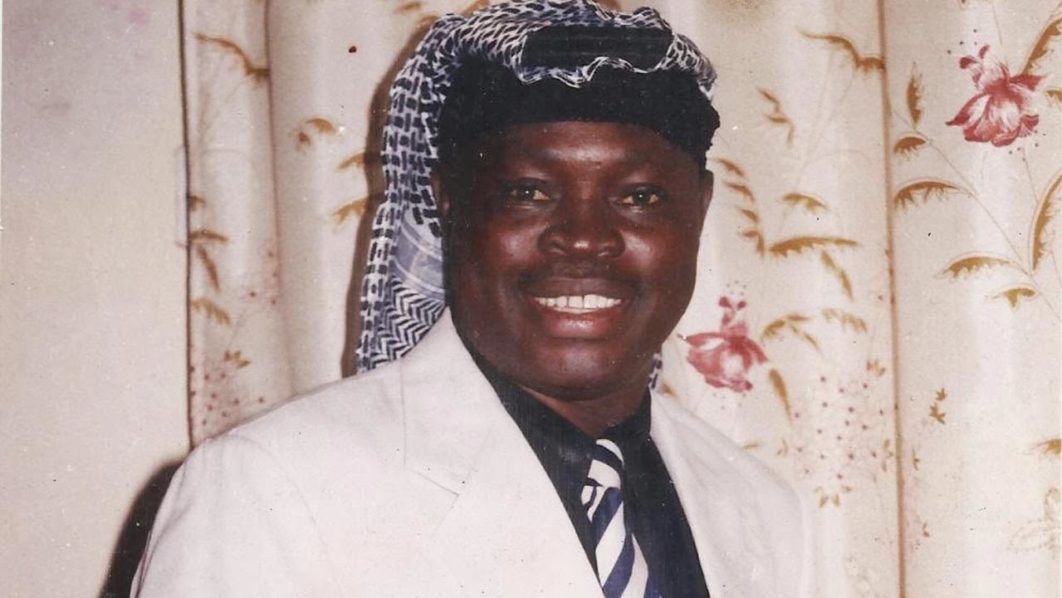
The Muslim Rights Concern (MURIC) has commended the Nigerian Army Headquarters and the commandant of Mogadishu Cantonment for reopening a mosque used by Muslim soldiers and their families in Abuja after a week-long closure.
The Islamic human rights organisation said the mosque, which serves Muslim personnel and their families residing in military accommodation within the cantonment, was reopened on Tuesday, October 20, following an appeal by the group.
MURIC’s Executive Director, Professor Ishaq Akintola, disclosed this in a press statement issued on Sunday, October 25, 2026, describing the reopening as a welcome development that demonstrated the importance of dialogue and cooperation in resolving religious concerns.
According to Akintola, the mosque had been closed since October 12, preventing Muslim soldiers and their families living within the military facility from using it for their daily prayers.
He said MURIC had earlier appealed to the Army Headquarters and the cantonment authorities to explain the reason for the closure and restore access to the mosque for worshippers.
The organisation expressed concern over the disruption of daily prayers and urged the military authorities to address the matter.
Akintola said the mosque’s reopening on October 20, the same day MURIC publicly raised the issue, brought relief to the organisation and affected worshippers.
READ ALSO:
- Atiku Condemns Attack on Edo Comedian Over Refusal to Support Tinubu
- US Declares Two Nigerians Wanted Over $3.1m Medicare Fraud, Drug Offences
- Tibet in Mourning: 7.0 Quake Kills 16, Injures 76 as Rescue Teams Race Against Time in Nagqu
He described the development as an indication that concerns raised through dialogue and peaceful engagement could receive prompt attention from relevant authorities.
MURIC said it appreciated the response of the Army Headquarters and the cantonment commandant, praising what it described as the professionalism of the military leadership and its respect for the rule of law.
The organisation also expressed optimism that the resolution of the matter would strengthen public confidence in the military and encourage constructive engagement between religious communities and security institutions.
According to Akintola, cooperation between the military and Muslim communities is particularly important in addressing terrorism, insurgency and other security challenges facing the country.
He argued that mutual understanding and goodwill between the armed forces and civilians would help strengthen collective efforts to combat insecurity.
MURIC therefore urged Muslims across Nigeria to cooperate fully with military personnel and other security agencies, stressing the importance of public support in the fight against crime and insurgency.
The organisation maintained that peaceful engagement remained essential to resolving disagreements and preventing issues involving religious practice from escalating into wider disputes.
Although MURIC welcomed the reopening of the mosque, its statement did not disclose the reason for the initial closure or whether the Army Headquarters had issued a separate explanation.
The development followed MURIC’s earlier public appeal to the military authorities to explain the closure and reopen the facility.
The organisation’s latest statement focused on appreciating the authorities for restoring access to the mosque and encouraging continued cooperation between Muslims and the military.
MURIC, which advocates the protection of Muslim rights and promotes dialogue as an alternative to violence, said the outcome offered encouragement that concerns could be addressed through peaceful and constructive engagement.
The organisation concluded by urging Nigerians to support security agencies in their efforts to maintain peace and reduce crime across the country.
MURIC Applauds Army as Mogadishu Cantonment Mosque Reopens After Week-Long Closure
metro
US Declares Two Nigerians Wanted Over $3.1m Medicare Fraud, Drug Offences
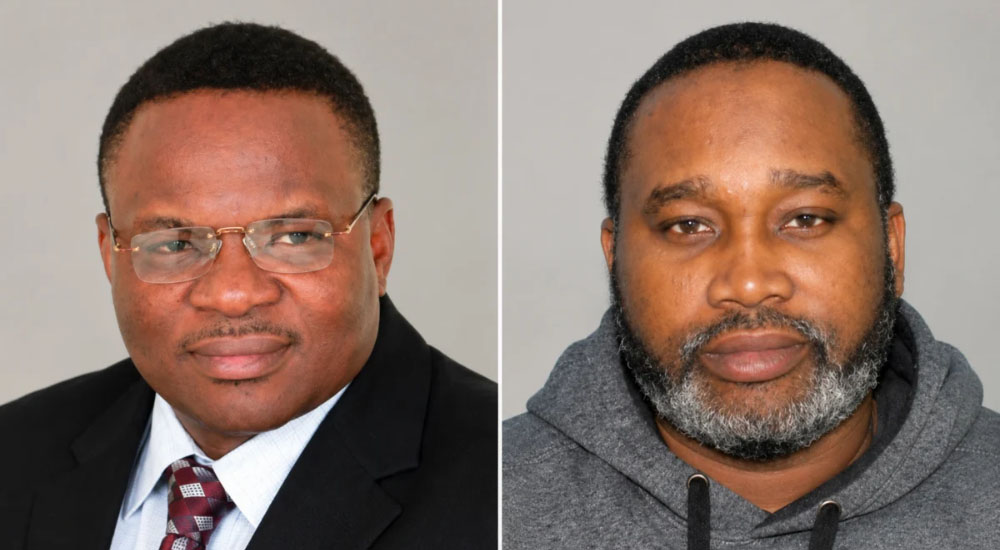
US Declares Two Nigerians Wanted Over $3.1m Medicare Fraud, Drug Offences
The United States government has listed two Nigerian men, Ezechukwu Joshua Ohaka and Tayo Muyiwa Olukoya, as wanted over separate allegations involving healthcare fraud and drug-related offences.
The two men were listed by different US federal law enforcement agencies, with Ohaka accused of participating in a scheme involving more than $3.1 million in fraudulent Medicare claims, while Olukoya is wanted over an alleged conspiracy to distribute controlled substances.
According to information released by the US Department of Health and Human Services Office of Inspector General, Ohaka, 57, allegedly worked with co-conspirators through his Houston-based company, Luant & Odera, Inc., to submit fraudulent claims for durable medical equipment.
The equipment included power wheelchairs, motorised scooters and wheelchair accessories that investigators alleged were medically unnecessary or were not supplied to beneficiaries.
The agency said the alleged scheme involved more than $3.1 million in claims, with approximately $1.08 million in proceeds reportedly obtained.
READ ALSO:
- Tibet in Mourning: 7.0 Quake Kills 16, Injures 76 as Rescue Teams Race Against Time in Nagqu
- Tope Alabi Threatens Pastor With Lawsuit Over Toluwanisings’ Death Claims
- Borno: Troops Kill 15 Terrorists in Midnight Air Strike
Investigators also alleged that Ohaka presented himself as a medical doctor under the name “Dr Joshua Ohaka” and targeted Medicare beneficiaries who had lived in areas affected by hurricanes Katrina and Rita.
The authorities further alleged that kickbacks were paid to recruit beneficiaries into the scheme.
The allegations concern possible fraud against Medicare, the US government-funded health insurance programme that primarily serves people aged 65 and older and certain younger people with qualifying disabilities or medical conditions.
In a separate case, the US Drug Enforcement Administration (DEA) listed Olukoya, 57, also known as “Uncle”, as wanted over an alleged conspiracy to possess controlled substances with the intention of distributing them and to distribute the substances.
The DEA’s Chicago Division announced that it was seeking information about Olukoya, whose case is associated with the Southern District of Indiana.
Olukoya had previously been named among defendants in a marijuana trafficking case announced by the US Attorney’s Office for the Southern District of Indiana in May 2022. Prosecutors at the time alleged that the wider operation involved the distribution of large quantities of marijuana across several US states between 2016 and 2022.
However, the latest DEA wanted notice does not, by itself, establish that the allegations have been proven in court.
The two cases involve separate investigations, and there is no indication in the available reports that Ohaka and Olukoya were connected.
US authorities have called for information that could help locate the wanted men. The agencies have not established in the cited announcements that either man is currently in Nigeria.
The development comes amid continued efforts by US law enforcement agencies to pursue people accused of healthcare fraud, drug trafficking and other federal offences.
Both men are presumed innocent unless proven guilty in court.
US Declares Two Nigerians Wanted Over $3.1m Medicare Fraud, Drug Offences
metro
Borno: Troops Kill 15 Terrorists in Midnight Air Strike
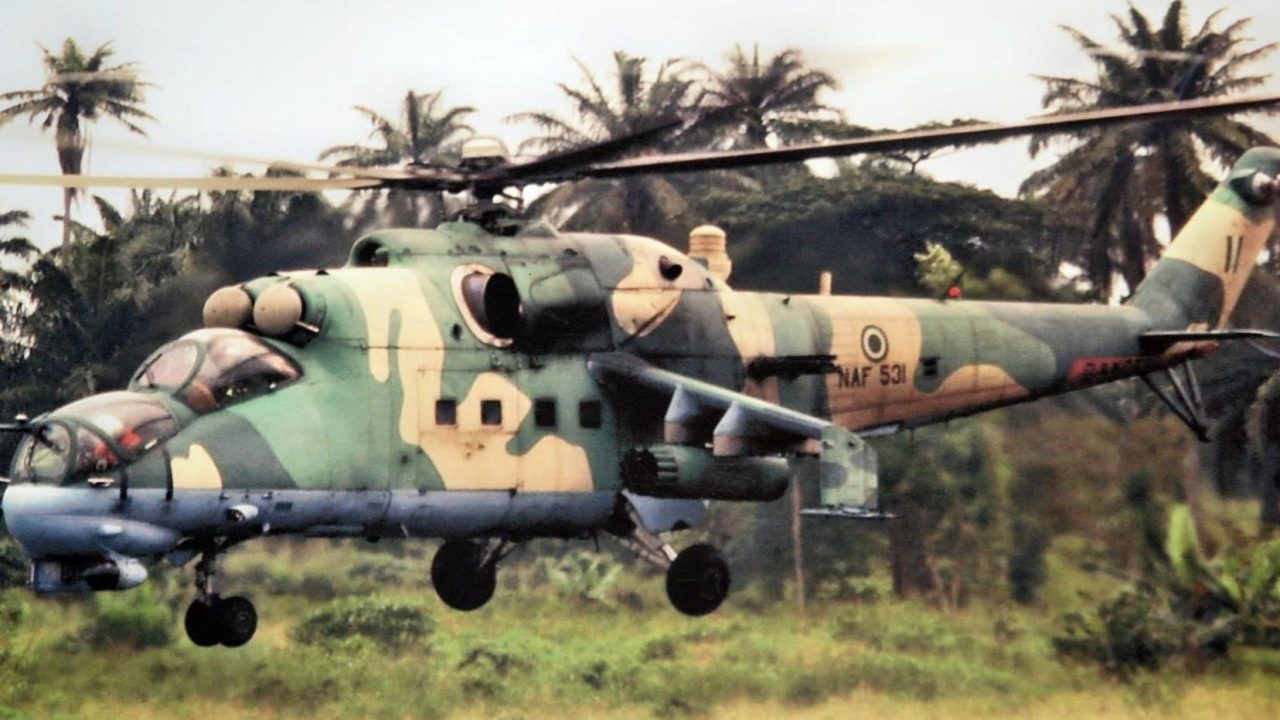
Borno: Troops Kill 15 Terrorists in Midnight Air Strike
Nigerian troops under Operation Hadin Kai have reportedly killed 15 terrorists in a precision air strike near Pulka in Gwoza Local Government Area of Borno State, as the military intensifies operations against insurgent groups in the North-East.
The operation, which took place at about 11:50 p.m. on Friday, October 23, 2026, followed intelligence reports and confirmed sightings of suspected terrorist movements in the area, according to the military.
The Acting Military Information Officer of the Joint Task Force (North-East), Operation Hadin Kai, Captain Mohammed Goni, disclosed the development in a statement issued on Saturday, October 24.
Goni said the air strike targeted suspected terrorists operating north-west of Pulka, a community in Gwoza Local Government Area, which has been affected by the prolonged insurgency in Borno State.
He explained that the operation was intelligence-led, with information gathered by security agencies helping to identify the suspected movements before the military launched the strike.
According to the statement, the air operation was followed by ground operations aimed at exploiting the targeted area and consolidating the gains recorded during the engagement.
The military said the combined deployment of intelligence and coordinated military capabilities was intended to disrupt terrorist movements, weaken their operational capacity and prevent them from threatening communities across the North-East.
Goni described the operation as part of the sustained offensive posture of troops under Operation Hadin Kai, which continues to target insurgent elements and restrict their freedom of movement across the region.
READ ALSO:
- 2027: APGA Chairman Says South-East Must Back Tinubu to Secure Igbo Presidency
- Adeleke, Oyetola in Focus as Report Reveals Osun APC Power-Sharing Plan
- Police Rescue Two Abducted Children in Suleja, Arrest Woman For Cutting Husband’s Manhood
He said the Theatre Command remained committed to defeating terrorism and insurgency, protecting law-abiding citizens and creating conditions for the return of normalcy and socio-economic activities in affected communities.
The military also assured residents that troops would sustain ongoing operations with vigilance, determination and professionalism.
However, the statement did not identify the terrorist group involved in the latest encounter or provide details about the identities of those reportedly killed. It also did not disclose whether any civilians or military personnel were injured or killed during the operation.
The military urged residents to continue providing security agencies with timely and credible information about suspicious movements and activities, stressing that cooperation between civilians and security forces remained essential to achieving lasting peace in the North-East.
The latest operation adds to the ongoing military campaign against insurgency in Borno State, where security forces continue to conduct offensive operations aimed at weakening armed groups and improving security in vulnerable communities.
Although the military described the strike as an operational success, further details about the outcome of the subsequent ground operations were not immediately available.
Borno: Troops Kill 15 Terrorists in Midnight Air Strike
-

 metro3 days ago
Police Arrest Man Over Fake Presidency Number Plate in Abuja
-
 International3 days ago
Two Killed, Eight Injured as Attack Hits Saudi Arabia Airport
-

 News1 day ago
EFCC Opens Recruitment for Nigerians, Sets Age Limits for Four Job Categories
-

 metro3 days ago
Woman Arrested for Torching Ex-Boyfriend’s Home in Fit of Jealous Rage
-

 Opinion3 days ago
Saudi Executions: Truth Behind Viral Kissing Claim
-

 Politics3 days ago
‘People Are Hungry’ Is Not a Manifesto, Nya-Etok Tells Atiku, Obi
-
 News1 day ago
41 Days in Bandits’ Den: Five Islamic Clerics Still Held After Tinubu Re-Election Prayer Trip
-

 News3 days ago
FG Moves Against Filling Stations Short-Changing Nigerians With False Measurements
You must be logged in to post a comment Login