
Health
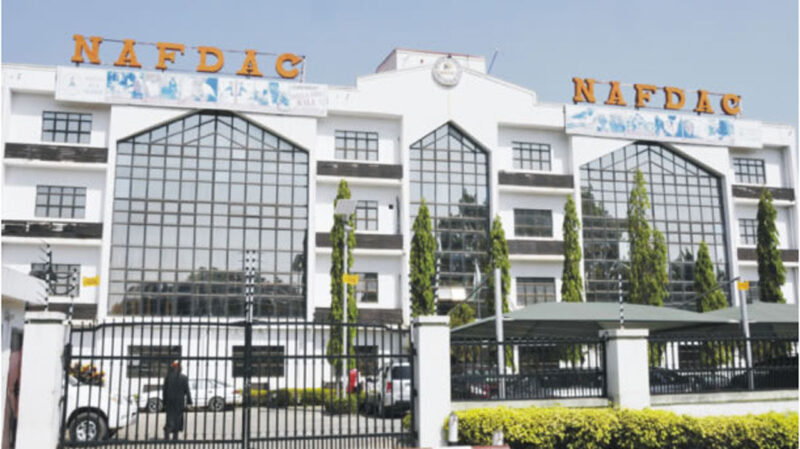
Growlyn drops can kill – NAFDAC
Growlyn drops can kill – NAFDAC
The National Agency for Food and Drugs Administration and Control (NAFDAC) has announced the international safety recall of a batch of Growlyn Drops 50ml after lab tests showed the drug contains ethylene glycol and diethylene glycol levels that exceed the required amount.
NAFDAC echoed the United Arab Emirates Ministry of Health and Prevention (MOHAP)’s safety recall in the first week of November.
Diethylene glycol is a chemical substance used in manufacturing as a solvent. It becomes a poisonous contaminant when it exceeds defined toxic doses.
Growlyn Drops 50ml for babies is manufactured by Aeon Formulations Pvt. Limited in India with batch number ADGR 2201. The affected products were manufactured as far back as March 2022.
“Laboratory analysis conducted on the product by MOHAP Quality Control Laboratory showed that Ethylene Glycol (EG) and Diethylene Glycol (DEG) exceeded the required amount,” NAFDAC’s statement read in part.
READ ALSO:
-
Man United’s Marcus Rashford’s brother ‘runs into trouble’ in US
-
Man arrested by EFCC for stealing spends 13 years in prison awaiting trial
-
Why ‘Eniola’ disguises as lady – Mum of physically-challenged hawker
“Growlyn Drops is a dietary supplement that helps to boost immunity and promote healthy growth and development in babies.
“Diethylene glycol and ethylene glycol are toxic to humans when consumed and can prove fatal. Toxic effects can include abdominal pain, vomiting, diarrhea, inability to pass urine, headache, altered mental state, and acute kidney injury which may lead to death.
“Although the product is not in the NAFDAC database, importers, distributors, retailers, and consumers are advised to exercise caution and vigilance within the supply chain to avoid the importation, distribution, sale, and use of substandard (contaminated) syrups. All medical products must be obtained from authorized/licensed suppliers. The products’ authenticity and physical condition should be carefully checked.
“Anyone in possession of the above-mentioned product is advised to immediately discontinue the sale or use and submit stock to the nearest NAFDAC office. If you have used this product on your baby, or someone you know has used it or suffered any adverse reaction/event after use, you are advised to seek immediate medical advice from a qualified healthcare professional.”
Growlyn drops can kill – NAFDAC







Health
Men Encouraged to Ejaculate More to Reduce Prostate Cancer Risk
Men Encouraged to Ejaculate More to Reduce Prostate Cancer Risk
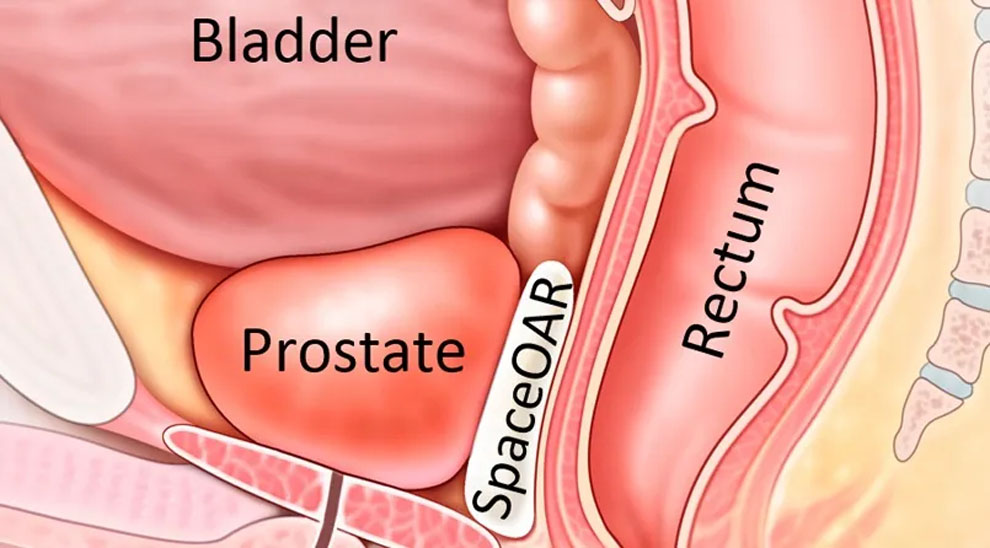
A new health initiative by FCancer is encouraging men to increase ejaculation frequency as part of broader efforts to protect prostate health. Branded “Beat Cancer Off,” the campaign promotes at least 21 ejaculations per month, citing research that links higher ejaculation frequency with a lower risk of prostate cancer.
The recommendation is based on a long-term study tracking over 50,000 men since 1986, led by Dr. Lorelei Mucci, a professor of epidemiology at the Harvard T.H. Chan School of Public Health. The research found that men who ejaculated 21 or more times per month had a 19–22% lower risk of prostate cancer than men with lower frequencies. Even men who ejaculated around eight times per month showed modest reductions in risk, demonstrating a potential benefit across a range of activity levels.
While the exact biological mechanisms are still under study, experts believe that frequent ejaculation may help flush out carcinogens, reduce inflammation, or influence gene expression in prostate tissue. Dr. Mucci emphasised that the “21 times” figure is a statistical benchmark rather than a strict requirement, and the key takeaway is that more frequent ejaculation may offer a protective effect.
READ ALSO:
- Fire Engulfs Yaba Market in Lagos, Traders Suffer Huge Losses
- JAMB Debunks 2026 UTME Postponement Rumour, Issues Fraud Warning
- Gunmen Kill Three in Jos Community Hours After Tinubu Visit
FCancer co-founder Yael Cohen explained that the campaign uses humor to engage men in discussions about prostate cancer awareness and screening. “The goal isn’t just frequency — it’s about prompting men to talk to their doctor, get screened, and understand their personal risk,” she said. Cohen highlighted that while the message may seem lighthearted, it serves as a gateway to encourage men to take proactive steps in their health.
According to the American Cancer Society, prostate cancer is the second most common cancer in US men, with about 1 in 8 men diagnosed during their lifetime. It is also the second-leading cause of cancer-related death in men, behind lung cancer. Health experts caution that while ejaculation frequency may offer potential benefits, regular screenings, healthy lifestyle choices, and medical monitoring remain crucial for prevention and early detection.
Ultimately, the campaign seeks to break down barriers surrounding men’s health, highlighting a research-backed approach that combines both preventive habits and medical guidance. As Cohen notes, “It’s about putting your health in your own hands — literally — and then consulting your doctor to stay protected.”
Men Encouraged to Ejaculate More to Reduce Prostate Cancer Risk
Health
NAFDAC Raises Alarm Over Fake Cerelac Mixed Fruits, Wheat in Lagos

NAFDAC Raises Alarm Over Fake Cerelac Mixed Fruits, Wheat in Lagos
The National Agency for Food and Drug Administration and Control (NAFDAC) has issued a fresh public alert warning Nigerians about the circulation of counterfeit and unregistered Cerelac products in Lagos, raising serious concerns over infant health risks.
The agency disclosed that the alert followed a complaint received by Nestlé Nigeria Plc, the official Marketing Authorisation Holder (MAH) of Cerelac in Nigeria. The complaint involved a suspicious batch of Cerelac Mixed Fruits and Wheat bearing Batch Code 308002910, allegedly manufactured by Nestlé Spain.
According to NAFDAC, the complainant reported that the product emitted a strange odour resembling fuel contamination, raising immediate red flags about its safety.
Further investigation by Nestlé Nigeria revealed that although the product displayed an expiry date of October 2026, it had in fact already expired—indicating that the date had been tampered with or revalidated, a common tactic used in the distribution of counterfeit food items.
NAFDAC’s Post Marketing Surveillance (PMS) Directorate subsequently carried out an inspection at Maxland Shopping Centre, Ago Palace Way, Okota, Lagos, where the product was originally purchased. During the operation, officials discovered the fake Cerelac products on sale and immediately mopped them up from circulation.
READ ALSO:
- Lamine Yamal Fires Back: “Mocking Religion Makes You Ignorant, Racist”
- Power Crisis Looms as NLC Shuts AEDC, Protests Sack of 900 Workers
- Fresh Killings, Panic as Curfew Relaxation Backfires in Jos
The agency also highlighted a key distinguishing feature to help consumers identify the counterfeit product:
- Fake product: Uses a hyphen (-) in date formatting
- Original product: Uses a slash (/) in date formatting
NAFDAC noted that Nestlé Nigeria Plc is not aware of the distribution channels through which the counterfeit products entered the Nigerian market, raising further concerns about supply chain breaches.
The regulatory body warned that fake baby food products may lack essential nutrients, vitamins, and minerals, potentially leading to stunted growth, developmental complications, or severe health consequences, including death in extreme cases.
To curb the spread, NAFDAC has directed all its zonal directors and state coordinators nationwide to intensify surveillance and ensure the removal of any revalidated or falsified Cerelac products from circulation.
The agency also urged distributors, retailers, healthcare professionals, and caregivers to remain vigilant and avoid dealing in unverified products.
Consumers and healthcare workers are encouraged to report any suspicious products to the nearest NAFDAC office or through official channels, including the agency’s hotline and email reporting system.
NAFDAC reiterated its commitment to ensuring the quality, safety, and efficacy of regulated products, stressing that it will continue aggressive monitoring to protect public health.
NAFDAC Raises Alarm Over Fake Cerelac Mixed Fruits, Wheat in Lagos
Health
Kidney Failure: Experts Warn Nigerians to Drink Water, Exercise, Rest

Kidney Failure: Experts Warn Nigerians to Drink Water, Exercise, Rest
At 42, Chinedu never imagined that frequent soft drink consumption, lack of sleep, and untreated high blood pressure could threaten his life. By the time symptoms appeared, his kidneys were already failing, and the cost of treatment—running into nearly ₦1 million monthly for dialysis—was far beyond his reach.
Chinedu’s story reflects a growing health crisis in Nigeria, where dozens of patients arrive at hospitals daily unaware they are battling Chronic Kidney Disease (CKD). Experts warn that the disease often progresses silently, with symptoms only appearing at advanced stages when treatment becomes difficult, expensive, and emotionally draining.
According to Dr. Nmadu Danladi, Consultant Nephrologist at the Federal Medical Centre Ebute Metta, kidneys are “silent workers” that many people ignore until it is too late. He explained that unlike other organs, kidney problems rarely show early warning signs, which is why late presentation is common.
He described kidney failure as devastating on multiple levels—physically, emotionally, and financially—not just for patients but also for their families, who often bear the cost of long-term care.
Medical experts attribute the rising burden of kidney disease to lifestyle-related conditions such as Hypertension and Diabetes Mellitus, both of which are leading causes of kidney damage globally. Poor dietary habits, including excessive salt intake, high consumption of processed foods, and sugary drinks, are also major contributors.
READ ALSO:
- Nigeria Power Sector Crisis: DisCos Lose ₦2.3trn as Blackouts Intensify
- Iran Threatens to Shut Strait of Hormuz as US Ultimatum Escalates Regional Tensions
- Baba Ijesha Speaks Out After Prison Release, Denies Sexual Assault Conviction
To reduce the risk, nephrologists recommend five key lifestyle measures: drink plenty of water, get adequate rest, exercise regularly, reduce salt and red meat intake, and undergo routine medical check-ups. These simple habits, they say, can significantly lower the chances of developing kidney disease.
Hydration, in particular, plays a critical role in maintaining kidney function. Experts advise that men should consume about 2.7 litres of water daily and women about 2.5 litres, with higher intake recommended in hot weather conditions common across Nigeria—sometimes up to 3.5–4 litres daily.
They stress that early detection remains the most effective way to prevent irreversible damage. Kidney disease can often be managed in its early stages through medication and lifestyle adjustments, preventing progression to full kidney failure.
Globally, the World Health Organization (WHO) has consistently warned about the rising prevalence of kidney disease, particularly in low- and middle-income countries where access to treatment is limited and expensive.
In Nigeria, the cost of managing kidney failure remains a major challenge. Dialysis sessions typically cost between ₦40,000 and ₦50,000 per session, with patients requiring multiple sessions weekly to survive. This places treatment far beyond the reach of many households.
However, government interventions are beginning to offer some relief. At the Federal Medical Centre, Ebute Metta, dialysis has been subsidised to about ₦12,000 per session, significantly reducing the burden on patients.
Despite this, demand continues to rise. The hospital now conducts between 300 and 350 dialysis sessions monthly, averaging 20 to 25 sessions daily, while recording two to three new emergency kidney failure cases every day—a trend experts describe as alarming.
Health professionals also warn against the abuse of over-the-counter painkillers, which can damage the kidneys when used excessively, as well as untreated infections and herbal remedies of unknown composition.
They emphasise that World Kidney Day, observed every second Thursday in March, serves as a reminder of the importance of kidney health and early screening.
Ultimately, experts agree that prevention is far more affordable and effective than treatment. With kidney disease often progressing unnoticed, Nigerians are urged to prioritise their health through proper hydration, healthy living, and regular medical checks.
They warn that without urgent lifestyle changes and increased awareness, the burden of kidney disease will continue to rise—placing more families at risk of devastating financial and emotional strain.
Kidney Failure: Experts Warn Nigerians to Drink Water, Exercise, Rest

-

 metro2 days ago
VeryDarkMan Dares Sowore Over Blord’s Kuje Prison Remand
-
 Business2 days ago
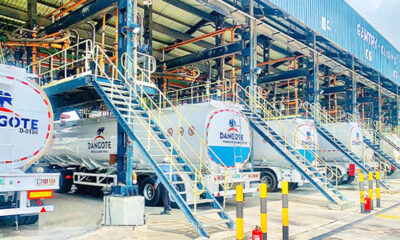
NNPC Boosts Crude Supply to Dangote Refinery to Address Rising Fuel Prices
-

 metro2 days ago
Nigerians to Enjoy Four-Day Break as FG Declares Easter Holidays
-

 metro1 day ago
Tinubu Approves 1,000 Forest Guards, Orders 5,000 CCTV Cameras to Boost Security in Plateau
-

 International1 day ago
Iran Announces ‘Bounty’ on US Pilots After Claiming Downing of Fighter Jet
-

 International2 days ago
Iran Fires Missiles at Israel After Trump Threatens Weeks of ‘Extremely Hard’ Strikes
-

 metro7 hours ago
Pastor Found Dead in Guest House After Night Out With Married Female Church Member
-

 Entertainment2 days ago
Madam Saje brokers peace in Akindele–Abraham feud