

metro
How we escaped from Sambisa Forest, by rescued Chibok girls

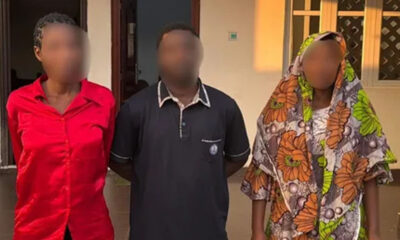
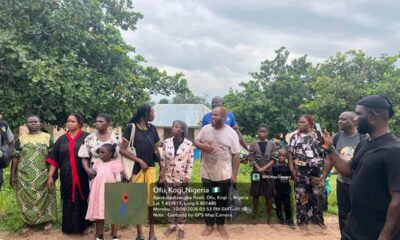
Marry Dauda and Hauwa Joseph, two rescued Chibok girls, have recounted their ordeal in the hands of Boko Haram when they were kidnapped in 2014 and forced into marriage eight years ago.
The two rescued girls abducted from the GGSS Chibok in Borno in 2014 disclosed that more than 20 missing others are still in Gazuwa camp in Sambisa Forest, eight years after being kidnapped by Boko Haram insurgents.
The Gazuwa camp is the acclaimed headquarters of the Jam’at Ahl as-Sunnah lid-Da’wah wal-Jihad, Boko Haram faction, formerly known as Gabchari, Mantari and Mallum Masari, located about nine kilometres to Bama Local Government Area of Borno.
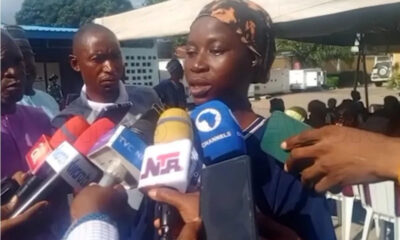
They disclosed this while interacting with newsmen on Tuesday in Maiduguri, at a news conference at the Command and Control Centre Maimalari Cantonment.
Marry Dauda, who recounted her experience in the hands of the insurgents, said she could still vividly recall her compulsory marriage eight years ago after she was abducted at the age of 18 years.
Dauda said that she walked through the deadly forest for many days before she found help.
Like the others conscripted by the militants, she had been told that she would be hunted down and killed if she deserted.
She said, “I took excuse from Malam Ahmed that I will be visiting my relative from Chibok in the town of Ngoshe and he gave me one week. That is when I began my journey for freedom.
“I left Sabil Huda, popularly known as the camp of Abubakar Shekau and proceeded towards Njimiya and Parisu, where I met some of the Mujahedeens. They asked where I was going to and I told them I was given permission to visit my sister in Ngoshe.
“I finally arrived at Gava village in Gwoza, after walking for many hours through the deadly forest under hardship condition. I asked some people to direct me to the home of a daughter of Chibok.
“After meeting her, I told her of my plans to return home. She told me she had wanted to come with me but her husband has placed her on strict surveillance for attempting to run. I then left her and proceeded toward Ngoshe town.
“On my way, I met an old man who promised to help me to escape. But he told me that it won’t be possible in the afternoon until the sun had set. At about 8pm, he took me to Ngoshe town and told me to pass the night in the outskirt of the town and proceed the next morning.
“When the day broke, I took myself to some soldiers where I was rescued with my baby,” she said.
On her part, Hauwa Joseph said she was forcefully married to Amir Abbah, Commander of Boko Haram (Munzul), at Gazuwa camp who was later killed during an encounter with the troops of the Nigerian Army.
She said that she voluntarily escaped from the camp of the terrorists during massive incursion of the troops of the Nigerian army into their camp in Gazuwa on June 12.
Joseph said as people were running the same direction where the sect members are hiding women and Children, she took a separate route to escape from the terrorists’ camp.
She said on her way, she met with some of the insurgents who asked her where she was going, but she tricked them and told them that she was following some women to hide in the nearby forest.
“I slept under the tree with my child, then proceeded the next day until I arrived on the road where I approached a military checkpoint. Initially, they thought I was a suicide bomber, but when I explained myself, they took me along with them.
She thanked the military for rescuing her, saying that she hoped other girls still in the camps of the terrorists would be rescued.
Maj. Gen. Christopher Musa, the Theartre Commander, Operation Hadin Kai North East Joint Operation, said that both girls were among the list of the missing Chibok girls.
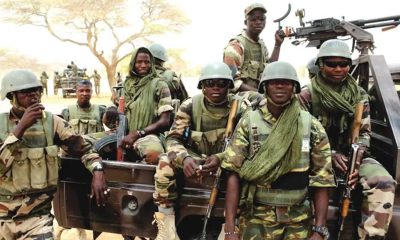
Musa said that the girls were rescued due to a massive military operation in Sambisa Forest, Mandara Mountain, and the Lake Chad area.
“We are putting more efforts to ensure that the rest of the girls are rescued through the ongiong Operation Lake and Desert Sanity,” he said.
Also, Major General Waidi Shuaibu, The General Officer Commanding (GOC) 7 Division of the Army, said the girls were rescued between June 12 and 14, around Bama and Gwoza general area.
Shuaibu said the girls had received necessary medical attention and would be handed over to the appropriate authorities shortly.
Boko Haram kidnapped 276 female students, aged between 16 and 18 from the Government Girls Secondary School in Chibok, Borno State in April 2014.
Over 100 of the girls were still missing as at April 14, 2021, seven years after the initial kidnapping.








metro
No Lives Lost as Responders Contain Dual Fire Outbreaks Across Lagos
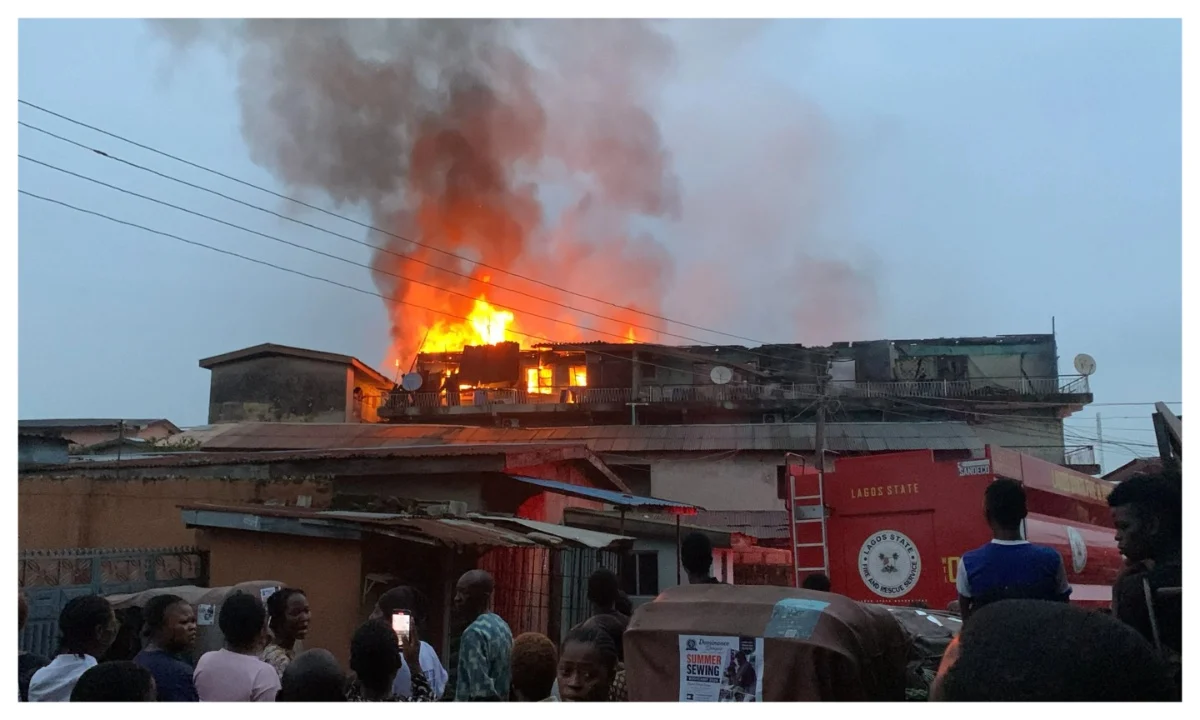
No Lives Lost as Responders Contain Dual Fire Outbreaks Across Lagos
Firefighters control blazes in Ikorodu and Surulere while clearing major highway obstructions over a busy emergency weekend.
Two separate fires destroyed several shops in Ikorodu and Surulere on Monday, causing significant property loss for local traders. Official reports confirm that while merchandise and equipment worth millions of naira were lost, no one was injured or killed in either incident.
The first incident occurred early Monday morning at Adamo Bus Stop in Ikorodu. Investigators found that faulty electrical wiring sparked on the roof of a salon, allowing flames to spread to two nearby stores.
Emergency teams arrived promptly to extinguish the fire and cool the surrounding structures so the flames would not return. Later that morning, another fire broke out on Olatunde Onimole Street in Surulere, destroying two retail spaces that housed a furniture business and a grocery store.
READ ALSO:
- ‘I Was Never the Chosen One’ — Dembele Responds to Mbappe
- Plateau Attacks: Gunmen Kill Passengers, 13 Dead Across Three LGAs
- 2027: Northern Lecturers Back Tinubu, ASUU Disowns Endorsement
Emergency teams also assisted drivers dealing with transit disruptions across the city, including towing disabled trucks off busy roads and aiding passengers after a commercial bus overturned on the Third Mainland Bridge.
LASEMA leadership praised the teamwork of police officers, paramedics, and traffic managers who kept the public safe. State authorities continue to remind shop owners and residents to inspect their electrical systems regularly and keep equipment properly maintained to protect their workplaces.
No Lives Lost as Responders Contain Dual Fire Outbreaks Across Lagos
metro
Plateau Attacks: Gunmen Kill Passengers, 13 Dead Across Three LGAs
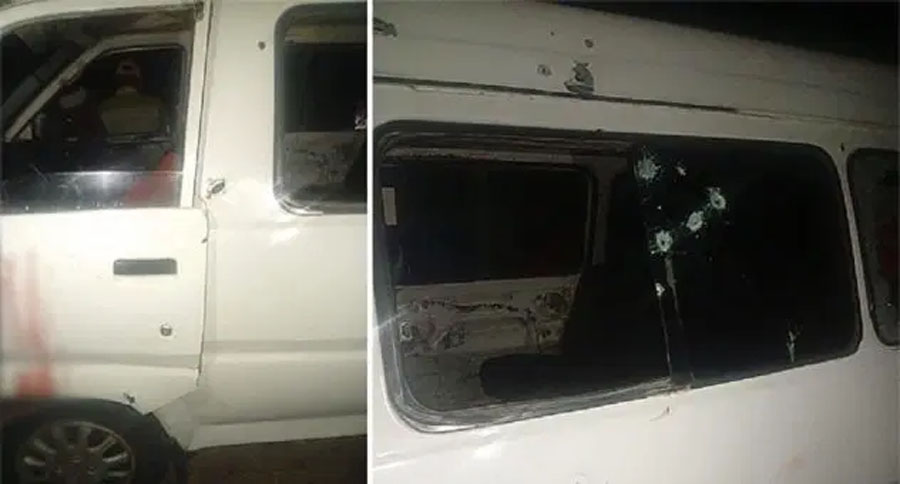
Plateau Attacks: Gunmen Kill Passengers, 13 Dead Across Three LGAs
At least 13 people have been killed in a fresh wave of violence across Plateau State, with gunmen attacking a commercial bus in Jos South Local Government Area and separate communities in Mangu and Riyom LGAs.
The attacks, which occurred between Saturday and Monday, September 12 and 14, 2026, have heightened fears of renewed reprisal violence in communities already affected by prolonged tensions and recurring clashes.
One of the deadliest incidents occurred at Dungus Kuru T-junction, near Science School in Jos South, where gunmen opened fire on a commercial bus travelling from the Farin Lamba axis towards Jos.
The attack reportedly occurred at about 8:30pm on Sunday as the vehicle was moving through the area. The assailants opened fire on the bus before fleeing, leaving several passengers dead and others injured.
An initial military account put the death toll at six passengers, comprising five males and one female, while two others sustained gunshot injuries and were taken to hospital.
Troops responding to a distress call subsequently moved into the area and began operations to track down the attackers.
However, subsequent accounts from community sources placed the number of people killed in the bus attack at nine, saying some passengers who initially survived the shooting later died from their injuries.
The Berom Youth Moulders, through its spokesman, Rwang Tengwong, reportedly said one of the victims was a member of Operation Rainbow, a local security initiative operating in Plateau State.
The differing casualty figures could not immediately be reconciled, as security authorities were still working to establish the full circumstances and final toll of the attack.
The Plateau State Police Command also confirmed that attacks had occurred but indicated that investigations were ongoing and that further details would be provided after the facts had been established.
The identities and motive of the attackers remained unknown as of Tuesday, while security agencies continued efforts to locate those responsible.
READ ALSO:
- 2027: Northern Lecturers Back Tinubu, ASUU Disowns Endorsement
- ‘I Was Never the Chosen One’ — Dembele Responds to Mbappe
- Police Arrest Mother Over Alleged Brutal Abuse of 7-Year-Old Girl in Anambra
The Dungus Kuru bus attack came amid a series of other deadly incidents reported in parts of Mangu Local Government Area, further raising concerns about the possibility of retaliatory attacks.
In Alohom community in Mangu, three young Fulani herders were reportedly killed in an attack.
The victims were identified as Garzali Shaibu, 18; Bashiru Yakubu, 14; and Salim Abubakar, 15.
Security reports indicated that 36 cattle were also killed, while another 12 sustained gunshot injuries. Two other members of the herding group were initially reported missing.
Troops deployed to the area reportedly recovered the bodies of the three victims.
Members of the affected Fulani community alleged that suspected Mwaghavul militia were responsible for the attack. The allegation, however, had not been independently established by security authorities, and no particular group had been officially identified as responsible.
The violence reportedly continued in Vodni community in Mangu LGA, where suspected attackers killed two people and injured several others.
Reports on the incident also indicated that children were among those affected, with five children reportedly found injured inside a house after troops responding to a distress call arrived in the community.
The injured children were evacuated to Mangu General Hospital for treatment.
Another attack was reported in Tahoos in Riyom Local Government Area, where two people were reportedly killed.
The incidents across Jos South, Mangu and Riyom brought the reported death toll from the fresh violence to at least 13, although community accounts suggested that the figure could be higher.
The latest Plateau violence has renewed concerns about the fragile security situation in the state, particularly in communities where disputes involving farming and herding populations have previously triggered cycles of attacks and reprisals.
The killing of passengers travelling in a commercial vehicle has also raised fresh concerns about the safety of motorists and commuters using roads connecting communities around Jos South and neighbouring local government areas.
Residents fear that the latest killings could lead to retaliatory attacks if security agencies fail to identify the perpetrators and prevent further violence.
Security forces operating under Operation Enduring Peace have continued patrols and responses in affected areas, while authorities are expected to intensify surveillance and efforts to apprehend those responsible.
Community leaders and security agencies are also under pressure to prevent the latest incidents from escalating into wider communal violence and to protect residents, farmers, herders and commuters across vulnerable areas.
For now, investigations into the Dungus Kuru attack and the other incidents are continuing, while authorities work to establish the final casualty figures, identify the perpetrators and determine the motives behind the attacks.
Plateau Attacks: Gunmen Kill Passengers, 13 Dead Across Three LGAs
metro
Police Arrest Mother Over Alleged Brutal Abuse of 7-Year-Old Girl in Anambra
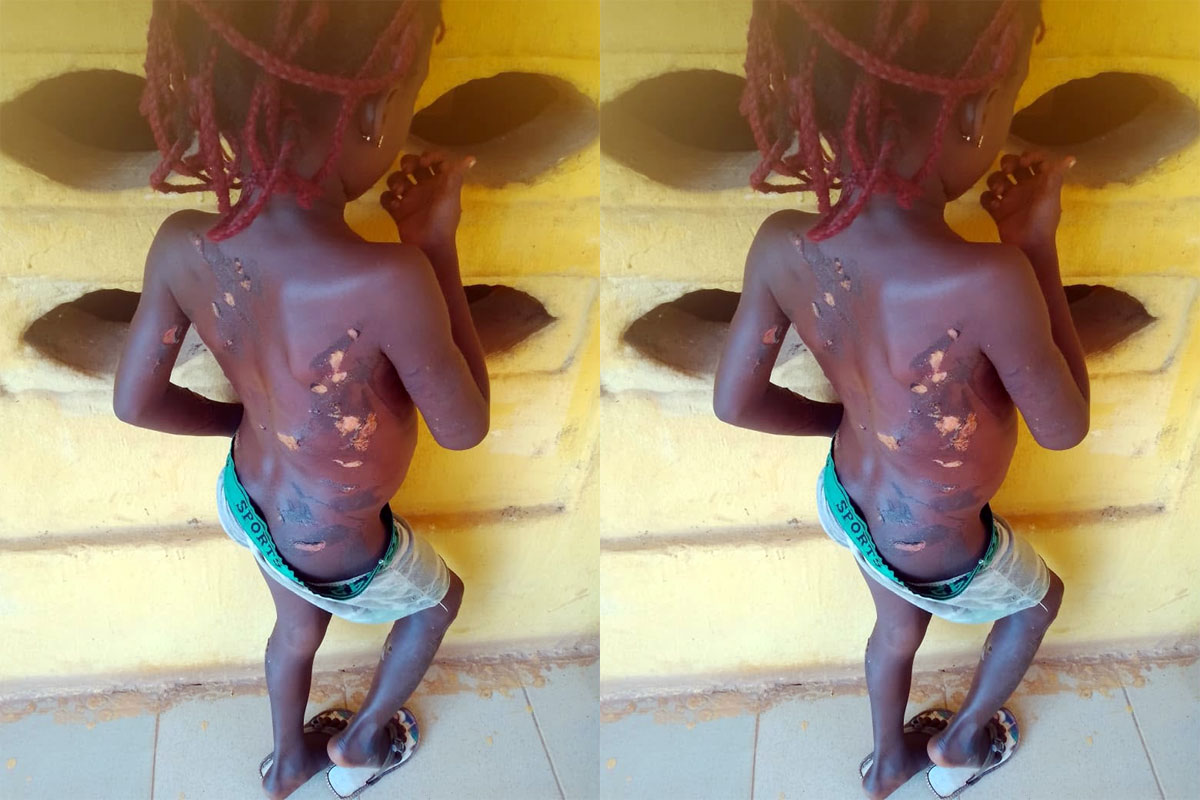
Police Arrest Mother Over Alleged Brutal Abuse of 7-Year-Old Girl in Anambra
The Anambra State Police Command has arrested a 32-year-old woman, Mrs Ogechi Ofoma, following the alleged brutal physical abuse of her seven-year-old daughter in Obosi, Idemili North Local Government Area of the state.
The incident was reported to the police on the evening of Sunday, September 13, 2026, after the child was reportedly found with severe bodily injuries in the Awada-Obosi area.
According to the police, security personnel from the Ibollo Community and concerned residents intervened after becoming aware of the alleged abuse. The intervention led to the rescue of the child and the arrest of her mother.
Preliminary findings indicate that the girl suffered serious physical injuries. The police said the injuries were reportedly inflicted with a hot knife, although investigations are still ongoing to establish the circumstances surrounding the alleged assault.
The child has been taken under the care and protection of relevant authorities, while the Anambra State Commissioner for Women Affairs and Social Welfare is working with the Commissioner of Police, CP Nnanna Oji Ama, to facilitate urgent medical attention and welfare support for the victim.
READ ALSO:
- King’s College Concession: 115 Unity Colleges Shut as Education Workers Defy FG
- Petrol Price Hits N1,450/Litre as Middle East Crisis Pushes Oil Above $108
- Police Arrest Herbal Drink Producer as Ondo Death Toll Hits 29
The police have commenced an investigation into the incident to determine what led to the alleged abuse and whether any other person was involved.
Mrs Ofoma remains in police custody as investigators work to establish the full circumstances of the case and determine the appropriate legal action.
The intervention by the Ibollo Community security personnel and residents has also drawn attention to the role of communities in protecting children and reporting suspected cases of child abuse.
Cases involving children who suffer physical violence can require intervention from law enforcement, social welfare authorities and other child-protection agencies to ensure the victim’s immediate safety and access to appropriate care.
The Anambra Police Command commended the community members who responded to the situation and helped secure the child’s rescue.
The case comes amid continuing concerns over child abuse in Nigeria, particularly physical violence against children who may be unable to protect themselves or report their experiences.
Authorities are expected to establish the nature and extent of the girl’s injuries, examine available evidence and determine whether additional suspects should be questioned or arrested.
The outcome of the investigation will determine the next legal steps in the case.
Police Arrest Mother Over Alleged Brutal Abuse of 7-Year-Old Girl in Anambra
-

 metro3 days ago
Ondo Herbal Drink Tragedy: Survivor Vows Never to Drink Again as Death Toll Tops 30
-

 Business3 days ago
Dangote: ₦525 Refinery Shares Could Rise to ₦10,000
-

 News2 days ago
SERAP Threatens Legal Action Over ₦126bn INEC Electoral Funds
-

 metro3 days ago
MURIC fires back at Peter Obi: Forget Sallah ceremony, free Nigerian Muslims
-
 metro3 days ago
Abia Police Arrest Father, Three Others Over Alleged Attempt to Sell 16-Month-Old Daughter
-

 International3 days ago
Trump Tells Supporters to ‘Cheat Like Hell’ Ahead of US Election
-

 metro3 days ago
FG Targets 2 Million Creative Jobs by 2030
-

 metro3 days ago
How I Conspired with My Son’s Teacher to Stage His Kidnap for N15m Ransom