
Entertainment
I get jealous of Portable’s other women — Fiancee, Ashabi Simple

I get jealous of Portable’s other women — Fiancee, Ashabi Simple
An actress, Akinyanju Omobolarinde, aka Ashabi Simple, who is also a fiancée of controversial singer, Habeeb Okiki, aka Portable, has stated that she sometimes gets jealous of the other women in her fiance’s life, she understands that it is due to the nature of his job.
She also described the ‘Zazuu’ singer as her mentor, who was always protective of her.
In an interview with Saturday Beats, she stated that despite his hectic life, the singer often dedicated time to her every day. She said, “When it comes to his relationships, he is very protective. When I see him with other women, I sometimes get jealous, but I caution myself, knowing that he is a celebrity. However, he is always open and that is better than hiding (keeping secrets). I am used to it all.”
READ ALSO:
- Appeal Court fines Makinde N50m for withholding ex-council Chiefs’ funds
- Policeman arrested for attacking s3x shop worker after wife demanded for big toys
- NNPP caucus denies coalition talks with PDP
Expressing admiration for Portable’s dedication to his craft, she said, “I strive to achieve what I want. I am not in competition with anyone. If I want to compete with anyone, that should be my husband, because he is also an entertainer. I look up to him; he is more like my mentor. Despite being made, he is still vibrant and full of energy.”
The actress added that while Portable often surprised her with gifts, she was not one to lazy around. She said, “If I am dating him because of his money, I would be tired by now. No one forces Portable to do anything, and I do not have a problem with that, because I do a lot for myself. I have always been like that. Before I started my clothing business, I worked as a bus conductor, bartender, and I sold pieces of jewelry, before I started attending filmmaking class and working in the film industry as a manager. And, that was where I started making money.”
Reacting to Portable’s invitation to the Celestial Church of God, Goshen Land Cathedral branch, in Lagos State for a performance, Ashabi stated that it was not a crime. She added that the church’s planning committee must have discussed it with the church’s members before making such a decision.
I get jealous of Portable’s other women — Fiancee, Ashabi Simple





Entertainment
EFCC, Police Investigate Blessing CEO Over Alleged ₦300m Cancer Scam
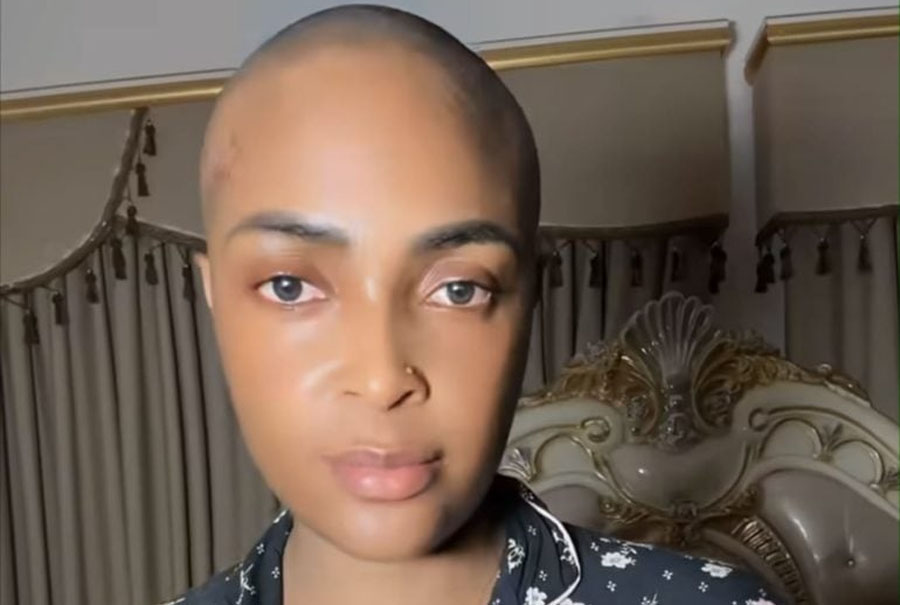
EFCC, Police Investigate Blessing CEO Over Alleged ₦300m Cancer Scam
Social media personality Blessing Okoro, popularly known as Blessing CEO, is facing a deepening legal crisis as the Economic and Financial Crimes Commission and the Nigeria Police Force intensify investigations into allegations of cancer fraud, forgery, and financial misconduct.
The probe follows multiple petitions accusing the influencer of allegedly falsifying a cancer diagnosis and using a doctored medical report to solicit public donations, sparking outrage across Nigeria’s social media space.
The Delta State Police Command confirmed receipt of a petition and said it is awaiting statements from complainants before proceeding with a full investigation. Police spokesperson Edefa Bright stated that due process would be followed in determining the next line of action.
Similarly, the EFCC, through its spokesperson Dele Oyewale, disclosed that the anti-graft agency has begun reviewing allegations of financial fraud and cybercrime offences, noting that its findings will guide further steps.
The controversy began after Blessing CEO publicly claimed she was battling stage four cancer, drawing sympathy and financial support from followers. However, inconsistencies in her story triggered widespread skepticism and backlash, prompting scrutiny of the medical documents she shared online.
READ ALSO:
- Lagos Outlaws Manual Building Permits, Launches Fully Digital Approval System
- Gov Yusuf Accuses Former Deputy of Attempted Power Grab in Kano
- Police Debunk Viral Terror Attack Video in Abuja, Arrest Suspect
The Nigerian Medical Association in Delta State later disowned the histology report linked to her, revealing that the document actually belonged to Deborah Mbara, a verified cancer survivor. According to the association, the report was issued in May 2025 by a diagnostic centre in Asaba following a confirmatory breast cancer test.
Mbara subsequently accused the influencer of altering her medical report and using it to raise funds from unsuspecting members of the public. She explained that she had shared the document with Blessing CEO in good faith after the influencer requested it for comparison.
In a twist, Blessing CEO later retracted her earlier claim of having stage four cancer during an interview with Egungun of Lagos. She admitted receiving about ₦13 million in donations but maintained that she did not owe anyone an apology, a stance that has further fueled public outrage.
However, legal counsel to the complainant, Sunny Anyanwu, alleged that the influencer may have generated over ₦300 million from the alleged scheme. He claimed that funds were routed through multiple bank accounts, including one allegedly created specifically for the fundraising exercise.
In a formal petition to the EFCC, the lawyer argued that the alleged actions violate provisions of the Cybercrime Act, 2015, and other applicable laws, demanding that the influencer be investigated and compelled to refund all monies collected.
Legal experts have also weighed in, with Senior Advocate of Nigeria Monday Ubani describing the alleged conduct as obtaining money under false pretence, a criminal offence under Nigerian law. He called for prosecution if investigations confirm the allegations.
The Delta State chapter of the Nigerian Medical Association, led by Israel Adaigho, has expressed readiness to testify if required, emphasising the need to protect the integrity of medical professionals.
Similarly, consultant pathologist A. O. Odigwe, who reportedly issued the original report, said further action would depend on the outcome of ongoing investigations.
The Nigerian Cancer Society has also condemned the alleged false claims, warning that such actions undermine genuine cancer advocacy and erode public trust in health-related fundraising.
As of the time of filing this report, efforts to get a fresh response from Blessing CEO were unsuccessful, as calls and messages to her remained unanswered.
The case has ignited nationwide debate around online fundraising scams, influencer accountability, and misuse of sensitive medical information, with growing calls for stricter regulations in Nigeria’s digital space.
EFCC, Police Investigate Blessing CEO Over Alleged ₦300m Cancer Scam
Entertainment
Hip-Hop Pioneer Afrika Bambaataa Dies at 68 After Battle With Cancer
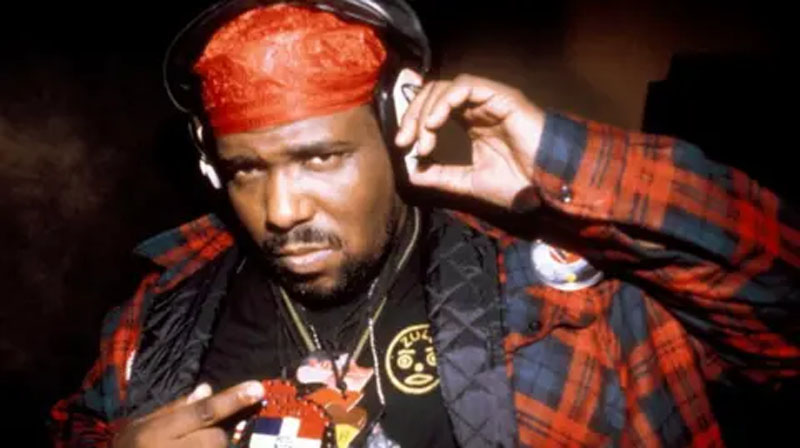
Hip-Hop Pioneer Afrika Bambaataa Dies at 68 After Battle With Cancer
The global hip-hop community has been thrown into mourning following the death of legendary DJ and cultural pioneer Afrika Bambaataa, who has died at the age of 68.
His death was confirmed by the Hip Hop Alliance, which described him as a foundational figure who helped shape hip-hop into a global cultural movement rooted in peace, unity, love, and fun.
According to multiple reports, including entertainment outlet TMZ, Bambaataa died on Thursday in Pennsylvania from complications linked to cancer.
Born Lance Taylor in the Bronx, New York, Bambaataa rose from the post-industrial streets of the Bronx during the 1970s, a period widely regarded as the birthplace of hip-hop culture. His early exposure to the Black liberation movement heavily influenced his artistic and political worldview.
In 1973, he co-founded the Universal Zulu Nation, an international collective dedicated to promoting hip-hop as a tool for peaceful expression, youth empowerment, and cultural identity. The movement played a major role in shaping the global spread of hip-hop culture across music, dance, and street art.
READ ALSO:
- Naira Strengthens to ₦1,359.31/$ as CBN Data Shows Further Gain in Official Market
- Nigeria May Face ₦2,000 Petrol Price Without Intervention, TUC Warns FG
- US Embassy Suspends Abuja Visa Appointments Over Security Concerns
Before his musical breakthrough, Bambaataa was once affiliated with the Black Spades gang, but later redirected his influence toward community organisation and cultural activism, helping steer young people away from violence.
His 1982 single “Planet Rock” became a defining moment in hip-hop history, blending electronic sounds with rap and helping pioneer what would later influence genres such as electro, techno, and modern dance music.
The Hip Hop Alliance praised his impact, with executive director Reverend Dr Kurtis Blow Walker describing him as central to transforming the Bronx into “the birthplace of a culture that now reaches every corner of the world.”
Throughout the 1980s and beyond, Bambaataa collaborated with influential figures including James Brown and John Lydon. He also contributed to socially conscious projects such as the anti-apartheid anthem “Sun City” in 1985.
However, his legacy was later complicated by serious allegations of sexual abuse dating back decades. He denied the accusations, describing them as an attempt to damage his reputation. In 2016, he stepped down as leader of the Universal Zulu Nation amid the controversy.
In 2025, reports indicated he lost a civil case involving allegations of child sexual abuse and trafficking after failing to appear in court, according to legal filings reported by international media outlets.
The Hip Hop Alliance acknowledged that while his contributions to music and culture remain historically significant, his legacy has been the subject of ongoing debate within the global hip-hop community.
Despite the controversies surrounding his later years, Afrika Bambaataa remains widely recognised as one of the founding architects of hip-hop culture, whose influence helped shape the genre into a worldwide phenomenon.
Hip-Hop Pioneer Afrika Bambaataa Dies at 68 After Battle With Cancer
Entertainment
Saheed Osupa Defends Juju Use Amid Backlash From Islamic Clerics

Saheed Osupa Defends Juju Use Amid Backlash From Islamic Clerics
Nigerian Fuji music legend Saheed Osupa has defended his claim of using juju and traditional charms to succeed, even as the admission sparks widespread criticism from Islamic clerics and social media commentators. The controversy began after a viral video of Osupa’s remarks during a stage performance at veteran actor Fatai Odua’s 52nd-year celebration on March 30, 2026, circulated online.
In the clip, Osupa told his backup singers that engaging in traditional spiritual practices can enhance performance and career success. He also revealed that he has consulted spiritual figures in the past for guidance and believed that many people practise similar rituals either openly or privately. Osupa argued that acknowledging these practices is not harmful and said he chose honesty over denying their role in his achievements.
READ ALSO:
- Dismissed Soldier Soja Boi Dares Nigerian Army to Publish Payroll Over Pay, Welfare Claims
- Strait of Hormuz Reopens as US, Iran Confirm Two‑Week Ceasefire
- Fuel Relief: Dangote Reverses Petrol Price Hike, Drops PMS to ₦1,200
His comments, however, drew sharp criticism from Islamic clerics, who urged him to shun Ifa worship and juju, asserting that his fame and wealth are gifts from God, not supernatural charms. A cleric known as Alagusiy on TikTok said, “Please return to God; He’s the one who made you famous and rich, not Ifa or juju.” Another cleric, Uwais Lukman, argued that Osupa’s continued engagement in music and performances with instruments makes it difficult to see him as fully aligned with Islamic teachings.
A third commentator, General Tom, accused Osupa of disrespecting God through his deep involvement in juju and suggested that the singer’s spiritual claims may stem from past encounters with ritual practitioners.
Responding to the backlash, Osupa maintained that he respects all holy books, acknowledging both Jesus and Prophet Muhammad as sent by God. He emphasised that he does not reject religion but criticises superficial practices, which he calls “eye service.” He did not retract his earlier statements on juju, nor did he single out any clerics in his response.
Fans and the public remain divided. Some defend Osupa’s honesty and cultural perspective, while others warn that promoting juju publicly could mislead young fans and contradict religious principles. The debate continues across platforms like TikTok, X, Instagram, and YouTube, making Osupa’s revelation one of the most talked-about entertainment controversies in Nigeria this year.
Saheed Osupa Defends Juju Use Amid Backlash From Islamic Clerics

-

 Africa2 days ago
ECOWAS Recruitment 2026: Over 30 Job Vacancies Open for Nigerians (How to Apply)
-

 metro4 hours ago
JUST IN: FG Publishes List of 48 Individuals, Groups Linked to Terrorism Financing in Nigeria
-

 Health2 days ago
Sleeping Positions: How They Affect Your Health and Which Ones to Avoid
-

 Politics3 days ago
Court Stops ADC Congress, Orders Status Quo in Leadership Row
-

 metro2 days ago
Boko Haram Attack in Borno: Brigadier-General, Soldiers Killed as ISWAP Overruns Military Base
-
 Politics14 hours ago
Did Faleke Just Reveal Lagos’ Next Governor? Party Moves Begin
-
 metro3 days ago
US Evacuates Embassy Staff in Nigeria, Lists 23 States as ‘Do Not Travel’
-

 Education1 day ago
Germany Opens Fully Funded Scholarships for Nigerians, Africans