
News
Insecurity: Nigerians have lost confidence in us, gravitating towards self-help—FG

The federal government has affirmed that Nigerians are scared and worried about the worsening insecurity in the land.
Addressing reporters in Abuja on Thursday after the National Security Council meeting chaired by President Muhammadu Buhari, the National Security Adviser (NSA), Maj-Gen Babagana Monguno (retd), said Nigerians had lost confidence in the government.
He noted that fighting asymmetric conflict is a collective effort, not something that should be confined to only the security, intelligence and law enforcement agencies.
“When we keep saying whole of society approach, whole of government approach, to get a whole of nation approach, what it means is that everybody has to partake in this enterprise. The truth is that no country can ever overcome the difficulties of an asymmetric conflict by virtue of the fact that the enemy of the state is embedded within the population within the wider society.
“It’s true that the local people are averse, they’re scared, they’re worried and there’s no confidence. That is understandable. But without their support, without the cooperation in terms of giving information, it makes it very hard for the operational elements.
The NSA said the Security Council was working on new strategies to tackle the insecurity.
He said council was in the process of winding up special investigation on Kuje Correctional Centre attack to hold those found negligent accountable for their actions.
The NSA urged the politicians to take into account the consequences of their utterances which might have wider society; and the media, to be circumspect in what they published from terrorists.
READ ALSO:
- Another EndSARS may consume police, AIG warns
- Offa Poly crisis rages as unions give FG 21 days to appoint substantive Rector
- Four policemen, oil worker feared killed in Bayelsa boat accident
“A few days ago, troops of the guards brigade were ambushed and decimated. Had there been a collective effort by way of just snippets of information we might have averted that incident. That’s not to say the responsibility is for those outside the security domain. It’s a collective responsibility.”
According to Monguno, Nigeria is in a very difficult situation. “And Council understands. Mr. President understands people’s concerns about the growing insecurity. But I can assure you that there’s no straight cut and dried method of dealing with this thing unless all of us embrace each other.
“I know people are wary, people are tired people are beginning to gravitate to other places for self-help. The truth is that help is rooted in everyone working for the other person.”
He said the Armed Forces had made a commitment that they had already started working on a new strategy, which would be ready in the coming weeks, to deal with these “snippets of violence. And they’ve given their words, their commitment to the president, that there’ll be a change in momentum, regardless of the fact that there might be certain institutional limitations which they face.”
Meanwhile, the spokesman of the Defence Headquarters, Maj.-Gen. Bernard Onyeuko, told reporters in Abuja yesterday that personnel attached to 7 Guards Battalion and 167 Special Force Battalion in conjunction with the air component of Operation Whirl Punch killed 30 terrorists who planned to attack the Law School, Abuja.
A captain and two soldiers lost their lives Sunday night in the Bwari area of the FCT while trying to foil an attack by terrorists on the Law School.
Onyeuko said the troops successfully cleared Kawu and Ido villages, neutralising the terrorists and destroyed their hideout.
He said the ground troops also recovered six motorcycles, two AK47 rifles, one fully loaded LMG magazine among others.
He assured residents of FCT in that “we’re undaunted and unrelenting in our efforts to ensure the safety of lives and properties. People should go about their normal business as their safety is guaranteed.”
DAILY TRUST











News
Tinubu Unveils ₦3.3tn Electricity Bailout to Revive Nigeria’s Power Sector
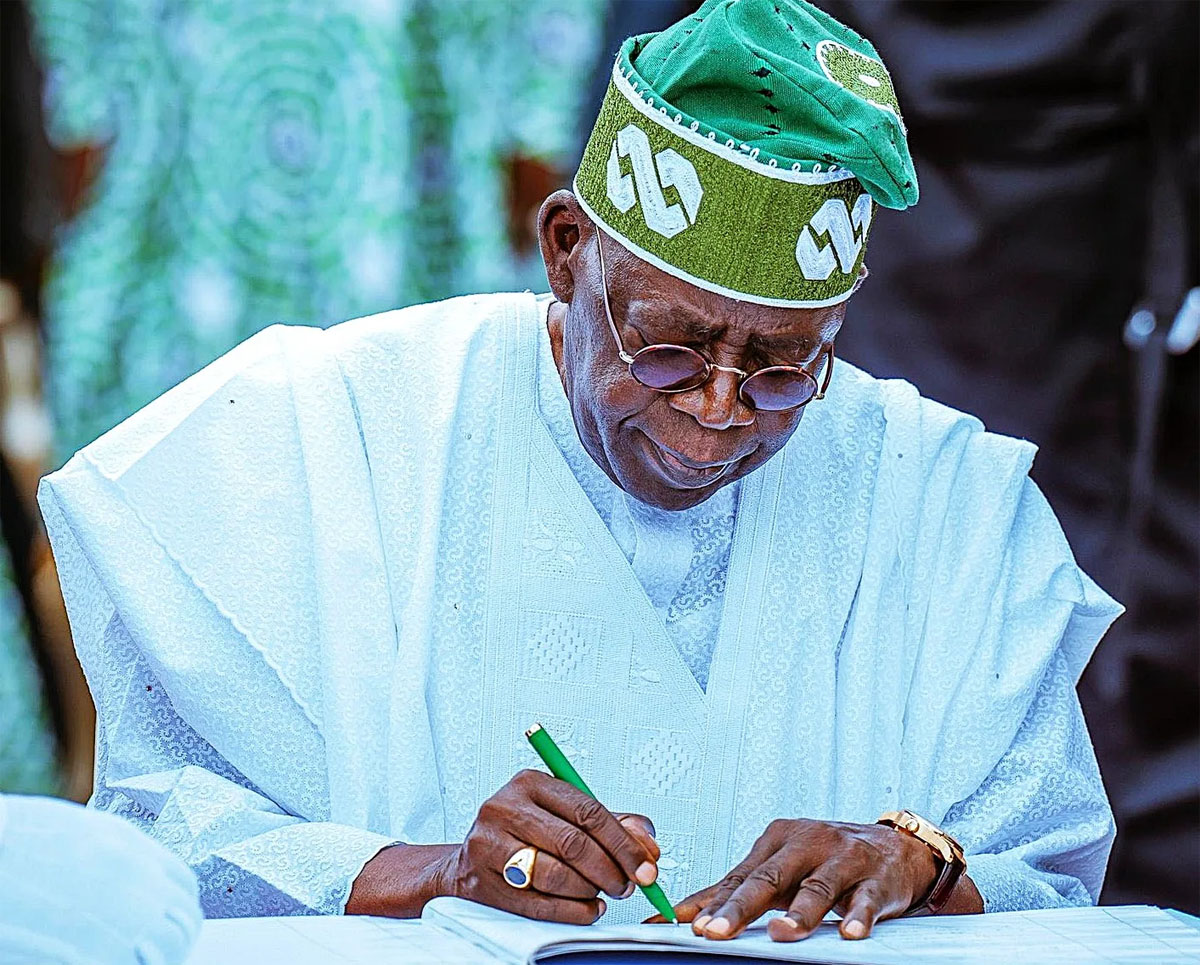
Tinubu Unveils ₦3.3tn Electricity Bailout to Revive Nigeria’s Power Sector
President Bola Ahmed Tinubu has approved a sweeping ₦3.3 trillion power sector bailout aimed at clearing long-standing debts and stabilising Nigeria’s struggling electricity industry.
The intervention, implemented under the Presidential Power Sector Financial Reforms Programme, is designed to resolve liabilities accumulated between February 2015 and March 2025, following a comprehensive verification process.
Presidential spokesman Bayo Onanuga disclosed that the ₦3.3 trillion electricity debt settlement represents a full and final agreement to restore financial stability across the sector. He explained that the debts, largely driven by unpaid invoices, tariff shortfalls, and subsidy obligations, had significantly weakened liquidity in the power value chain.
Implementation of the power sector debt repayment plan has already commenced, with 15 generation companies signing settlement agreements worth about ₦2.3 trillion. The Federal Government has raised ₦501 billion so far to fund the initiative, out of which ₦223 billion has already been disbursed, while additional payments are ongoing.
READ ALSO:
- Brymo Sparks Debate After Saying Men Who Apologise to Women Deserve Suffering
- Boko Haram/ISWAP Attack Borno Police Station, Kill Four Officers, Hunter
- NDLEA Arrests Lagos Pastor, Wife With 11kg Skunk Cannabis
The Nigeria electricity sector bailout is expected to inject much-needed cash into the industry, ensuring that gas suppliers receive payments, power plants can sustain operations, and electricity generation becomes more stable. With improved liquidity, officials say the country could begin to see gradual improvements in power supply, reduced grid disruptions, and better service delivery.
Special Adviser on Energy to the President, Olu Arowolo-Verheijen, said the programme is not just about clearing debts but rebuilding trust across the industry. She noted that restoring confidence is critical to attracting investment, maintaining consistent gas supply, and ensuring that power plants operate efficiently.
She further explained that the initiative forms part of broader power sector reforms in Nigeria, including nationwide metering improvements and the introduction of service-based tariffs that align electricity costs with the quality of supply. According to her, the government is also prioritising electricity supply to businesses, industries, and small enterprises, recognising that reliable power is essential for job creation and economic growth.
The Tinubu administration believes the electricity sector stabilisation plan will reduce reliance on generators, lower the cost of doing business, and improve productivity across key sectors of the economy. Analysts say resolving the sector’s liquidity crisis could unlock new investments and strengthen Nigeria’s overall economic performance.
President Tinubu also commended stakeholders for their cooperation in addressing long-standing challenges in the industry and confirmed that the next phase of the reform programme, Series II, will commence within the current quarter. The phase is expected to deepen structural reforms and ensure long-term sustainability of the electricity market.
Tinubu Unveils ₦3.3tn Electricity Bailout to Revive Nigeria’s Power Sector
News
MURIC Demands Sack of INEC Chairman Over Alleged Bias, Calls for Replacement
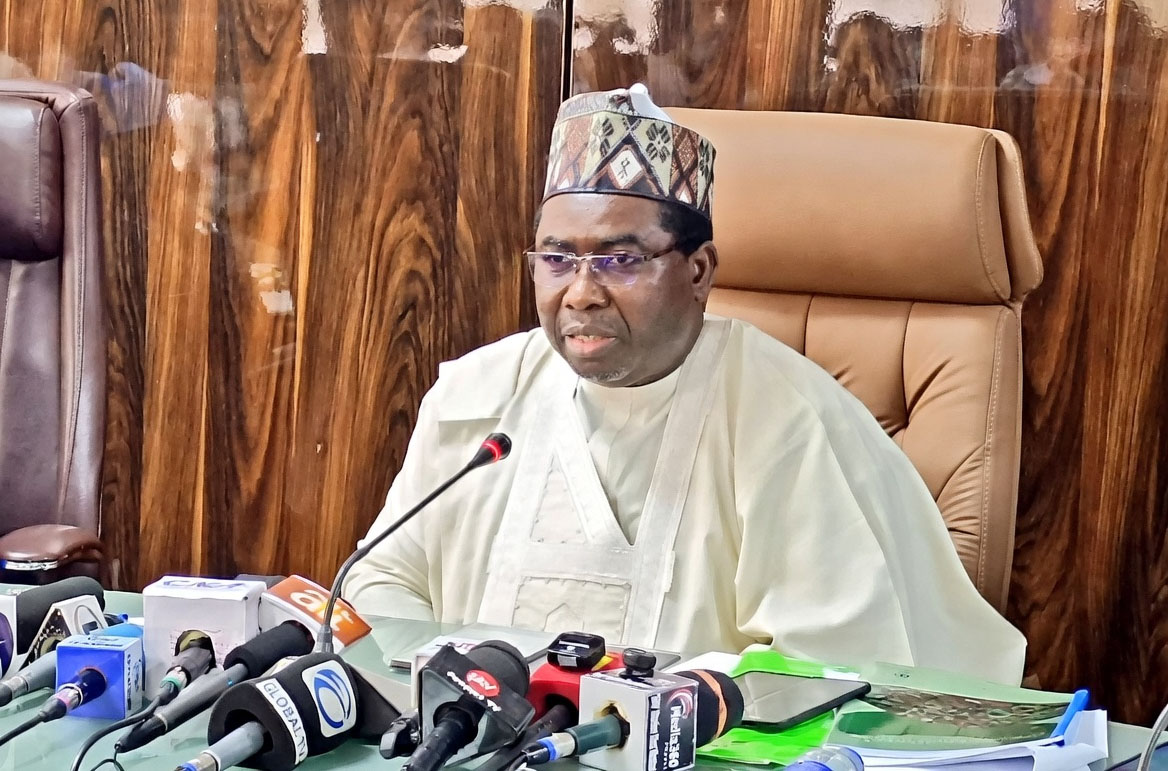
MURIC Demands Sack of INEC Chairman Over Alleged Bias, Calls for Replacement
The Muslim Rights Concern (MURIC) has called for the immediate removal of the Chairman of the Independent National Electoral Commission (INEC), Professor Joash Amupitan, describing him as a threat to religious harmony in Nigeria.
In a press release issued on April 6, 2026, and signed by its Executive Director, Professor Ishaq Akintola, the group accused the INEC chairman of authoring what it described as a “toxic 80-page legal brief,” allegedly used by the United States of America to indict Nigeria over claims of Christian genocide.
MURIC expressed dissatisfaction with what it termed the “graveyard silence” of the Federal Government over calls from Islamic organisations for Amupitan’s removal. According to the group, the government’s inaction reflects a lack of sensitivity to the concerns of the Muslim community.
The organisation further alleged that Amupitan’s continued leadership poses a risk to the credibility of Nigeria’s electoral system, claiming that a planned voter registration or revalidation exercise could disenfranchise Muslim voters.
“MURIC hereby declares a vote of no confidence in the current INEC boss,” the statement read, urging the Federal Government to replace him with what it described as a “tolerant Christian” to restore confidence and balance.
The group also accused the INEC chairman of failing to address the allegations against him, noting that his silence has raised concerns among observers. It argued that public officials in other countries often resign over similar controversies, citing examples of past resignations by international political figures.
MURIC warned that Nigeria’s progress could be hindered if individuals accused of misconduct remain in sensitive public offices, stressing that Amupitan’s continued stay in office represents what it called a “sit-tight syndrome.”
Describing the INEC chairman as an “electoral burden” and a “threat to religious harmony,” the group insisted that his resignation or removal is necessary to safeguard national unity and the integrity of the electoral process.
As of the time of filing this report, neither INEC nor the Federal Government had issued an official response to the allegations.
MURIC Demands Sack of INEC Chairman Over Alleged Bias, Calls for Replacement
News
Tinubu Commissions Gateway Airport, Pledges to Crush Banditry in Nigeria
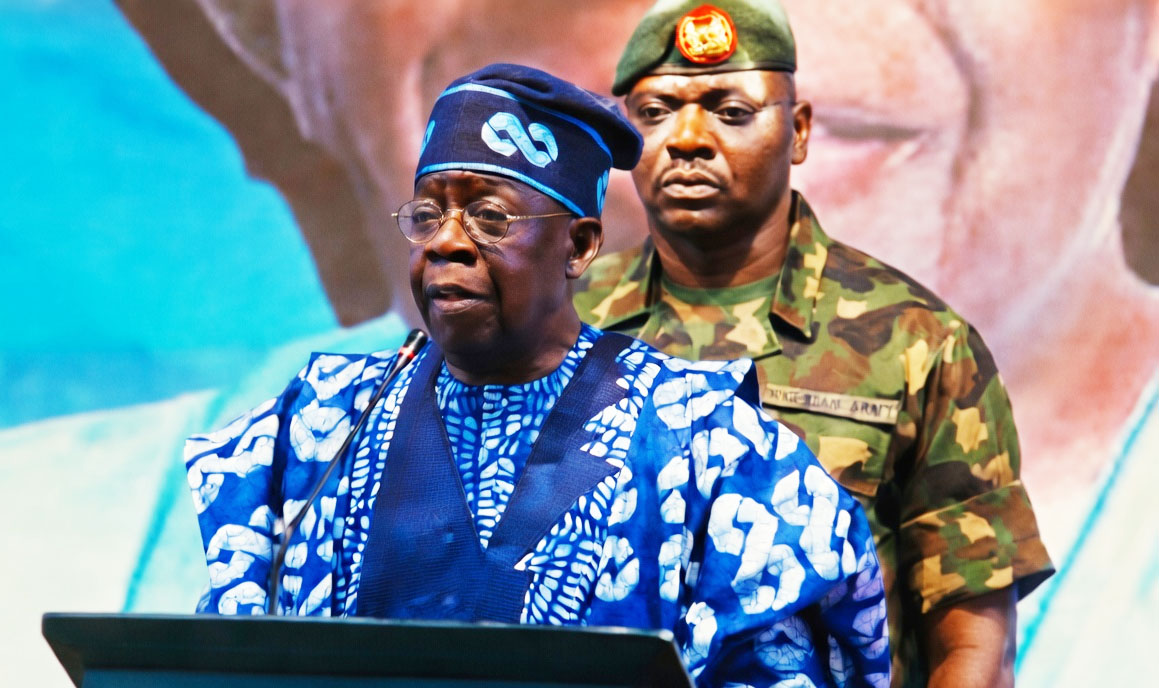
Tinubu Commissions Gateway Airport, Pledges to Crush Banditry in Nigeria
President Bola Tinubu has pledged to defeat banditry, terrorism, and insecurity across Nigeria, promising continued investment in the country’s security architecture. He made the declaration while commissioning the Gateway International Airport and several other federal projects in Ogun State on Saturday.
Speaking at a reception following the inauguration, Tinubu said his administration will intensify efforts to protect lives and property across the nation. “We will win over banditry and defeat insecurity. We will continue to invest more to strengthen the security architecture of Nigeria,” he stated, emphasizing the government’s commitment to national safety.
The president described the Gateway International Airport as the economic nerve center of Nigeria’s corridor, highlighting its role in boosting the aviation sector, trade, and socioeconomic development in Ogun State and the wider region. The airport is integrated with independent gas and energy infrastructure, ensuring sustainability and operational efficiency.
Tinubu also lauded Governor Dapo Abiodun for using improved federal allocations to develop infrastructure capable of driving Ogun State to greater economic heights. He praised the state government’s focus on mobility, security, agriculture, and industrial development, noting that projects like the airport and new Gateway Airlines will enhance trade, logistics, and employment opportunities.
READ ALSO:
- La Liga: Barcelona Fight Back to Beat Atletico Madrid 2–1
- Gov Yusuf Pledges Full Support for Tinubu, Declares APC Unbeatable in Kano
- Military Arrests Two Suspects, Recovers Weapons After Jos Crisis
Governor Abiodun, in his remarks, emphasized the transformative impact of the airport and related infrastructure on Ogun State’s economy. He noted that the state’s internally generated revenue has grown from ₦40 billion to over ₦250 billion annually, while its GDP increased from ₦4 trillion to ₦17 trillion over the past seven years. He added that the airport features a four-kilometre runway, modern control tower, advanced aviation systems, and cargo facilities, making it a centerpiece of the state’s emerging aerotropolis.
The ceremony also saw the launch of Gateway Airlines, operating Bombardier CRJ900 aircraft, alongside cargo services designed to expand trade and logistics capacity. Beyond aviation, Ogun State has invested heavily in roads, healthcare, and housing, including over 1,600 km of rehabilitated roads, more than 7,000 affordable homes, and 140 primary healthcare centers, according to Governor Abiodun.
The event was attended by prominent dignitaries including Senate President Godswill Akpabio, former President Olusegun Obasanjo, state governors, lawmakers, captains of industry, and traditional leaders. Both praised the collaboration between federal and state governments in delivering critical infrastructure, with Tinubu’s leadership highlighted as key to Nigeria’s development and security progress.
Tinubu emphasized that the federal government’s reforms and infrastructure investments are people-centered, aimed at improving daily life, fostering prosperity, and ensuring national security. He added that these efforts are designed to overcome violence and terrorism while positioning Nigeria for sustained economic growth.
Tinubu Commissions Gateway Airport, Pledges to Crush Banditry in Nigeria

-

 Health3 days ago
Men Encouraged to Ejaculate More to Reduce Prostate Cancer Risk
-
 Politics3 days ago
Adeleke’s Aide Anisu Resigns, Defects to APC
-
 metro16 hours ago
MURIC Backs Egba Imams’ Call for Inclusive Leadership in Ogun 2027 Governorship Race
-

 Entertainment3 days ago
Nollywood Actress Laide Bakare Sets Strict Dating Rules: No Men in Her Home
-

 International2 days ago
Netanyahu Condemns ‘Christian Persecution’ in Nigeria in Easter Message
-

 Education3 days ago
JAMB Debunks 2026 UTME Postponement Rumour, Issues Fraud Warning
-

 metro3 days ago
Autopsy Confirms Destiny Boy Died from Toxic Substances
-
 Politics2 days ago
ADC Crisis Halts Makinde, Bala, Lawmakers’ Defections