
International
Iran carries out wave of arrests and executions in wake of Israel conflict
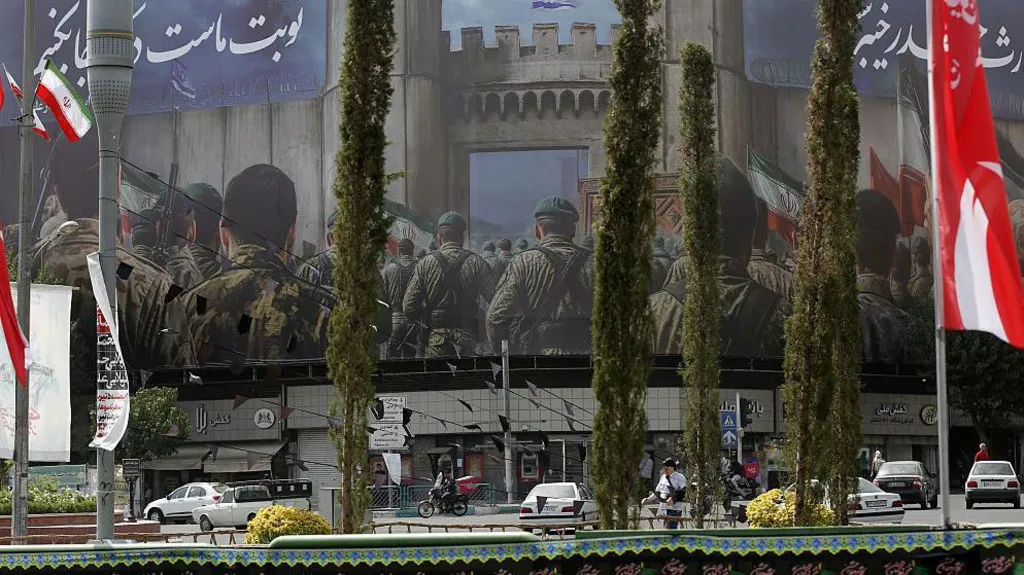
Iran carries out wave of arrests and executions in wake of Israel conflict
Iranian authorities have carried out a wave of arrests and multiple executions of people suspected of links to Israeli intelligence agencies, in the wake of the recent war between the two countries.
It comes after what officials describe as an unprecedented infiltration of Iranian security services by Israeli agents.
Authorities suspect information fed to Israel played a part in a series of high-profile assassinations during the conflict. This included the targeted killings of senior commanders from the elite Islamic Revolutionary Guard Corps (IRGC) and nuclear scientists, which Iran attributes to operatives of Israel’s Mossad intelligence agency working inside the country.
Shaken by the scale and precision of these killings, authorities have been targeting anyone suspected of working with foreign intelligence, saying it is for the sake of national security.
But many fear this is also a way to silence dissent and tighten control over the population.
During the 12-day conflict, Iranian authorities executed three people accused of spying for Israel. On Wednesday – just one day after the ceasefire – three more individuals were executed on similar charges.
Officials have since announced the arrest of hundreds of suspects across the country on accusations of espionage. State television has aired alleged confessions from several detainees, purportedly admitting to collaboration with Israeli intelligence.
READ ALSO:
- Drug abuse fuels mental health disorders, crimes – Pharmacists
- Trump demands end to Netanyahu’s corruption trial
- Rivers political crisis: Tinubu unites Wike, Fubara, state lawmakers
Human rights groups and activists have expressed fears over the latest developments, citing Iran’s longstanding practice of extracting forced confessions and conducting unfair trials. There are concerns that more executions may follow.
Iran’s Ministry of Intelligence claims it is engaged in a “relentless battle” against what it calls Western and Israeli intelligence networks – including the CIA, Mossad, and MI6.
According to Fars News Agency, which is affiliated with the IRGC, since the beginning of Israel’s attack on Iran on 13 June, “the Israeli spy network has become highly active inside the country”. Fars reported that over the course of 12 days, Iranian intelligence and security forces arrested “more than 700 individuals linked to this network”.
Iranians have told BBC Persian they received warning text messages from Iran’s intelligence ministry informing them their phone numbers had appeared on social media pages related to Israel. They were instructed to leave these pages or face prosecution.
The Iranian government has also stepped up pressure on journalists working for Persian-language media outlets abroad, including BBC Persian and the London-based Iran International and Manoto TV.
According to Iran International, the IRGC detained the mother, father, and brother of one of its TV presenters in Tehran to pressure her into resigning over the channel’s coverage of the Iran-Israel conflict. The presenter received a phone call from her father – prompted by security agents – urging her to quit and warning of further consequences.
READ ALSO:
- Fufeyin the compound food
- Bode George attacks Wike, says PDP not minister’s personal property
- As Tinubu signs tax reform bills, VAT remains 7.5%, CIT 30%
After the conflict began, threats directed at BBC Persian journalists and their families have become increasingly severe. According to the journalists recently affected, Iranian security officials contacting their families have claimed that, in a wartime context, they are justified in targeting family members as hostages. They have also labelled the journalists as “mohareb” — a term meaning ‘one who wages war against God’ — a charge that, under Iranian law, can carry the death penalty.
Manoto TV has reported similar incidents, including threats against employees’ families and demands to cut all ties with the outlet. Some relatives were reportedly threatened with charges such as “enmity against God” and espionage – both capital offences under Iranian law.
Analysts view these tactics as part of a broader strategy to silence dissent and intimidate exiled media workers.
Security forces have also detained dozens of activists, writers and artists, in many cases without formal charges. There are also reports of arrests targeting family members of those killed during the 2022 “Woman, Life, Freedom” anti-government protests.
These actions suggest a broader campaign aimed not only at current activists but also at those connected to previous waves of dissent.
During the war, the Iranian government severely restricted access to the internet, and even after the ceasefire, full access has not yet been restored. Limiting internet access during crises, especially during nationwide protests against the government, has become a common pattern by Iran. Additionally, most of the social networks like Instagram, Telegram, X and YouTube, as well as news websites such as BBC Persian, have long been blocked in Iran and cannot be accessed without using a Virtual Private Network (VPN) proxy service.
Human rights advocates and political observers have drawn parallels to the 1980s, when the Iranian authorities brutally suppressed political opposition during the Iran-Iraq War.
Many fear that, in the wake of Iran’s weakened international standing after the conflict with Israel, the authorities may again turn inward, resorting to mass arrests, executions, and heavy-handed repression.
Critics point to events of 1988, when, according to human rights groups, thousands of political prisoners – many already serving sentences – were executed following brief, secretive trials by so-called “death commissions.” Most victims were buried in unmarked mass graves.
Iran carries out wave of arrests and executions in wake of Israel conflict








International
Israeli Fire Kills Three UN Peacekeepers in Southern Lebanon
Israeli Fire Kills Three UN Peacekeepers in Southern Lebanon
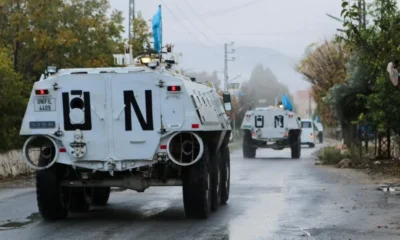
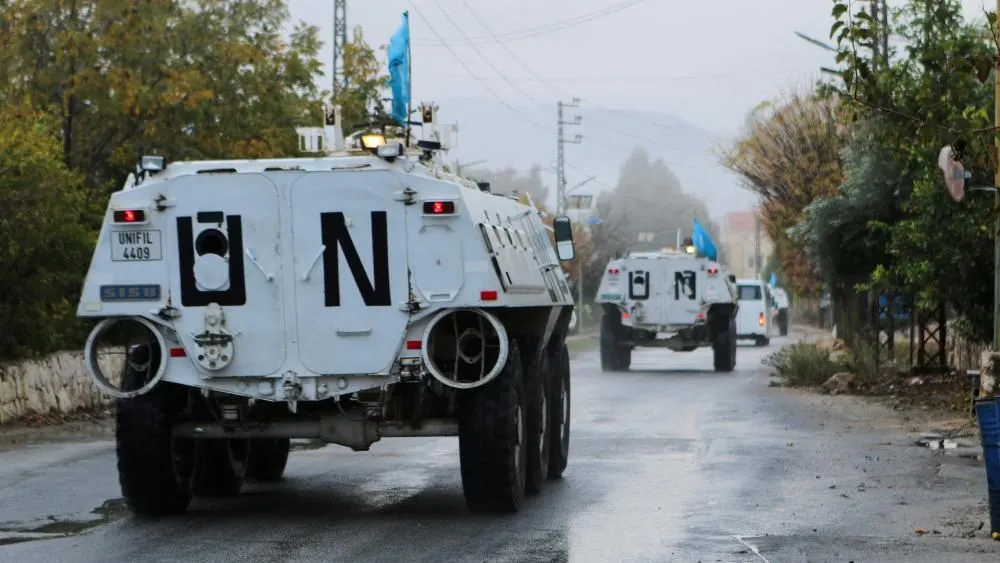
Three United Nations peacekeepers have been killed in southern Lebanon, with others seriously injured, as clashes between Israeli forces and Hezbollah militants intensify. The fatalities, all members of Indonesia’s UNIFIL contingent, mark one of the deadliest attacks on peacekeepers in recent years.
The first incident occurred on Sunday, March 29, when a projectile exploded near a UNIFIL position in Adchit al-Qusayr, killing one peacekeeper and seriously injuring another. Evidence suggests the projectile may have been fired from an Israeli tank, though investigations are ongoing. The following day, two more Indonesian peacekeepers were killed when a logistics convoy vehicle was destroyed by an explosion of unknown origin near Bani Hayyan, leaving additional personnel injured.
UN Secretary-General António Guterres condemned the killings, calling them “grave violations of international humanitarian law” and emphasizing that “no one should ever have to die while serving the cause of peace.” He extended condolences to the families of the deceased and wished a speedy recovery to the injured.
READ ALSO:
- Iyabo Ojo Quits Mediation Between Funke Akindele, Toyin Abraham
- 2027: Badagry elders rally Tinubu to back zone’s first Lagos governor
- Nigerian Man Gets 15-Year US Prison Term for $1.5M Romance Scam
The incidents have prompted the UN Security Council to convene an emergency session to address the attacks. Several European countries, including France, the United Kingdom, and Belgium, issued a joint statement urging all parties to ensure the safety of UNIFIL personnel in accordance with international law. South Korea and other nations also condemned the attacks, highlighting the critical need to protect peacekeepers in conflict zones.
The deaths come amid escalating hostilities between Israel and Hezbollah, which have involved airstrikes, rocket fire, and ground operations along the Israel-Lebanon border. Civilians in southern Lebanon have been severely affected, with thousands displaced and casualties mounting on both sides.
The Indonesian government has called for a transparent investigation into the deaths of its personnel and stressed the importance of accountability. Meanwhile, UNIFIL continues to operate along the Blue Line, though the recent attacks underscore the growing risks faced by peacekeepers in volatile regions.
Israeli Fire Kills Three UN Peacekeepers in Southern Lebanon
International
Nigerian Man Gets 15-Year US Prison Term for $1.5M Romance Scam
Nigerian Man Gets 15-Year US Prison Term for $1.5M Romance Scam
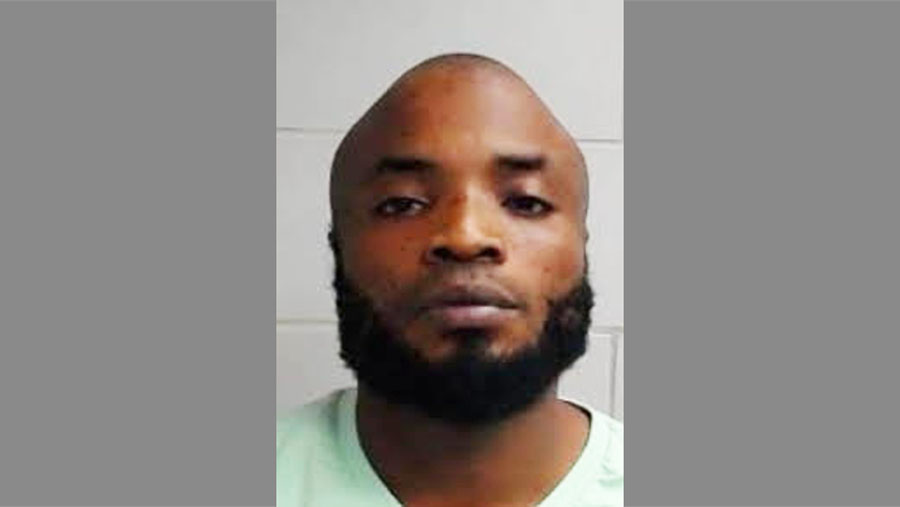
A U.S. federal court has sentenced Nigerian national Saheed Sunday Owolabi to 15 years in prison for orchestrating an international wire fraud and money laundering scheme that defrauded victims of over $1.5 million. The sentence follows his conviction for conspiracy to commit wire fraud and conspiracy to commit money laundering, highlighting the U.S. government’s crackdown on cross-border cybercrime.
According to the U.S. Department of Justice, Owolabi was a key figure in a sophisticated online scam in which he posed as a woman to build fake romantic relationships with U.S. victims—a tactic commonly known as a romance scam. Once trust was gained, the victims were persuaded to wire money into accounts controlled by Owolabi, who then laundered the funds to Nigeria.
READ ALSO:
- Céline Dion Announces Stage Comeback After Four-Year Health Battle
- Senate Passes ₦68.32trn 2026 Budget, Increases Tinubu’s Proposal
- FG Raises Gas Price to $2.18/MMBtu, Signals Fresh Economic Pressure for Nigerians
Investigations by the Federal Bureau of Investigation (FBI) revealed that Owolabi and his co-conspirators also used victim-provided accounts to launder money from other fraudulent operations. In one case, a single victim in the Eastern District of North Carolina lost more than $120,000, with many other victims nationwide affected by the scheme.
U.S. Attorney Ellis Boyle described Owolabi as a “cheat” and said the sentence underscores the FBI’s commitment to identifying, disrupting, and dismantling international fraud and money-laundering networks targeting American citizens.
The court proceedings, led by Assistant U.S. Attorney Brad DeVoe, highlighted Owolabi’s role as an organiser in the fraud, using complex money-laundering methods to conceal illicit proceeds. The case is part of broader U.S. enforcement efforts against online fraud, cybercrime, and cross-border financial crimes, particularly schemes leveraging digital platforms to exploit victims.
Authorities say the sentence serves as a strong deterrent to others involved in international scams and demonstrates that sophisticated internet fraud operations will be pursued rigorously, regardless of the perpetrators’ location.
Nigerian Man Gets 15-Year US Prison Term for $1.5M Romance Scam
International
US Warns Iran Against Closing Strait of Hormuz, Cites “Severe Consequences”
US Warns Iran Against Closing Strait of Hormuz, Cites “Severe Consequences”
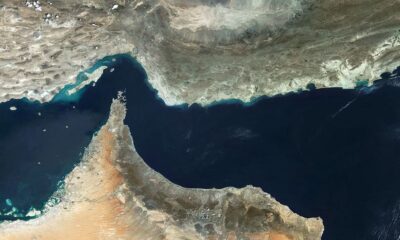
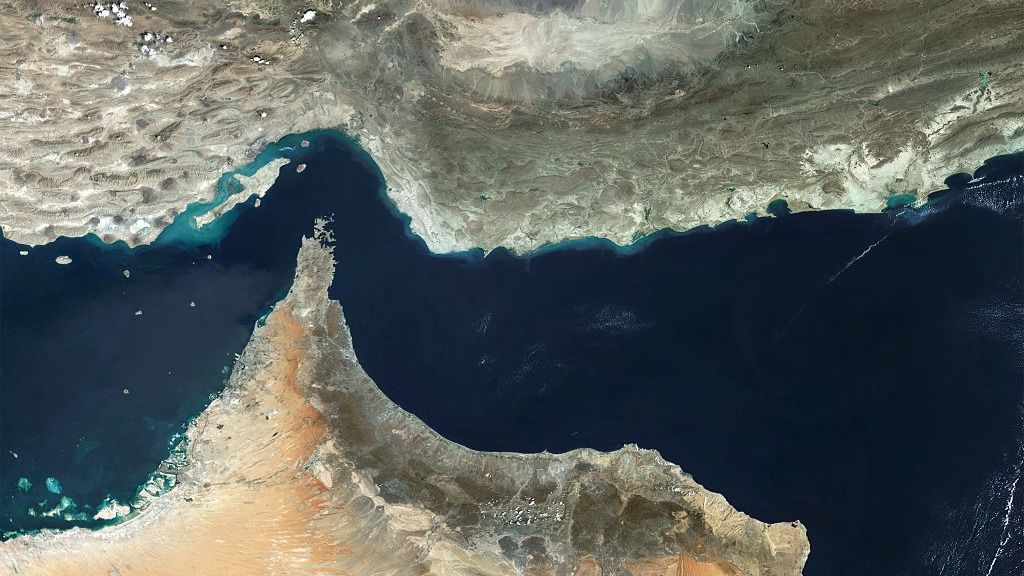
Washington, D.C. — The United States has issued a strong warning to Iran over any potential move to shut down the strategic Strait of Hormuz following ongoing military operations in the region, with Secretary of State Marco Rubio cautioning that such an action would attract “severe consequences.”
Rubio, speaking amid heightened tensions in the Middle East, stressed that the vital waterway must remain open to global shipping, describing any attempt by Iran to block access as unacceptable and destabilising.
“The Strait of Hormuz is an international waterway that must remain open,” Rubio said. “If Iran chooses to close it after military operations conclude, it will face serious consequences. The United States will ensure that freedom of navigation is maintained.”
The Strait of Hormuz is one of the world’s most critical oil transit routes, serving as a gateway for nearly a fifth of global petroleum supplies. Any disruption to its operations could send shockwaves through international energy markets and significantly impact global trade.
Tensions have escalated in recent days following military developments involving the United States and its regional allies, alongside growing concerns over Iran’s response. Analysts say Tehran has previously hinted at the possibility of leveraging the strait as a strategic pressure point during periods of conflict.
READ ALSO:
- China Thanks ‘Relevant Parties’ as Ships Cross Strait of Hormuz Amid Tensions
- Osimhen Among Highest-Paid African Footballers in 2026 — See Full List
- Lagos NURTW Chairman Sego Distributes Exotic Cars, Luxury Items to Cabinet Members (Video)
Security experts warn that a closure of the narrow waterway could trigger a broader regional crisis, potentially drawing in global powers and leading to military confrontations at sea. The U.S. Navy, which maintains a strong presence in the region, has historically conducted operations to safeguard commercial shipping routes.
While Iranian officials have not formally announced any decision to block the strait, past rhetoric from Tehran has included threats to disrupt maritime traffic if its national interests are threatened.
In response, U.S. officials reiterated their commitment to maintaining stability and ensuring the uninterrupted flow of commerce. Rubio emphasised that any move to interfere with international shipping lanes would not only affect the United States but also have far-reaching consequences for the global economy.
Observers note that the warning underscores the strategic importance of the Strait of Hormuz and highlights the fragile security situation in the Gulf region. With tensions still simmering, diplomatic efforts are expected to continue alongside military preparedness.
As the situation unfolds, the international community remains watchful, with many nations urging restraint to avoid further escalation in an already volatile region.
US Warns Iran Against Closing Strait of Hormuz, Cites “Severe Consequences”

-

 Entertainment2 days ago
Funke Akindele, Toyin Abraham Spark Reactions Over Alleged Snub at Iyabo Ojo’s Premiere
-

 metro2 days ago
Jos Attack: Plateau Govt Declares 48-Hour Curfew After Deadly Assault
-

 Education1 day ago
WAEC Releases 2026 WASSCE Timetable for School Candidates
-

 Auto1 day ago
Lagos NURTW Chairman Sego Distributes Exotic Cars, Luxury Items to Cabinet Members (Video)
-
 News2 days ago
UK Raises Visa Costs, Tightens Immigration Rules From April 8
-

 metro1 day ago
Cars Torched as South Africans Protest Alleged Nigerian ‘Igbo King’ Coronation
-

 Auto2 days ago
Motoring World marks 30 years, set to rally industry leaders in Lagos
-
 International3 days ago
Iran Threatens US-Linked Universities in Middle East Amid Escalating Tensions