
International
Iran Strikes US Forces in Saudi Arabia, Damaging Aircraft
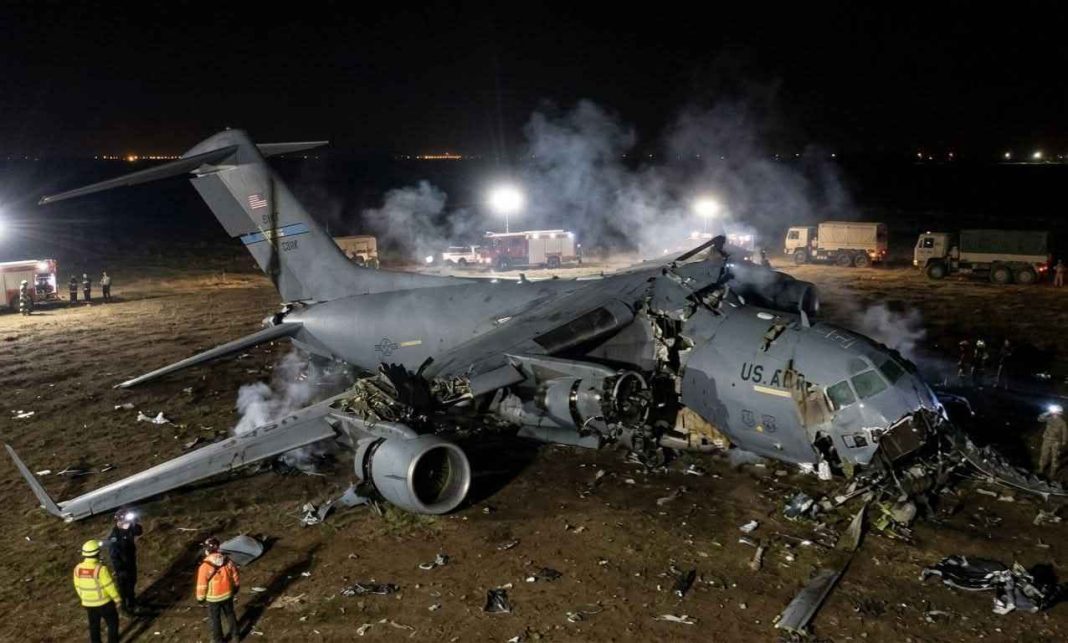
Iran Strikes US Forces in Saudi Arabia, Damaging Aircraft
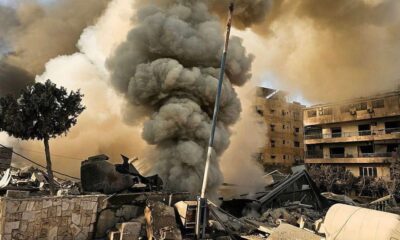
Iran’s Islamic Revolutionary Guard Corps (IRGC) has launched a missile attack on US forces stationed at the Prince Sultan Air Base in Al-Kharj, Saudi Arabia, escalating tensions across the Gulf region. The strike marks a significant escalation in the Middle East conflict, following recent US and Israeli operations against Iranian military infrastructure.
The IRGC stated that the missiles targeted the base, which reportedly supports advanced US fighter jets, including F‑35 Lightning II and F‑16 Fighting Falcons, as well as fuel tankers used in military operations. Iranian state media said the attack was a retaliatory measure for prior US strikes, part of Tehran’s ongoing military response in the region.
While Saudi authorities have not confirmed any direct damage to the base, their air defence systems intercepted six ballistic missiles heading toward Al-Kharj. The kingdom, a close US ally, hosts a large number of American personnel and military facilities, and has previously intercepted Iranian missiles and drones targeting the base.
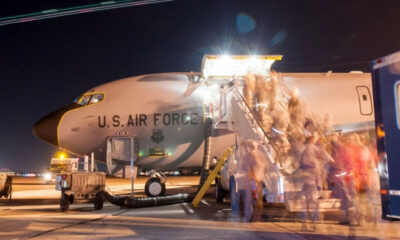
According to reports, the missile attack damaged several US Air Force refueling aircraft parked at the Prince Sultan base, although no casualties have been confirmed. The Wall Street Journal cited US officials stating that five USAF aircraft were hit but are undergoing repairs. US President Donald Trump later clarified that most of the affected planes sustained only minor damage and have already returned to service.
READ ALSO:
- More Pressure on Oil Markets as Iran Threatens UAE Ports After US Strikes Kharg Island
- Calls Intensify for Tinubu Govt to Scrap NYSC Amid Rising Insecurity
- Five Sunnah Acts Muslims Should Observe on Eid al-Fitr
The strike is part of a broader pattern of Iranian missile and drone attacks across Gulf states, including the UAE, Kuwait, Bahrain, and Qatar, targeting sites hosting US or allied forces. Regional air defences have intercepted multiple aerial threats, underscoring the heightened security risks in the Gulf.
Saudi Arabia has condemned attacks by Iran, describing them as “reprehensible” violations of regional sovereignty, while emphasizing the kingdom’s right to defend strategic infrastructure. Despite repeated provocations, Riyadh has avoided large-scale direct military engagement with Tehran, focusing on air defence and cooperation with US allies.
The Prince Sultan missile attack follows a major US strike on Iran’s Kharg Island, a vital oil export hub. The broader Middle East conflict has already disrupted global energy markets and international shipping routes, particularly the Strait of Hormuz, contributing to higher oil prices and increased geopolitical risk.
Analysts warn that continued military escalation could further destabilize the Gulf, impacting global trade, energy security, and regional stability. Both the US and Saudi Arabia continue to monitor the situation closely, preparing to respond to any further Iranian provocations.
Iran Strikes US Forces in Saudi Arabia, Damaging Aircraft









International
More Pressure on Oil Markets as Iran Threatens UAE Ports After US Strikes Kharg Island
More Pressure on Oil Markets as Iran Threatens UAE Ports After US Strikes Kharg Island
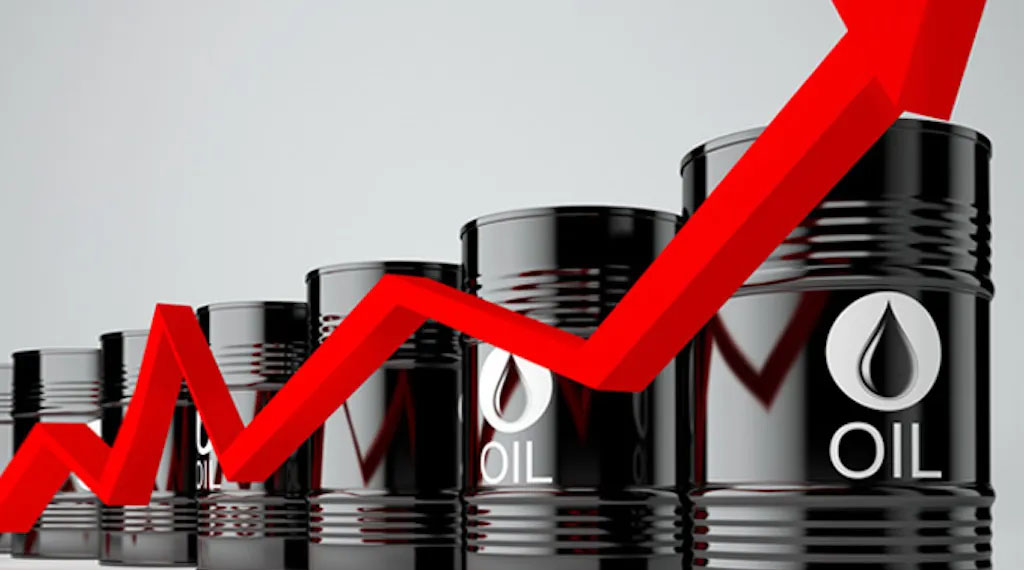
Tensions in the Middle East continued to escalate yesterday after Iran vowed retaliation against strategic ports and facilities in the United Arab Emirates (UAE) following last week’s US attack on its key oil export hub on Kharg Island. The developments have added fresh pressure on global oil markets already strained by disrupted shipping routes and geopolitical risk. Iran’s response included direct warnings to residents near major UAE facilities — including Jebel Ali Port in Dubai, Khalifa Port in Abu Dhabi, and Fujairah Port in the eastern emirate — to evacuate before possible attacks. Tehran’s leadership cited these locations as potential targets because they house American interests and military assets that Iran claims were used to launch recent strikes against its territory.
Officials in the UAE have not confirmed imminent attacks but have suspended some oil loading operations in Fujairah after a separate drone strike caused a fire at the port earlier this week. Fujairah, outside the Strait of Hormuz, is a crucial hub for the UAE’s crude exports and supplies about 1 million barrels per day of Murban crude — equivalent to roughly 1% of global demand.
In a statement attributed to the country’s Revolutionary Guards, Iran declared that it considers it a “legitimate right to defend its national sovereignty” by targeting what it described as “American hideouts” and military positions in the UAE. The government acknowledged the US military’s recent assault on Kharg Island, which US commanders say struck more than 90 Iranian military targets, including storage facilities for naval mines and missiles. Although the United States says it avoided damage to Iran’s oil infrastructure, Iranian authorities have disputed claims regarding the effectiveness of the attack. Video footage and local reports suggest some facilities on the island — a key transit point for about 90% of Iran’s crude exports — may remain functional despite the strikes.
READ ALSO:
- Calls Intensify for Tinubu Govt to Scrap NYSC Amid Rising Insecurity
- Five Sunnah Acts Muslims Should Observe on Eid al-Fitr
- Ramadan Day 26: Understanding the Importance of Zakatul Fitr Before Eid
Iran’s foreign ministry earlier suggested it might allow limited passage of oil tankers through the Strait of Hormuz only if crude cargoes are sold in Chinese yuan, challenging the dominance of the US dollar in global oil trade — a move that, if implemented, could have major implications for commodity markets.
The geopolitical escalation has already injected a fresh “risk premium” into oil prices, pushing benchmarks higher. Traders globally are monitoring the situation closely, with concerns that any disruption to key sea routes — particularly the Strait of Hormuz, through which a significant portion of world oil supplies transit — could sharply tighten global supply. Crude oil prices, which had climbed over recent sessions, remained elevated in markets yesterday. The threat of attacks near major shipping lanes and export terminals has compounded fears that supply could be interrupted for longer than previously anticipated.
The crisis has also influenced domestic fuel prices in countries heavily reliant on imported refined products. In Nigeria, pump prices for petrol remained above ₦1,000 per litre in many areas, reflecting the ripple effect of higher global crude prices. However, analysts noted that fuel queues were largely absent, suggesting that traders have adjusted distribution and pricing relatively smoothly for now. Transport fares, according to commuters and transport unions, have not decreased despite the recent price stability at filling stations, with many operators citing ongoing cost pressures from exchange rate volatility and logistical expenses.
In Abuja, the Presidency dismissed claims by former Anambra State governor and Labour Party presidential candidate Peter Obi, who had attributed the rising petrol prices partly to Nigeria’s lack of a strategic petroleum reserve (SPR). The government described Obi’s explanation as an oversimplification of global energy market dynamics. Olusegun Dada, Special Assistant to the President on Social Media, reiterated that Nigeria’s price deregulation means fuel costs are now driven by crude oil prices, exchange rates, shipping costs and geopolitical risks rather than government price controls. He said strategic reserves, while valuable for emergency situations like wars or embargoes, are not designed to stabilize everyday retail prices. Instead, Nigeria’s energy challenges, he argued, stem from limited refining capacity, dependency on imported refined products, and structural inefficiencies in the sector.
In the midst of rising turmoil, US President Donald Trump reiterated calls for other nations to help secure the Strait of Hormuz, one of the world’s most critical oil shipping corridors. In a social media statement, Trump said he expected countries “especially those affected by Iran’s attempted closure of the Hormuz Strait” to dispatch warships to protect maritime traffic. He named China, France, Japan, South Korea, and the UK as potential partners, though none had publicly confirmed participation at the time of his remarks. Trump also warned that Iran, despite suffering significant damage, continued to pose risks to shipping, saying the US would “continue military operations to secure the route” and ensure it is “open, safe, and free.”
More Pressure on Oil Markets as Iran Threatens UAE Ports After US Strikes Kharg Island
International
Trump Urges UK, China, Others to Send Warships as Iran Threatens Strait of Hormuz Oil Route
Trump Urges UK, China, Others to Send Warships as Iran Threatens Strait of Hormuz Oil Route
US President Donald Trump has called on major global powers to deploy warships to help secure the Strait of Hormuz, as Iranian attacks and threats continue to disrupt one of the world’s most critical oil shipping routes.
The appeal comes as the war involving the United States, Israel and Iran intensifies, triggering fears of a wider regional conflict and sending global energy markets into turmoil.
Trump said countries heavily reliant on oil transported through the strait should take part in protecting the passage alongside American forces.
“Many countries, especially those who are affected by Iran’s attempted closure of the Hormuz Strait, will be sending warships, in conjunction with the United States of America, to keep the Strait open and safe,” Trump said in a social media post.
He added that nations such as China, France, Japan, South Korea and the United Kingdom should help safeguard the vital waterway.
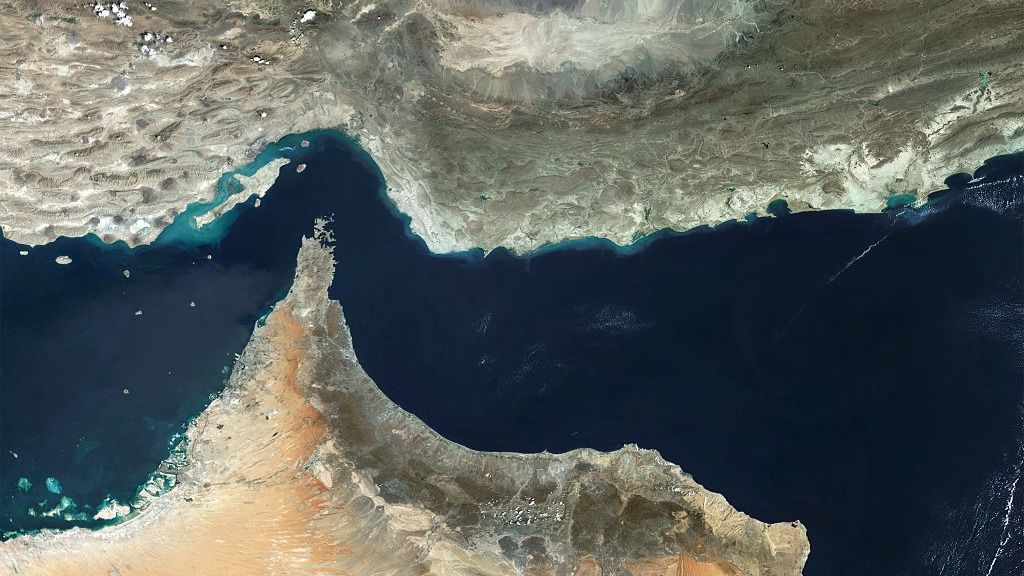
The Strait of Hormuz, located between Iran and Oman, is considered one of the world’s most important energy chokepoints, normally carrying about one-fifth of global oil supplies. However, the threat of Iranian missile and drone attacks has significantly disrupted tanker traffic in the area.
Energy markets have reacted sharply to the escalating conflict, with oil prices surging by about 40 percent amid fears that supplies from the Gulf could be severely disrupted if the strait is fully blocked.
READ ALSO:
- ADC: Appeal Court Did Not Sack David Mark, Aregbesola
- Nigerians Among 141 Injured As UAE Intercepts Iranian Missiles
- Old Dominion University Shooting: Terrorism Suspect Had Links to Nigeria-Based ISIS
The conflict began on February 28, when US and Israeli forces launched a large-scale military campaign targeting Iranian military infrastructure. Despite sustaining heavy bombardment, Iran has rejected Trump’s claim that its military capabilities have been “100 percent destroyed.”
Iranian forces have continued launching drones and missiles targeting Israel, Gulf energy facilities and US-linked assets across the Middle East. Explosions were reported in several locations across the region over the weekend.
In Bahrain’s capital Manama, blasts were heard by journalists as black smoke rose from areas near oil facilities. In the United Arab Emirates port city of Fujairah, witnesses reported thick plumes of smoke near a major oil storage terminal.
Security sources also said a drone struck the US embassy compound in Iraq, marking the second such attack since the war began.
Trump warned that the United States would intensify military action against Iran if attacks on shipping or allied targets continue.
“In the meantime, the United States will be bombing the hell out of the shoreline and continually shooting Iranian boats and ships out of the water,” the president said.
US forces on Friday struck military targets on Kharg Island, Iran’s primary oil export hub through which most of the country’s crude shipments pass. Trump said the operation destroyed every Iranian military target on the island while deliberately avoiding damage to energy facilities.
Iran, however, warned that any attack on its oil infrastructure would trigger devastating retaliation against US-linked energy companies and facilities across the region. Tehran warned such companies could be “turned into a pile of ashes” if Iranian oil sites were targeted.
Iranian authorities say more than 1,200 people have been killed in US and Israeli strikes since the conflict began, although the figures have not been independently verified. The United Nations refugee agency estimates that up to 3.2 million people have been displaced, with many fleeing Tehran and other major cities.
READ ALSO:
- Jimoh Ibrahim: Tinubu Needs Time to Address Inflation Caused by Buhari’s Fiscal Policies
- Heartbreaking Video: Mother of Nigerian Soldier Curses Govt Over Poor Troop Welfare
- UNESCO Alarmed as Iran Reports Extensive Damage to Historic Sites
The Pentagon says more than 15,000 targets inside Iran have been struck by US and Israeli forces during the campaign. The US military has also suffered casualties, with 13 American personnel reported killed so far, including six crew members aboard a refuelling aircraft that crashed in Iraq in an incident officials say was not related to hostile fire.
Despite the sustained attacks, Iran has continued launching missiles and drones across the Middle East. Explosions were heard over Jerusalem after Israeli air defenses intercepted missiles fired from Iran.
Several Gulf states also reported new interceptions of Iranian drones and missiles. In Kuwait, a drone strike damaged the radar system at the country’s international airport, though authorities said no injuries were reported.
Qatar also intercepted missiles over its airspace, prompting evacuations in parts of the capital Doha.
Iran’s Revolutionary Guards said they had fired missiles at US forces stationed at the Al-Kharj military base in Saudi Arabia, though Saudi authorities said they intercepted several ballistic missiles headed toward the base.
The conflict has also expanded into Lebanon after the Iran-backed militant group Hezbollah launched attacks on Israel following the death of Iran’s supreme leader Ali Khamenei earlier in the war.
Israel has responded with extensive air and ground operations in Lebanon, with Lebanese authorities reporting that at least 826 people have been killed. Israeli evacuation orders covering large areas of southern Lebanon have displaced hundreds of thousands of residents, raising fears of a humanitarian crisis.
Hezbollah fighters said they were engaged in direct clashes with Israeli forces in the southern Lebanese town of Khiam late Saturday.
The conflict is already affecting global activities beyond the battlefield. Motor sport authorities have cancelled the Bahrain and Saudi Arabia Formula One races scheduled for April, citing security concerns linked to the escalating war.
Meanwhile in Australia, three members of Iran’s visiting women’s football team abandoned their asylum applications and returned home after tensions rose over their participation in the tournament. Seven players had initially sought protection after being branded “traitors” in Iran for refusing to sing the national anthem during the Women’s Asian Cup.
Only three members of the group now remain in Australia.
With military strikes continuing and tensions escalating across multiple fronts, analysts warn the conflict could further destabilise global energy markets and trigger a wider regional war.
Trump Urges UK, China, Others to Send Warships as Iran Threatens Strait of Hormuz Oil Route
International
Nigerians Among 141 Injured As UAE Intercepts Iranian Missiles
Nigerians Among 141 Injured As UAE Intercepts Iranian Missiles
The United Arab Emirates Ministry of Defence has confirmed that nationals from Nigeria and several other countries were among those injured after the country’s air defence systems intercepted missiles and drones launched from Iran amid escalating tensions in the Middle East.
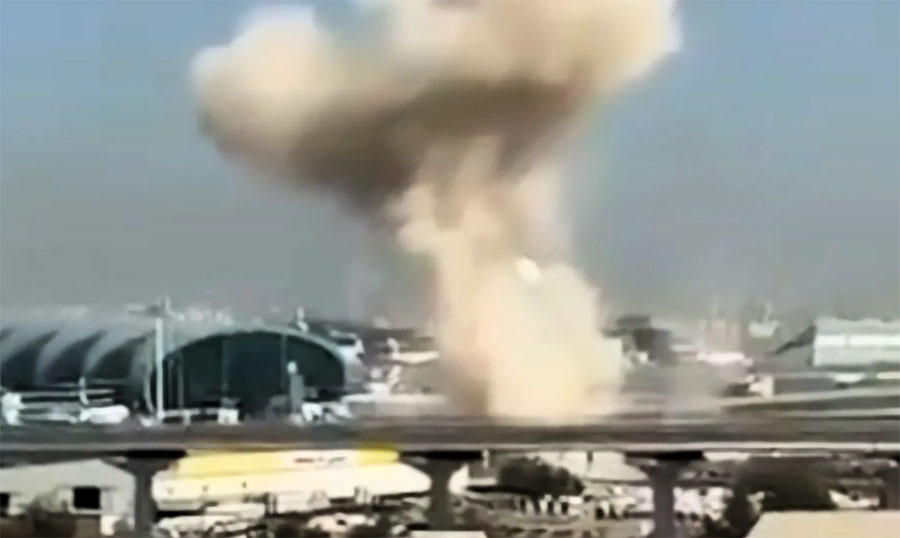
In a statement issued on Saturday, the ministry said its air defence systems successfully engaged nine ballistic missiles and 33 unmanned aerial vehicles (UAVs) launched toward the UAE on March 14.
According to the ministry, the incident resulted in six fatalities involving Emirati, Pakistani, Nepali and Bangladeshi nationals, while 141 people sustained minor to moderate injuries.
“These attacks have resulted in six fatalities of Emirati, Pakistani, Nepali and Bangladeshi nationals, and 141 minor to moderate injuries among nationals of the UAE, Egypt, Sudan, Ethiopia, the Philippines, Pakistan, Iran, India, Bangladesh, Sri Lanka, Azerbaijan, Yemen, Uganda, Eritrea, Lebanon, Afghanistan, Bahrain, Comoros, Türkiye, Iraq, Nepal, Nigeria, Oman, Jordan, Palestine, Ghana, Indonesia and Sweden,” the ministry said. (Gulf Today)
READ ALSO:
- Old Dominion University Shooting: Terrorism Suspect Had Links to Nigeria-Based ISIS
- Heartbreaking Video: Mother of Nigerian Soldier Curses Govt Over Poor Troop Welfare
- UNESCO Alarmed as Iran Reports Extensive Damage to Historic Sites
Authorities did not disclose the exact number of Nigerians affected, but confirmed that foreign nationals from more than 30 countries were among those injured.
Officials explained that most casualties were caused by falling debris and shrapnel from intercepted missiles and drones, which landed in several areas after the air defence systems destroyed the incoming projectiles.
The ministry also revealed that since the start of what it described as “Iranian aggression,” the UAE’s defence systems have intercepted 294 ballistic missiles, 15 cruise missiles and nearly 1,600 unmanned aerial vehicles launched toward the country.
Earlier defence updates had indicated that hundreds of Iranian drones and missiles have been launched toward the UAE since late February, with the vast majority intercepted before reaching their targets. (Gulf Today)
The UAE government said its armed forces remain on high alert and are fully prepared to respond to any threats against the country.
“The UAE remains ready to firmly confront any attempts to undermine its security while safeguarding its sovereignty and national interests,” the ministry stated.
The attacks come amid rising tensions in the Middle East involving Iran, the United States and Israel.
The latest escalation followed Israeli airstrikes on targets in Tehran, which Israeli authorities said were aimed at weakening Iran’s nuclear programme. The United States later joined the military operation, raising fears of a wider regional conflict.
In response to the deteriorating security situation, Nigeria’s Ministry of Foreign Affairs earlier issued a travel advisory urging Nigerians living in Iran and other Gulf countries to remain vigilant and limit non-essential movement while monitoring developments.
Authorities in the UAE have urged residents to rely on official information sources and avoid spreading unverified reports, assuring the public that the country’s air defence systems remain capable of countering further threats.
Nigerians Among 141 Injured As UAE Intercepts Iranian Missiles

-

 Entertainment2 days ago
Broda Shaggi Reportedly Shot While Filming Skit in Ogun, Hospitalised
-

 metro1 day ago
Viral Video: Igbinedion Education Centre Expels Students Over Assault on Classmate
-

 metro3 days ago
Tracy Ohiri Retracts Allegations Against Umahi, Issues Public Apology
-

 metro1 day ago
Popular Pastor Agbala Gabriel Faces Fraud, Sexual Allegations
-

 metro2 days ago
King Mitchy Apologises to Seyi Tinubu, Ooni of Ife, VeryDarkMan After Online Controversy
-
 International1 day ago
Iranian Missile Strike Damages Five US Refueling Tanks at Saudi Air Base
-
 Business3 days ago
NNPC Cuts Petrol Price to ₦1,130 in Lagos, ₦1,165 in Abuja
-

 metro1 day ago
Anambra Govt Arrests Native Doctor Accused of Luring Youths With Ritual Wealth