
International
Israel attacks Iran’s nuclear sites, kills military chiefs, scientists

Israel attacks Iran’s nuclear sites, kills military chiefs, scientists
A major military escalation erupted Thursday night as Israel carried out extensive strikes across Iran, hitting nuclear facilities, missile sites, senior military commanders, and top scientists linked to Tehran’s nuclear programme.
The surprise offensive, conducted without direct backing from the United States, signals a bold shift in Israel’s posture toward its most formidable regional rival. Washington quickly moved to distance itself from the operation, as tensions in the region reached a boiling point.
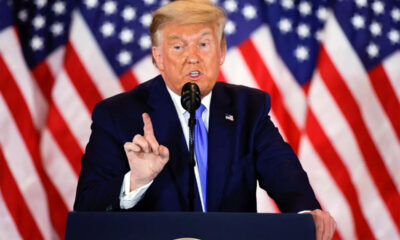
U.S. President Donald Trump, speaking earlier in the day, expressed opposition to a military strike and emphasized hope for diplomacy. “He still believed a nuclear deal was possible,” Trump stated Thursday, only hours before Israel initiated the assault.
Nevertheless, the Israeli military proceeded with the operation, reportedly targeting both Iran’s strategic infrastructure and high-level personnel. Trump later confirmed on Fox News that the U.S. had prior knowledge of the strikes but did not participate. “CENTCOM is on high alert for retaliation against U.S. targets,” he said.
Among the casualties confirmed by Iranian state media were Gen. Hossein Salami, commander of the Islamic Revolutionary Guard Corps, military chief of staff Gen. Mohammad Bagheri, and at least one other senior general. Two top nuclear scientists were also reported killed. Footage broadcast by state media showed thick plumes of smoke rising from civilian areas.
In response, Supreme Leader Ali Khamenei vowed retribution, promising “a harsh punishment” for the attacks.
READ ALSO:
- Lassa fever kills 142 people, spreads to 18 states
- Saraki blasts NASS members for being ineffective
- Wave your magic wand on Nigeria’s electricity, Speaker Abbas tells Tinubu
Israel, anticipating retaliatory strikes, has declared a national state of emergency. Defense Minister Israel Katz warned that drone and missile attacks from Iran could be imminent. Schools and most workplaces have been ordered closed across the country on Friday.
“This campaign will continue as long as it takes,” Israeli Prime Minister Benjamin Netanyahu announced, with an Israel Defense Forces (IDF) spokesperson confirming that the operation is expected to last several days. Officials added that Israel is prepared for Iranian counterattacks.
According to an IDF official, recent intelligence suggested that Iran was accelerating its efforts toward developing a nuclear weapon. “We are now in a strategic window of opportunity and close to a point of no return, and we had no choice but to take action,” the official said.
Tehran continues to deny any pursuit of nuclear weapons. The U.S. and its allies have not issued recent warnings about an Iranian nuclear breakout.
Sources familiar with diplomatic communications indicated that the U.S. privately informed several allies that Israeli strikes were likely, reiterating that the American military would not be involved. As Axios reported, the Trump administration made clear to Israeli officials that it would not support direct action against Iran’s nuclear facilities.
Still, Israel’s military campaign appears to have been months in the making. Netanyahu claimed Iran had “taken unprecedented steps” in advancing its nuclear capabilities while amassing a significant arsenal of ballistic missiles. He said the goal of the operation was to “eliminate” both threats.
Amid fears of broader conflict, Israel has shut its airspace and relocated top political officials to secure locations. Iran also suspended flights from Tehran’s main international airport.
READ ALSO:
- MKO Abiola’s son: Wrongs done to our parents now corrected
- 2027: Tinubu and the snake
- Why I apologised for criticising Goodluck Jonathan -Bello El-Rufai
“Tonight, Israel took unilateral action against Iran. We are not involved in strikes against Iran and our top priority is protecting American forces in the region,” Secretary of State Marco Rubio said in a statement. “Israel advised us that they believe this action was necessary for its self-defense,” he added.
Rubio emphasized that “President Trump and the Administration have taken all necessary steps to protect our forces and remain in close contact with our regional partners. Let me be clear: Iran should not target U.S. interests or personnel.”
Although Israel had been conducting military readiness exercises in recent weeks, it previously signaled a willingness to wait for the outcome of nuclear negotiations. Netanyahu thanked Trump for his years of support but received no public backing for the current strikes.
With the offensive underway, prospects for the upcoming round of U.S.-Iran nuclear talks — previously set for Sunday — appear all but extinguished. A high-level meeting of the U.S. National Security Council is scheduled for Friday at 11 a.m. in the White House Situation Room.
Iran has vowed to retaliate, potentially putting U.S. forces and assets across the region at risk. In anticipation of potential strikes, Washington has begun withdrawing diplomats and military families from Iraq, Bahrain, and Kuwait. Additional air defense systems have been deployed to U.S. positions in the Gulf.
Israel attacks Iran’s nuclear sites, kills military chiefs, scientists
(AXIOS)







International
Trump Says US Warships Being Reloaded With Weapons to Strike Iran If Pakistan Talks Fail

Trump Says US Warships Being Reloaded With Weapons to Strike Iran If Pakistan Talks Fail
United States President Donald Trump has said American warships are being rearmed with advanced weaponry and prepared for possible strikes against Iran if ongoing peace negotiations in Pakistan fail to produce an agreement.
In an interview with the New York Post, Trump said the United States is in what he described as a “reset” phase, insisting that military readiness is being strengthened while diplomatic talks continue.
“We have a reset going. We’re loading up the ships with the best ammunition, the best weapons ever made — even better than what we did previously and we blew them apart,” Trump was quoted as saying.
“And if we don’t have a deal, we will be using them, and we will be using them very effectively.”
His remarks come as Vice President JD Vance leads a high-level U.S. delegation to Islamabad, Pakistan, for crucial Iran peace talks in Pakistan aimed at preventing a renewed escalation in the Middle East.
READ ALSO:
- Gov Yusuf Accuses Former Deputy of Attempted Power Grab in Kano
- Police Debunk Viral Terror Attack Video in Abuja, Arrest Suspect
- Trump Orders JD Vance to Lead Iran War Exit Strategy Ahead of Pakistan Talks
Vance, who is known for his scepticism toward long-term military interventions, is expected to engage Iranian officials in discussions focused on stabilising a fragile ceasefire and preventing further military confrontation.
Before departing, Vance issued a warning to Tehran, telling Iranian authorities not to “play” the United States, signalling Washington’s firm stance ahead of the negotiations.
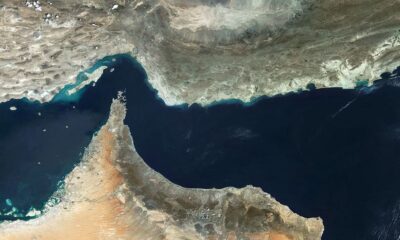
According to diplomatic sources, the talks will address key issues including nuclear compliance, maritime security in the Strait of Hormuz, and sanctions-related disputes that have fueled tensions between both countries.
President Trump also posted a cryptic message on his Truth Social platform, referring to what he called the “WORLD’S MOST POWERFUL RESET!!!”, further fueling speculation about Washington’s combined military and diplomatic strategy.
The Pakistan-hosted talks bring together senior U.S. officials, including special envoy Steve Witkoff and presidential adviser Jared Kushner, alongside Iranian representatives led by Foreign Minister Abbas Araghchi and parliamentary speaker Mohammad Bagher Ghalibaf.
Iran’s participation underscores ongoing efforts by both sides to prevent a full-scale collapse of the ceasefire, which has already been strained by mutual accusations of violations.
Analysts say the outcome of the Islamabad negotiations could determine whether the crisis moves toward a lasting settlement or escalates into renewed military confrontation with wider regional consequences.
Trump Says US Warships Being Reloaded With Weapons to Strike Iran If Pakistan Talks Fail
International
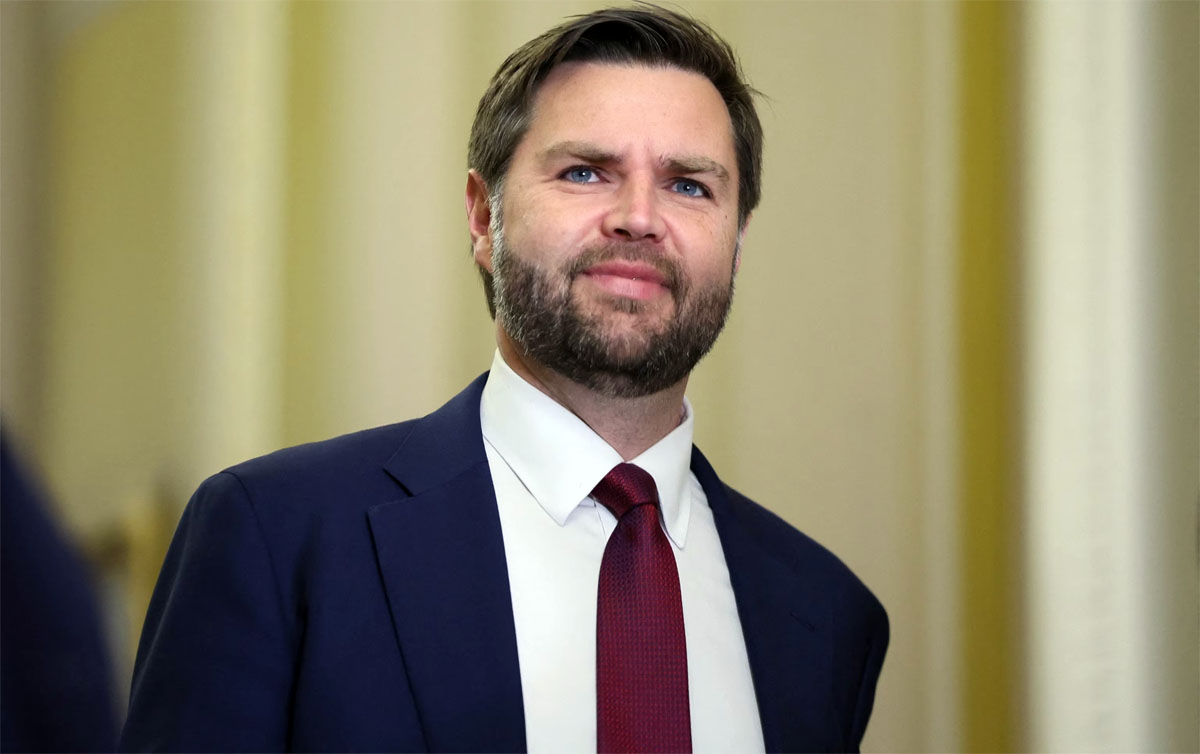
Trump Orders JD Vance to Lead Iran War Exit Strategy Ahead of Pakistan Talks
Trump Orders JD Vance to Lead Iran War Exit Strategy Ahead of Pakistan Talks
United States President Donald Trump has reportedly instructed Vice President JD Vance to urgently explore diplomatic pathways to end the ongoing U.S.–Iran war crisis, as preparations intensify for high-level peace talks scheduled to hold in Pakistan.
The directive comes amid rising tensions in the Middle East and growing concerns that a fragile ceasefire arrangement could collapse, potentially triggering a wider escalation in the region.
Vice President JD Vance, known for his long-standing scepticism toward prolonged U.S. military interventions abroad, is expected to depart on April 10 for Islamabad, where he will lead the American delegation in the upcoming Iran peace talks in Pakistan.
He will be accompanied by Trump’s special envoy Steve Witkoff and senior adviser Jared Kushner, both of whom have previously been involved in indirect diplomatic engagements with Iranian officials on nuclear issues and regional security concerns.
READ ALSO:
- NBA Warns Lawyers, Courts Against Interfering in Political Party Disputes
- Gunmen Wipe Out Family of Eight in Fresh Plateau Attack
- Germany Opens Fully Funded Scholarships for Nigerians, Africans
The talks are expected to focus on de-escalation measures, nuclear-related assurances, and broader security arrangements aimed at reducing tensions between Washington and Tehran.
Iran has also confirmed its participation in the negotiations, sending a high-level delegation led by Foreign Minister Abbas Araghchi and parliamentary speaker Mohammad Bagher Ghalibaf.
The Iranian team is expected to present its position on sanctions relief, regional security, and maritime concerns, particularly issues relating to the Strait of Hormuz, a critical global oil shipping route.
Reports indicate that the temporary ceasefire between both sides is increasingly under strain, with accusations of violations and renewed mistrust threatening to derail diplomatic progress.
President Trump has publicly accused Iran of failing to honour commitments linked to maritime security, writing on Truth Social: “That is not the agreement we have!”
The statement has added fresh tension to already fragile negotiations and raised concerns about possible disruptions to global energy markets if hostilities resume.
Pakistan has emerged as a key diplomatic venue for the talks, hosting both direct and indirect engagements between U.S. and Iranian officials in an effort to prevent further escalation of the conflict.
Diplomatic observers say the outcome of the Islamabad meeting could determine whether the crisis moves toward a lasting ceasefire or deeper confrontation involving regional and global powers.
The growing urgency of the negotiations reflects mounting international pressure on Washington and Tehran to reach a political settlement and avoid further destabilisation of the Middle East.
Trump Orders JD Vance to Lead Iran War Exit Strategy Ahead of Pakistan Talks
International
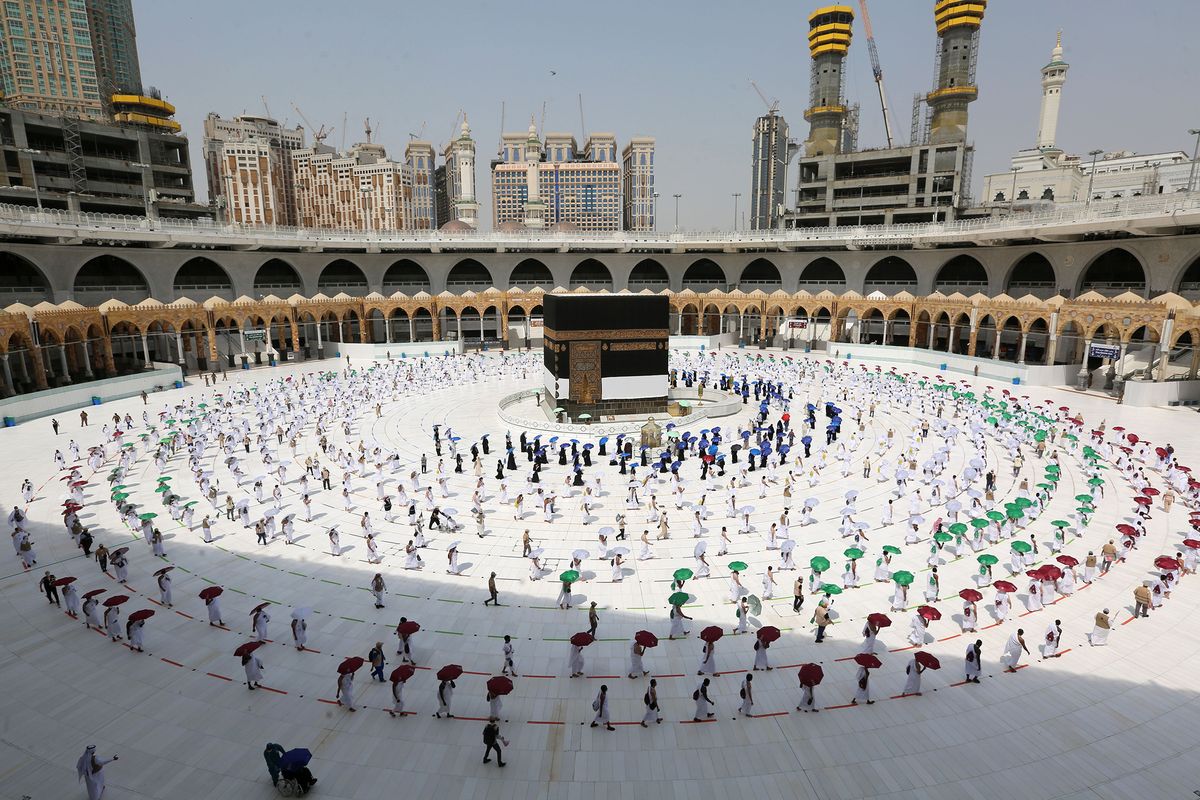
Hajj 2026: US Warns Citizens Over Travel Risks to Saudi Arabia
Hajj 2026: US Warns Citizens Over Travel Risks to Saudi Arabia
The United States Embassy in Saudi Arabia has advised American citizens to reconsider participating in the Hajj pilgrimage this year, citing ongoing regional security concerns and intermittent travel disruptions across parts of the Middle East.
In a statement issued on Tuesday, the embassy referenced the Saudi Arabia travel advisory, warning that the current security environment remains unstable and could affect movement and access to holy sites during the pilgrimage season.
“Per the Saudi Arabia Travel Advisory, and due to the ongoing security situation and intermittent travel disruptions, we advise reconsidering participation in Hajj this year,” the embassy said.
It also announced new entry regulations for Mecca ahead of the pilgrimage period, stating that from April 18, only individuals with valid permits will be allowed access. These include a Hajj permit, a Mecca-issued residency ID, or a valid work permit linked to Mecca. The embassy further warned that individuals on other visa categories should leave Mecca before the enforcement date to avoid penalties.
READ ALSO:
- Trump Slams Iran Over Strait of Hormuz as Middle East Ceasefire Talks Stall
- Thousands Return to Al-Aqsa Mosque After 40-Day Closure
- Man Admits Stabbing Wife 22 Times in Front of Four Children
The Hajj pilgrimage, one of the five pillars of Islam, is a mandatory religious duty for Muslims who are physically and financially able to undertake it at least once in their lifetime. Each year, millions of pilgrims travel to Saudi Arabia for the rites performed in and around Mecca.
The advisory comes amid heightened tensions across the Middle East, with ongoing conflicts and security incidents affecting several countries in the region. The U.S. has previously warned that instability could disrupt air travel routes, border crossings, and emergency response capacity in affected areas.
Regional tensions have escalated in recent months following intensified military exchanges involving Israel and Iran, along with related spillover effects across neighbouring countries. These developments have raised concerns over aviation safety, infrastructure security, and crowd management during major international gatherings such as Hajj.
The embassy also urged American citizens already in the Kingdom or planning to travel to remain vigilant and closely monitor official travel updates issued by both U.S. and Saudi authorities.
While no evacuation order has been issued, officials stressed that travellers should carefully reconsider non-essential trips depending on their personal risk assessment.
Hajj 2026: US Warns Citizens Over Travel Risks to Saudi Arabia

-

 Africa1 day ago
ECOWAS Recruitment 2026: Over 30 Job Vacancies Open for Nigerians (How to Apply)
-

 metro2 days ago
2026 NYSC Batch A Stream II: Registration, Swearing-In Dates Announced
-

 Politics1 day ago
Court Stops ADC Congress, Orders Status Quo in Leadership Row
-

 Entertainment2 days ago
Saheed Osupa Defends Juju Use Amid Backlash From Islamic Clerics
-
 metro1 day ago
Boko Haram Attack in Borno: Brigadier-General, Soldiers Killed as ISWAP Overruns Military Base
-

 Health1 day ago
Sleeping Positions: How They Affect Your Health and Which Ones to Avoid
-
 metro1 day ago
US Evacuates Embassy Staff in Nigeria, Lists 23 States as ‘Do Not Travel’
-

 Entertainment2 days ago
Peller Sued for ₦400 Million by Former Tour Bouncer