
metro
King Mitchy Apologises to Seyi Tinubu, Ooni of Ife, VeryDarkMan After Online Controversy

King Mitchy Apologises to Seyi Tinubu, Ooni of Ife, VeryDarkMan After Online Controversy
Nigerian content creator and philanthropist Mitchell Mukoro, popularly known as King Mitchy, has issued a public apology to Seyi Tinubu, activist Martins Vincent Otse, the Oba Adeyeye Ogunwusi, and Nigerians following weeks of controversy surrounding her actions and comments on social media.
In a video shared on her Instagram page on Thursday, Mitchy admitted that her behaviour in recent weeks was wrong and acknowledged that she had disappointed many people, particularly young followers who see her as a role model.
She said she had spent several days reflecting on the situation and decided to publicly accept responsibility for her actions.
“Good morning Nigerians. I’m ready to be held accountable for my actions. For some days I’ve thought about my behaviour and I know that I was wrong and I want to be held accountable,” she said.
The influencer particularly apologised for consuming a substance during a live video broadcast, an act that sparked widespread concern and criticism online. She admitted the incident sent a negative message to young people who admire her.
“For the substance I took on live video, that was very wrong of me because there are young girls that are looking up to be me one day and I know I disappointed a lot of people,” she said.
Mitchy also publicly apologised to Seyi Tinubu, the son of Bola Ahmed Tinubu, whom she referred to as her “boss.” She explained that although she had earlier apologised to him privately, she believed it was important to make the apology publicly because the perceived disrespect occurred in public.
READ ALSO:
- Tracy Ohiri Retracts Allegations Against Umahi, Issues Public Apology
- JAMB Disowns Lead City University Law Admissions, Warns Against Inter‑University Transfer Fraud
- NSCDC Exposes Fake NYSC Member Who Cloned Cambridge Emails to Defraud Parents
“And my boss ST (Seyi Tinubu), I’m so sorry. I know I apologised privately but I did not disrespect you privately, I disrespected you publicly so I want to apologise publicly,” she said, adding that she would never take his support for granted.
During the video, Mitchy also apologised to the Ooni of Ife, kneeling as she expressed regret for mentioning the monarch’s name during the controversy.
“I’m so sorry, sir. I’m so sorry for bringing your name into this,” she said.
The influencer also addressed activist VeryDarkMan, describing him as her “brother” and saying she now better understands the message he has been advocating about accountability and social reform in Nigeria.
“You’re fighting for Nigerians and we can make Nigeria a better place. You need more supporters, not people to fight you. I’m sorry my brother,” she said.
The controversy surrounding Mitchy began in February 2026 when she announced that she had renovated a dilapidated school within six days, presenting the project as evidence that meaningful development could happen quickly when there is genuine commitment.
However, some of her remarks were widely interpreted as criticism of VeryDarkMan, who later accused her of being used as a political tool to promote the image of the Tinubu administration.
READ ALSO:
- Lawmakers Switch Allegiance: 6 Reps Join APC, 6 Join ADC
- Court Grants ICPC Access to Examine Devices Seized from El-Rufai’s Home
- UK Announces Airspace Restrictions, Road Closures for Tinubu’s State Visit
The situation escalated further after Mitchy shared what she described as a WhatsApp conversation with the Ooni of Ife, suggesting the monarch had contacted her. The post generated widespread criticism, with some social media users accusing her of showing disrespect to the revered traditional ruler.
Tension intensified during a live video session where Mitchy appeared visibly distressed and consumed a substance believed by viewers to be bleach. The incident caused alarm among followers who urged her to stop.
Shortly after the incident, a statement posted by her management on Instagram claimed she had died at Prime Care Hospital in Abuja after medical efforts to revive her failed.
However, the hospital quickly issued a statement denying the claim, saying Mitchy had never been admitted to the facility and did not die there.
“We wish to inform the public that the announcement of the alleged death of Miss Mukoro Mitchelle, popularly known as King Mitchy, at our facility in Abuja is false,” the hospital said, adding that it was working with authorities to investigate the source of the misinformation.
Her management later retracted the earlier announcement and clarified that she was alive and recovering.
Meanwhile, Seyi Tinubu had earlier addressed allegations linking him to the dispute between Mitchy and VeryDarkMan.
In a statement shared on Instagram, Tinubu said he had only met Mitchy once in a public setting where he offered financial support for her non-governmental organisation as part of his philanthropic activities.
“There has never been a private encounter, no secret arrangement, and no impropriety of any kind,” he said.
Tinubu also accused VeryDarkMan of attempting to damage his reputation by inserting his name into a dispute he had no involvement in.
With the latest apology, Mitchy said she hopes to take responsibility for her actions and move forward, adding that she remains committed to personal growth and her philanthropic activities.
King Mitchy Apologises to Seyi Tinubu, Ooni of Ife, VeryDarkMan After Online Controversy










metro
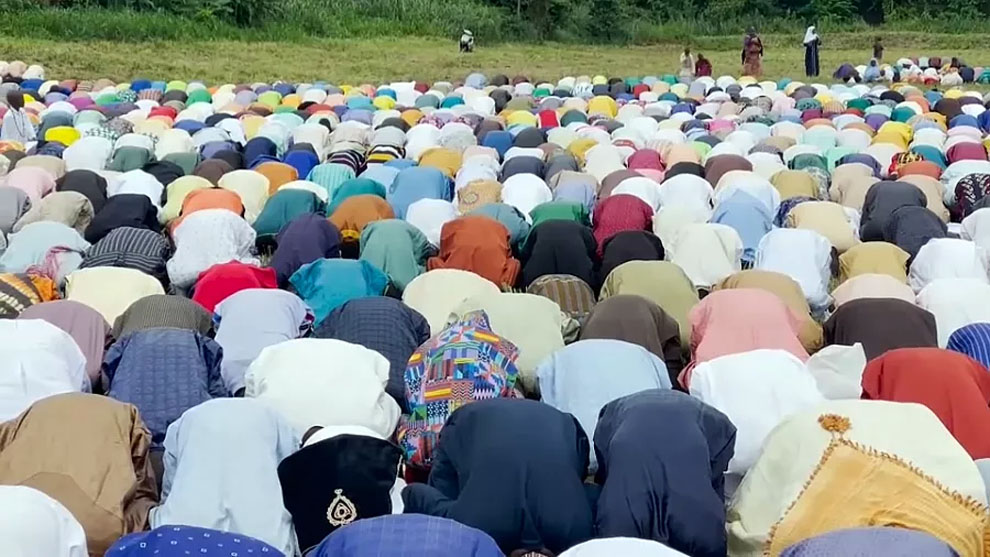
Five Sunnah Acts Muslims Should Observe on Eid al-Fitr
Five Sunnah Acts Muslims Should Observe on Eid al-Fitr
Eid al-Fitr marks the conclusion of the blessed month of Ramadan for Muslims worldwide. After weeks of fasting, reflection, and devotion, Eid is a day of celebration, gratitude, and communal joy. Beyond festive meals, new clothing, and visits with family and friends, Eid carries significant religious meaning, with certain practices recommended by the Prophet Muhammad (peace be upon him) to ensure the day is observed mindfully. These practices, known as Sunnah, guide Muslims in combining spirituality, gratitude, and social connection.
Here are five Sunnah acts recommended for Eid day, enhanced with additional insights from authentic Islamic sources:
1. Take a Bath (Ghusl) Before Eid Prayer
On Eid morning, it is Sunnah to perform Ghusl, a ritual bath, before heading out for the Eid prayer. This act of cleanliness symbolizes physical purification and spiritual readiness for the special day.
Islamic scholars note that just as Muslims prepare for Jumu’ah (Friday) prayers, Eid requires similar attention to personal hygiene. The Prophet ﷺ emphasized presenting oneself in a clean and pleasant state, reflecting respect for the day and the communal worship it entails.
Reference: Narrations in Sunan Abu Dawud and Sahih Muslim highlight the Prophet ﷺ’s practice of bathing before Eid prayers.
READ ALSO:
- Ramadan Day 26: Understanding the Importance of Zakatul Fitr Before Eid
- UK MPs Ask Starmer to Challenge Tinubu Over Killings of Christians in Nigeria
- Trump Urges UK, China, Others to Send Warships as Iran Threatens Strait of Hormuz Oil Route
2. Wear Clean or New Clothes
Another Sunnah practice is to wear clean and presentable clothes for Eid. While wearing new garments is recommended if financially feasible, it is not obligatory. The focus is on neatness, modesty, and expressing the joy of the occasion.
Dressing well for Eid symbolizes gratitude to Allah and reflects the celebratory nature of the day. Traditionally, Muslims would wear their best available clothing to the Eid prayer to honor the communal gathering and the blessings of the month.
3. Eat Before Eid Prayer (for Eid al-Fitr)
For Eid al-Fitr, it is Sunnah to eat a small meal before attending the Eid prayer. The Prophet ﷺ reportedly ate dates or a small portion of food before leaving home. This practice serves as a marker for the conclusion of Ramadan fasting and allows believers to begin the day in a state of nourishment and spiritual reflection.
It is important to note that for Eid al-Adha, the Sunnah differs: the Eid prayer is offered on an empty stomach, with the sacrificial feast taking place afterward.
4. Recite the Eid Takbeer
The Takbeer (Allahu Akbar, Allahu Akbar… La ilaha illa Allah, Allahu Akbar wa Lillah al-Hamd) is a declaration glorifying Allah, recited from the night before Eid until the conclusion of the Eid prayer.
Muslims often recite the Takbeer while traveling to the mosque or during personal devotion at home. It serves as a reminder of Allah’s greatness and reinforces the spiritual purpose behind the Eid celebrations.
Reference: Scholars in Fiqh al-Sunnah recommend the Takbeer for both Eid al-Fitr and Eid al-Adha, emphasizing its communal and spiritual significance.
5. Greet Others and Spread Joy
Eid is a time for strengthening bonds, kindness, and community cohesion. Muslims are encouraged to greet one another with phrases such as “Eid Mubarak” and to visit family, friends, and neighbours.
Sharing in the happiness of the day, giving gifts, and checking on vulnerable community members are all considered Sunnah practices that enhance the communal spirit and reflect the Prophet’s teachings on compassion and unity.
Reference: The Prophet ﷺ said: “The one who greets and shakes hands spreads peace and love among the community.” (Sunan Ibn Majah)
A Day of Gratitude and Reflection
Eid is more than festivity; it is a day of gratitude. Muslims thank Allah for granting the strength to complete Ramadan, for the blessings received, and for the opportunity to grow spiritually. Observing these Sunnah acts transforms Eid from a social celebration into a spiritually enriching day, balancing devotion, generosity, and community engagement.
By performing the Sunnah of bathing, wearing clean clothes, eating before prayer, reciting the Takbeer, and greeting others, Muslims begin Eid with mindfulness, gratitude, and a sense of shared joy.
Five Sunnah Acts Muslims Should Observe on Eid al-Fitr
metro
Ramadan Day 26: Understanding the Importance of Zakatul Fitr Before Eid
Ramadan Day 26: Understanding the Importance of Zakatul Fitr Before Eid
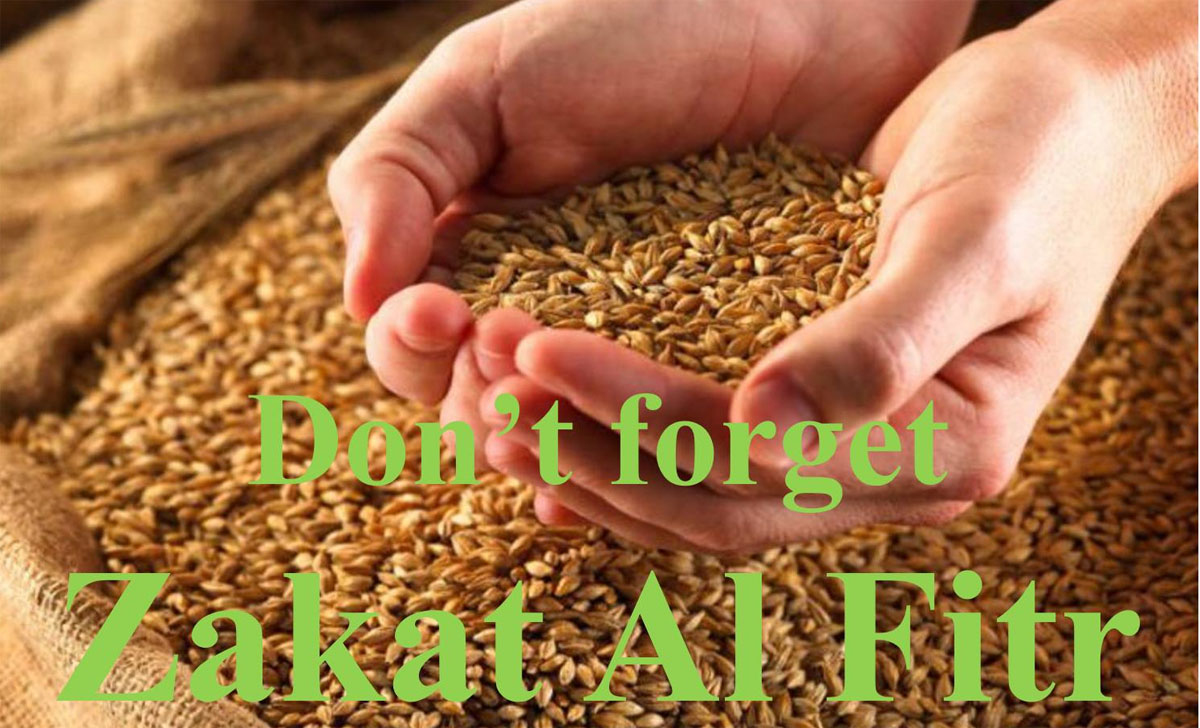
As the holy month of Ramadan draws to a close, Muslims around the world prepare for one of the most important charitable obligations in Islam — Zakatul Fitr. This special charity is performed at the end of Ramadan and represents the spiritual and social completion of fasting.
Unlike other forms of charity, Zakatul Fitr is obligatory for every Muslim who has the financial means. Its purpose is not only to purify the fasting believer but also to ensure that the joy and blessings of Eid al-Fitr are shared with the less privileged in society.
Islam teaches that worship is not limited to personal devotion but must also reflect compassion toward others. Through Zakatul Fitr, the teachings of Ramadan are translated into real acts of generosity that uplift the poor and strengthen community bonds.
The obligation of Zakatul Fitr was established by the Prophet Muhammad (peace be upon him) as a purification for those who fast. A narration reported by Ibn Abbas states that the Prophet prescribed the charity as a means of cleansing the fasting person from idle talk and indecent speech while also serving as food for the poor.
This teaching highlights the dual essence of Zakatul Fitr — spiritual purification and social compassion.
READ ALSO:
- UK MPs Ask Starmer to Challenge Tinubu Over Killings of Christians in Nigeria
- Trump Urges UK, China, Others to Send Warships as Iran Threatens Strait of Hormuz Oil Route
- ADC: Appeal Court Did Not Sack David Mark, Aregbesola
During the month of Ramadan, believers strive to maintain discipline, patience, and righteousness. However, human imperfection means that people may still fall into minor mistakes such as careless speech or impatience. Zakatul Fitr therefore acts as a form of spiritual cleansing that helps perfect the fast and compensate for these shortcomings.
Beyond spiritual purification, the charity plays a vital social role. Islam emphasizes that celebrations such as Eid al-Fitr should not exclude the poor or vulnerable members of society. By making Zakatul Fitr mandatory, the religion ensures that struggling families also have food and resources to celebrate the festival with dignity.
Traditionally, Zakatul Fitr is given in the form of staple foods commonly consumed in a community, such as rice, wheat, dates, barley, or maize. The prescribed amount is one ṣā‘, which scholars estimate to be roughly 2.5 to 3 kilograms of food per person.
The responsibility for paying Zakatul Fitr usually falls on the head of the household, who gives the charity on behalf of all dependents, including children. In this way, the entire family participates in an act of generosity that benefits those in need.
Timing is also an important aspect of the charity. Islamic scholars emphasize that Zakatul Fitr must be distributed before the Eid prayer, allowing the poor to prepare for the celebration. If it is given after the prayer, it may only count as ordinary charity rather than the special Ramadan obligation.
The essence of Zakatul Fitr lies in gratitude, purification, and compassion. After a month of fasting and spiritual reflection, Muslims are reminded that true worship should lead to kindness and generosity toward others.
Ultimately, Zakatul Fitr represents the final act that completes Ramadan. It purifies the fast, strengthens social solidarity, and spreads joy throughout the community as Muslims prepare to celebrate Eid al-Fitr.
Ramadan Day 26: Understanding the Importance of Zakatul Fitr Before Eid
metro
Lagos reintroduces monthly sanitation as waste, flood risks mount
Lagos reintroduces monthly sanitation as waste, flood risks mount
The Lagos State Government has announced the return of the monthly environmental sanitation exercise, marking a revival of a once-familiar civic routine aimed at improving cleanliness and tackling mounting waste management challenges in the state.
The exercise will officially resume on Saturday, April 25, 2026, and will subsequently hold on the last Saturday of every month between 6:30am and 8:30am.
Residents across the state are expected to clean their surroundings, clear drainage channels in front of their homes and ensure proper disposal of waste during the exercise.
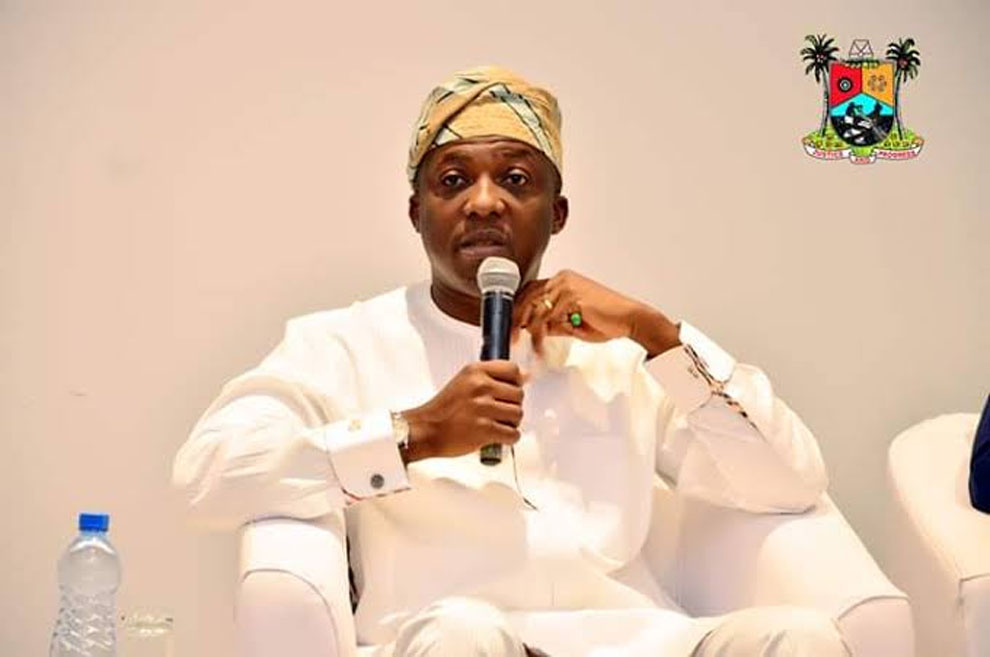
The state Commissioner for Environment and Water Resources, Tokunbo Wahab, disclosed the development in a statement on Saturday, urging Lagosians to see the initiative as a shared civic responsibility.
“I am pleased to inform all Lagosians that the monthly environmental sanitation exercise will resume effective Saturday, April 25, 2026, holding on the last Saturday of every month from 6:30am to 8:30am,” Wahab said.
“During this period, residents are enjoined to clean their surroundings, clear drainage channels in their frontages and dispose of waste properly as a civic responsibility.”
According to him, the exercise is part of the state government’s broader efforts to promote environmental hygiene and build a cleaner and flood-resilient city.
READ ALSO:
- ADC: Appeal Court Did Not Sack David Mark, Aregbesola
- Nigerians Among 141 Injured As UAE Intercepts Iranian Missiles
- Old Dominion University Shooting: Terrorism Suspect Had Links to Nigeria-Based ISIS
“This exercise is a collective responsibility and a vital part of our commitment to a cleaner, healthier and flood-resilient Lagos. It shall be backed with the full enforcement weight of the Lagos State Government,” he added.
Wahab explained that the decision signals a return to a long-standing sanitation culture that once formed part of everyday life in the state.
He noted that prior to 2016, residents routinely dedicated time once a month to clean their neighbourhoods and maintain tidy surroundings.
“Once every month, we took our time to clean up our surroundings and then maintain them sparkling. However, for some years, we stopped it,” he said.
The commissioner observed that the absence of the exercise had contributed to growing environmental pressures, including indiscriminate refuse disposal and blocked drainage channels.
“Now, waste and environmental challenges have become an existential challenge to us as a state. It has taken us over a year of discussions to agree that it is time to reintroduce the monthly environmental sanitation,” he said.
Appealing for cooperation, Wahab urged residents to devote a few hours each month to environmental cleanliness, noting that many markets in the state already observe weekly sanitation exercises.
The monthly environmental sanitation exercise, which was previously observed between 7 a.m. and 10 a.m. on the last Saturday of every month, was suspended in November 2016 following a court ruling that restricted the enforcement of movement bans during the exercise.
Its suspension later coincided with increasing waste management concerns across parts of the state, including clogged drainage systems and indiscriminate dumping of refuse.
Lagos reintroduces monthly sanitation as waste, flood risks mount

-

 Entertainment2 days ago
Broda Shaggi Reportedly Shot While Filming Skit in Ogun, Hospitalised
-

 metro1 day ago
Viral Video: Igbinedion Education Centre Expels Students Over Assault on Classmate
-

 metro3 days ago
Tracy Ohiri Retracts Allegations Against Umahi, Issues Public Apology
-

 metro1 day ago
Popular Pastor Agbala Gabriel Faces Fraud, Sexual Allegations
-

 International1 day ago
Iranian Missile Strike Damages Five US Refueling Tanks at Saudi Air Base
-

 Business3 days ago
NNPC Cuts Petrol Price to ₦1,130 in Lagos, ₦1,165 in Abuja
-

 metro1 day ago
Anambra Govt Arrests Native Doctor Accused of Luring Youths With Ritual Wealth
-

 International19 hours ago
Old Dominion University Shooting: Terrorism Suspect Had Links to Nigeria-Based ISIS