

Politics
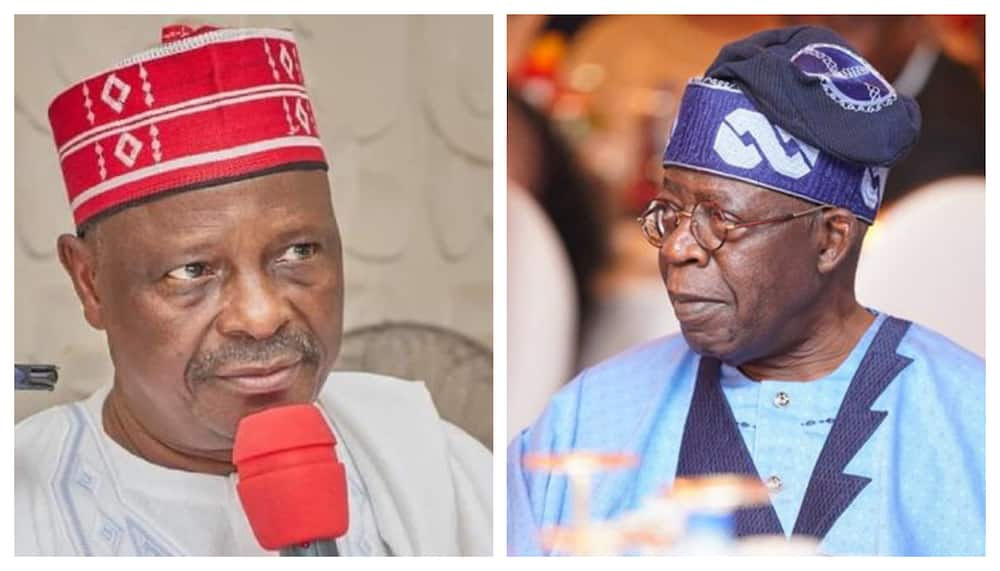
Kwankwaso Working Behind Scenes for Tinubu’s Re-election – Kano Govt
Kwankwaso Working Behind Scenes for Tinubu’s Re-election – Kano Govt
KANO, Nigeria – The Kano State Government has leveled a dramatic political allegation against Rabiu Musa Kwankwaso, the 2023 presidential candidate of the New Nigeria Peoples Party (NNPP) , claiming that the former governor may be secretly working to secure President Bola Ahmed Tinubu’s re-election in the 2027 general elections.
The Director General of Media and Publicity at the Kano Government House, Sanusi Bature Dawakin Tofa, made the explosive claim during an appearance on Arise Television’s Morning Show on Wednesday, May 20, 2026. According to Bature, while some politicians openly support President Tinubu, others – including Kwankwaso – may be backing the president quietly behind the scenes. “There are those who are working for Tinubu openly in the public space, and there are also those who can work for Tinubu behind the scene,” Bature said. “I believe whatever Kwankwaso is doing will favour Tinubu at the end of it because Kwankwaso has worked for Tinubu in 2023.” He added with striking directness, “In 2027, we are going to work for Tinubu directly and openly as members of the APC, but I believe Kwankwaso is also working for Tinubu behind the scene.”
Bature argued that the NNPP is no longer a formidable political platform for the 2027 elections, insisting that internal consultations had already produced a consensus among critical stakeholders, including Kwankwaso himself, on alternative political options involving the ruling All Progressives Congress (APC) . “The NNPP is no longer a formidable platform for 2027. There was an agreement among critical stakeholders, including Rabiu Kwankwaso, to find a lasting solution ahead of 2027 because the NNPP cannot fly on its own,” Bature stated. He further disclosed that discussions had taken place among key political actors in Kano regarding possible realignments. “With Kwankwaso’s consent, we approached Tinubu and the APC as our Option A to explore joining the party, so that the possibility of joining FEC can come into play,” he revealed.
READ ALSO:
- Oyo Grand Chief Imam Declares Marathon Prayers Over Insecurity, Peace of Oyoland
- No Fatalities in Zaria Mosque Collapse Despite Social Media Rumors
- Fuel Subsidy, FX Reforms: Cabals Plot to Destabilise Nigeria — Tinubu
According to Bature, Kwankwaso initially expressed interest in engaging President Tinubu directly in political negotiations but later abandoned the process when travel plans intervened. “Kwankwaso insisted on speaking to President Tinubu before any possible defection because the president is his friend. However, after a date was set, he cancelled the appointment, saying he was going to China, and never rescheduled,” he alleged. Bature further characterized Kwankwaso as politically confused, pointing to his recent movements between Abeokuta and Ibadan seeking political alliances. “Kwankwaso is getting confused. Somebody who does not believe in the Yoruba presidency has been moving from Abeokuta and Ibadan to seek political fortune. He has been engaging Obasanjo, the Oyo State governor to secure a political fortune,” Bature said. “This is an element of political confusion because if you believe in something you have to work for it and if you don’t, you can’t work on it. At some point, he sought Governor Makinde to secure a similar partnership and when Makinde opted out of that discussion, Kwankwaso went to Obi, the same Obi that he has been calling names. He saw Obi as an inferior political leader that he can’t even work with in 2023.”
The Kano government spokesman also made a striking claim about the erosion of Kwankwaso’s political base, asserting that the once-mighty Kwankwasiyya movement has significantly dwindled. “The balance is now that Kwankwaso is now alone. It’s a lone politician with maybe 30–40% of his followership before our defection. Now we’ve moved with like 70% of the Kwankwaso supporters to APC,” he stated. He also dismissed claims that about five million supporters attended a recent gathering at Kwankwaso’s residence in Kano, describing the figure as grossly exaggerated. “Even major public venues in Kano do not have such capacity. Kwankwaso’s residence cannot accommodate more than 2,000 people,” he added.
Turning his attention to the speculated political partnership between Kwankwaso and former Labour Party presidential candidate Peter Obi, Bature described such an alliance as unlikely to succeed, particularly in Kano State. He alleged that Kwankwaso and Obi have a history of animosity, stating flatly, “Kwankwaso hates Peter Obi, and Peter Obi also hates Kwankwaso.” He dismissed the viability of a combined ticket, arguing that it would perform worse than Kwankwaso did alone in 2023. “A Peter Obi-Kwankwaso ticket in Kano is strange. Kwankwaso, a PhD holder, deputising Obi, who only holds a first degree, doesn’t look like the Kwankwaso we know. I don’t see this partnership working,” Bature said. He further argued, “Kwankwaso alone under NNPP was able to secure over a million votes in Kano in 2023. But believe me, in 2027, with Obi as presidential candidate and Kwankwaso as vice presidential candidate, that ticket cannot secure one million votes in Kano, cannot. And time will come, we’ll see.”
The political relationship between Rabiu Musa Kwankwaso and the current Kano State Government has been one of the most fiercely contested dynamics in Nigerian politics since the 2023 general elections. Kwankwaso, a former governor, former Minister of Defence, and two-time senator, remains one of the most influential political figures in the North-West, commanding a deeply loyal following known as the Kwankwasiyya movement, identifiable by their trademark red caps. In 2023, Kwankwaso ran for president on the NNPP platform, performing strongly in Kano State while falling short nationally. His political machinery was also widely credited with delivering the governorship to Governor Abba Kabir Yusuf, who ran on the NNPP platform and defeated the APC’s candidate. However, cracks have since emerged in the relationship, with Governor Yusuf defecting to the APC earlier, leaving Kwankwaso to navigate the opposition landscape alone. Kwankwaso has since left the NNPP and joined the African Democratic Congress (ADC) as part of a broader opposition coalition that includes former Vice President Atiku Abubakar and former Labour Party candidate Peter Obi.
In contrast to Bature’s claims, the Kwankwasiyya Movement has maintained that coalition-building is a normal and necessary part of democracy. In a statement issued earlier in May 2026, the movement’s spokesperson, Habibu Sale Mohammed, called for unity and issue-based politics ahead of 2027, warning against political division and targeted attacks on individuals. “It is unfortunate that some commentators have resorted to selective attacks and misleading narratives aimed specifically at discrediting Senator Rabiu Musa Kwankwaso,” Mohammed said. The group suggested that the criticism may be driven by fear of the political strength such an alliance could bring. “For the first time in recent political history, Nigerians are witnessing the realistic possibility of a broad-based political understanding capable of bridging the long-standing regional divide,” the group added, defending the proposed partnership with Obi as a step toward national unity.
Efforts to obtain reactions from Kwankwaso were unsuccessful as of the time of filing this report. Neither the former governor nor his camp has publicly responded to the specific allegations made by the Kano State Government. The remarks come amid growing political realignments and speculations over possible alliances ahead of the 2027 presidential election, particularly in Kano State, a major political stronghold in Northern Nigeria. As the political temperature rises, all eyes will be on whether Kwankwaso responds to these allegations and how the evolving opposition coalition navigates the turbulent waters leading to 2027.
Kwankwaso Working Behind Scenes for Tinubu’s Re-election – Kano Govt






Politics
Wike to Amaechi: What Did You Bring to Rivers After 24 Years in Power?

Wike to Amaechi: What Did You Bring to Rivers After 24 Years in Power?
Minister of the Federal Capital Territory, Nyesom Wike, has challenged former Rivers State Governor Rotimi Amaechi to identify the projects and political empowerment he attracted to Evo Kingdom and Rivers State during his 24 years in senior public office.
Wike made the remarks on Friday, October 2, 2026, during an interactive session with leaders and stakeholders of Evo Kingdom in Obio-Akpor Local Government Area of Rivers State.
Amaechi served as Speaker of the Rivers State House of Assembly for eight years, governor of the state for eight years and Minister of Transportation for eight years.
Wike questioned what he described as Amaechi’s record of development and political empowerment, challenging stakeholders to identify tangible projects he said the former governor attracted to the area during his time in office.
“Someone was Speaker of the House of Assembly for eight years, Governor for eight years, and Minister for eight years—that is 24 years in top leadership positions,” Wike said.
He asked the people of Evo Kingdom and Rivers State to identify what Amaechi attracted to the area during those years, adding that he could list projects he personally attracted to the state while serving as Minister of State for Education.
READ ALSO:
- Electric Spark Suspected as Fire Destroys 21 Shops at Abuja’s Kugbo Market
- Ebonyi Widow Alleges Death Threats, Ostracisation Over Late Husband’s Property
- Police Arrest Woman Seen Threatening Officer With Knife Over Cannabis Arrest
Wike also criticised what he described as a leadership style in which political office holders fail to develop successors or empower others to take over from them.
He said leadership should involve human capacity development, creating opportunities for others and building structures that can survive after a leader leaves office.
The FCT minister said his own political ambition was no longer centred on returning to positions he had previously occupied.
“I can’t be a governor again. I’ve been a minister two times. I cannot be chairman of council again. So I am happy. I don’t have anything to lose,” he said.
Wike also said political leaders should leave behind people capable of sustaining whatever structures or achievements they established while in office.
According to him, leadership becomes fragile when everything is built around one individual and collapses after that person leaves the political scene.
The minister further recalled his administration’s restructuring of the traditional institution in Rivers State, saying it gave Evo Kingdom representation on the Rivers State Council of Traditional Rulers.
The latest comments are part of the continuing political exchanges between Wike and Amaechi, who served as governor of Rivers State from 2007 to 2015, with Wike succeeding him in office.
Amaechi, who is now the African Democratic Congress (ADC) vice-presidential candidate, has also recently criticised the administration of President Bola Ahmed Tinubu over its record of infrastructure delivery and the impact of economic policies on Nigerians. (Channels Television)
Wike, meanwhile, has continued to publicly support President Tinubu and has been mobilising political stakeholders in Rivers State ahead of the 2027 general elections. During his latest engagement with the Evo Kingdom stakeholders, he also urged political actors to work together in the interest of the state.
The claims made by Wike about Amaechi’s record of projects and empowerment represent his assessment of his political rival and are part of an ongoing political dispute between the two former Rivers governors.
Wike to Amaechi: What Did You Bring to Rivers After 24 Years in Power?
Politics
2027: Oshiomhole Dares Opposition Over ₦500 Petrol Promise, Says APC Will Take Argument to Nigerians
2027: Oshiomhole Dares Opposition Over ₦500 Petrol Promise, Says APC Will Take Argument to Nigerians
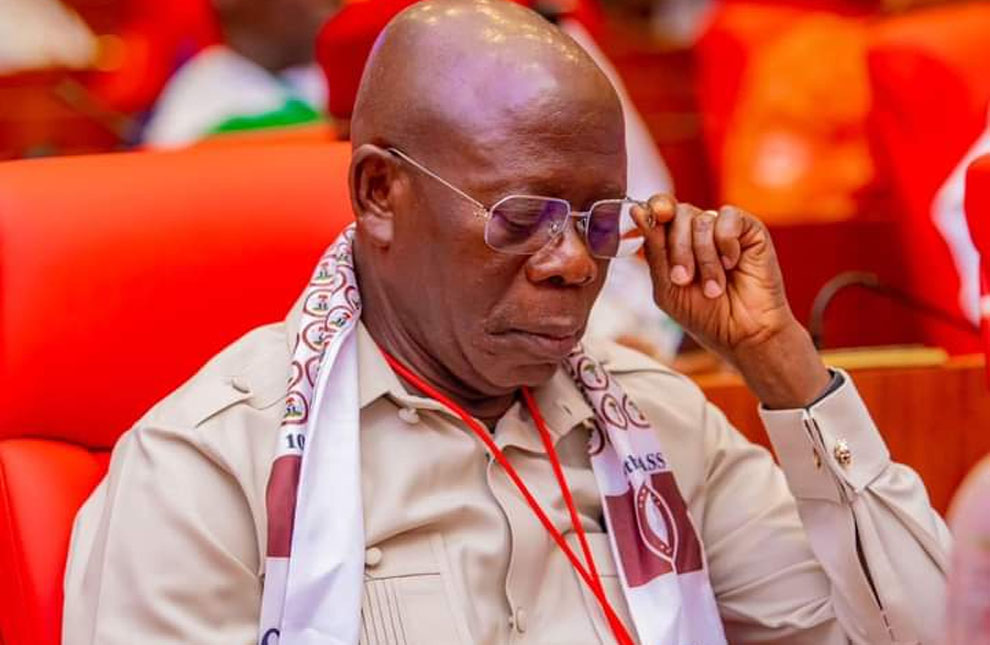
Abuja — Former National Chairman of the All Progressives Congress (APC) and Senator representing Edo North, Adams Oshiomhole, has declared that he is unbothered by opposition promises to crash the pump price of Premium Motor Spirit (PMS) to ₦500 per litre, stating that the ruling party will take the debate directly to the Nigerian people.
Oshiomhole made the assertion during a recent political engagement, according to a report monitored by Newstrends.ng on Friday. The former Edo State governor was responding to recent campaign pledges by opposition figures who have proposed a “Fuel Affordability Plan” aimed at leveraging local refining capacity to bring down the cost of petrol.
“I’m not worried about the promise to sell petrol at ₦500; we’ll take the argument to Nigerians,” Oshiomhole stated, signaling the APC’s readiness to defend its downstream sector policies ahead of the 2027 general elections.
READ ALSO:
- Tinubu Unpopular, Yet 2027 Re-election Still Possible — The Economist
- Less Than Four Months After Wedding, Jarvis Threatens Peller With Lawsuit Over Second-Wife Plan
- 2027: Oshiomhole Dares Opposition Over ₦500 Petrol Promise, Says APC Will Take Argument to Nigerians
The APC chieftain, known for his combative political style, questioned the consistency of the opposition’s stance on fuel subsidies. He reminded Nigerians that key opposition figures, including former Vice President Atiku Abubakar, had previously championed the removal of fuel subsidies during their time in office, arguing that their sudden conversion to affordable pump prices was politically motivated rather than economically sound.
Oshiomhole’s comments underscore the ruling party’s strategy to frame the 2027 election as a choice between what it describes as the “realistic economic reforms” of the President Bola Tinubu administration and what it calls the “populist rhetoric” of the opposition.
While the opposition maintains that its ₦500 per litre proposal is a well-thought-out plan to support local refining and not a return to the old corrupt subsidy regime, Oshiomhole insists that the APC will meet them at the grassroots level to dissect the feasibility of such promises.
Political observers note that the debate over fuel prices remains a highly emotive issue in Nigeria, given its direct impact on transportation, food prices, and the overall cost of living. As the 2027 election cycle gathers momentum, Oshiomhole’s remarks signal that the APC intends to go on the offensive, using the fuel subsidy debate as a key battleground to challenge the opposition’s credibility with the electorate.
2027: Oshiomhole Dares Opposition Over ₦500 Petrol Promise, Says APC Will Take Argument to Nigerians
Politics
Tinubu Unpopular, Yet 2027 Re-election Still Possible — The Economist
Tinubu Unpopular, Yet 2027 Re-election Still Possible — The Economist
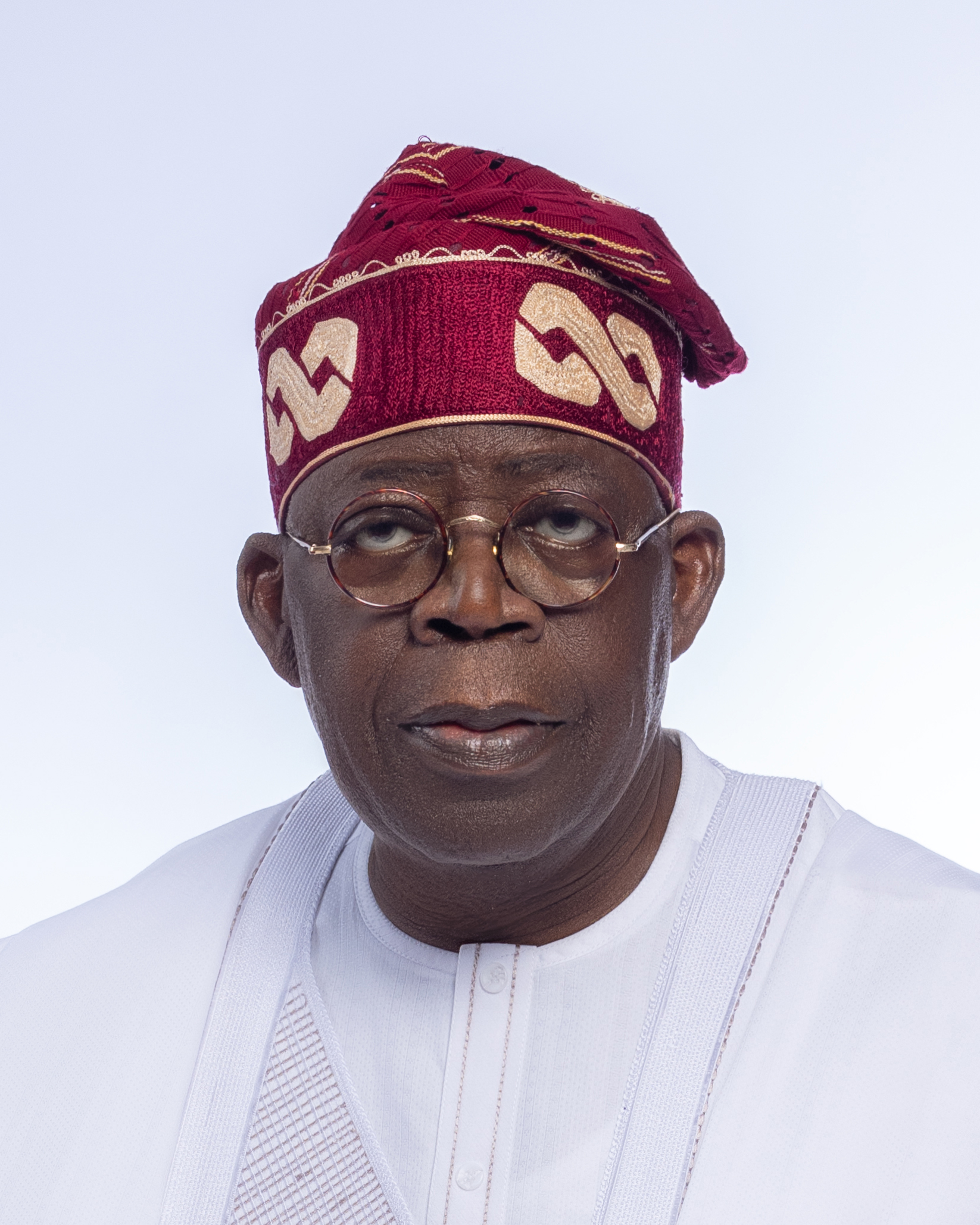
President Bola Ahmed Tinubu may be facing widespread dissatisfaction among Nigerians, but a divided opposition, religious considerations, incumbency and low voter turnout could shape the outcome of the 2027 presidential election, according to an analysis by the British publication, The Economist.
In a report titled “Nigerians Dislike Their President, But May Re-elect Him Anyway,” the publication examined the political dynamics surrounding the forthcoming presidential election and questioned why the President appears relatively confident about his chances despite the economic and security challenges confronting the country.
The analysis was published as Nigeria approaches the 2027 presidential election, with The Economist noting that Tinubu’s administration is operating amid a worsening security situation and economic pressures that have affected many households.
The publication specifically examined the situation in Borno State, where insurgency has persisted for years, damaging economic activities and leaving many young people without jobs and businesses struggling.
It noted that while Tinubu secured 54 per cent of the presidential vote in Borno in 2023, recent polling cited from SBM Intelligence suggested that his popularity in the state had fallen behind those of opposition figures Peter Obi and Atiku Abubakar.
The report said some residents of Maiduguri were prepared to express their dissatisfaction at the ballot box.
READ ALSO:
- Less Than Four Months After Wedding, Jarvis Threatens Peller With Lawsuit Over Second-Wife Plan
- 2027: Oshiomhole Dares Opposition Over ₦500 Petrol Promise, Says APC Will Take Argument to Nigerians
- Ughelli Hotel Assault: Police Arrest Key Suspect in Viral Underage Abuse Video
However, The Economist argued that public dissatisfaction alone might not determine the election, pointing to several structural factors within Nigeria’s political system.
One of the major factors identified was the fragmentation of the opposition.
The publication observed that Obi and Atiku had not formed a joint ticket, meaning that voters opposed to the ruling All Progressives Congress could be divided among different candidates.
It quoted Joachim MacEbong of Control Risks as saying that because there was no united opposition ticket, the anti-APC vote was not necessarily being consolidated behind one candidate.
The publication also identified incumbency as another factor in Nigerian elections, noting that sitting governments have access to established political structures and resources that can be mobilised during campaigns.
Religion was also discussed in the analysis, particularly in relation to northern Nigeria.
The Economist noted that Tinubu and Vice-President Kashim Shettima are Muslims, as are the majority of people in the northern region.
It quoted SBM Intelligence chief Cheta Nwanze as saying that the continued Muslim-Muslim ticket “resonates with quite a number of people”.
The report also suggested that religious identity could affect some voters considering Peter Obi, a Catholic, despite his Muslim running mate.
Beyond party politics and religion, the publication highlighted what it described as political cynicism among some voters.
It quoted MacEbong as saying that in communities where citizens have experienced prolonged shortages of security, healthcare and quality education, expectations of government can become increasingly low.
The report cited Borno as an example, saying that some residents might judge the government differently because of the long history of poor public services in the state.
The security situation could also affect voter participation.
According to the publication, turnout in Borno during the 2023 presidential election was below 20 per cent, compared with about 27 per cent nationwide.
It suggested that insecurity could discourage some voters from travelling to polling units during the next election.
In southern Nigeria, particularly Lagos, the report noted that regional identity could also influence voting behaviour, with some residents potentially considering Tinubu as a “son” of the state despite dissatisfaction over economic conditions.
The Economist also acknowledged that Tinubu’s economic reforms, including the removal of the petrol subsidy, have been welcomed by some investors and have contributed to economic adjustments.
However, it said the reforms had yet to translate into noticeable improvements in the daily lives of many Nigerians.
The publication consequently presented the 2027 contest as one in which economic hardship and insecurity could coexist with political factors capable of shaping voter behaviour.
The analysis has generated debate in Nigeria, particularly over whether dissatisfaction with the administration would translate into a consolidated opposition vote.
The 2027 presidential contest is expected to feature Tinubu and several opposition candidates, making the configuration of alliances and the distribution of votes among the major contenders significant factors in the election.
The Economist’s report is an analysis of the factors that could influence the 2027 contest; it is not a poll establishing the eventual winner.
Tinubu Unpopular, Yet 2027 Re-election Still Possible — The Economist
-
 metro3 days ago
Workers to Begin Nationwide Warning Strike Over Petrol Price, Wage Award
-
 metro2 days ago
[UPDATED] Imo Highway Attack: 10 Rescued after Gunmen Abducted NYSC Prospective Members
-
 Entertainment2 days ago
Phyna Knocks Out Nkechi Blessing in Fourth Round, Wins ₦50m, New Car
-
 Politics3 days ago
2027: Amaechi Recalls How APC Defeated PDP, Orders ADC Mobilisation
-
 Business3 days ago
Dangote Sets 40-Month Deadline for $16bn East Africa Refinery in Kenya
-
 News3 days ago
Independence Day: Tinubu Unveils Plan to Cut Living Costs, Expand Jobs
-
 metro2 days ago
2027 Hajj: Nigeria Secures 10,000 Extra Slots, Allocation Hits 60,000
-
 Politics3 days ago
2027: Wike Vows to Resign If Tinubu Loses FCT, Rivers