
News
Kwara North stakeholders hold consultative meeting with Saraki
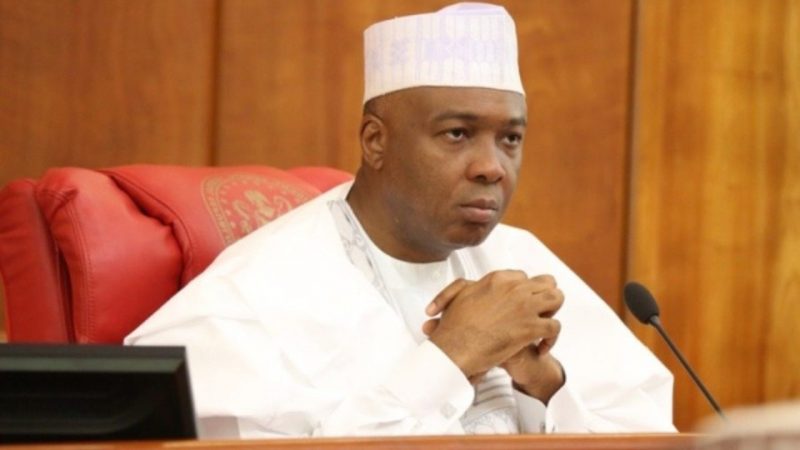
About 35 delegates of the Kwara North Senatorial District cutting across all parties Saturday night visited the Abuja home of immediate past Senate President, Dr Bukola Saraki, to discuss the situation in the state.
Led by former governor of Kwara State and senator who represented Kwara North Senatorial District in the 7th and 8th Senate, Alhaji Shaba Lafiagi, the stakeholders said the meeting with Saraki was part of the consultations that the people of the zone had embarked upon and that they would be meeting with other key leaders across the state.
Speaking at the beginning of the engagement, Senator Lafiagi stated that the group was there to consult with Saraki on issues surrounding the unity of Kwara State, in relation to the agitations of the people of Kwara North.
”For the past two years, the people from the five local government areas in Kwara North have been meeting and exchanging views, on several critical issues that affect the politics and governance of our state. We are here to tell you of our discussions because we know that you are a leader who cares about the concerns of all your people,” Senator Lafiagi said.
Saraki thanked the delegation and commended them for being united in the advocacy for the interests of the people of Kwara North.
”I have heard about this group, but I never knew how many of you I know. This is like a family meeting. Even though some of you are in different parties,it is a meeting of people whose paths have crossed and who have worked together for many years in the greater interest of our state and its people. We have done many great things together.
”Over the past couple of years, we have been on a journey, both individually and collectively. I am sure that we can all say that we have all learned a lot from this.
This is why, today, I am glad that we are building on the lessons that we have learned. One day, generations from now, people will look back on this day in August and say that great efforts were made to chart a new path for the great future of our state,” Saraki said.
The former Senate President also emphasized that the meeting was to deliberate on the future and the unity of Kwara State, stating that leaders from all the three senatorial districts in Kwara State must work together to reenact the unity of the state.


News
Iran Lists Tough Conditions for Peace Talks with US
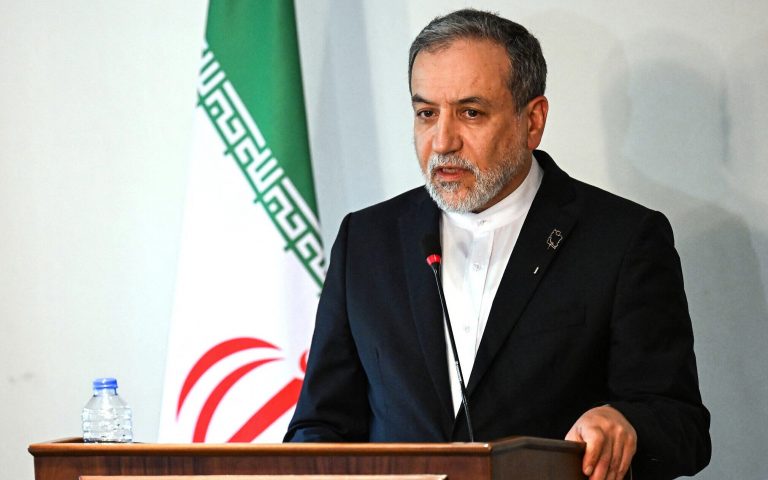
Iran Lists Tough Conditions for Peace Talks with US
By Agency Report
Iran has outlined a set of strict preconditions for engaging in negotiations with the United States aimed at achieving a lasting peace, signalling a hardening of its stance amid ongoing hostilities in the Middle East.
According to a senior Iranian official who spoke to Reuters, Tehran is insisting on an immediate halt to U.S. military strikes, alongside firm guarantees that such attacks will not be repeated, as a prerequisite for any talks.
The official also disclosed that Iran is demanding compensation for damages suffered during the conflict, underscoring the country’s position that any future negotiations must address the consequences of the ongoing war.
In a further indication of its firm posture, Iran has rejected proposals for a temporary ceasefire, maintaining that only a comprehensive and permanent peace agreement would be acceptable.
Tehran is also pushing for new arrangements regarding the strategic Strait of Hormuz, including the right to impose transit fees on vessels passing through the vital global oil shipping route. The proposed fees, according to the official, would vary depending on the type of vessel, its cargo, and prevailing conditions.
The development comes amid intensified diplomatic efforts led by regional mediators, including Pakistan, to broker a ceasefire between the two sides. A U.S.-backed proposal for a 45-day truce has reportedly been put forward as a stepping stone toward broader negotiations, though Tehran has dismissed the idea as insufficient.
Tensions between the two countries remain high, with both sides holding firm to their positions. Analysts say Iran’s demands reflect a broader strategy to secure long-term guarantees and reshape the terms of engagement in the region, rather than accept short-term de-escalation measures.
With neither side showing signs of compromise, prospects for immediate negotiations appear uncertain, raising concerns about further escalation and its implications for global security and energy markets.
Iran Lists Tough Conditions for Peace Talks with US
News
Tinubu Unveils ₦3.3tn Electricity Bailout to Revive Nigeria’s Power Sector
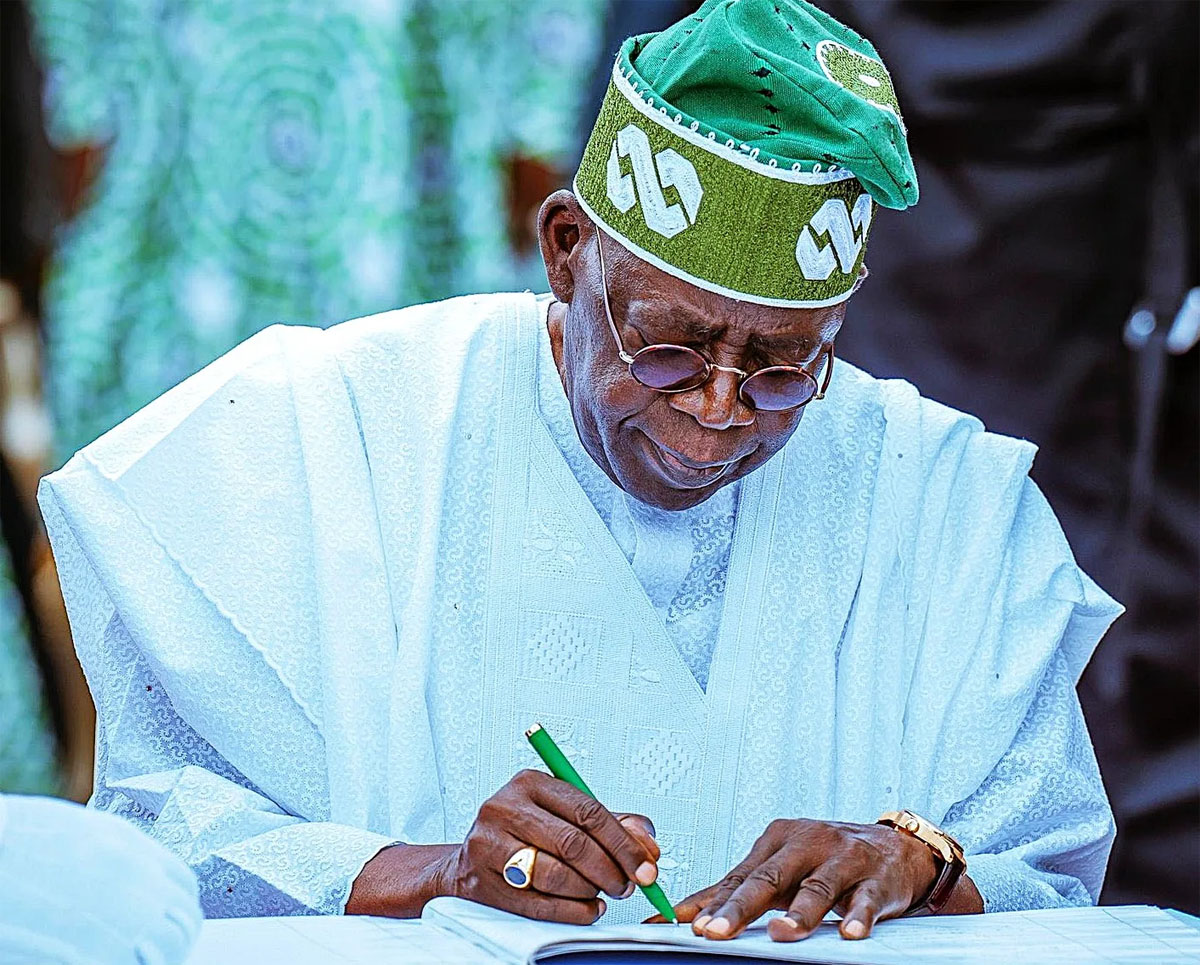
Tinubu Unveils ₦3.3tn Electricity Bailout to Revive Nigeria’s Power Sector
President Bola Ahmed Tinubu has approved a sweeping ₦3.3 trillion power sector bailout aimed at clearing long-standing debts and stabilising Nigeria’s struggling electricity industry.
The intervention, implemented under the Presidential Power Sector Financial Reforms Programme, is designed to resolve liabilities accumulated between February 2015 and March 2025, following a comprehensive verification process.
Presidential spokesman Bayo Onanuga disclosed that the ₦3.3 trillion electricity debt settlement represents a full and final agreement to restore financial stability across the sector. He explained that the debts, largely driven by unpaid invoices, tariff shortfalls, and subsidy obligations, had significantly weakened liquidity in the power value chain.
Implementation of the power sector debt repayment plan has already commenced, with 15 generation companies signing settlement agreements worth about ₦2.3 trillion. The Federal Government has raised ₦501 billion so far to fund the initiative, out of which ₦223 billion has already been disbursed, while additional payments are ongoing.
READ ALSO:
- Brymo Sparks Debate After Saying Men Who Apologise to Women Deserve Suffering
- Boko Haram/ISWAP Attack Borno Police Station, Kill Four Officers, Hunter
- NDLEA Arrests Lagos Pastor, Wife With 11kg Skunk Cannabis
The Nigeria electricity sector bailout is expected to inject much-needed cash into the industry, ensuring that gas suppliers receive payments, power plants can sustain operations, and electricity generation becomes more stable. With improved liquidity, officials say the country could begin to see gradual improvements in power supply, reduced grid disruptions, and better service delivery.
Special Adviser on Energy to the President, Olu Arowolo-Verheijen, said the programme is not just about clearing debts but rebuilding trust across the industry. She noted that restoring confidence is critical to attracting investment, maintaining consistent gas supply, and ensuring that power plants operate efficiently.
She further explained that the initiative forms part of broader power sector reforms in Nigeria, including nationwide metering improvements and the introduction of service-based tariffs that align electricity costs with the quality of supply. According to her, the government is also prioritising electricity supply to businesses, industries, and small enterprises, recognising that reliable power is essential for job creation and economic growth.
The Tinubu administration believes the electricity sector stabilisation plan will reduce reliance on generators, lower the cost of doing business, and improve productivity across key sectors of the economy. Analysts say resolving the sector’s liquidity crisis could unlock new investments and strengthen Nigeria’s overall economic performance.
President Tinubu also commended stakeholders for their cooperation in addressing long-standing challenges in the industry and confirmed that the next phase of the reform programme, Series II, will commence within the current quarter. The phase is expected to deepen structural reforms and ensure long-term sustainability of the electricity market.
Tinubu Unveils ₦3.3tn Electricity Bailout to Revive Nigeria’s Power Sector
News
MURIC Demands Sack of INEC Chairman Over Alleged Bias, Calls for Replacement
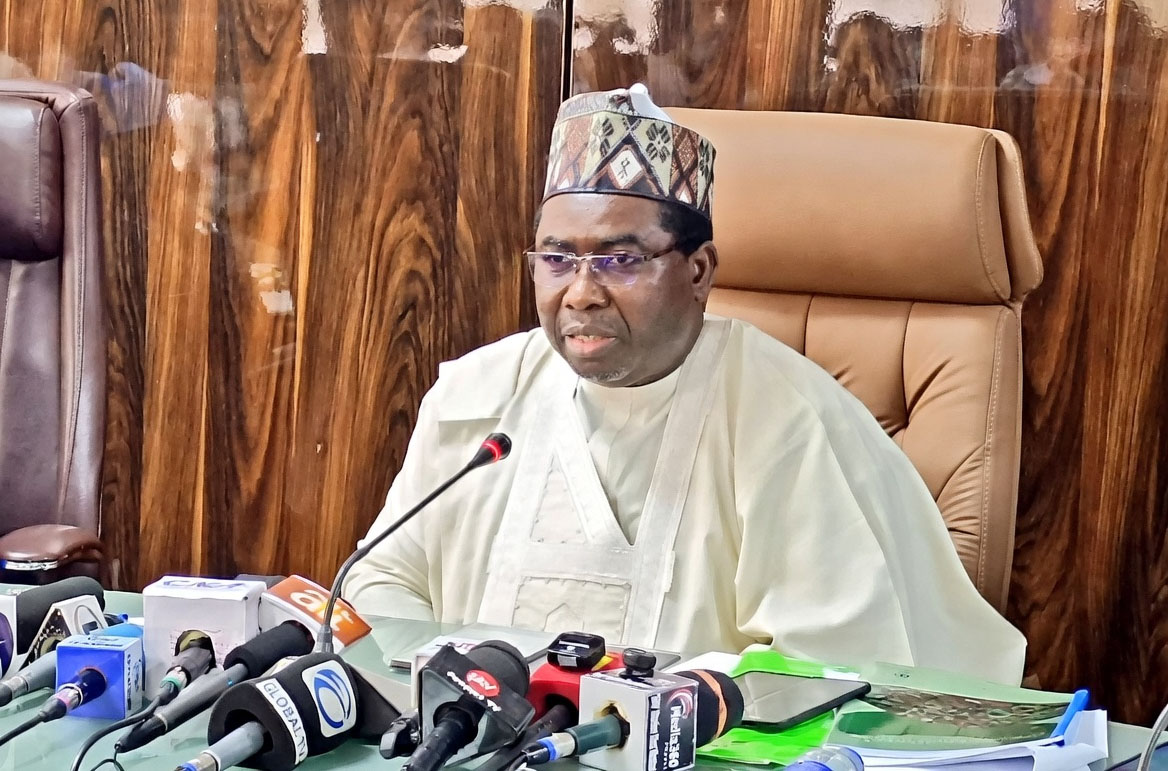
MURIC Demands Sack of INEC Chairman Over Alleged Bias, Calls for Replacement
The Muslim Rights Concern (MURIC) has called for the immediate removal of the Chairman of the Independent National Electoral Commission (INEC), Professor Joash Amupitan, describing him as a threat to religious harmony in Nigeria.
In a press release issued on April 6, 2026, and signed by its Executive Director, Professor Ishaq Akintola, the group accused the INEC chairman of authoring what it described as a “toxic 80-page legal brief,” allegedly used by the United States of America to indict Nigeria over claims of Christian genocide.
MURIC expressed dissatisfaction with what it termed the “graveyard silence” of the Federal Government over calls from Islamic organisations for Amupitan’s removal. According to the group, the government’s inaction reflects a lack of sensitivity to the concerns of the Muslim community.
The organisation further alleged that Amupitan’s continued leadership poses a risk to the credibility of Nigeria’s electoral system, claiming that a planned voter registration or revalidation exercise could disenfranchise Muslim voters.
“MURIC hereby declares a vote of no confidence in the current INEC boss,” the statement read, urging the Federal Government to replace him with what it described as a “tolerant Christian” to restore confidence and balance.
The group also accused the INEC chairman of failing to address the allegations against him, noting that his silence has raised concerns among observers. It argued that public officials in other countries often resign over similar controversies, citing examples of past resignations by international political figures.
MURIC warned that Nigeria’s progress could be hindered if individuals accused of misconduct remain in sensitive public offices, stressing that Amupitan’s continued stay in office represents what it called a “sit-tight syndrome.”
Describing the INEC chairman as an “electoral burden” and a “threat to religious harmony,” the group insisted that his resignation or removal is necessary to safeguard national unity and the integrity of the electoral process.
As of the time of filing this report, neither INEC nor the Federal Government had issued an official response to the allegations.
MURIC Demands Sack of INEC Chairman Over Alleged Bias, Calls for Replacement

-
 Politics3 days ago
Adeleke’s Aide Anisu Resigns, Defects to APC
-
 metro23 hours ago
MURIC Backs Egba Imams’ Call for Inclusive Leadership in Ogun 2027 Governorship Race
-

 Entertainment3 days ago
Nollywood Actress Laide Bakare Sets Strict Dating Rules: No Men in Her Home
-

 International2 days ago
Netanyahu Condemns ‘Christian Persecution’ in Nigeria in Easter Message
-
 Politics2 days ago
ADC Crisis Halts Makinde, Bala, Lawmakers’ Defections
-

 metro2 days ago
Hajiya Hadiza Attahiru Jega, Wife of Former INEC Chairman, Dies in Abuja
-
 Politics1 day ago
2027: Atiku Signs $1.2m US Lobbying Deal to Engage Trump
-

 Business1 day ago
Tax Evasion: Lagos Government Sues Bi-Courtney, DAAR, 33 Others