
Health
Lassa Fever deaths hit 162 in Nigeria, fresh cases recorded

Lassa Fever deaths hit 162 in Nigeria, fresh cases recorded
The Nigeria Centre for Disease Control and Prevention (NCDC) has reported a rise in confirmed Lassa fever cases, with 162 deaths recorded across 21 states as of epidemiological week 35, spanning August 25 to 31.
The NCDC, via its official website, on Tuesday reported 10 new confirmed cases in week 35 alone, up from three in the previous week.
It said the new cases were detected in Edo, Ondo, Bauchi, and Taraba states.
Cumulatively, the agency said the country has recorded 7,375 suspected cases and 871 confirmed infections in 2025, with a case fatality rate (CFR) of 18.6 per cent, higher than the 17.1 per cent recorded during the same period in 2024.
It stated that Ondo, Bauchi, Edo, Taraba, and Ebonyi states remain the country’s hotspots, accounting for 91 per cent of all confirmed cases.
The NCDC said that of these, Ondo contributed 33 per cent, Bauchi 23 per cent, Edo 18 per cent, Taraba 14 per cent, and Ebonyi three per cent.
The agency noted that most affected patients are aged between 21 and 30 years, with a male-to-female ratio of 1:0.8.
READ ALSO:
- Army arrests notorious IPOB commander in Imo
- Gunmen kill 22 during baptism ceremony in Niger
- Firefighters rescue nine from building housing UBA branch in Lagos
While it stated that the overall number of suspected and confirmed cases was lower compared to the same period last year, the NCDC warned of persistent risks.
It noted that late presentation of cases, poor health-seeking behaviour due to treatment costs, and poor sanitation in high-burden communities are contributing to the high death toll.
The Nigerian public health agency reported that no new infections of healthcare workers were reported in week 35, although 23 health workers have been affected since the beginning of the year.
The centre said it has deployed 10 rapid response teams to support affected states, enhanced surveillance, and distributed medical countermeasures, including ribavirin, PPEs, and sanitisers.
It also announced plans to launch a five-year strategic plan (2025–2029) for Lassa fever control.
The NCDC urged Nigerians, especially in hotspot states, to maintain proper hygiene, improve rodent control, and seek early medical care to reduce the spread and impact of the disease.
Lassa fever is a viral haemorrhagic disease endemic in Nigeria, spread mainly through contact with food or household items contaminated by infected rats.
The illness causes fever, weakness, vomiting, bleeding, and in severe cases, organ failure.
Nigeria records the highest global burden, with most cases from Ondo, Edo, Bauchi, Taraba, and Ebonyi states.
It peaks in the dry season, “December–April,” and has a high fatality rate, especially when patients present late.
Lassa Fever deaths hit 162 in Nigeria, fresh cases recorded
(NAN)












Health
Ramadan Health Tips: Six Ways to Stay Hydrated While Fasting

Ramadan Health Tips: Six Ways to Stay Hydrated While Fasting
Staying hydrated during Ramadan is essential for maintaining energy, focus, and overall well-being while observing long hours of fasting. Health experts warn that poor hydration can lead to fatigue, headaches, dizziness, and reduced concentration. Below are six essential, numbered tips to help you stay properly hydrated throughout the holy month:
1. Drink Enough Water Between Iftar and Suhoor
Ensure you consume 6–8 glasses of water between Iftar and Suhoor. Spread your intake gradually instead of drinking large amounts at once, allowing your body to absorb fluids effectively.
2. Break Your Fast With Water
Start Iftar with water to quickly replace fluids lost during the day and prepare your digestive system for food. Avoid sugary or carbonated drinks at this stage, as they can increase thirst later.
READ ALSO:
- Tinubu Urges Senate to Confirm Yusuf for NAHCON, Marafa for INEC
- Galatasaray Stun Juventus 5–2 in UEFA Champions League
- Vinicius Jr’s Wonder Goal Gives Real Madrid Victory Over Benfica
3. Eat Water-Rich Foods
Include fruits and vegetables with high water content, such as watermelon, oranges, cucumbers, tomatoes, lettuce, and soups. These foods support hydration while providing essential nutrients.
4. Reduce Salty, Spicy, and Fried Foods
Limit foods high in salt, oil, and spices, especially at Suhoor, as they increase thirst and can cause dehydration during fasting hours.
5. Limit Caffeine Intake
Reduce consumption of coffee, tea, and energy drinks, as caffeine has a diuretic effect that causes the body to lose more fluids. If taken, balance it with extra water.
6. Never Skip Suhoor
Suhoor plays a crucial role in hydration and energy. Eat a balanced pre-dawn meal that includes water, fruits, vegetables, whole grains, and protein to help sustain you throughout the day.
Maintaining proper hydration during Ramadan fasting helps support digestion, boosts energy levels, and keeps the body functioning optimally throughout the holy month.
Ramadan Health Tips: Six Ways to Stay Hydrated While Fasting
Health
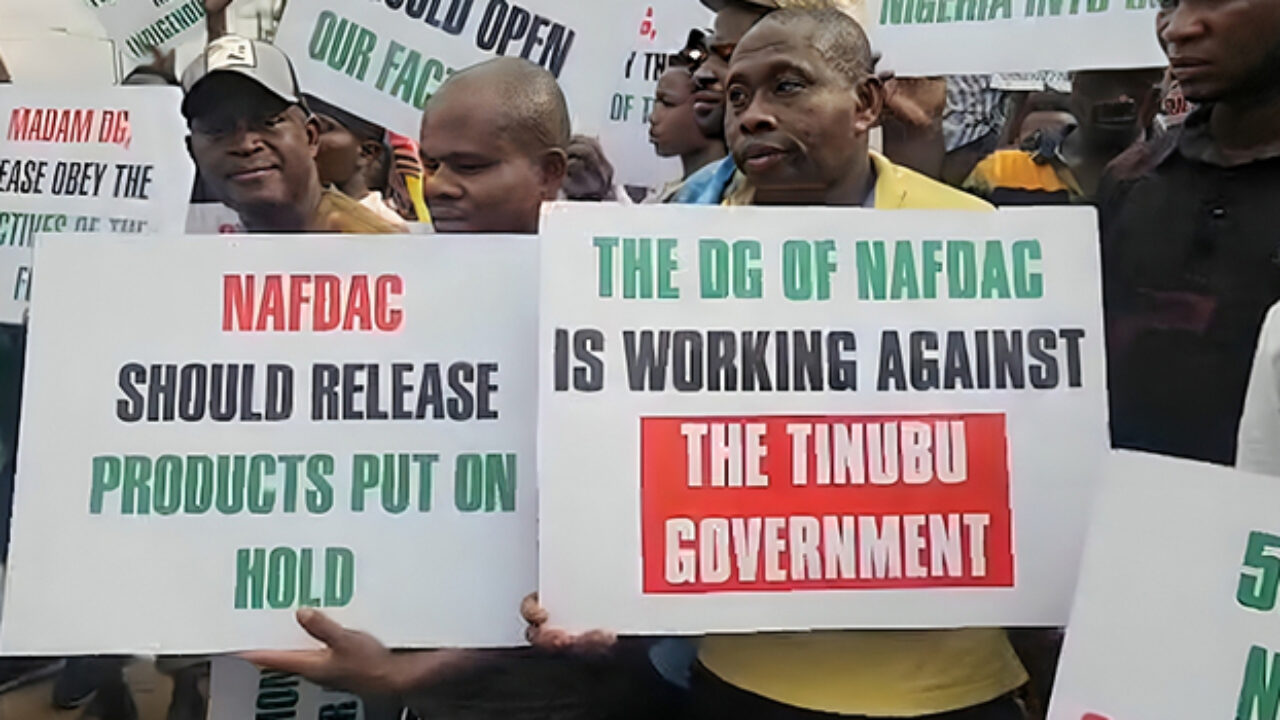
NUFBTE Workers Occupy NAFDAC Lagos Office Over Sachet Alcohol Ban
NUFBTE Workers Occupy NAFDAC Lagos Office Over Sachet Alcohol Ban
Members of the National Union of Food, Beverage and Tobacco Employees (NUFBTE) on Thursday staged a protest at the NAFDAC office in Isolo, Lagos, demanding the reversal of the agency’s ban on sachet and PET-bottled alcoholic beverages. The union claims the ban contradicts a directive reportedly issued by the Federal Government, and they want production lines that were sealed to be immediately reopened.
The protesters, including manufacturers, distributors, and industry workers, argued that the enforcement of the ban threatens jobs, livelihoods, and the operations of small and medium-sized enterprises that rely on sachet alcohol sales. During the demonstration, union members handed a petition to NAFDAC officials, urging dialogue and a more balanced approach that safeguards both public health and the food and beverage sector.
NUFBTE cited alleged instructions from the Office of the Secretary to the Government of the Federation and the Office of the National Security Adviser, claiming that NAFDAC should suspend enforcement. The union said continued closure of production lines and restriction of alcohol sales would lead to economic hardship and widespread job losses.
READ ALSO:
- Naira Could Trade Below ₦1,000/$ With Dangote Refinery at Full Capacity — Otedola
- Adeyanju Urges EFCC, DSS to Probe El-Rufai Over Alleged Corruption, Insecurity in Kaduna
- Granite-Laden Truck Kills Motorist, Leaves Wife Critically Injured in Lekki–Ajah Crash
However, NAFDAC rejected the claims, with Director-General Prof. Mojisola Adeyeye stating that no federal directive has instructed the agency to halt the ban. In a statement, the regulator described circulating reports as “false” and “misleading,” emphasizing that its actions are within statutory authority and in line with official government policies.
“NAFDAC has not received any formal directive to suspend its regulatory or enforcement activities concerning sachet alcohol,” the statement read. The agency reiterated its commitment to public health protection, regulatory compliance, and consumer safety, warning the public and industry stakeholders to rely on verified information from official channels.
The ban, implemented earlier this month, targets alcoholic beverages packaged in sachets and containers smaller than 200ml, a measure aimed at reducing unregulated alcohol consumption and protecting vulnerable groups. While the policy has faced backlash from workers and businesses, NAFDAC maintains that it is necessary for national health and safety.
The protest underscores the tension between regulatory enforcement and economic concerns, as workers continue to call for inclusive policymaking and engagement with industry stakeholders to mitigate the impact on jobs and local businesses.
NUFBTE Workers Occupy NAFDAC Lagos Office Over Sachet Alcohol Ban
Health
NAFDAC Clarifies: No Government Directive to Halt Sachet Alcohol Enforcement

NAFDAC Clarifies: No Government Directive to Halt Sachet Alcohol Enforcement
The National Agency for Food and Drug Administration and Control (NAFDAC) has dismissed reports claiming that the Federal Government ordered a suspension of its enforcement activities against sachet alcohol and 200ml PET bottle alcoholic beverages, describing the reports as “false and misleading.”
In a statement signed by its Director-General, Prof. Mojisola Adeyeye, the agency clarified that it has not received any formal communication from the Federal Government instructing it to halt regulatory or enforcement operations. NAFDAC stressed that all its actions are carried out within its statutory mandate and guided by existing laws and official government directives.
“The said publication is false, misleading, and does not reflect any official communication received by the Agency from the Federal Government,” the statement read. Prof. Adeyeye reiterated that enforcement of regulations on sachet alcohol remains active and any changes to national regulatory policies would be officially communicated through authorised channels.
READ ALSO:
- Suspected IED Explosion Rocks Bayelsa Secretariat, Police Arrest Suspect
- Regina Daniels Shares Emotional Message on Children’s Welfare Amid Custody Battle
- Electricity Workers Serve 21-Day Nationwide Strike Notice to FG
NAFDAC warned that the spread of unverified information can cause public confusion, economic uncertainty, and misinterpretation of government policy. The agency urged the public, industry stakeholders, and the media to rely only on verified information released via its official platforms and government communication channels.
The clarification comes amid ongoing concerns over the public health risks of sachet alcohol, which has been associated with poisoning incidents and misuse, particularly among young people. NAFDAC reiterated its commitment to protecting public health, ensuring compliance in the food and beverage sector, and maintaining national interest while carrying out its regulatory duties.
The agency’s statement underscores that all enforcement operations targeting unsafe alcohol products will continue without interruption, aiming to safeguard consumers and uphold public safety.
NAFDAC Clarifies: No Government Directive to Halt Sachet Alcohol Enforcement

-

 News1 day ago
Saudi Arabia Confirms Sighting of Ramadan Crescent, Fasting Begins Wednesday
-

 metro1 day ago
Lagos Woman Shares Ordeal After Alleged Rape, Sparks Nationwide Outcry
-

 metro2 days ago
US Freezes Assets of Eight Nigerians Over Boko Haram, ISIL, Cybercrime Links
-

 News1 day ago
Ramadan Begins in Nigeria as Sultan Confirms Crescent Sighting
-

 Entertainment2 days ago
Mystery in Lekki: Police Probe Death of Two Nollywood Crew Found Lifeless in Parked Car
-

 metro2 days ago
Terror in Lagos Traffic: Cutlass Gang Unleashes Mayhem on Mile 12–Ketu Road
-

 Auto2 days ago
Appeal Court Ruling on VIO Limited to Abuja, Not Lagos — LASG
-

 News2 days ago
Teargas, Chaos at EFCC as El-Rufai’s Supporters Clash with Security Operatives