

metro
Mother gives birth to three kids for son in Kwara
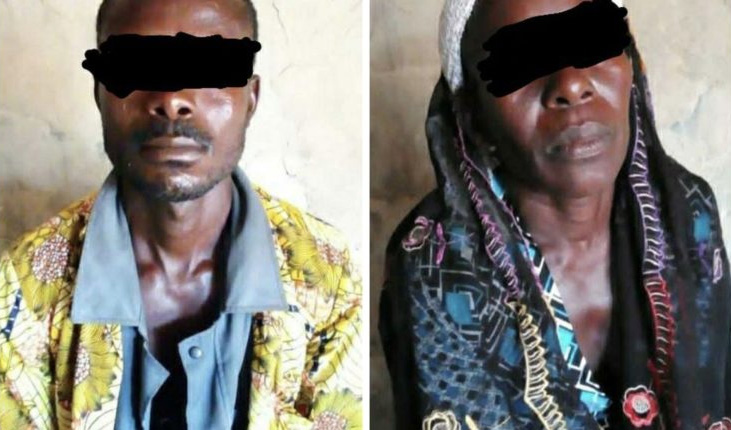
Kwara State command of the Nigeria Security and Civil Defence Corps (NSCDC) has arrested an immigrant from Benin Republic, Adamu Sabi Sime, for allegedly having canal knowledge of his biological mother.
In a statement by the command’s public relations officer, Babawale Afolabi, in Ilorin on Saturday, it was also confirmed that Adamu’s mother has given birth to three children for her son.
“On Thursday September 9, 2021, one Mallam Bandede, the district head of Mosne Had community in the Kaiama local government area of the state reported an incestuous act being committed by one Adamu Sabi Sime and his mother, Fati Sime, of the same community.
“Men from the intelligence unit and NSCDC operatives in Kaiama swung into action and the outcome of the investigations established the fact that the mother (Fati) has three children for her biological son. Further check revealed that the younger brother of the accused, who was also confirmed to be sleeping with the mother is now at large”, the statement said.
The NSCDC command also said that the mother and her two sons do not have necessary papers to stay in Nigeria, adding that the suspects had been handed over to the Nigeria lmmigration Service for background check and further actions.
Tribune









metro
Lagos Train Crash: Panic as Train Smashes Honda Car at PWD Crossing, Many Feared Dead
Lagos Train Crash: Panic as Train Smashes Honda Car at PWD Crossing, Many Feared Dead
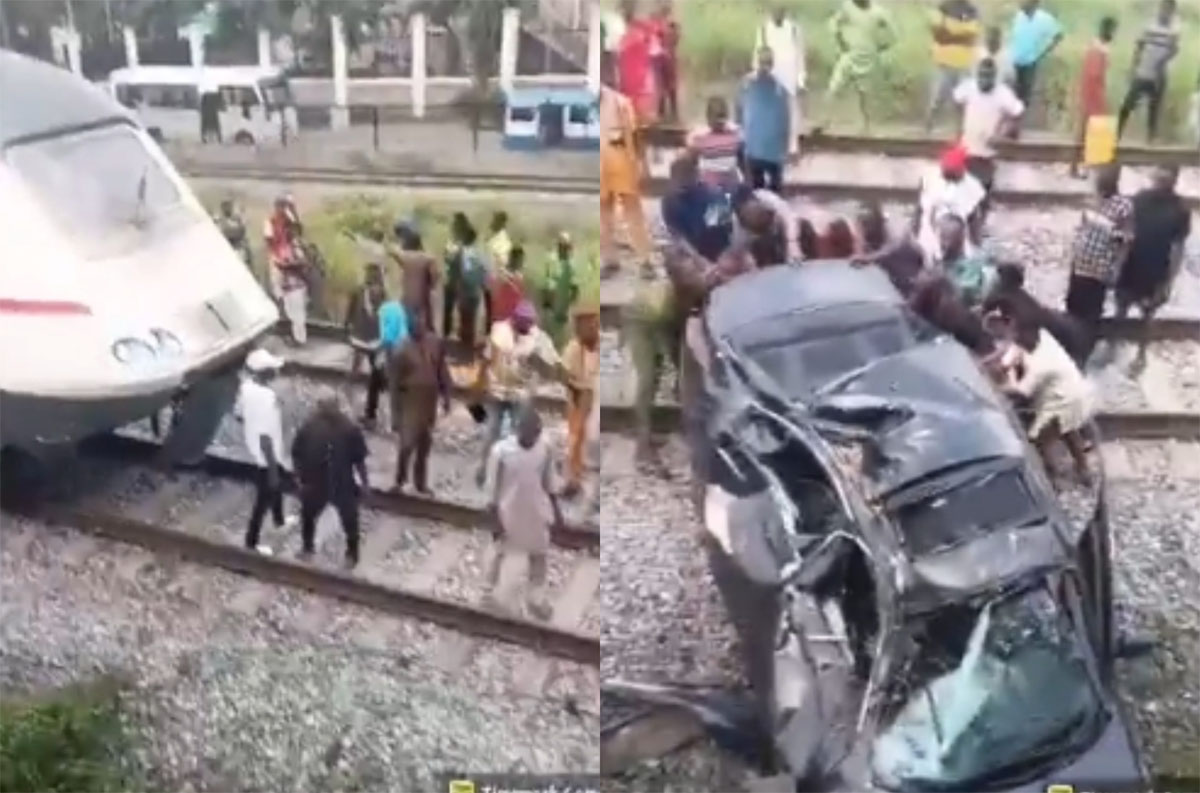
A train collided with a Honda car at the PWD railway crossing in Lagos on Friday morning, October 9, 2026, sparking fears of possible fatalities and disrupting traffic around the busy corridor.
The incident occurred at about 6:54 a.m. along the Agege Motorway, near the PWD railway crossing, as the train struck the vehicle on the tracks.
The Lagos State Traffic Management Authority (LASTMA) confirmed the collision in a post on its official X account, stating that the train hit the Honda car and left it badly damaged.
According to the initial report, the impact pushed the vehicle away from the tracks, while bystanders reportedly helped move it as emergency operations continued.
LASTMA officers were deployed to the scene to manage traffic and coordinate with other responders. The collision attracted a crowd of onlookers and caused concern among motorists travelling through the area during the morning rush.
A video accompanying the report showed the damaged Honda car beside the railway tracks, with people gathered around the scene.
READ ALSO:
- How Parents Raised Millions to Free 20 Abducted NYSC Members
- Lasaco Assurance Retains A(NG) Rating as Revenue Rises 35.2% to N30.8bn
- Man Allegedly Caught Using Old Tyres to Scam POS Operator
However, the number of people killed or injured had not been officially confirmed at the time of reporting. The identities of the vehicle’s occupants, their condition and whether any victims had been taken to hospital were also unclear.
Authorities had yet to provide a detailed account of how the vehicle ended up on the tracks when the train approached. The precise circumstances surrounding the collision therefore remained uncertain.
The accident has renewed concerns about railway crossing safety in Lagos, particularly at busy locations where trains and road traffic share the same corridor.
The PWD railway crossing has witnessed serious accidents in the past. In October 2025, a dispatch rider died following a collision with a moving train at the crossing in Ikeja. LASTMA’s account of that incident said preliminary findings indicated that the rider attempted to cross the tracks while travelling at excessive speed.
Another major train-related accident occurred in March 2023, when a Lagos State Government staff bus collided with a train. The incident resulted in six deaths and left about 96 people injured, according to figures subsequently released by the Lagos State Government.
Those incidents involved different circumstances and should not be confused with Friday’s collision, for which casualty figures remain unverified.
Motorists are advised to approach railway crossings cautiously, obey warning signs and signals, and never attempt to cross when a train is approaching. Trains require considerable stopping distance and may be unable to avoid a vehicle obstructing the tracks.
Further details about Friday’s collision, including the condition of the vehicle’s occupants and the circumstances that led to the crash, are expected as authorities establish the facts.
The incident underscores the importance of effective safety measures at railway crossings and public compliance with traffic warnings to reduce the risk of preventable accidents.
Newstrends.ng will update this report as verified information becomes available.
Lagos Train Crash: Panic as Train Smashes Honda Car at PWD Crossing, Many Feared Dead
metro
How Parents Raised Millions to Free 20 Abducted NYSC Members
How Parents Raised Millions to Free 20 Abducted NYSC Members
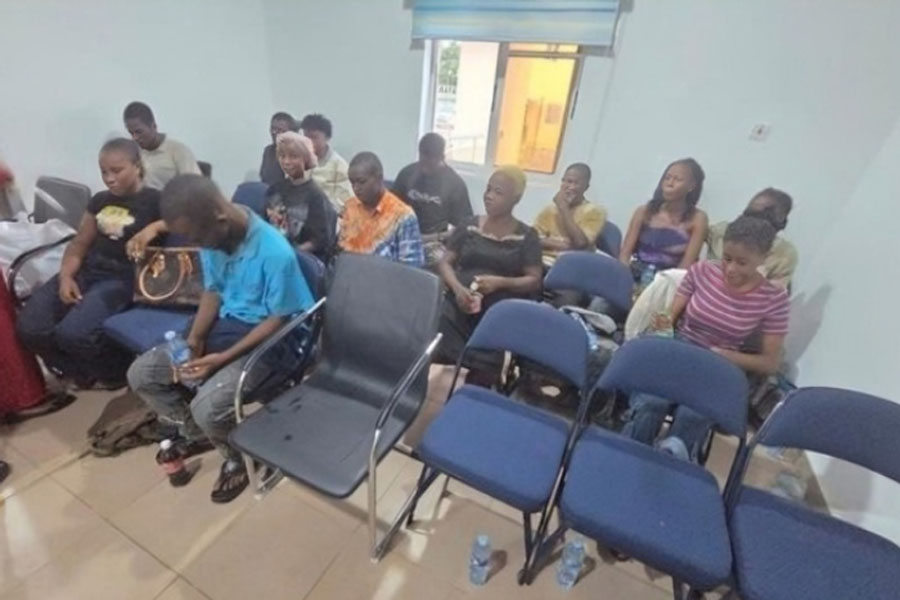
Parents of the 20 prospective National Youth Service Corps (NYSC) members abducted in Imo State have disclosed that they paid millions of naira in ransom to secure their children’s release, raising questions about the circumstances surrounding the freedom of the victims.
The families’ accounts contradict the position of the Imo State Police Command, which said security operatives secured the victims’ release through sustained search-and-rescue operations.
Some parents reportedly paid between N3 million and N6 million, while others said they borrowed money to meet the demands of the kidnappers after days of anxiety over the safety of their children.
The 20 prospective corps members were abducted on October 1, 2026, while travelling from Ibadan, Oyo State, to their NYSC orientation camps in Abia and Akwa Ibom states.
The victims were travelling in two buses when gunmen attacked them along the Owerri-Onitsha Road in the Umunoha area of Mbaitoli Local Government Area, Imo State.
They regained their freedom on October 7, after spending several days in captivity.
One of the mothers, Alirat Wahab, said the abductors initially demanded N50 million for her son’s release before reducing the amount to N15 million.
According to her account, the family pleaded with the kidnappers, explaining that it could not afford the amount demanded.
She said the abductors eventually insisted on N6 million, which the family raised with the assistance of relatives and other supporters.
Wahab said family members travelled to arrange the ransom payment, with the money reportedly converted into dollars before it was delivered in Imo State.
Another mother said she paid N3 million after struggling to raise the money while fearing for her child’s life.
She explained that she had to make frantic efforts to gather the funds before arranging for someone to deliver the money to the kidnappers.
The father of another abducted prospective corps member said his family members pooled resources to raise N6 million to secure his son’s release.
The father, who identified himself as a farmer, expressed relief at his son’s safe return but lamented the financial burden created by the payment.
READ ALSO:
- Lasaco Assurance Retains A(NG) Rating as Revenue Rises 35.2% to N30.8bn
- Man Allegedly Caught Using Old Tyres to Scam POS Operator
- BREAKING: FG Unveils 10 Measures to Cushion Fuel Price, Inflation Pressures
He said some family members had borrowed money to contribute to the ransom, leaving them with the challenge of repaying the debt.
The revelations have generated questions about whether the victims were freed solely through security operations or whether ransom negotiations also played a role.
However, the Imo State Commissioner of Police, Audu Bosso, said he was unaware of any ransom payment.
Speaking during an interview with Channels Television, Bosso maintained that security agencies mounted sustained pressure on the kidnappers by combing the surrounding forests and pursuing intelligence leads.
He said the operation involved the police, Nigerian Army, Navy, Air Force, Department of State Services and Nigeria Security and Civil Defence Corps.
According to the police commissioner, the joint operation continued until the abductors eventually released the victims.
Bosso said that, to his knowledge, no ransom had been paid, while adding that security operatives were continuing efforts to apprehend those responsible for the abduction.
The Nigeria Police Force had earlier announced that the 20 prospective corps members were rescued on October 7 at Amakohia-Ubi in Imo State following sustained search-and-rescue operations.
The victims were subsequently taken for medical assessment and other necessary care.
The police also said efforts were ongoing to track down and prosecute the perpetrators.
Meanwhile, the accounts provided by the parents have renewed calls for greater transparency regarding the circumstances of the victims’ release.
The Human Rights Writers Association of Nigeria has also called for clarification on whether the prospective corps members were rescued during the security operation or released after negotiations with their abductors.
The organisation said the circumstances surrounding their freedom deserved further explanation, particularly in view of the families’ claims that they paid ransom.
The safe return of the victims has brought relief to their families, but the reported payments have left some relatives facing substantial financial difficulties after borrowing money to secure their loved ones’ release.
The incident has also renewed concerns over the safety of Nigerians travelling across the country, particularly young people heading to NYSC orientation camps.
As investigations continue, the circumstances surrounding the reported ransom payments and the role they may have played in the victims’ release remain unresolved.
How Parents Raised Millions to Free 20 Abducted NYSC Members
metro
Petrol Subsidy Return Could Cost Nigeria Over N20tn Yearly—Oyedele
Petrol Subsidy Return Could Cost Nigeria Over N20tn Yearly—Oyedele
The Federal Government has warned that returning to a blanket petrol subsidy regime could cost Nigeria more than N20 trillion annually, as the administration seeks alternative ways to cushion the impact of rising fuel and transportation costs.
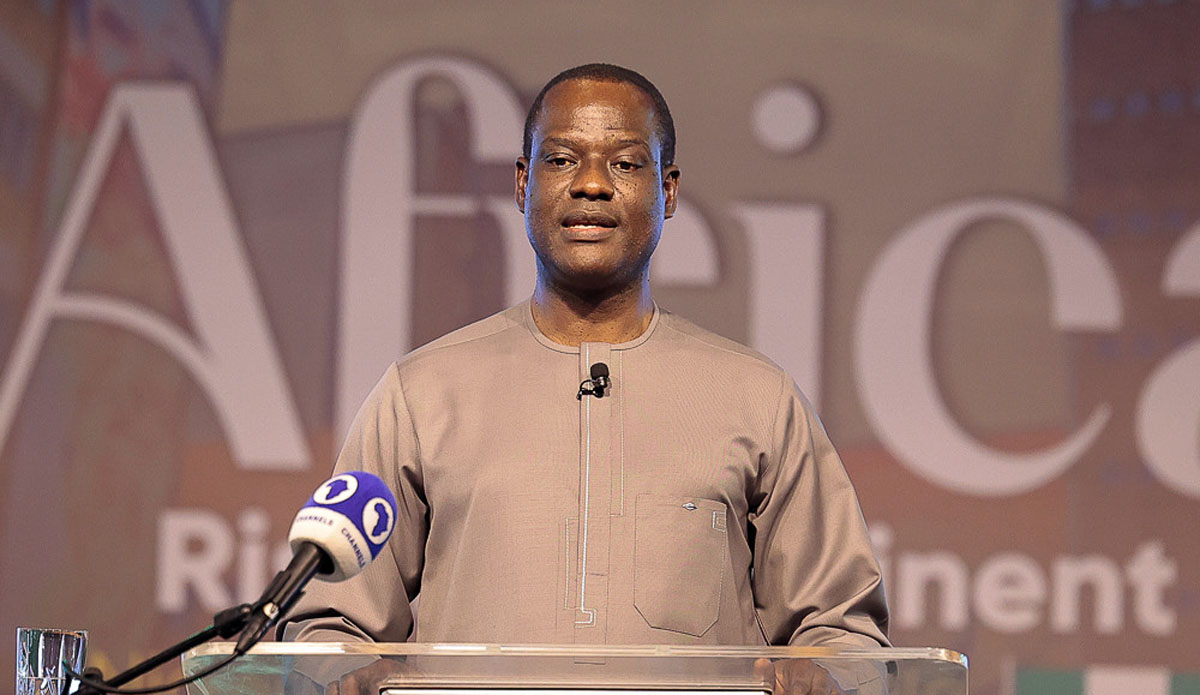
Finance and Coordinating Minister of the Economy, Taiwo Oyedele, has maintained that reversing the petrol subsidy removal would place a huge burden on government finances and potentially undermine the fiscal gains of the 2023 reform.
The warning comes amid renewed calls for government intervention as petrol prices, transportation costs and inflation continue to put pressure on households and businesses.
An earlier estimate by the Centre for the Promotion of Private Enterprise (CPPE) put the potential annual cost of restoring a universal petrol subsidy at about N19.16 trillion, based on an assumed daily petrol consumption of 50 million litres and an indicative subsidy of N1,050 per litre. The organisation rounded the figure to nearly N20 trillion and warned that the actual cost could vary depending on crude oil prices, exchange rates, consumption, refining or landing costs and the regulated pump price.
The estimated burden translates to about N52.5 billion daily and N1.575 trillion monthly, according to the CPPE calculation.
The group warned that such spending could compete with funding for infrastructure, healthcare, education, security, agriculture and social protection, while potentially widening the fiscal deficit and increasing borrowing and debt-servicing pressures.
Oyedele has also said the removal of the subsidy generated significant fiscal resources. The Federal Government has put the savings mobilised between June 2023 and December 2025 at N15.8 trillion, with about N5.4 trillion accruing to the Federal Government and N10.4 trillion shared among states and local governments.
READ ALSO:
- Man Allegedly Caught Using Old Tyres to Scam POS Operator
- BREAKING: FG Unveils 10 Measures to Cushion Fuel Price, Inflation Pressures
- 2027: ADC Vows to Collate, Share Polling-Unit Results Despite INEC Warning
However, the subsidy debate has intensified as Nigerians contend with renewed increases in the cost of petrol and the knock-on effects on transportation, logistics and household purchasing power.
The Federal Government has therefore introduced a series of measures designed to provide relief without returning to a blanket fuel subsidy.
Among the measures is a 30-day discount on petrol sold through NNPC stations, with public transport operators expected to receive priority. The government has stressed that the arrangement is not a subsidy but a temporary discount intended to ease the immediate pressure on consumers.
The government has also proposed a N1,350-per-litre ceiling on petrol landing or ex-gantry costs, with the mechanism expected to be reviewed monthly. Under the proposal, refiners and importers would absorb temporary cost increases above the ceiling and recover the difference when market conditions improve.
Another major component is the planned use of forward crude sales to domestic refineries, aimed at providing refiners with greater certainty over crude supply and helping to moderate the impact of international crude prices and foreign-exchange fluctuations.
The government is also accelerating the deployment of compressed natural gas (CNG) as a cheaper alternative for transportation. Officials say more than 120,000 CNG-powered vehicles, over 400 conversion centres and dozens of refuelling facilities are already part of the programme.
The administration has further announced plans to remove selected levies and regulatory costs that add to transportation and logistics expenses, while expanding targeted support for vulnerable households and small businesses.
The government is also considering an excess profit tax on businesses deemed to be taking undue advantage of current market conditions. Proceeds would be directed towards measures such as transport support and vouchers for vulnerable households.
Oyedele has repeatedly argued that these measures are intended to address the consequences of high fuel prices without recreating the fiscal and market distortions associated with the former subsidy system.
The CPPE has similarly urged the government to retain the downstream petroleum reforms while providing targeted relief through affordable mass transportation, improved electricity supply, food-production support, stronger social protection and measures to reduce energy and logistics costs for businesses.
The debate is expected to remain contentious as political parties and other stakeholders differ over whether Nigeria should maintain the current market-based petrol pricing system or introduce targeted intervention to shield consumers from further price shocks.
For the Federal Government, the challenge is to balance economic reforms and fiscal sustainability with immediate relief for Nigerians facing higher living and transportation costs.
The administration insists that its latest interventions are aimed at achieving that balance without returning the country to a blanket petrol subsidy regime.
Petrol Subsidy Return Could Cost Nigeria Over N20tn Yearly—Oyedele
-
 metro1 day ago
[UPDATED] 20 NYSC Prospective Corps Members Freed After Seven Days in Captivity
-
 metro3 days ago
Supreme Council For Sharia Secretary-General Nafiu Baba-Ahmed Dies
-

 metro3 days ago
UCH CMD: After Decades Without Muslim, Agunbiade Demands Fair Chance
-
 News3 days ago
Iwo Son Becomes Yorubaland’s First Muslim Professor of Arabic Without Secondary School
-
 Politics2 days ago
‘No Decent Wages, No Credible Elections’ — Sowore Threatens 2027 Boycott
-
 metro2 days ago
Seven Years With Parkinson’s: Man Seeks N65m for Brain Surgery in Türkiye
-
 Politics3 days ago
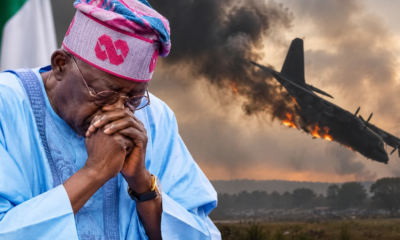
Tompolo’s PBAT Movement Suspends Campaign Over Ondo Military Crash
-

 Politics2 days ago
2027: Obi Makes U-Turn, Vows to Restore Fuel Subsidy If Elected