
Health
NAFDAC Assures Nigerians: Locally Made Indomie Noodles Safe Amid French Recall Alert
NAFDAC Assures Nigerians: Locally Made Indomie Noodles Safe Amid French Recall Alert
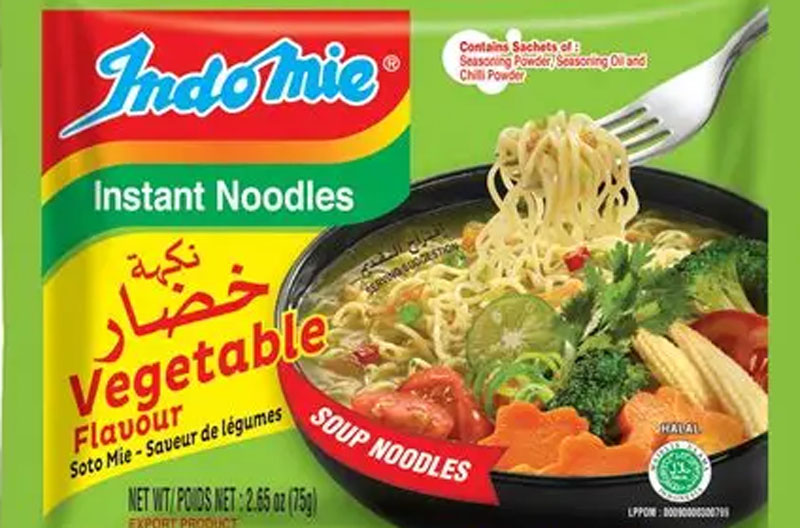
The National Agency for Food and Drug Administration and Control (NAFDAC) has reassured the public that Indomie Noodles Vegetable Flavour is not registered or sold in Nigeria, following a recall alert issued by French health authorities.
In a press release on Sunday, NAFDAC clarified that the recall, initiated by Rappel Conso, France’s official consumer safety platform, involved undeclared allergens—milk and eggs—in the Vegetable Flavour variant, posing risks to individuals with allergies or intolerances. The agency emphasized that the product does not originate from Nigeria and is not approved for sale.
NAFDAC Director-General, Professor Mojisola Christianah Adeyeye, stated:
“The Indomie noodles vegetable flavour in question is not registered with NAFDAC for sale in Nigeria.”
READ ALSO:
- US, Nigeria Sign $5.1bn Health Pact to Expand Faith-Based Hospitals
- Oyo town agog as Alaafin Confers ‘Okanlomo of Yorubaland’ Title on Seyi Tinubu
- Akpabio Heads to Supreme Court Over Appeal Court Ruling on Natasha’s Suspension
The agency highlighted that noodle imports are on the Federal Government’s Import Prohibition List, making it illegal to bring such products into the country. To safeguard public health, NAFDAC has intensified nationwide surveillance, directing zonal directors, state coordinators, and Ports Inspection authorities to prevent any circulation of the recalled product.
The agency further assured that all Indomie noodles produced in Nigeria are locally manufactured, strictly regulated, and comply with Good Manufacturing Practice (GMP) standards. Consumers are advised to report any suspected sale or adverse reactions via NAFDAC’s toll-free number 0800-162-3322 or its e-reporting platforms.
In a separate statement, Indomie Nigeria confirmed that the company does not manufacture, import, or sell the Vegetable Flavour variant in Nigeria, stressing that all locally made Indomie noodles are safe for consumption. The company warned against purchasing noodles with unfamiliar packaging and urged reliance on official sources for verified information.
Both NAFDAC and Indomie Nigeria appealed for public calm, reiterating that Nigerian-produced Indomie noodles remain safe, unaffected, and compliant with regulatory standards.
NAFDAC Assures Nigerians: Locally Made Indomie Noodles Safe Amid French Recall Alert








Health
NUFBTE Workers Occupy NAFDAC Lagos Office Over Sachet Alcohol Ban
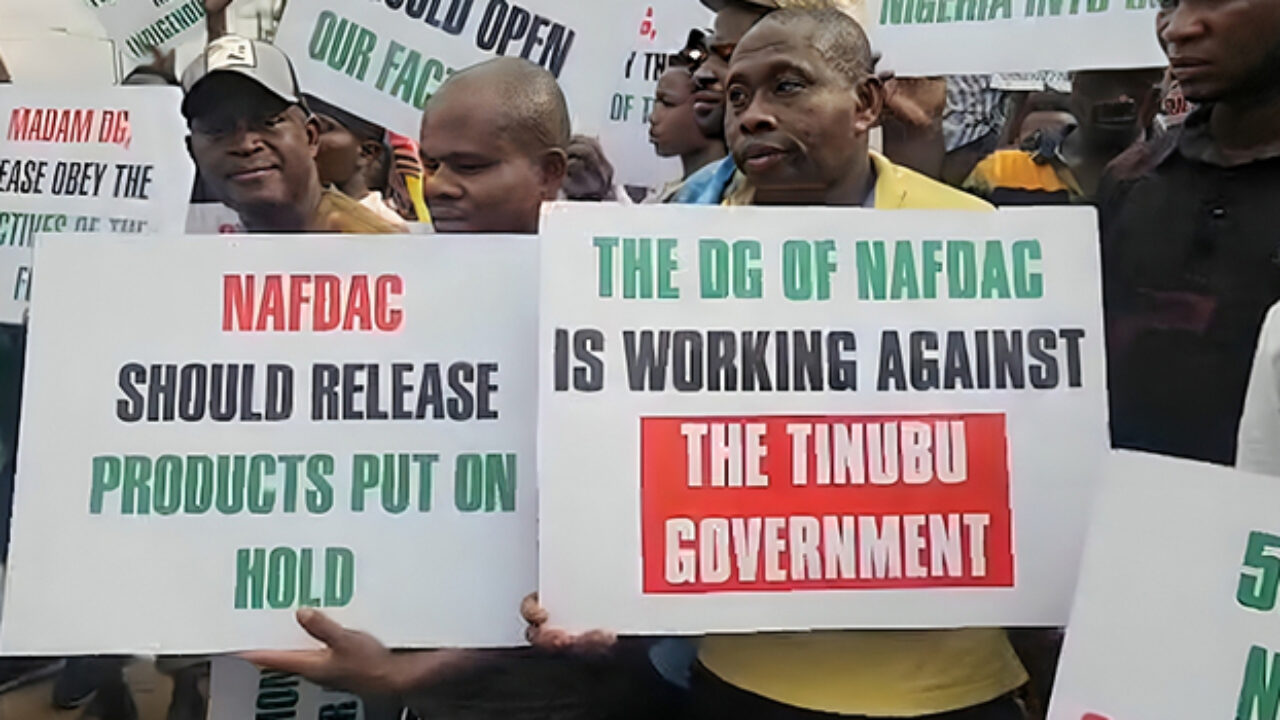
NUFBTE Workers Occupy NAFDAC Lagos Office Over Sachet Alcohol Ban
Members of the National Union of Food, Beverage and Tobacco Employees (NUFBTE) on Thursday staged a protest at the NAFDAC office in Isolo, Lagos, demanding the reversal of the agency’s ban on sachet and PET-bottled alcoholic beverages. The union claims the ban contradicts a directive reportedly issued by the Federal Government, and they want production lines that were sealed to be immediately reopened.
The protesters, including manufacturers, distributors, and industry workers, argued that the enforcement of the ban threatens jobs, livelihoods, and the operations of small and medium-sized enterprises that rely on sachet alcohol sales. During the demonstration, union members handed a petition to NAFDAC officials, urging dialogue and a more balanced approach that safeguards both public health and the food and beverage sector.
NUFBTE cited alleged instructions from the Office of the Secretary to the Government of the Federation and the Office of the National Security Adviser, claiming that NAFDAC should suspend enforcement. The union said continued closure of production lines and restriction of alcohol sales would lead to economic hardship and widespread job losses.
READ ALSO:
- Naira Could Trade Below ₦1,000/$ With Dangote Refinery at Full Capacity — Otedola
- Adeyanju Urges EFCC, DSS to Probe El-Rufai Over Alleged Corruption, Insecurity in Kaduna
- Granite-Laden Truck Kills Motorist, Leaves Wife Critically Injured in Lekki–Ajah Crash
However, NAFDAC rejected the claims, with Director-General Prof. Mojisola Adeyeye stating that no federal directive has instructed the agency to halt the ban. In a statement, the regulator described circulating reports as “false” and “misleading,” emphasizing that its actions are within statutory authority and in line with official government policies.
“NAFDAC has not received any formal directive to suspend its regulatory or enforcement activities concerning sachet alcohol,” the statement read. The agency reiterated its commitment to public health protection, regulatory compliance, and consumer safety, warning the public and industry stakeholders to rely on verified information from official channels.
The ban, implemented earlier this month, targets alcoholic beverages packaged in sachets and containers smaller than 200ml, a measure aimed at reducing unregulated alcohol consumption and protecting vulnerable groups. While the policy has faced backlash from workers and businesses, NAFDAC maintains that it is necessary for national health and safety.
The protest underscores the tension between regulatory enforcement and economic concerns, as workers continue to call for inclusive policymaking and engagement with industry stakeholders to mitigate the impact on jobs and local businesses.
NUFBTE Workers Occupy NAFDAC Lagos Office Over Sachet Alcohol Ban
Health
NAFDAC Clarifies: No Government Directive to Halt Sachet Alcohol Enforcement
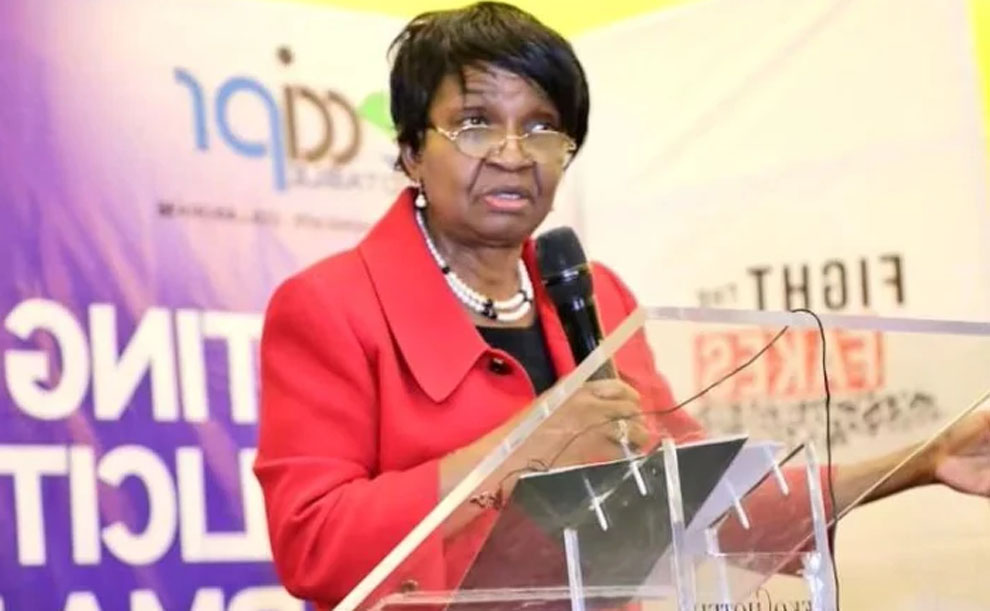
NAFDAC Clarifies: No Government Directive to Halt Sachet Alcohol Enforcement
The National Agency for Food and Drug Administration and Control (NAFDAC) has dismissed reports claiming that the Federal Government ordered a suspension of its enforcement activities against sachet alcohol and 200ml PET bottle alcoholic beverages, describing the reports as “false and misleading.”
In a statement signed by its Director-General, Prof. Mojisola Adeyeye, the agency clarified that it has not received any formal communication from the Federal Government instructing it to halt regulatory or enforcement operations. NAFDAC stressed that all its actions are carried out within its statutory mandate and guided by existing laws and official government directives.
“The said publication is false, misleading, and does not reflect any official communication received by the Agency from the Federal Government,” the statement read. Prof. Adeyeye reiterated that enforcement of regulations on sachet alcohol remains active and any changes to national regulatory policies would be officially communicated through authorised channels.
READ ALSO:
- Suspected IED Explosion Rocks Bayelsa Secretariat, Police Arrest Suspect
- Regina Daniels Shares Emotional Message on Children’s Welfare Amid Custody Battle
- Electricity Workers Serve 21-Day Nationwide Strike Notice to FG
NAFDAC warned that the spread of unverified information can cause public confusion, economic uncertainty, and misinterpretation of government policy. The agency urged the public, industry stakeholders, and the media to rely only on verified information released via its official platforms and government communication channels.
The clarification comes amid ongoing concerns over the public health risks of sachet alcohol, which has been associated with poisoning incidents and misuse, particularly among young people. NAFDAC reiterated its commitment to protecting public health, ensuring compliance in the food and beverage sector, and maintaining national interest while carrying out its regulatory duties.
The agency’s statement underscores that all enforcement operations targeting unsafe alcohol products will continue without interruption, aiming to safeguard consumers and uphold public safety.
NAFDAC Clarifies: No Government Directive to Halt Sachet Alcohol Enforcement
Health
FG Ends ‘No Work, No Pay’, Clears January Salaries After 84-Day JOHESU Strike
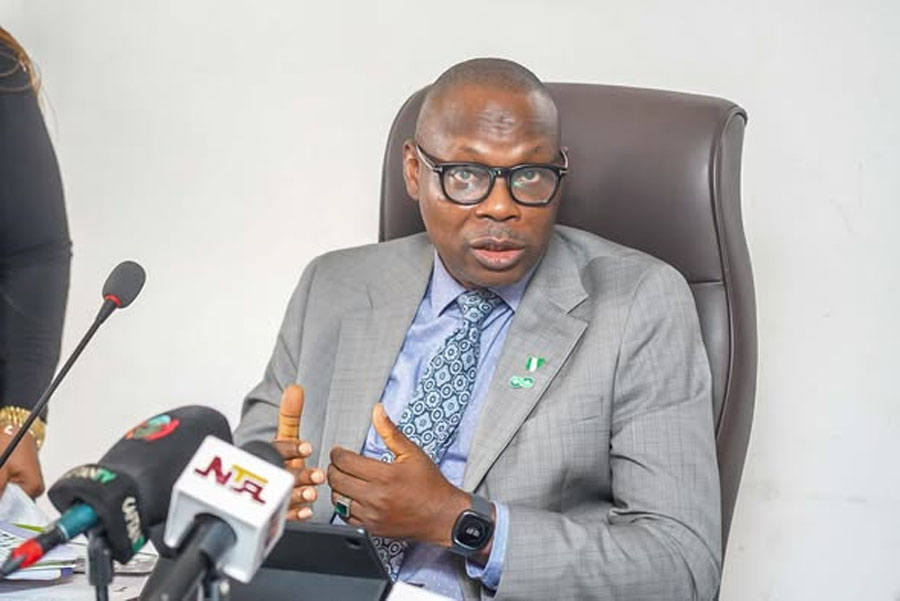
FG Ends ‘No Work, No Pay’, Clears January Salaries After 84-Day JOHESU Strike
The Federal Government has officially lifted the “No Work, No Pay” directive imposed during the 84-day nationwide strike by the Joint Health Sector Unions (JOHESU) and approved the immediate payment of January 2026 salaries for all affected health workers.
The decision followed the suspension of the industrial action after a successful conciliation meeting between the Federal Government and JOHESU leadership, prompting the union to direct its members nationwide to resume work in the interest of patients, health system stability, and national public health security.
In a statement issued by the Assistant Director, Press and Public Relations of the Federal Ministry of Health and Social Welfare, Ado Bako, the Minister of State for Health, Dr. Iziaq Adekunle Salako, said the resolution reflects the government’s commitment to dialogue, fairness, and the protection of Nigeria’s health workforce.
READ ALSO:
- Former NAHCON Chief Explains Why He Stepped Down, Denies Conflicts
- Fubara Reaffirms Commitment to Wike’s Vision
- Housing Crisis: ₦1.5m Rent vs ₦70k Minimum Wage Sparks Outcry in Nigeria
“The Federal Government remains fully committed to the welfare, dignity, and professional advancement of all health workers across Nigeria. This resolution demonstrates that dialogue, mutual respect, and good faith remain the most effective tools for resolving industrial disputes in our health sector,” Salako said.
The minister acknowledged the sacrifices made by health workers during the prolonged strike and assured JOHESU members that no worker would be victimised, sanctioned, or intimidated for participating in the action.
“Government has therefore approved the immediate payment of January 2026 salaries and assures all JOHESU members that no reprisal will follow the industrial action,” he added.
Salako further reaffirmed the administration’s commitment to sustained engagement with health sector unions, noting that discussions would continue on the Collective Bargaining Agreement (CBA) and outstanding issues relating to the adjustment of the Consolidated Health Salary Structure (CONHESS).
He disclosed that the Federal Government has committed to making provisions for the proposed salary adjustments in the 2026 Appropriation Act, in line with the recommendations of the existing technical committee template.
“The inclusion of salary adjustment provisions in the 2026 budget framework reflects our seriousness about achieving sustainable solutions for the health workforce through concrete policy and budgetary actions,” the minister stated.
He commended the spirit of cooperation and patriotism displayed by all parties throughout the negotiation process and reassured Nigerians of the government’s commitment to uninterrupted, quality, and accessible healthcare services nationwide.
FG Ends ‘No Work, No Pay’, Clears January Salaries After 84-Day JOHESU Strike

-

 metro1 day ago
IKEDC Sets Feb 20 Deadline for Customers to Submit Valid IDs or Face Disconnection
-
 Education1 day ago
Supreme Court Affirms Muslim Students’ Right to Worship at Rivers State University
-

 Business2 days ago
Dangote Refinery Slashes Petrol Price to ₦774, Ends PMS Bonus Window
-

 Business1 day ago
Naira Could Trade Below ₦1,000/$ With Dangote Refinery at Full Capacity — Otedola
-

 metro2 days ago
Kwara, Katsina Bloodshed: TMC Condemns Attacks, Dismisses ‘Jihadist Preacher’ Claims
-

 metro12 hours ago
Lagos Police Launch Manhunt for Suspect in Brutal Ajah Murder
-

 News13 hours ago
Aso Rock Goes Solar as Tinubu Orders National Grid Disconnection
-
 News2 days ago
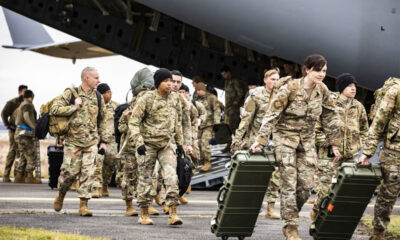
Trump Approves Deployment of 200 U.S. Soldiers to Support Nigeria’s Fight Against Terrorists