
Health
NCDC advises Nigerians as 39 fresh Mpox cases emerge
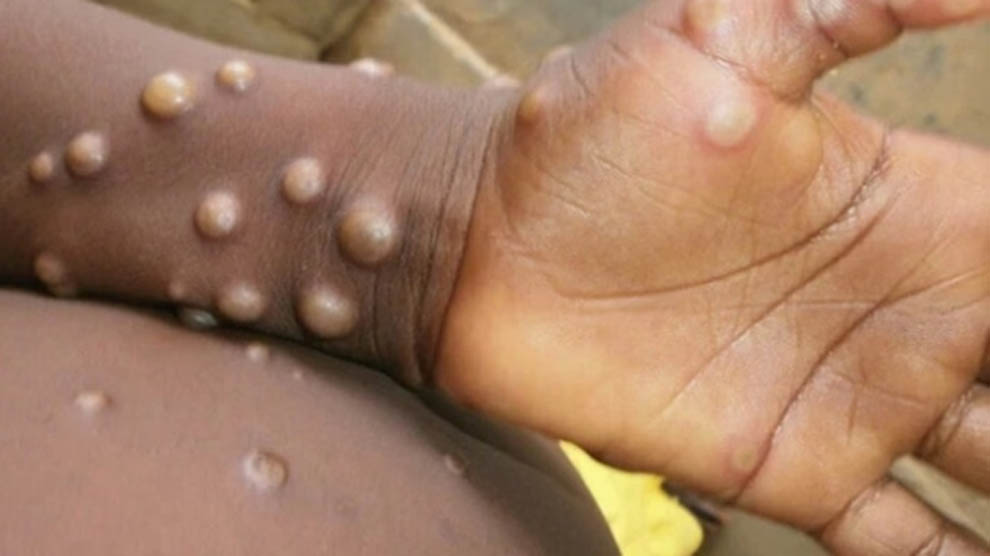
NCDC advises Nigerians as 39 fresh Mpox cases emerge
As global concerns rise over the spread of the Mpox virus, the Nigeria Centre for Disease Control and Prevention (NCDC) has confirmed 39 cases within the country.
In a bid to curb the virus’s spread, the NCDC has released a health advisory to the public.
The NCDC has also alerted both public and private healthcare facilities about the Mpox threat, providing them with a list of designated isolation and treatment centers across the six geopolitical zones.
The Centre further reported that Nigeria has documented 5,951 suspected cholera cases, resulting in 178 fatalities.
According to a statement by NCDC’s Director General, Dr. Jide Idris, the agency is closely monitoring several endemic diseases, including Mpox, which has been declared a Public Health Emergency of International Concern by the World Health Organization (WHO) and the Africa Centers for Disease Control and Prevention (Africa CDC).
While offering an update on ongoing outbreaks such as cholera and Mpox, Dr. Idris disclosed that 2,863 confirmed cases of Mpox and 517 related deaths have been recorded across 13 African countries in 2024.
READ ALSO:
- Air Peace: We’ll respond to Nigeria’s threat to bar BA, others, says UK
- Petrol sells for nears N1,000/litre in FCT, states
- Nigerian man eats in 150 restaurants in 24 hours, breaks Guinness World Record
He attributed this surge to a new Mpox strain originating from eastern Congo, which has now been detected in Kenya, Rwanda, and Uganda.
Dr. Idris noted that in Nigeria, 39 confirmed Mpox cases have been reported across 33 states and the Federal Capital Territory (FCT) since the beginning of 2024. States like Bayelsa, Cross River, Ogun, Lagos, Ondo, and Ebonyi have reported the highest numbers of cases.
Despite the growing number of cases, Dr. Idris reassured the public that there is no significant threat of cross-border transmission within Nigeria. He mentioned that the National Mpox Technical Working Group (TWG) is coordinating the response efforts.
The NCDC is enhancing surveillance across Nigeria to quickly identify and respond to new cases. This includes placing port health services at all international airports, seaports, and land borders on high alert. Diagnostic protocols have been distributed, and Port Health officers are screening for suspected cases.
Certain states, including Lagos, Abuja, Enugu, Kano, Rivers, Cross River, Akwa Ibom, Adamawa, and Taraba, have been placed on heightened alert. NCDC field workers are actively conducting contact tracing and monitoring confirmed cases to prevent further spread.
The advisory also noted that travelers who have visited countries with active Mpox outbreaks in the last 90 days must declare their travel history. Furthermore, healthcare workers and the public are being provided with updated guidelines on infection prevention and control, and SURGE staff are being trained to handle potential Mpox outbreaks.
The NCDC urged the public to adhere to established infection prevention measures to curb the spread of Mpox.
These measures include avoiding contact with animals that may carry the virus, particularly in areas where Mpox has been confirmed, and practicing good hygiene, such as regular hand washing with soap and water.
The public is also advised to avoid unnecessary physical contact with individuals infected with Mpox and to isolate potentially infected animals from others.
NCDC advises Nigerians as 39 fresh Mpox cases emerge





Health
NAFDAC Raises Alarm Over Fake Cerelac Mixed Fruits, Wheat in Lagos

NAFDAC Raises Alarm Over Fake Cerelac Mixed Fruits, Wheat in Lagos
The National Agency for Food and Drug Administration and Control (NAFDAC) has issued a fresh public alert warning Nigerians about the circulation of counterfeit and unregistered Cerelac products in Lagos, raising serious concerns over infant health risks.
The agency disclosed that the alert followed a complaint received by Nestlé Nigeria Plc, the official Marketing Authorisation Holder (MAH) of Cerelac in Nigeria. The complaint involved a suspicious batch of Cerelac Mixed Fruits and Wheat bearing Batch Code 308002910, allegedly manufactured by Nestlé Spain.
According to NAFDAC, the complainant reported that the product emitted a strange odour resembling fuel contamination, raising immediate red flags about its safety.
Further investigation by Nestlé Nigeria revealed that although the product displayed an expiry date of October 2026, it had in fact already expired—indicating that the date had been tampered with or revalidated, a common tactic used in the distribution of counterfeit food items.
NAFDAC’s Post Marketing Surveillance (PMS) Directorate subsequently carried out an inspection at Maxland Shopping Centre, Ago Palace Way, Okota, Lagos, where the product was originally purchased. During the operation, officials discovered the fake Cerelac products on sale and immediately mopped them up from circulation.
READ ALSO:
- Lamine Yamal Fires Back: “Mocking Religion Makes You Ignorant, Racist”
- Power Crisis Looms as NLC Shuts AEDC, Protests Sack of 900 Workers
- Fresh Killings, Panic as Curfew Relaxation Backfires in Jos
The agency also highlighted a key distinguishing feature to help consumers identify the counterfeit product:
- Fake product: Uses a hyphen (-) in date formatting
- Original product: Uses a slash (/) in date formatting
NAFDAC noted that Nestlé Nigeria Plc is not aware of the distribution channels through which the counterfeit products entered the Nigerian market, raising further concerns about supply chain breaches.
The regulatory body warned that fake baby food products may lack essential nutrients, vitamins, and minerals, potentially leading to stunted growth, developmental complications, or severe health consequences, including death in extreme cases.
To curb the spread, NAFDAC has directed all its zonal directors and state coordinators nationwide to intensify surveillance and ensure the removal of any revalidated or falsified Cerelac products from circulation.
The agency also urged distributors, retailers, healthcare professionals, and caregivers to remain vigilant and avoid dealing in unverified products.
Consumers and healthcare workers are encouraged to report any suspicious products to the nearest NAFDAC office or through official channels, including the agency’s hotline and email reporting system.
NAFDAC reiterated its commitment to ensuring the quality, safety, and efficacy of regulated products, stressing that it will continue aggressive monitoring to protect public health.
NAFDAC Raises Alarm Over Fake Cerelac Mixed Fruits, Wheat in Lagos
Health
Kidney Failure: Experts Warn Nigerians to Drink Water, Exercise, Rest

Kidney Failure: Experts Warn Nigerians to Drink Water, Exercise, Rest
At 42, Chinedu never imagined that frequent soft drink consumption, lack of sleep, and untreated high blood pressure could threaten his life. By the time symptoms appeared, his kidneys were already failing, and the cost of treatment—running into nearly ₦1 million monthly for dialysis—was far beyond his reach.
Chinedu’s story reflects a growing health crisis in Nigeria, where dozens of patients arrive at hospitals daily unaware they are battling Chronic Kidney Disease (CKD). Experts warn that the disease often progresses silently, with symptoms only appearing at advanced stages when treatment becomes difficult, expensive, and emotionally draining.
According to Dr. Nmadu Danladi, Consultant Nephrologist at the Federal Medical Centre Ebute Metta, kidneys are “silent workers” that many people ignore until it is too late. He explained that unlike other organs, kidney problems rarely show early warning signs, which is why late presentation is common.
He described kidney failure as devastating on multiple levels—physically, emotionally, and financially—not just for patients but also for their families, who often bear the cost of long-term care.
Medical experts attribute the rising burden of kidney disease to lifestyle-related conditions such as Hypertension and Diabetes Mellitus, both of which are leading causes of kidney damage globally. Poor dietary habits, including excessive salt intake, high consumption of processed foods, and sugary drinks, are also major contributors.
READ ALSO:
- Nigeria Power Sector Crisis: DisCos Lose ₦2.3trn as Blackouts Intensify
- Iran Threatens to Shut Strait of Hormuz as US Ultimatum Escalates Regional Tensions
- Baba Ijesha Speaks Out After Prison Release, Denies Sexual Assault Conviction
To reduce the risk, nephrologists recommend five key lifestyle measures: drink plenty of water, get adequate rest, exercise regularly, reduce salt and red meat intake, and undergo routine medical check-ups. These simple habits, they say, can significantly lower the chances of developing kidney disease.
Hydration, in particular, plays a critical role in maintaining kidney function. Experts advise that men should consume about 2.7 litres of water daily and women about 2.5 litres, with higher intake recommended in hot weather conditions common across Nigeria—sometimes up to 3.5–4 litres daily.
They stress that early detection remains the most effective way to prevent irreversible damage. Kidney disease can often be managed in its early stages through medication and lifestyle adjustments, preventing progression to full kidney failure.
Globally, the World Health Organization (WHO) has consistently warned about the rising prevalence of kidney disease, particularly in low- and middle-income countries where access to treatment is limited and expensive.
In Nigeria, the cost of managing kidney failure remains a major challenge. Dialysis sessions typically cost between ₦40,000 and ₦50,000 per session, with patients requiring multiple sessions weekly to survive. This places treatment far beyond the reach of many households.
However, government interventions are beginning to offer some relief. At the Federal Medical Centre, Ebute Metta, dialysis has been subsidised to about ₦12,000 per session, significantly reducing the burden on patients.
Despite this, demand continues to rise. The hospital now conducts between 300 and 350 dialysis sessions monthly, averaging 20 to 25 sessions daily, while recording two to three new emergency kidney failure cases every day—a trend experts describe as alarming.
Health professionals also warn against the abuse of over-the-counter painkillers, which can damage the kidneys when used excessively, as well as untreated infections and herbal remedies of unknown composition.
They emphasise that World Kidney Day, observed every second Thursday in March, serves as a reminder of the importance of kidney health and early screening.
Ultimately, experts agree that prevention is far more affordable and effective than treatment. With kidney disease often progressing unnoticed, Nigerians are urged to prioritise their health through proper hydration, healthy living, and regular medical checks.
They warn that without urgent lifestyle changes and increased awareness, the burden of kidney disease will continue to rise—placing more families at risk of devastating financial and emotional strain.
Kidney Failure: Experts Warn Nigerians to Drink Water, Exercise, Rest
Health
Meningitis cases in UK rise, nightclub fingered

Meningitis cases in UK rise, nightclub fingered
A popular nightlife spot in southeast England has emerged as the focal point of a growing meningitis outbreak, prompting an urgent public health response that has seen thousands vaccinated and treated within days.
UK health authorities confirmed that cases tied to the outbreak have climbed to 34, including 23 laboratory-confirmed infections, with epidemiological links tracing back to a three-storey venue, Club Chemistry, in Canterbury.
The development has shifted attention to the risks associated with crowded social settings, particularly as officials race to contain further spread among young people.
In response, a large-scale vaccination campaign has been rolled out at the University of Kent, where hundreds of students formed long queues over the weekend to receive the meningitis B vaccine. The surge in demand follows an earlier rush that left some unable to access doses.
So far, more than 5,700 vaccines have been administered, alongside the distribution of over 11,000 antibiotic doses across Kent, according to the UK Health Security Agency (UKHSA).
The outbreak, which began just over a week ago, has already claimed two lives — a university student and a schoolgirl — while several others remain hospitalised. Most confirmed cases involve meningococcal group B (MenB), a strain known for its severity.
Authorities are now urging individuals who visited Club Chemistry between March 5 and 7 to seek immediate medical advice and preventive treatment, as efforts intensify to break transmission chains linked to close-contact environments.
Public health officials have also raised concerns about the potential for isolated cases to surface beyond Kent, as students travel across the country. However, they maintain that such occurrences are likely to be limited and manageable.
The situation has already crossed borders, with France confirming a related case involving a University of Kent attendee who is currently in stable condition.
Meningitis, a serious infection affecting the brain and spinal cord membranes, can escalate rapidly if untreated. Early symptoms — including fever, headache, and neck stiffness — often resemble less severe illnesses, complicating early detection.
Health experts continue to stress vigilance, particularly among young adults, as the outbreak underscores how quickly infections can spread through close social interactions.

-

 Education3 days ago
WAEC Releases 2026 WASSCE Timetable for School Candidates
-

 Auto3 days ago
Lagos NURTW Chairman Sego Distributes Exotic Cars, Luxury Items to Cabinet Members (Video)
-

 metro3 days ago
Cars Torched as South Africans Protest Alleged Nigerian ‘Igbo King’ Coronation
-

 Railway2 days ago
Easter train: NRC increases Lagos-Ibadan trips, offers free Osun holiday transit
-

 Sports3 days ago
Osimhen Among Highest-Paid African Footballers in 2026 — See Full List
-

 Education2 days ago
JAMB Releases 2026 UTME Mock Results, Delists Over 20 CBT Centres
-

 Business3 days ago
Bottles of Death: SWAN rallies media to combat ₦472bn illicit alcohol crisis
-

 Politics2 days ago
Adebayo Adelabu Resigns as Power Minister to Run for Oyo State Governorship