
International
Netanyahu Says Israel’s Campaign Against Iran ‘Not Over’ Despite Ongoing Ceasefire
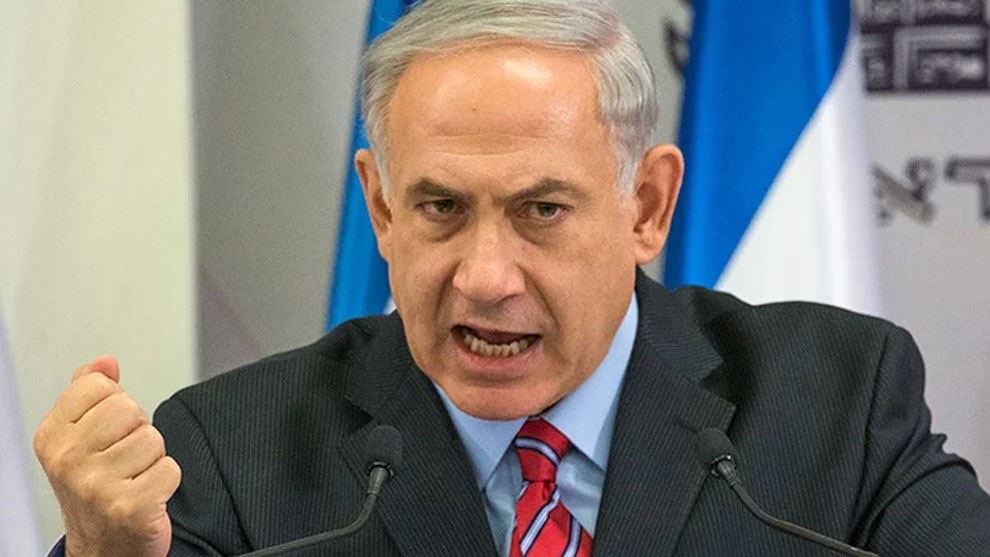
Netanyahu Says Israel’s Campaign Against Iran ‘Not Over’ Despite Ongoing Ceasefire
Israeli Prime Minister Benjamin Netanyahu has declared that Israel’s military campaign against Iran is far from complete, despite a fragile two-week ceasefire currently holding between the United States and Iran.
Speaking in a televised address in front of a large strategic map of Iran and its regional influence, Netanyahu said Israel’s operations are still ongoing and that its objectives have not yet been fully achieved.
“This is not the end of the campaign. It is merely a preparation on our way to achieve all of our goals. We still have more to do,” he stated.
The Israeli leader stressed that Israel would continue its efforts against Iran until its strategic objectives are met, either through diplomatic arrangements or renewed military action. He claimed Iran had entered the ceasefire period weakened following recent escalations in regional tensions.
READ ALSO:
- US-Iran Talks in Pakistan Collapse After 21 Hours of Marathon Negotiations
- Strait of Hormuz: US Launches Naval Mine-Clearing Operation
- Police Rescue Boy Allegedly Locked in Van Since 2024 in France
Netanyahu also made clear that the ceasefire arrangement applies primarily to U.S.-Iran relations and does not limit Israel’s ongoing military operations against Hezbollah in Lebanon, where cross-border tensions have continued despite international calls for restraint.
The remarks come as the U.S.-brokered ceasefire between Washington and Tehran remains in place following high-level diplomatic engagement aimed at reducing tensions over Iran’s nuclear programme, sanctions disputes, and broader regional security concerns.
The ceasefire is also linked to wider instability in the Middle East, including maritime security concerns in the Strait of Hormuz, a key global oil shipping route that remains central to global energy stability.
Despite the temporary pause in hostilities, analysts warn that the region remains highly volatile, with unresolved disputes between Israel, Iran, Hezbollah, and other regional actors continuing to fuel uncertainty.
Iran and Hezbollah have not yet responded to Netanyahu’s latest comments, though both have previously accused Israel of escalating regional tensions and undermining diplomatic efforts.
For now, the situation remains delicately balanced, with a temporary ceasefire in place but no clear indication of a long-term political or security settlement.
Netanyahu Says Israel’s Campaign Against Iran ‘Not Over’ Despite Ongoing Ceasefire








International
US-Iran Talks in Pakistan Collapse After 21 Hours of Marathon Negotiations
US-Iran Talks in Pakistan Collapse After 21 Hours of Marathon Negotiations
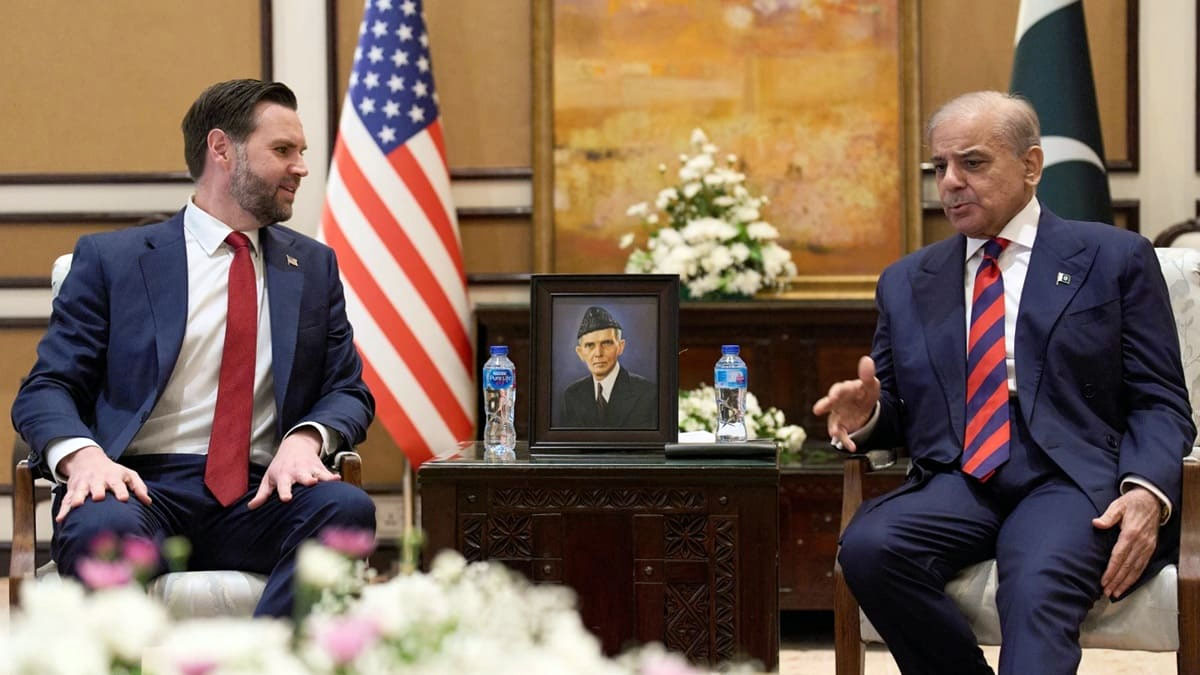
High-stakes U.S.-Iran peace talks held in Islamabad, Pakistan, have ended without an agreement after nearly 21 hours of continuous negotiations, with the United States confirming its delegation is returning home empty-handed amid rising uncertainty over a fragile ceasefire in the Middle East.
The talks were held at the Serena Hotel in Islamabad and were described as one of the most significant direct engagements between Washington and Tehran in years. Discussions focused on Iran’s nuclear programme, regional security concerns, sanctions, and the future of maritime stability in the Strait of Hormuz, a key global oil shipping route.
The U.S. delegation was led by Vice President JD Vance, alongside President Donald Trump’s special envoy Steve Witkoff and senior adviser Jared Kushner. Iranian officials also participated in intensive closed-door sessions that stretched through the night.
Speaking to reporters before departing on Air Force Two, Vance confirmed that the United States had presented what it called its “final and best offer,” but Iran declined to accept the conditions.
“We have been at it for 21 hours… We have not reached an agreement. Iran chose not to accept our terms,” Vance said, stressing that halting Iran’s nuclear programme remained a core U.S. demand that was not achieved.
He added that the outcome was “bad news for Iran much more than the United States,” while leaving open the possibility of future negotiations if conditions change.
The talks were aimed at building on a fragile ceasefire arrangement tied to broader regional tensions involving the United States, Iran, and Israel. Key issues included Iran’s nuclear development, sanctions relief, and security in strategic waterways.
READ ALSO:
- Strait of Hormuz: US Launches Naval Mine-Clearing Operation
- Police Rescue Boy Allegedly Locked in Van Since 2024 in France
- Afrobeats Drama: Burna Boy–DJ Tunez Clash Fuels Wizkid Face-Off Speculation
The Strait of Hormuz, through which a significant share of global oil exports passes, remained central to discussions due to ongoing concerns about maritime security and potential disruptions to global energy supplies.
Pakistan played a key mediating role in the negotiations. Prime Minister Shehbaz Sharif and senior military officials facilitated the talks, with Islamabad urging both sides to maintain the ceasefire and continue dialogue.
Pakistan’s Foreign Minister Ishaq Dar reiterated that sustaining the ceasefire is essential and pledged continued support for diplomatic engagement between both nations.
Australia’s Foreign Minister Penny Wong also expressed disappointment over the outcome, warning that failure to reach a deal could worsen humanitarian and economic conditions, and urged a swift return to negotiations.
Iranian officials said the discussions took place in an atmosphere of mistrust, arguing that expecting a full agreement in a single round of talks was unrealistic. Tehran also confirmed that diplomatic consultations with regional partners will continue.
Although the current ceasefire remains in place, its long-term stability is now uncertain. Analysts warn that unresolved disputes over Iran’s nuclear ambitions and sanctions relief could quickly reignite tensions if diplomacy continues to stall.
The breakdown has also raised concerns over global energy markets, with fears that renewed escalation could disrupt shipping routes and oil flow through the Strait of Hormuz, one of the world’s most important economic chokepoints.
For now, both sides have left the door open to future negotiations, but no timeline has been announced.
US-Iran Talks in Pakistan Collapse After 21 Hours of Marathon Negotiations
International
Strait of Hormuz: US Launches Naval Mine-Clearing Operation
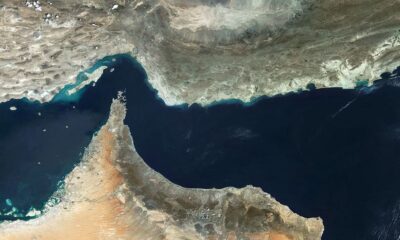
Strait of Hormuz: US Launches Naval Mine-Clearing Operation
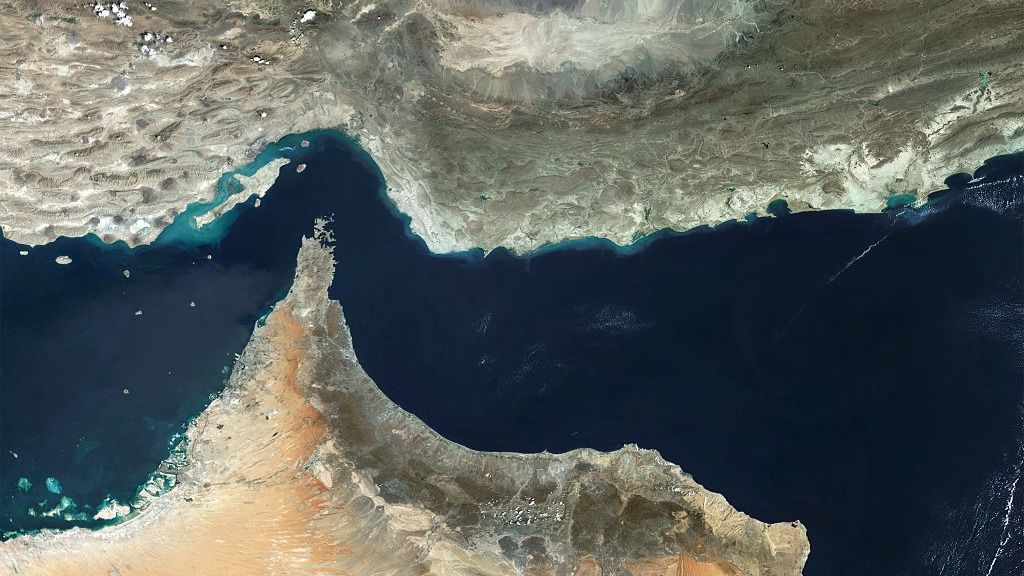
The United States Central Command (CENTCOM) has announced the beginning of mine-clearing operations in the Strait of Hormuz, a critical global shipping route, as tensions in the Middle East continue to draw international attention.
The operation involved two U.S. Navy guided-missile destroyers—USS Frank E. Peterson and USS Michael Murphy—which transited the strategic waterway and conducted coordinated naval movements in the Arabian Gulf. CENTCOM said the mission is aimed at clearing sea mines allegedly linked to Iran’s Islamic Revolutionary Guard Corps (IRGC).
The Strait of Hormuz, a narrow but highly strategic maritime corridor, is responsible for the movement of nearly 20% of global oil shipments, making it one of the world’s most important energy chokepoints. Any disruption in the area has immediate implications for global oil prices and international trade stability.
CENTCOM commander Brad Cooper confirmed that the operation marks the beginning of a broader effort to establish a “safe passage” for commercial shipping. He stated that the U.S. aims to restore secure navigation routes and ensure the uninterrupted flow of global commerce through the waterway.
READ ALSO:
- Police Rescue Boy Allegedly Locked in Van Since 2024 in France
- Afrobeats Drama: Burna Boy–DJ Tunez Clash Fuels Wizkid Face-Off Speculation
- FG pushes high-speed train, expands rail links to seaports
According to U.S. military officials, additional assets—including naval support units and underwater drones designed for mine detection and clearance—will join the operation in the coming days. These technologies are expected to enhance the speed and safety of clearing potential explosive devices from the seabed.
The move comes amid heightened regional tensions following earlier military confrontations involving the United States and Iran, as well as a fragile ceasefire that has helped prevent further escalation. Washington has described the operation as part of wider maritime security and stabilisation efforts in the region.
Iran has not issued an official response to the latest U.S. announcement. However, previous statements from Tehran have warned against increased foreign military presence in the Persian Gulf, raising concerns that the situation could escalate if operations continue.
The Strait of Hormuz remains one of the most sensitive geopolitical flashpoints globally due to its role in energy transportation. Analysts warn that prolonged instability could disrupt global oil supply chains, increase shipping costs, and trigger volatility in energy markets.
While the U.S. says the mine-clearing mission is already underway, independent verification of the scope and progress of the operation has not yet been confirmed. Experts note that clearing naval mines is a complex process that could take days or even weeks depending on conditions.
For now, global attention remains fixed on the Strait of Hormuz as military activity, energy security concerns, and diplomatic tensions converge in one of the world’s most critical maritime corridors.
Strait of Hormuz: US Launches Naval Mine-Clearing Operation
International
US Revokes Green Cards of Iranian Family

US Revokes Green Cards of Iranian Family
U.S. Secretary of State Marco Rubio has revoked the lawful permanent resident status of family members of Masoumeh Ebtekar, the Iranian official who served as spokeswoman for militants during the Iran hostage crisis.
The affected individuals—Ebtekar’s son, daughter-in-law, and grandson—are currently in the custody of U.S. Immigration and Customs Enforcement (ICE) and are facing possible deportation proceedings.
In a statement posted on X, Rubio directly linked the action to Ebtekar’s role in the 1979 crisis, during which 52 Americans were held hostage for 444 days after militants seized the U.S. Embassy in Tehran.
“Masoumeh Ebtekar, also known as ‘Screaming Mary,’ was the spokeswoman for the Islamic terrorists who stormed the U.S. Embassy in Tehran in 1979,” Rubio said, accusing the hostage-takers of subjecting captives to severe abuse.
He disclosed that the family members—identified as Seyed Eissa Hashemi, Maryam Tahmasebi, and their son—entered the United States through the Diversity Immigrant Visa Programme during the administration of Barack Obama, receiving visas in 2014 and later obtaining permanent residency in 2016.
Rubio confirmed that their green cards had now been terminated.
READ ALSO:
- 16-Year-Old Alleges Repeated Rape by Pastor During ‘Deliverance’ in Anambra
- Zulum Donates N50m to Family of Slain Army Officer in Borno Attack
- INEC Denies Viral X Claim Alleging Amupitan Endorsed Partisan Post
“This week, I terminated their lawful permanent resident status, and today, Seyed Eissa Hashemi, Maryam Tahmasebi, and their son are now in ICE custody pending their removal from our country,” he said.
He added that individuals linked to what he described as anti-American actions should not benefit from U.S. residency, stressing that such policies are being reinforced under President Donald Trump.
The move is part of a broader crackdown by the current administration targeting relatives of senior Iranian figures residing in the United States. Rubio recently announced similar measures against individuals connected to slain Iranian military commander Qasem Soleimani, including his niece, Hamideh Soleimani Afshar, as well as the daughter of former Iranian official Ali Larijani. Those individuals have also reportedly been detained by ICE and are facing deportation.
Ebtekar, who later served as Iran’s vice president for women and family affairs, gained international attention for her televised defence of the hostage-takers during the crisis.
Her son, Seyed Eissa Hashemi, had reportedly been living in the Los Angeles area, where he worked as a psychology lecturer prior to his detention.
Immigration experts note that while lawful permanent residency—commonly known as a green card—grants the right to live and work in the United States, it can be revoked under certain conditions, including national security concerns or misrepresentation during the immigration process.
The decision has triggered mixed reactions online and among policy observers. Supporters argue it reflects long-overdue accountability tied to one of the most sensitive episodes in U.S.–Iran relations, while critics question whether family members with no direct involvement in the 1979 events should face punitive measures.
As of the time of reporting, no official response has been issued by the affected family members or the Iranian government.
US Revokes Green Cards of Iranian Family

-

 Africa3 days ago
ECOWAS Recruitment 2026: Over 30 Job Vacancies Open for Nigerians (How to Apply)
-

 metro15 hours ago
JUST IN: FG Publishes List of 48 Individuals, Groups Linked to Terrorism Financing in Nigeria
-

 Health3 days ago
Sleeping Positions: How They Affect Your Health and Which Ones to Avoid
-

 Politics1 day ago
Did Faleke Just Reveal Lagos’ Next Governor? Party Moves Begin
-

 metro16 hours ago
42-Year-Old Married Woman Declared Missing Found in Hotel with Man
-

 metro3 days ago
Boko Haram Attack in Borno: Brigadier-General, Soldiers Killed as ISWAP Overruns Military Base
-

 Education2 days ago
Germany Opens Fully Funded Scholarships for Nigerians, Africans
-
 metro17 hours ago
ADC Threatens Civil Disobedience To Force INEC Chairman To Resign