
metro
Nigerian man dies 20 days after his wedding

“This is how we celebrate your wedding day on 9th of September 2023 and today we are typing rest in peace. What a world brother keep resting we will surely miss you,” he wrote.
“Uncle P as i use to call him why so soon God whyyyyyyy. Ur weeding is not up to two weeks u just left without saying goodbye and left my aunty as a widow in a marriage that’s is barely two weeks Kai duniya wat a wicked world. May ur soul find rest with the Lord.”


Nigerian man dies 20 days after his wedding










metro
Zulum Defends NAF Airstrike, Says Jilli Market Closed Five Years Ago
Zulum Defends NAF Airstrike, Says Jilli Market Closed Five Years Ago
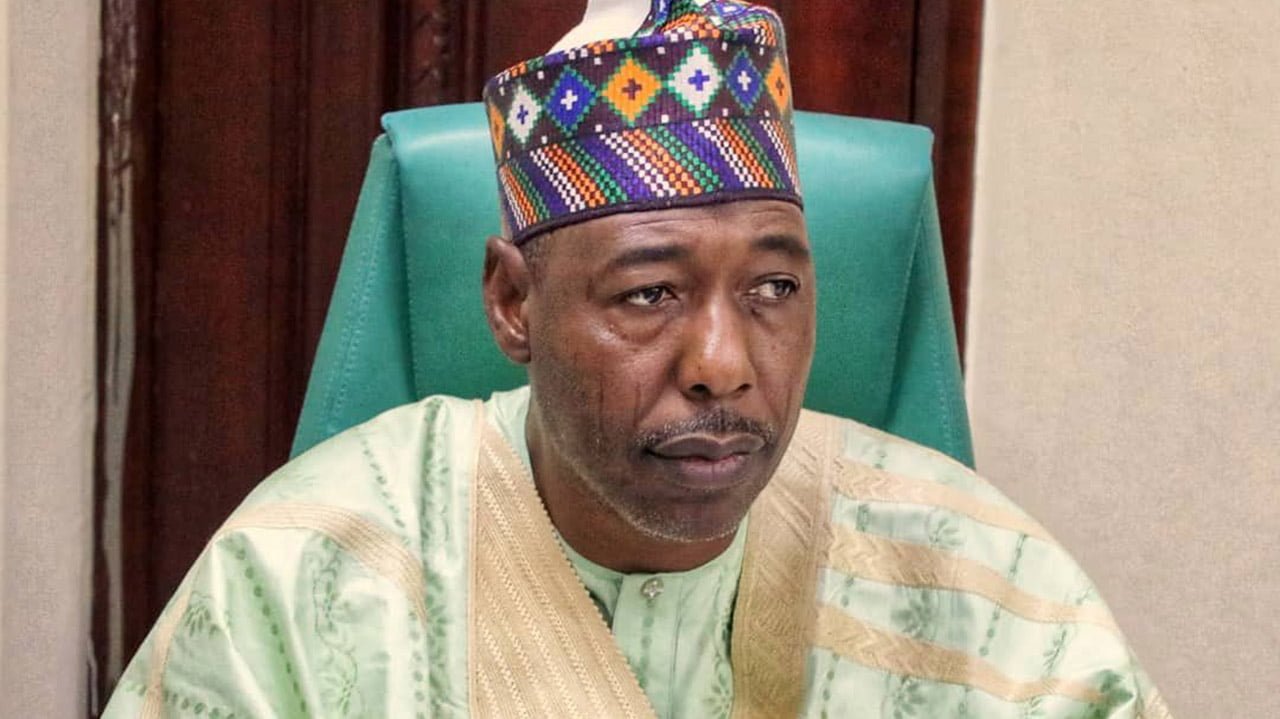
Borno State Governor Babagana Zulum has defended the Nigerian military over a controversial airstrike in Jilli, insisting that the location widely described as a “market” had been shut down for years due to insurgency.
In a statement issued on Sunday by his Special Adviser on Media, Dauda Iliya, the governor said the Jilli market in Gubio Local Government Area—located along the Borno–Yobe border—was officially closed about five years ago as part of security measures to curb terrorist activities.
Zulum described Jilli as a notorious hub allegedly used by insurgents and their logistics networks, stressing that it no longer functioned as a legitimate civilian marketplace.
“I have been properly briefed on the airstrike carried out by the Air Component of Operation Hadin Kai on Jilli market… Let me state categorically that the Borno State Government closed Jilli and Gazabure markets five years ago,” the governor said.
He added that his administration is in active consultation with the Yobe State Government and military authorities to fully assess the situation and ensure proper coordination going forward.
The airstrike, carried out on April 11, 2026, by the Air Component of Operation HADIN KAI in collaboration with the Nigerian Army, reportedly targeted suspected terrorist positions in the area following intelligence reports and earlier operations in the corridor.
READ ALSO:
- Dabiri-Erewa Warns Obidients Could Hurt Peter Obi’s 2027 Ambition
- BREAKING: Troops Arrest 15-Year-Old Linked to Killing of Gen Braimah in Borno
- Fayose Warns Makinde May Query Olubadan Over Absence at Ibadan Coronation Event
However, initial reports indicated that over 50 people were feared killed, sparking concern over possible civilian casualties and raising questions about the nature of the target.
Eyewitness accounts suggested that the strike hit a location believed by locals to be a weekly trading point, triggering panic among residents as explosions rocked the area.
In response, Zulum emphasised that the Borno State Government maintains strict protocols before reopening markets or resettling communities affected by insurgency, noting that such decisions are made in close coordination with security agencies.
He reiterated his administration’s commitment to protecting civilians while supporting military operations aimed at dismantling insurgent networks across the North-East.
The governor also urged residents to remain vigilant and cooperate with security forces by providing credible intelligence that could aid ongoing counterinsurgency efforts.
Military authorities have yet to release a detailed official report confirming casualty figures or clarifying the full circumstances of the strike.
Security analysts say the incident highlights the complex challenges of counterinsurgency warfare, where distinguishing between civilian activity and insurgent logistics hubs remains difficult, particularly in volatile border communities.
Despite the controversy, the Nigerian military has continued intensified operations across key areas in Borno and neighbouring states, targeting supply routes and strongholds used by extremist groups.
Zulum Defends NAF Airstrike, Says Jilli Market Closed Five Years Ago
metro
BREAKING: Troops Arrest 15-Year-Old Linked to Killing of Gen Braimah in Borno
BREAKING: Troops Arrest 15-Year-Old Linked to Killing of Gen Braimah in Borno
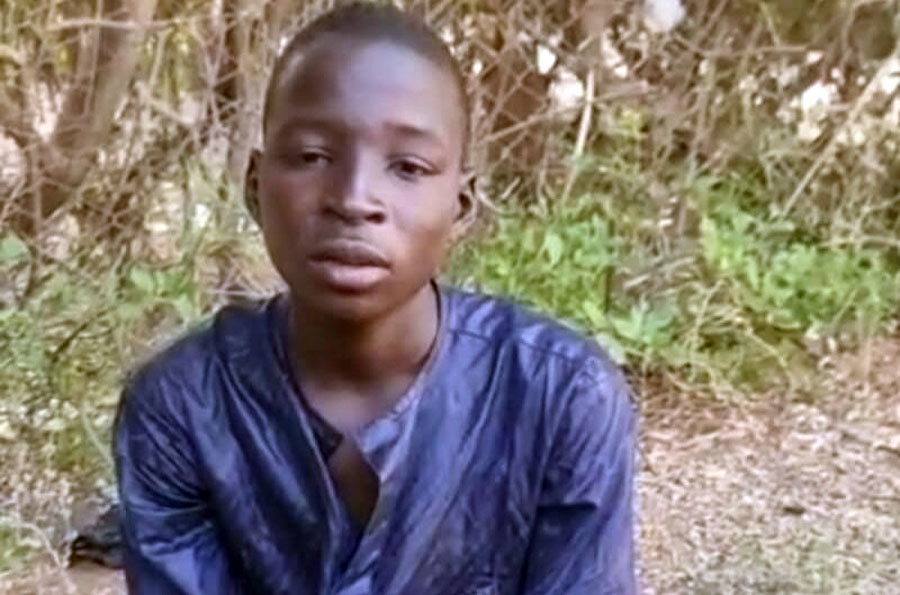
Troops of the Joint Task Force (North East), Operation HADIN KAI (OPHK), have arrested a 15-year-old suspect allegedly involved in the deadly attack that killed Brigadier General Oseni Omoh Braimah, another officer, and two soldiers in Borno State.
The suspect, identified simply as Tijjani, was apprehended on Sunday in Ngamdu while reportedly on an errand to procure food supplies for members of his group.
In a video recorded after his arrest, the teenager confessed to being part of the armed group responsible for coordinated attacks in Benisheik and Ngamdu, areas that have witnessed renewed insurgent activity in recent months.
According to the suspect, the group operated from Jilli, a location described by military sources as a known logistics and movement hub for insurgents in the region. He said they moved from Jilli to carry out the attack and later returned to the same location.
Tijjani further disclosed that he had been sent with about ₦850,000 to collect logistics supplies from Ngamdu before his arrest. He added that he left his colleagues behind at Jilli and was unaware of subsequent developments following the operation.
READ ALSO:
- Fayose Warns Makinde May Query Olubadan Over Absence at Ibadan Coronation Event
- Manchester City Beat Chelsea 3–0 to Close Gap on Arsenal
- Police Arrest Suspect Over Fake Job Interview Robbery in Magodo
The late General Braimah, who commanded the 29 Task Force Brigade under Operation HADIN KAI, was killed on Thursday when suspected Boko Haram fighters launched an assault on a military base in the area. The attack also claimed the lives of another officer and two soldiers, underscoring the persistent threat posed by insurgent groups in the North-East.
Military sources indicate that the arrest of the teenage suspect is part of ongoing intelligence-led operations aimed at dismantling terrorist networks and cutting off their supply chains across Borno State.
Security analysts say the involvement of minors in insurgent activities highlights a disturbing pattern of recruitment by extremist groups, who often deploy young individuals for logistics, surveillance, and operational roles.
The Nigerian military has intensified surveillance and clearance operations across key corridors such as Jilli, Ngamdu, and Benisheik, following recent attacks, with the aim of preventing further assaults and restoring stability in the region.
Authorities have yet to issue a comprehensive official statement on the arrest, but security operations are expected to continue as efforts to track down other members of the group intensify.
The development comes amid renewed commitment by Operation HADIN KAI to sustain pressure on insurgents and disrupt their activities across the North-East.
BREAKING: Troops Arrest 15-Year-Old Linked to Killing of Gen Braimah in Borno
metro
Fayose Warns Makinde May Query Olubadan Over Absence at Ibadan Coronation Event
Fayose Warns Makinde May Query Olubadan Over Absence at Ibadan Coronation Event
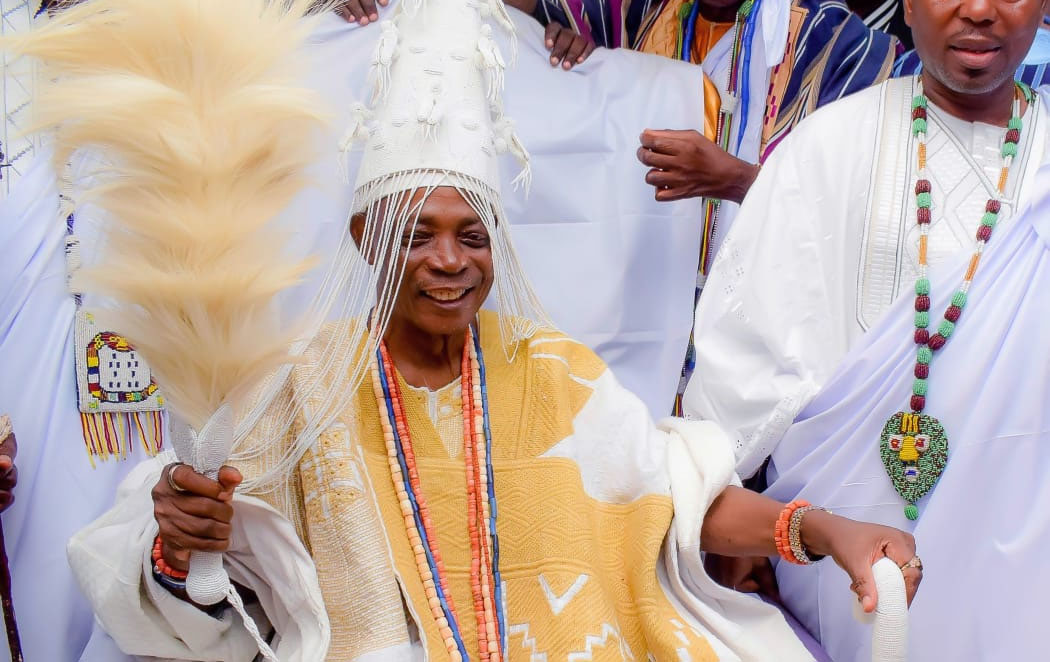
Former Ekiti State Governor Ayodele Fayose has suggested that Oyo State Governor Seyi Makinde may issue an official query to the Olubadan of Ibadan, Oba Rashidi Ladoja, following his absence at a recent high chiefs’ coronation ceremony in Ibadan.
The event, held at Mapo Hall, saw Governor Makinde present beaded crowns to three newly elevated traditional rulers as part of ongoing chieftaincy reforms in Ibadanland. However, the absence of the Olubadan from the April 3 ceremony has sparked public debate and political reactions.
Fayose, speaking on the development, claimed that the monarch’s absence—reportedly due to a prior engagement in Lagos—alongside other alleged concerns, could prompt a formal government query in the coming days. He did not provide official documentation but insisted the situation could escalate into a government–palace dispute if not carefully managed.
The Olubadan’s palace has already clarified that his absence was not due to any disagreement with the state government, dismissing speculation of a rift between the traditional institution and Governor Makinde’s administration.
READ ALSO:
- Manchester City Beat Chelsea 3–0 to Close Gap on Arsenal
- Police Arrest Suspect Over Fake Job Interview Robbery in Magodo
- BREAKING: ADC Names Atiku, Peter Obi, Others for Tuesday Convention Planning
Some critics of the ceremony have also described the event as a “failed coronation,” alleging that the exercise may have cost over ₦1.5 billion, though no official financial breakdown has been released to confirm the claim.
At the time of filing this report, neither the Oyo State Government nor the Olubadan-in-Council had issued an official response to Fayose’s latest comments or the circulating allegations.
The development comes against the backdrop of long-standing sensitivities in Ibadan chieftaincy politics, where traditional authority structures have often intersected with state governance and public debate.
Observers note that Fayose’s intervention adds a new political dimension to an already delicate issue, especially given his history of public disagreements with Governor Makinde during his tenure in Ekiti politics.
For now, the situation remains fluid, with stakeholders calling for restraint and clarification to prevent further escalation between the state government and the traditional institution.
Fayose Warns Makinde May Query Olubadan Over Absence at Ibadan Coronation Event

-
 metro2 days ago
JUST IN: FG Publishes List of 48 Individuals, Groups Linked to Terrorism Financing in Nigeria
-

 metro2 days ago
42-Year-Old Married Woman Declared Missing Found in Hotel with Man
-

 metro11 hours ago
BREAKING: Troops Arrest 15-Year-Old Linked to Killing of Gen Braimah in Borno
-
 Politics2 days ago
Did Faleke Just Reveal Lagos’ Next Governor? Party Moves Begin
-

 Education3 days ago
Germany Opens Fully Funded Scholarships for Nigerians, Africans
-

 Politics2 days ago
2027: Oyo APC Governorship Aspirant Saheed Oladele Resigns From Party
-
 metro2 days ago
ADC Threatens Civil Disobedience To Force INEC Chairman To Resign
-

 Business3 days ago
Naira Strengthens to ₦1,359.31/$ as CBN Data Shows Further Gain in Official Market