
News
NLC demands immediate reversal of fuel subsidy removal
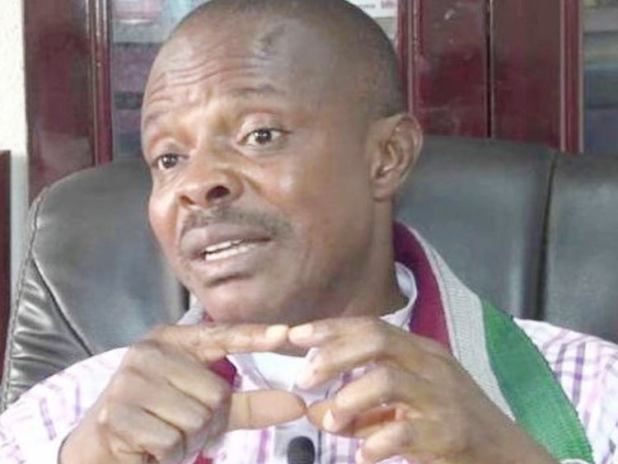
NLC demands immediate reversal of fuel subsidy removal
A showdown between the organised labour and the Federal Government appears imminent over the issue of fuel subsidy removal as the Nigeria Labour Congress has warned the Bola Tinubu administration not to go ahead with the decision.
The NLC expressed displeasure over the pronouncement by President Tinubu in his inaugural speech on Monday that the subsidy is gone.
It said it was wrong to take the decision without consulting relevant stakeholders and putting in place adequate measures to cushion its effects on workers.
The NLC in a statement by its President, Joe Ajaero, on Tuesday noted with regret that a few hours after the pronouncement, some marketers had shut down their filling stations and immediately there was a price hike in many places.
It described the action as insensitive, noting that it had brought tears and sorrow to millions of Nigerians instead of the renewed hope the administration promised.
The NLC also said that President Tinubu’s pronouncement had devalued the quality of the lives of Nigerians by over 300 per cent.
The statement read in part, “We at the Nigeria Labour Congress are outraged by the pronouncement of President Bola Tinubu removing ‘fuel subsidy without due consultations with critical stakeholders or without putting in place palliative measures to cushion the harsh effects of the ‘subsidy removal’.
“Within hours of his pronouncement, the nation went into a tailspin due to a combination of service shutdowns and product price hikes, in some places representing over 300 per cent price adjustment.
“By his insensitive decision, President Tinubu on his inauguration day brought tears and sorrow to millions of Nigerians instead of hope. He equally devalued the quality of their lives by over 300 per cent and counting.
“It is no heroism to commit against the people this level of cruelty at any time, let alone on an inauguration day. If he is expecting a medal for taking this decision, he would certainly be disappointed to receive curses, for the people of Nigeria consider this decision not only a slight but a big betrayal.
“On our part, we are staunchly opposed to this decision and are demanding an immediate withdrawal of this policy.”
The also noted that the pronouncement would have ripple effects on the economic well-being of the people with serious implications on security.
“We wonder if President Tinubu gave a thought to why his predecessors in office refused to implement this highly injurious policy decision,” it stated.
NLC punctures FG arguments
It said, “Nigerians have a collective stake in the ownership of our oil resource held in trust by the government of the day. What we need then is the effective management of this scarce resource that will beget long-term prosperity to the suffering people of Nigeria and not the present racket in which those in power abuse access and control of NNPC and oil revenue to warehouse money to fund their election campaigns.
“This brings us to another inconsistency. On one hand, the government states the expenditure is unsustainable yet on the other it claims the amount now earmarked for the subsidy will be used to fund other people-oriented programmes. However, the two assertions cannot exist at the same time. If the subsidy is bankrupting us, then reallocating funds to different programmes will be no less harmful. A bankrupting expenditure retains this quality whether used for a subsidy or another purpose. Earmarking the funds to something else will not change the fiscal impact. If the government is sincere about using the funds for other programmes, then it must be insincere about the threatened insolvency.
“The concern about the government saving naira is purely superfluous. Officials cry that Nigeria will become like Greece. Those who say this disqualify themselves from high office by their own words. Greece sits in a terrible situation because it forfeited its own currency. Thus, it cannot print itself out of insolvency and it must save or earn euro to pay its bills. Because Nigeria issues its own currency, it does not face the same constraint…
“Again, we must rid ourselves of the old notion that government saving and budgetary surpluses are inherently good and that deficits are always bad. For government to save naira, that means it brings in more than it pays out. Where does this influx come from? It comes from you and me, the private sector. If the Federal Government saves more, it means the private sector will have less. Government surplus means private sector contraction. This shows that the administration has its priorities confused. It acts as if the people are there to help government run itself.
“The more beneficial relationship is that government should be giving people the help needed to better live their lives. The government’s position is akin to a wealthy parent demanding his young children bring home more food for him to consume than the parent gives them to eat. We would deride any parent for such meanness. Yet, this government believes this conduct is wise and prudent.
“Another argument government has presented is that removal of the subsidy will stabilize the exchange rate. This makes no sense. True, since marketers convert much of the naira from selling petrol gained into dollars, there is downward pressure on the exchange rate and foreign reserves. However, this pressure is not a byproduct of the subsidy.
“It is a byproduct of importation. With the subsidy lifted, the marketers will earn the same or more from the sale of petrol. For there to be less pressure on the exchange rate would mean the marketers would seek to exchange significantly less of the same amount of naira into dollars simply because the subsidy was removed..
“There is another “philosophical mystery” in the government’s position. They state the subsidy must be removed to end the unjust enrichment of the importing cabal. There is a major problem with this assertion. If this is truly a subsidy, there should be no unjust enrichment.
“A subsidy is created to allow the general public to pay a lesser price while sellers earn the prevailing market price. Subsidy removal should not increase or decrease the amount earned per litre by the suppliers. If the amount earned by the suppliers will diminish materially, what government had been operating was in part a pro-importer price support mechanism on top of the consumer-friendly subsidy. If this is the case, government could have abolished the unneeded price support while retaining the consumer subsidy.”








News
INEC May Adjust 2027 Election Dates Over Ramadan Concerns
INEC May Adjust 2027 Election Dates Over Ramadan Concerns
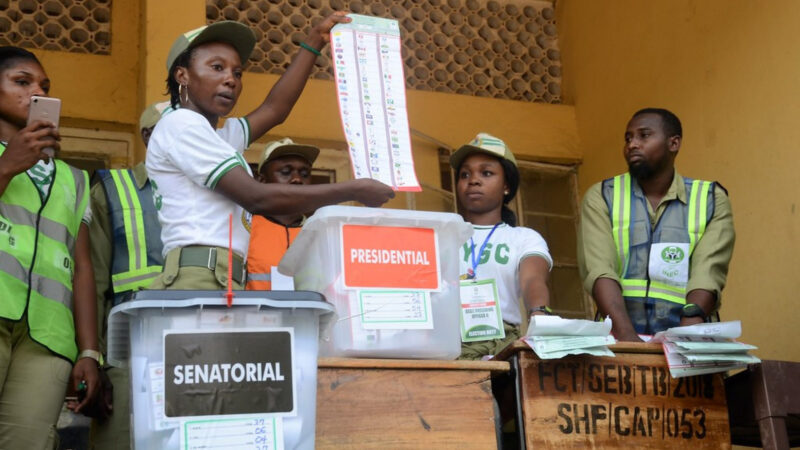
The Independent National Electoral Commission (INEC) has acknowledged growing concerns over the timing of the 2027 general elections, which currently coincide with the holy month of Ramadan, and said it may seek legislative intervention if necessary to ensure full electoral participation.
In a statement released on Friday, INEC National Commissioner and Chairman of the Information and Voter Education Committee, Mohammed Kudu Haruna, said the commission is sensitive to public concerns and is consulting with stakeholders on possible adjustments to the election timetable.
The commission explained that the current schedule, developed in strict compliance with the Constitution of the Federal Republic of Nigeria, 1999 (as amended), the Electoral Act, 2022, and INEC’s own Guidelines and Regulations for the Conduct of Elections, 2022, sets Saturday, February 20, 2027, for the presidential and National Assembly elections, and Saturday, March 6, 2027, for the governorship and State Houses of Assembly elections. Party primaries are slated for May 22 to June 20, 2026.
READ ALSO:
- Man Allegedly Kills Brother in Rivers Over Witchcraft Accusation
- Regina Daniels Gifts Mother Two Luxury SUVs in Emotional Surprise
- El-Rufai Alleges Ribadu Ordered Arrest, Says Intercepted Calls Exposed Plot
However, INEC noted that these dates overlap with Ramadan, a period of fasting, prayer, and religious observances for Muslims, which could affect voter turnout and participation, particularly in predominantly Muslim areas. The commission emphasized that any adjustment to the timetable will remain consistent with constitutional and statutory requirements.
“The commission wishes to assure the public that it remains sensitive to all legitimate concerns that may impact electoral participation and the overall conduct of elections. In view of these representations, INEC is currently undertaking consultations and may, where necessary, seek appropriate legislative intervention,” the statement read.
Several political figures have already expressed concerns. Former Vice President Atiku Abubakar called on INEC to reconsider the February 20 date, citing potential disruption of voting during Ramadan. Former presidential aide Bashir Ahmad also urged the commission to review the schedule to avoid disenfranchisement of Muslim voters.
The commission reaffirmed its commitment to conducting transparent, credible, and inclusive elections. It promised to keep the public informed of any adjustments to the election timetable arising from consultations with political parties, civil society, and religious stakeholders.
The debate over the 2027 election schedule highlights the challenges of balancing constitutional timelines with religious and cultural sensitivities, underscoring the importance of ensuring accessible and fair elections for all Nigerians.
INEC May Adjust 2027 Election Dates Over Ramadan Concerns
News
2027 General Elections: INEC Announces February 20 for Presidential Poll
2027 General Elections: INEC Announces February 20 for Presidential Poll
The Independent National Electoral Commission (INEC) has officially fixed February 20, 2027 for Nigeria’s presidential and National Assembly elections, while governorship and State Houses of Assembly elections will be held on March 6, 2027.
INEC Chairman, Joash Ojo Amupitan, announced the dates on Friday during a media parley at the Commission’s national headquarters in Abuja, describing the move as the formal commencement of the 2027 general elections process.
According to the INEC chairman, the release of the Notice of Election and the comprehensive timetable complies with provisions of the 1999 Constitution of Nigeria and the Electoral Act 2022, which require the Commission to publish election notices ahead of the polls.
“It is with a deep sense of constitutional responsibility and commitment to democratic consolidation that the Commission today formally releases the Notice of Election and the Timetable and Schedule of Activities for the 2027 General Elections,” he stated, adding that any earlier unofficial announcements of election dates were misleading and did not originate from INEC.
READ ALSO:
- EFCC Nabs Three in Borno Over Viral ₦500 Naira Mutilation Video
- Omokri Accuses El-Rufai of Rights Abuses During Kaduna Governorship
- Lagos Motor Fair, Autoparts Expo to begin March 17, targeting Investment, Industry Growth
Amupitan disclosed that the tenure of the President, Vice President, governors, and deputy governors — except in off-cycle states — will expire on May 28, 2027, while the National and State Assemblies will be dissolved on June 8, 2027. He noted that the timeline provides sufficient room for political parties to conduct primaries, submit nomination forms, and organise campaigns in line with electoral regulations. Campaigns, he added, must end 24 hours before election day, as stipulated by law.
The INEC boss warned political parties to strictly comply with the approved schedule, stressing that the Commission would enforce the law where necessary. “Political parties are strongly advised to strictly adhere to the timelines. The Commission will not hesitate to enforce compliance with the law,” he said.
He also reaffirmed INEC’s commitment to deploying technology to enhance transparency in the 2027 general elections, updating the national voters’ register, strengthening collaboration with security agencies, and expanding voter education nationwide.
Calling for peaceful conduct, Amupitan urged political parties to organise credible primaries, shun violence and inflammatory rhetoric, and uphold internal democracy. He also appealed to candidates, supporters, civil society groups, the media, and citizens to play constructive roles throughout the electoral cycle.
“As we commence this national exercise, I assure Nigerians that the Commission is fully prepared and determined to deliver elections that reflect the sovereign will of the people,” he added.
With the formal release of the INEC 2027 election timetable, stakeholders are now expected to begin full-scale preparations for Nigeria’s next general elections.
2027 General Elections: INEC Announces February 20 for Presidential Poll
News
INEC Seeks N1.04 Trillion for 2027 Elections, Operational Needs – Amupitan
INEC Seeks N1.04 Trillion for 2027 Elections, Operational Needs – Amupitan
The Independent National Electoral Commission (INEC) has requested a total of ₦1.04 trillion from the Federal Government of Nigeria to fund off-cycle elections this year, the 2027 general election, and its operational activities in 2026, subject to approval by the National Assembly of Nigeria.
The request was made by INEC Chairman Prof. Joash Amupitan while defending the commission’s spending proposal before the Joint Committee on Electoral Matters of the National Assembly. Amupitan urged lawmakers to grant timely approval and release of funds, warning that delays could hamper preparations for upcoming elections.
According to the INEC chairman, the commission is seeking ₦873.778 billion for the 2027 general election and ₦171 billion for its 2026 operational activities. The 2026 allocation covers Federal Capital Territory (FCT) area council elections, by-elections scheduled for next week, and the Ekiti and Osun governorship elections slated for June and September.
READ ALSO:
- Alake: Killers of Mining Marshal Will Face Full Wrath of the Law
- Lagos Police Launch Manhunt for Suspect in Brutal Ajah Murder
- Lookman Shines as Atlético Madrid Hammer Barcelona 4-0
Breakdown of the 2027 Election Budget
The N873.778 billion earmarked for the 2027 general election includes:
- ₦379.748 billion for operational costs
- ₦92.317 billion for administrative expenses
- ₦209.206 billion for technology
- ₦154.905 billion for election capital costs
- ₦42.608 billion for miscellaneous expenses
For the N171 billion proposed for 2026 operations, Amupitan said:
- ₦109 billion would cover personnel costs
- ₦18.7 billion for overheads
- ₦42.63 billion for election conduct
- ₦1.4 billion for capital expenditure
He noted that the budget was prepared in line with Section 3(3) of the Electoral Act 2022, which mandates submission of election budgets at least one year before a general election.
Calls for Timely Fund Release and Dedicated Network
Amupitan criticized the envelope system of budgeting, describing it as unsuitable for INEC’s operational needs that often require urgent interventions. He appealed for a bulk release of funds, highlighting the need for a dedicated communication network to enhance accountability and transparency during elections.
“If we have our own network, Nigerians can hold us responsible for any hitch,” he said.
Lawmakers Back INEC’s Proposal
Senator Adams Oshiomhole argued that no government agency should impose the envelope budgeting system on INEC, emphasizing that full release of funds is critical for smooth election preparations. Similarly, House member Billy Osawaru called for the budget to be placed on first-line charge, allowing the commission access to all funds immediately.
Following deliberations, the joint committee approved a one-time release of INEC’s annual budget and pledged to consider increasing allowances for National Youth Service Corps (NYSC) members deployed for election duties. The proposed increase would cost ₦32 billion, equating to ₦125,000 per corps member.
Senator Simon Lalong, chairman of the Senate Committee on Electoral Matters, assured INEC of lawmakers’ support, pledging close collaboration to ensure a successful 2027 election. House Committee chairman Bayo Balogun also promised legislative backing but cautioned INEC against overpromising, citing prior misrepresentations about real-time uploads to the INEC Result Viewing (IReV) portal, which was never provided for in the Electoral Act but only in INEC regulations.
The approval of the commission’s budget and operational requests is expected to enhance election preparedness, technological deployment, and transparency ahead of the 2027 general elections, while addressing logistical and operational challenges that have hampered past polls.
INEC Seeks N1.04 Trillion for 2027 Elections, Operational Needs – Amupitan

-

 metro2 days ago
IKEDC Sets Feb 20 Deadline for Customers to Submit Valid IDs or Face Disconnection
-

 Education2 days ago
Supreme Court Affirms Muslim Students’ Right to Worship at Rivers State University
-

 metro1 day ago
Lagos Police Launch Manhunt for Suspect in Brutal Ajah Murder
-

 News1 day ago
Aso Rock Goes Solar as Tinubu Orders National Grid Disconnection
-

 Business2 days ago
Naira Could Trade Below ₦1,000/$ With Dangote Refinery at Full Capacity — Otedola
-

 metro3 days ago
Kwara, Katsina Bloodshed: TMC Condemns Attacks, Dismisses ‘Jihadist Preacher’ Claims
-

 metro2 days ago
Army University Professor Dies in Boko Haram Captivity After Nearly One Year
-

 International2 days ago
Trump Halts Minnesota Immigration Crackdown After Fatal Shootings, Protests