
Railway
NRC apologises to Abuja-Kaduna passengers over train breakdown
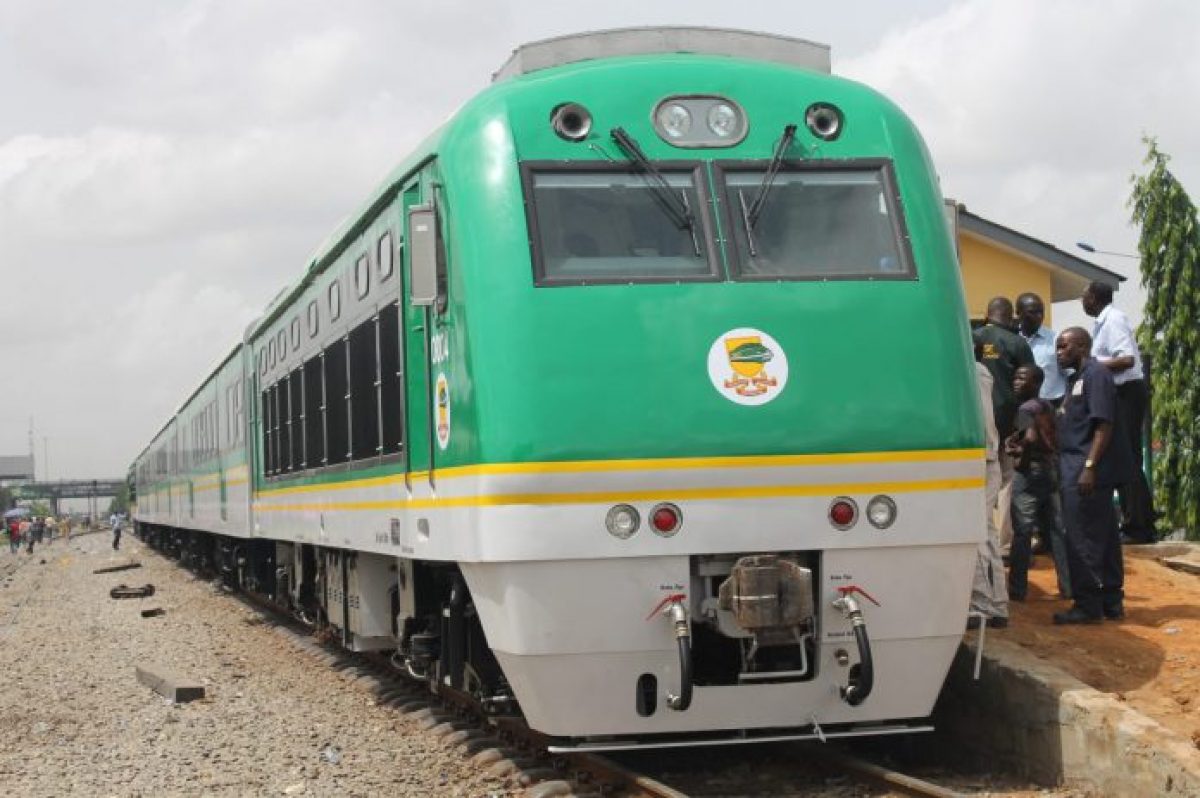
The Nigerian Railway Corporation has apologised to passengers on board the Kaduna-Abuja train that developed a mechanic fault and broke down shortly after leaving Rigasa Station, Kaduna State, on Monday.
The also noted that the failure and consequent delay no doubt caused delays to subsequent train services from Abuja to Kaduna.
Manager, Abuja-Kaduna Train Service, Mr Pascal Nnoli, in a statement made available to Journalists in Abuja on Tuesday, said, “The failed locomotive is currently receiving attention from our team of engineers and technicians at Idu locomotive workshop.
“While thanking our esteemed passengers for their patronage, we once more sincerely apologise for inconveniences this breakdown would have caused them.”
Five minutes after the train departed the Rigasa Station in Kaduna, it developed a mechanical fault twice before it finally broke down.
Its passengers became stranded until another engine was brought in from Idu Railway Station to replace the faulty locomotive.








Railway
British Museum, Oxford experts visit NRC Legacy Museum, seek heritage partnership
British Museum, Oxford experts visit NRC Legacy Museum, seek heritage partnership
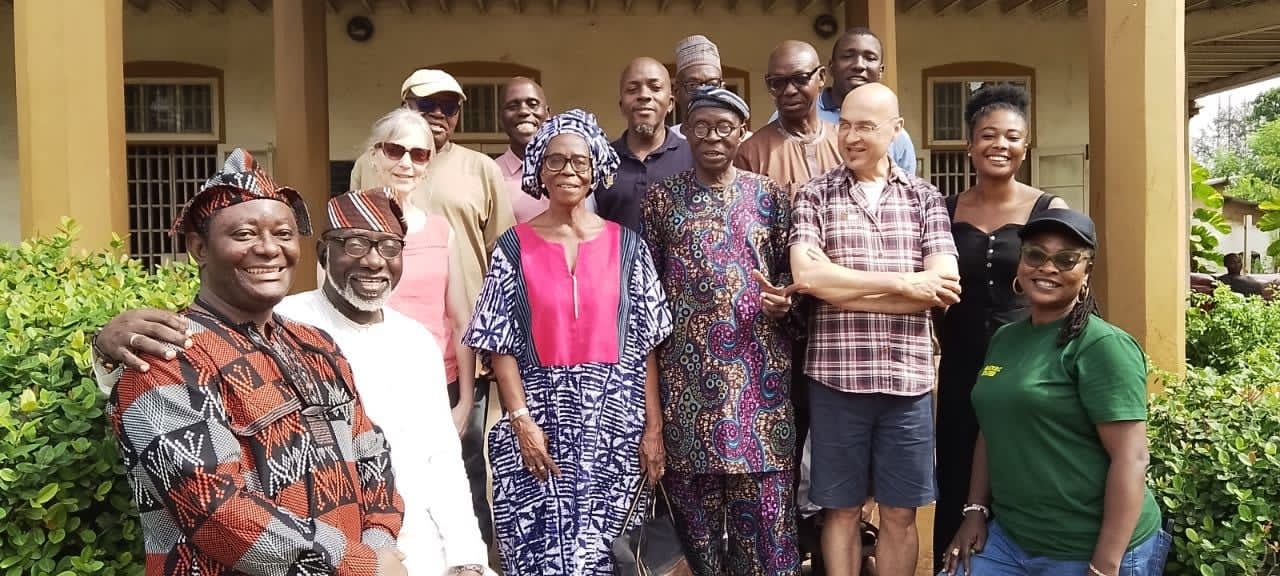
A delegation of experts from the British Museum and University of Oxford has visited the Nigerian Railway Corporation (NRC) Legacy Museum, opening discussions on potential international collaboration to preserve and revitalise Nigeria’s railway heritage.
The familiarisation tour was led by Paul Bagu, alongside Mrs. Julia Hudson, as the team assessed the museum’s historical assets and conservation needs.
During the visit, the delegation toured key sections of the facility, including the iconic Old Running Shed, home to ageing locomotives and vintage coaches that reflect Nigeria’s rail transport evolution.
The experts expressed strong interest in restoration efforts, stressing the urgency of preserving the artefacts through technical support and global partnerships.
Describing the museum as a critical archive of Nigeria’s industrial past, Bagu noted that it holds “immense cultural and historical value,” adding that collaboration in conservation, restoration, and knowledge exchange would be vital to safeguarding the assets for future generations.
A major highlight of the tour was the historic coach used by Queen Elizabeth II during her visit to Nigeria.
The delegation pointed to the shared railway history between Britain and Nigeria as a strong foundation for deeper institutional partnerships.
“The historical links between Britain and Nigeria’s railway development present a unique opportunity to build enduring collaborations that celebrate this shared heritage,” Bagu said.
Drawing parallels from West Africa, he referenced a successful railway heritage initiative in Freetown, where sustained efforts by local enthusiasts have helped revive a once-dormant museum.
He urged similar grassroots commitment in Nigeria to complement institutional support.
President of the Legacy Museum Railway Compound, Mr. Taye Olaniyi, welcomed the delegation, describing the visit as a validation of the museum’s growing relevance.
He also acknowledged the contributions of retired NRC director, Mr. Nate Adediron, to the development of the facility.
“We are honoured to host our distinguished guests. Their visit underscores the importance of global partnerships in advancing our vision of making the NRC Legacy Museum a leading railway heritage centre in Africa,” Olaniyi said.
Providing technical depth to the engagement, Engr. Dr. Quadri A.T., Assistant Director (Mechanical) at NRC, briefed the visitors on the operation and maintenance of both legacy and modern locomotives.
His presentation highlighted ongoing efforts to preserve historical assets while aligning with contemporary rail development standards.
The delegation also explored thematic exhibits covering railway administration, Nigeria’s political evolution, and transitional milestones in national development—elements that reinforce the museum’s educational value.
Commending the initiative, Bagu encouraged greater public engagement, particularly among young Nigerians, to ensure long-term sustainability of heritage preservation efforts.
The visit concluded with the presentation of certificates to key contributors and institutions, followed by a group photograph session.
The engagement marks a significant step toward international collaboration and strengthens efforts to position the NRC Legacy Museum as a premier railway heritage destination in Africa.
Railway
Easter train: NRC increases Lagos-Ibadan trips, offers free Osun holiday transit
Easter train: NRC increases Lagos-Ibadan trips, offers free Osun holiday transit
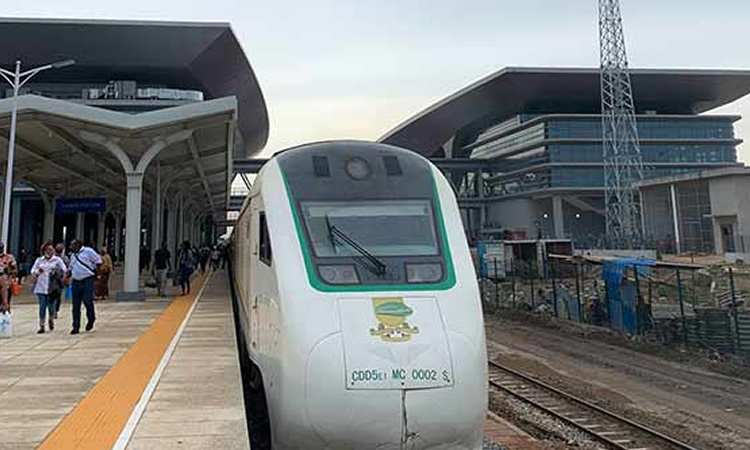
With the 2026 Easter celebrations just around the length of a rail track away, the Nigerian Railway Corporation (NRC) has moved to prevent holiday travel gridlock by significantly boosting its service capacity.
In a move to accommodate the seasonal influx of travellers, the corporation announced a strategic mix of increased trip frequencies and a unique government-backed free transit programme.
The centrepiece of this holiday rollout is the Lagos-Ibadan Train Service (LITS). Anticipating a massive exodus from the coastal hub on Thursday, April 2, the NRC has added a third daily trip to its schedule. Commuters departing from the Mobolaji Johnson Station in Ebute Metta can now choose between 7:45am, 1:40pm, and 4pm slots.
Those returning from the Obafemi Awolowo Station in Ibadan have similar flexibility, with departures staggered at 8:00 a.m., 10:50am, and 4:30pm.
Adding a layer of relief for budget-conscious travellers, the NRC is collaborating with the Osun State Government to provide a fully funded narrow gauge service. This initiative allows passengers to travel from Lagos to Osogbo at no cost.
According to the corporation, the “free train” is scheduled to leave Iddo Station on Friday, April 3, at 10am, with the return leg bringing holidaymakers back to Lagos on Monday, April 6, at the same hour.
It also noted that while the South-West corridors see these specific boosts, the rest of the national network remains steady, the Northern Corridor (Abuja–Kaduna service) will maintain its robust schedule, offering up to three daily trips over the weekend to keep the Idu and Rigasa link fluid.
The Delta-Kogi Link (Warri–Itakpe line) continues its daily operations, though it will pause this Thursday for its standard safety maintenance window.
Also, the Eastern Line (The Port Harcourt–Aba service) remains on its morning-departure and afternoon-return cycle.
NRC management stressed that while capacity has increased, security and ticketing protocols remain a top priority. They are urging the public to arrive at stations early and cooperate with security personnel to ensure the holiday remains peaceful.
As the corporation looks toward a busy weekend, they continue to pitch rail travel as the safest and most dependable alternative for Nigerians traversing the country this Easter.
Railway
Eid-el-Fitr: NRC to Operate Three Lagos–Ibadan Train Trips on March 23

Eid-el-Fitr: NRC to Operate Three Lagos–Ibadan Train Trips on March 23
The Nigeria Railway Corporation (NRC) has announced the operation of three scheduled train trips on the Lagos–Ibadan Train Service (LITS) corridor on Monday, March 23, in response to increased passenger demand during the Eid-el-Fitr travel period.
The announcement was made in a statement by NRC spokesperson Callistus Unyimadu, who explained that the additional services are intended to ease passenger movement, reduce congestion, and provide more travel options for commuters returning after the festive celebrations. He noted that the Lagos–Ibadan rail route, connecting Lagos and Ibadan, remains one of the busiest rail corridors in the country, particularly during public holidays when road traffic is usually heavy.
According to the NRC, departures from Lagos will take place at the Mobolaji Johnson Train Station at 7:45 a.m., 1:40 p.m., and 4:00 p.m. From Ibadan, trains will depart from the Obafemi Awolowo Train Station at 8:00 a.m., 10:50 a.m., and 4:30 p.m. The corporation said the schedule was designed to improve travel flexibility, enhance rail transport convenience, and accommodate the surge in passenger turnout typically recorded during festive periods.
READ ALSO:
- BBL Death: Joe Akatugba Warns Actresses Against Cosmetic Surgery for Fame
- Dangote Petrol Price Hits ₦1,275/Litre After Fifth Hike in March
- Festival of Fertility: FG Orders Arrest, Promises Justice for Victims
Unyimadu reaffirmed the corporation’s commitment to delivering safe, reliable, and efficient rail services, noting that operational adjustments are often made during peak travel seasons to meet growing demand. He advised passengers to arrive early at train stations, comply with ticketing and security procedures, and plan their journeys in advance to avoid delays or inconvenience.
The NRC also appreciated passengers for their continued patronage and cooperation, describing it as essential to maintaining smooth operations across its services. The introduction of additional train trips is part of broader efforts to support intercity mobility during high-demand periods such as Eid-el-Fitr, when large numbers of Nigerians travel between major cities.
Rail services along the Lagos–Ibadan corridor have increasingly become a preferred alternative to road transport due to their relative speed, safety, and reduced exposure to highway congestion. Transport authorities continue to encourage the use of rail infrastructure as part of efforts to improve public transportation efficiency and ease pressure on Nigeria’s road networks during festive seasons.
Eid-el-Fitr: NRC to Operate Three Lagos–Ibadan Train Trips on March 23

-

 metro2 days ago
FG Deports US Missionary Alex Barbir Over Alleged Role in Nigeria Insecurity
-

 Entertainment2 days ago
Veteran Nollywood Actor Davis Ofor ‘Clarus’ of New Masquerade Dies at 85
-

 metro1 day ago
2026 NYSC Batch A Stream II: Registration, Swearing-In Dates Announced
-
 Africa13 hours ago
ECOWAS Recruitment 2026: Over 30 Job Vacancies Open for Nigerians (How to Apply)
-
 metro3 days ago
Lagos Announces Partial Road Closures for Project Commissioning
-

 Entertainment1 day ago
Saheed Osupa Defends Juju Use Amid Backlash From Islamic Clerics
-

 Politics17 hours ago
Court Stops ADC Congress, Orders Status Quo in Leadership Row
-
 News3 days ago
Iran Lists Tough Conditions for Peace Talks with US