
Railway
NRC launches major revival of dormant narrow-gauge rail lines to reconnect communities
NRC launches major revival of dormant narrow-gauge rail lines to reconnect communities
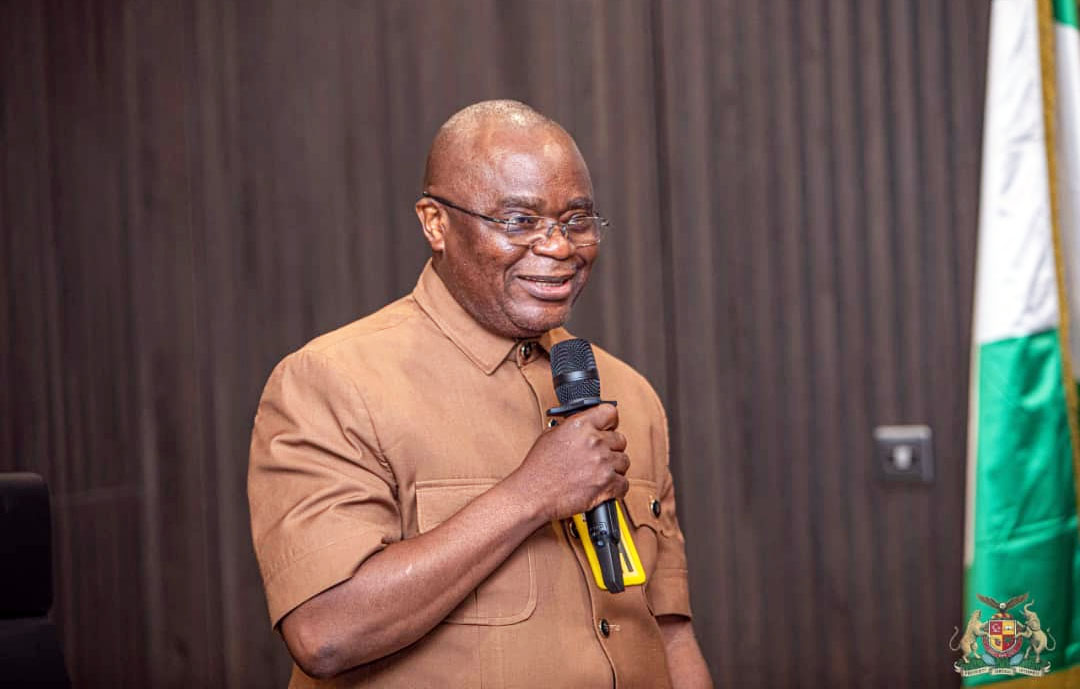
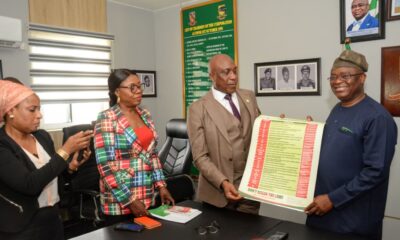
The Nigerian Railway Corporation (NRC) has initiated an ambitious nationwide programme to revive long-abandoned narrow-gauge rail lines, aiming to reconnect neglected communities and stimulate local economies. Managing Director Dr. Kayode Opeifa disclosed the plan on The Exchange Podcast hosted by Femi Soneye.
Opeifa explained that the corporation intends to optimise the more than 4,500 km of rail tracks built over the past century by bringing dormant corridors back into operation. These include the Idogo line in Ogun West, the Kaduna–Zaria line, and sections of the Port Harcourt–Maiduguri rail line that have been inactive for years.
According to him, the reactivation will be driven by a new “rail in with the states” initiative, which allows state governments to access and utilise these idle assets. Through this model, states can rehabilitate rail tracks and operate customised passenger or freight services without the huge financial burden of constructing new lines.
READ ALSO:
- Burna Boy Maintains Silence as U.S. Tour Faces Cancellations After Viral “Sleeping Fan” Incident
- Retired High Court Judge Justice Ifeoma Okogwu Found Murdered in Asaba Home
- Jonathan briefs Tinubu on Guinea-Bissau crisis, describes post-election turmoil as ‘Ceremonial Coup’
Opeifa noted that the temporary removal of tracks during the rehabilitation of the Port Harcourt–Maiduguri line unintentionally disconnected communities such as Makurdi, Lafia, and Maiduguri — a gap that exposed the infrastructure to vandalism. Restoring rail services, he said, will not only revive commerce but also enhance security by re-establishing an official presence along the routes.
The NRC is also refurbishing old coaches and locomotives, which Opeifa stressed are “not too old, just not used,” and can provide many more years of reliable service once repaired.
Analysts describe the initiative as a pragmatic national development strategy, combining the long-term vision of a new standard-gauge rail network with the practical revitalisation of historic rail assets. The revival promises renewed connectivity and economic opportunity for smaller towns and rural communities that once relied on these lines as vital commercial arteries.
The success of the programme will hinge on strong collaboration between the NRC and state governments, as well as adequate funding for rehabilitation. With a new legal framework supporting increased state participation, political will appears to be in place.
As Nigeria works toward a modern rail future, the restoration of these lines signals a broader narrative of national renewal — one built on the solid foundation of its historic rail network.
NRC launches major revival of dormant narrow-gauge rail lines to reconnect communities








Railway
Eid-el-Fitr: NRC to Operate Three Lagos–Ibadan Train Trips on March 23

Eid-el-Fitr: NRC to Operate Three Lagos–Ibadan Train Trips on March 23
The Nigeria Railway Corporation (NRC) has announced the operation of three scheduled train trips on the Lagos–Ibadan Train Service (LITS) corridor on Monday, March 23, in response to increased passenger demand during the Eid-el-Fitr travel period.
The announcement was made in a statement by NRC spokesperson Callistus Unyimadu, who explained that the additional services are intended to ease passenger movement, reduce congestion, and provide more travel options for commuters returning after the festive celebrations. He noted that the Lagos–Ibadan rail route, connecting Lagos and Ibadan, remains one of the busiest rail corridors in the country, particularly during public holidays when road traffic is usually heavy.
According to the NRC, departures from Lagos will take place at the Mobolaji Johnson Train Station at 7:45 a.m., 1:40 p.m., and 4:00 p.m. From Ibadan, trains will depart from the Obafemi Awolowo Train Station at 8:00 a.m., 10:50 a.m., and 4:30 p.m. The corporation said the schedule was designed to improve travel flexibility, enhance rail transport convenience, and accommodate the surge in passenger turnout typically recorded during festive periods.
READ ALSO:
- BBL Death: Joe Akatugba Warns Actresses Against Cosmetic Surgery for Fame
- Dangote Petrol Price Hits ₦1,275/Litre After Fifth Hike in March
- Festival of Fertility: FG Orders Arrest, Promises Justice for Victims
Unyimadu reaffirmed the corporation’s commitment to delivering safe, reliable, and efficient rail services, noting that operational adjustments are often made during peak travel seasons to meet growing demand. He advised passengers to arrive early at train stations, comply with ticketing and security procedures, and plan their journeys in advance to avoid delays or inconvenience.
The NRC also appreciated passengers for their continued patronage and cooperation, describing it as essential to maintaining smooth operations across its services. The introduction of additional train trips is part of broader efforts to support intercity mobility during high-demand periods such as Eid-el-Fitr, when large numbers of Nigerians travel between major cities.
Rail services along the Lagos–Ibadan corridor have increasingly become a preferred alternative to road transport due to their relative speed, safety, and reduced exposure to highway congestion. Transport authorities continue to encourage the use of rail infrastructure as part of efforts to improve public transportation efficiency and ease pressure on Nigeria’s road networks during festive seasons.
Eid-el-Fitr: NRC to Operate Three Lagos–Ibadan Train Trips on March 23
Railway
NRC announces free train rides, extra trips for Eid Fitr
NRC announces free train rides, extra trips for Sallah special
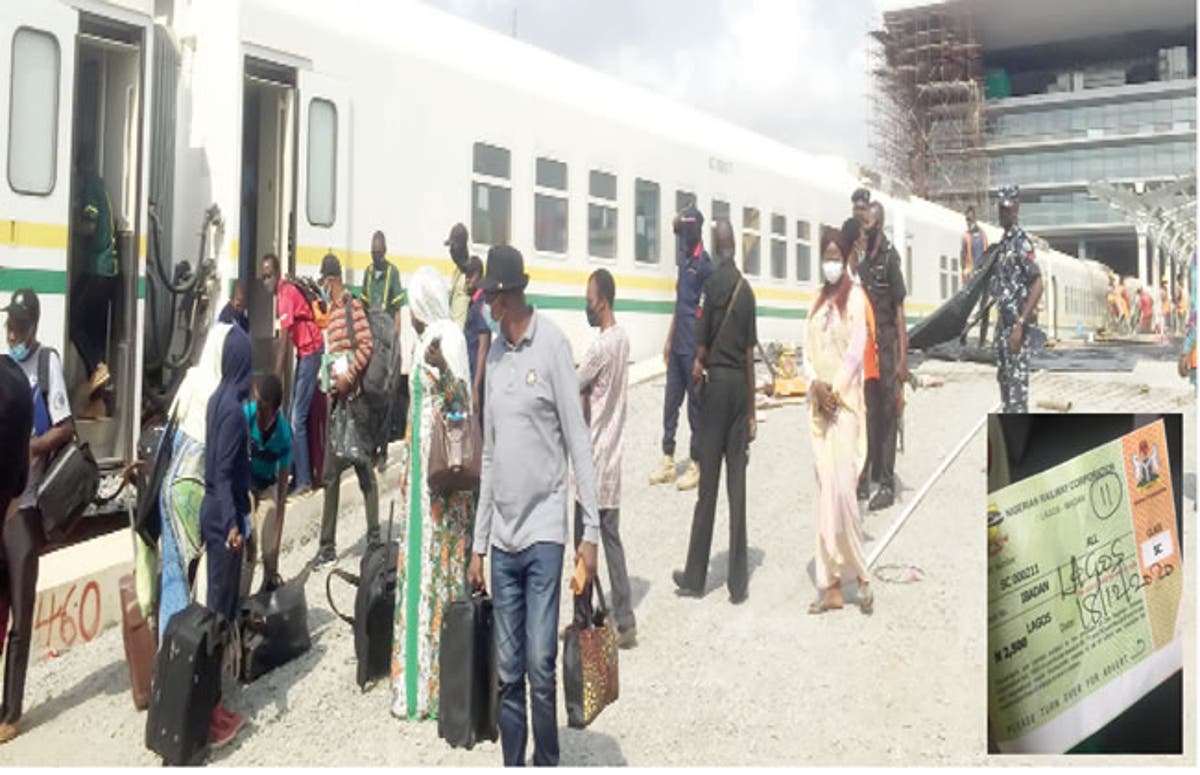
Getting home for the holidays just got a whole lot easier as the Nigerian Railway Corporation (NRC) has rolled out its special Sallah train schedule, deploying extra trips and increasing capacity to ensure Nigerians can celebrate Eid-el-Fitr with their loved ones without the usual travel stress.
From the bustling Lagos-Ibadan corridor to the scenic Warri-Itakpe route, the NRC is stepping up its game to handle the festive surge.
Its key highlights of the Sallah schedule as contained in its latest statement are as follows:
* Lagos–Ibadan (LITS): On Thursday, March 19, the service will run three special trips.
* From Lagos: 7:40 a.m., 1:40 p.m., and 4:00 p.m.
* From Ibadan: 8:00 a.m., 10:50 a.m., and 4:30 p.m.
* Abuja–Kaduna (AKTS): To keep the capital connected, the NRC is boosting frequency. After two trips on Thursday, the corridor will move to three trips daily from Friday, March 20, through Monday, March 23.
* Warri–Itakpe (WITS): This route maintains its thrice-weekly flow.
* Warri to Itakpe: Sundays, Tuesdays, and Fridays (8:00 a.m.).
* Itakpe to Warri: Mondays, Wednesdays, and Saturdays (12:00 p.m.).
* Eastern Narrow Gauge: The Port Harcourt–Aba service remains fully operational on its regular schedule, ensuring the South-East stays moving.
These details are contained in a statement signed by the NRC Chief Public Relations Officer, Callistus Unyimadu.
Osun free rides
In a heart-warming partnership, the NRC and the Osun State Government are bringing back the Imole Special Train.
Indigenes of Osun State can travel from Iddo Station in Lagos to Osogbo free of charge. This initiative, fully sponsored by the state, aims to ease the financial burden on families during the festive season.
“This special arrangement is designed to accommodate increased passenger traffic… ensuring a safe, reliable, and efficient rail transport service,” stated Callistus Unyimadu, NRC’s Chief Public Relations Officer.
Tips for travellers
To ensure your trip is as smooth as the tracks, the NRC recommends:
* Arrive Early: Be at the station well ahead of your departure time.
* Verify Tickets: Ensure you follow all official ticketing and security protocols.
* Check the Date: Remember that the Lagos-Ibadan special three-trip schedule is for March 19 only before reverting to normal service.
Railway
BREAKING: Several Passengers Injured as Abuja–Kaduna Train Derails After Collision
BREAKING: Several Passengers Injured as Abuja–Kaduna Train Derails After Collisio
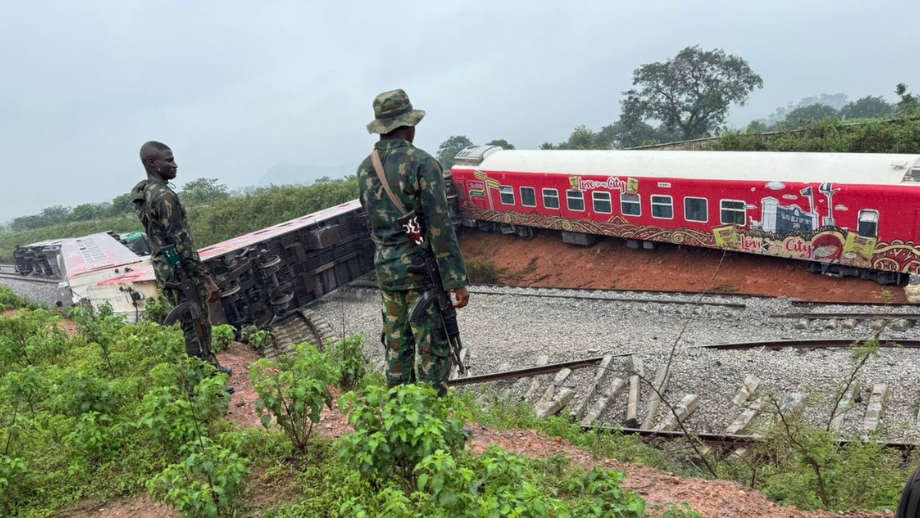
Several passengers were injured on Monday after a train travelling along the Abuja–Kaduna rail corridor derailed following a collision, authorities have confirmed.
The incident reportedly occurred near Asham along the busy rail line linking Abuja with Kaduna State, causing panic among passengers onboard the train.
The Managing Director of the Nigerian Railway Corporation (NRC), Kayode Opeifa, confirmed the development, stating that emergency response teams were immediately deployed to the scene following the derailment.
According to preliminary reports, the train derailed after colliding with another object on the track, though officials have yet to disclose full details about the circumstances surrounding the accident.
READ ALSO:
- Saudi Intercepts 63 Drones as Iran Denies Responsibility, Blames US, Israel
- Police Launch Forensic Investigation Into Fatal Osogbo Shooting
- Court to Rule on ICPC’s Request for 14‑Day Detention Extension for El‑Rufai
Several passengers sustained injuries during the incident and were evacuated to the medical facility at the Idu Railway Station for treatment. Authorities, however, said no fatalities had been recorded as of the time of filing this report.
Eyewitness accounts and videos circulating on social media showed damaged train coaches and railway personnel assessing the situation while stranded passengers gathered near the tracks after disembarking from the train.
The Abuja–Kaduna rail corridor is one of Nigeria’s busiest passenger routes and serves thousands of commuters daily, particularly travellers seeking a safer alternative to road transportation.
Officials of the Nigerian Railway Corporation said investigations have commenced to determine the exact cause of the collision and derailment.
More details are expected as authorities continue rescue operations and assess the extent of the damage.
BREAKING: Several Passengers Injured as Abuja–Kaduna Train Derails After Collision

-

 metro3 days ago
“We Pay Men to Sleep With Us in Germany” — Nigerian Woman Laments Loneliness Abroad
-

 metro1 day ago
Tragedy in Aramoko: Trailer Rams Residential Building, Kills 300‑Level Student
-

 Entertainment3 days ago
Tragedy in Music Industry as ‘Show Your Style’ Singer Sabinus Dies
-

 News2 days ago
Final Notice: FG Orders Civil Servants to Complete PASGA Verification by March 31
-
 metro2 days ago
El-Rufai’s Mother, Hajiya Umma, Dies Amid Son’s Legal Battle
-

 Entertainment1 day ago
Nollywood Actress Declares Love for Ibrahim Chatta, Offers to Pay Her Own Dowry
-

 Business3 days ago
Relief in Sight as Dangote Refinery Lowers Petrol Price
-

 Entertainment3 days ago
Gospel Singer Onos Brisibi Dies at 55 After Prolonged Illness