
metro
Okada Ban: 80 Motorcycles Impounded As Riders Desert Lagos Roads
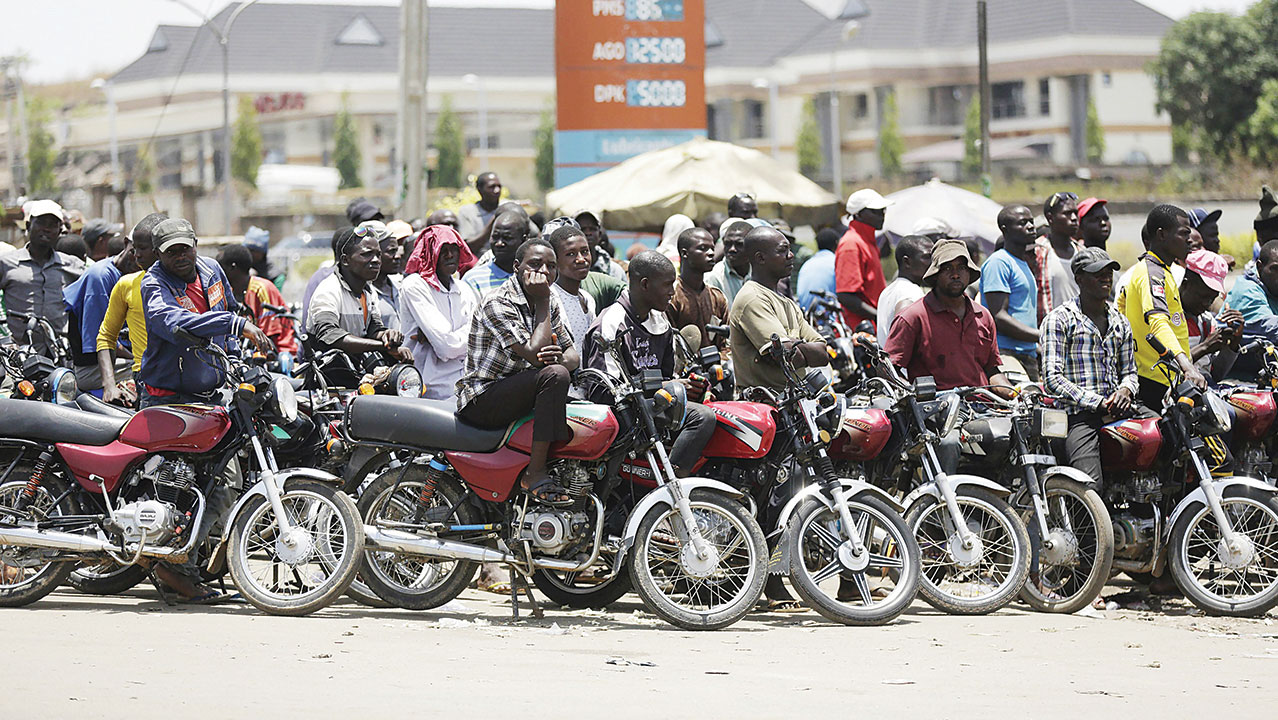
As the enforcement of the ban on the operation of commercial motorcycles popularly known as Okada took effect Wednesday in Lagos State, Daily Trust observed a high level of compliance.
Despite the compliance, few riders who defied the ban got their motorcycles impounded while some were arrested.
The chairman of Lagos State Taskforce, CSP Shola Jejeloye, confirmed that there was a high level of compliance but revealed that 46 motorcycles were impounded in the morning while 34 others were impounded in the evening.
He also said that 13 suspects were also arrested, adding “We are still on the ground to comb the entire LGAs.”
The state government had outlawed the operation of Okada in six local governments and nine local council development areas under them.
The affected LGAs are Ikeja, Surulere, Eti-Osa, Lagos Mainland, Lagos Island and Apapa.
Governor Babajide Sanwo-Olu while announcing the ban said the decision followed the February 2020 restriction placed on the activities of the commercial motorcycles.
He explained that the state government took the decision in line with the Lagos State Transport Sector Reform Law of 2018 to immediately address the chaos and menace created by operators of Okada in the listed areas.
READ ALSO:
- APC Presidential Primary: Tinubu Supporters Reject ‘Plot’ For Consensus
- Tambuwal Moves To Run For Senate After Stepping Down For Atiku
- Presidential primary: Ayu not fit as PDP chairman, says Edwin Clark
Roads and bridges in the restricted local government areas (LGAs) were free of motorcycles.
The popular Iyana Ipaja-Oshodi Road, which is known for the heavy movement of motorcycles, especially in the early hours of the day and at the close of work in the evening, was clear as no commercial motorbike was spotted.
A few ones seen were dispatch riders and those who did not carry passengers.
Our reporter also observed compliance at Surulere, Lagos Island, Lekki, Ikoyi, and Victoria Island, although a few Okada riders were seen operating in the interiors in different parts of the State. There was a heavy presence of security personnel on patrol in the affected LGAs.
It was earlier gathered that many Okada riders had fled Lagos State while others had moved to LGAs where the ban was not effective.
Some of the riders said they stayed away from the affected LGAs to avoid being caught up in event of any shoot-out while others in areas such as Ojo, operated freely along the Mile 2-Badagry expressway.










metro
Wike Clarifies ‘Shoot’ Remark About TV Anchor

Wike Clarifies ‘Shoot’ Remark About TV Anchor
The Minister of the Federal Capital Territory (FCT), Nyesom Wike, has moved to quell the controversy trailing his recent remarks about Seun Okinbaloye of Channels Television, insisting that his comments were taken out of context and never intended as a threat.
Wike had sparked public outrage after stating during a media engagement that he would have “broken his TV screen and shot” the television anchor over comments suggesting that a one-party system could undermine Nigeria’s democracy. The remark drew swift condemnation from civil society groups, including Amnesty International, which described the statement as “reckless and violent.”
However, in a statement issued on Saturday and signed by his media aide, Lere Olayinka, the minister said the comment was merely a figure of speech expressed in anger and not a literal threat.
According to the statement, Wike had already clarified his position during the same live television programme where the remark was made, stressing that he had no intention whatsoever of harming Okinbaloye.
“The minister never meant that he would shoot Seun Okinbaloye,” the statement read. “They even spoke on the phone today, and he (Okinbaloye) clearly understood what the minister meant.”
Olayinka explained that Wike’s frustration stemmed from what he perceived as a departure from journalistic neutrality by the anchor, whom he said the minister holds in high regard.
“What the minister meant, which he made clear during the media chat, was that he was displeased seeing Okinbaloye—whom he respects as a journalist—descending into the political arena by speaking as an interested party, rather than maintaining the role of an interviewer,” the statement added.
The aide further described the controversial remark as “hyperbolic,” noting that it was an exaggeration used to emphasise the minister’s displeasure and not an expression of violent intent.
He also pointed out that other journalists present during the interview, including Chamberlain Uzor, reportedly treated the comment lightly, with laughter following Wike’s clarification on air.
“Even after the minister explained himself during the live programme, including stating clearly that he did not mean he would carry a gun to shoot the anchor, the context was well understood by those present,” Olayinka said.
The statement accused critics of deliberately misrepresenting the minister’s words for political purposes, warning against what it described as attempts to weaponise the comment for “blackmail and propaganda.”
“The public is therefore urged to disregard attempts by individuals or groups to twist the minister’s statement out of context in pursuit of political gains,” the statement concluded.
The incident has continued to generate debate within Nigeria’s media and political space, raising broader concerns about the tone of public discourse and the responsibilities of public officials in their engagements with the press.
Wike Clarifies ‘Shoot’ Remark About TV Anchor
metro
Autopsy Confirms Destiny Boy Died from Toxic Substances
Autopsy Confirms Destiny Boy Died from Toxic Substances
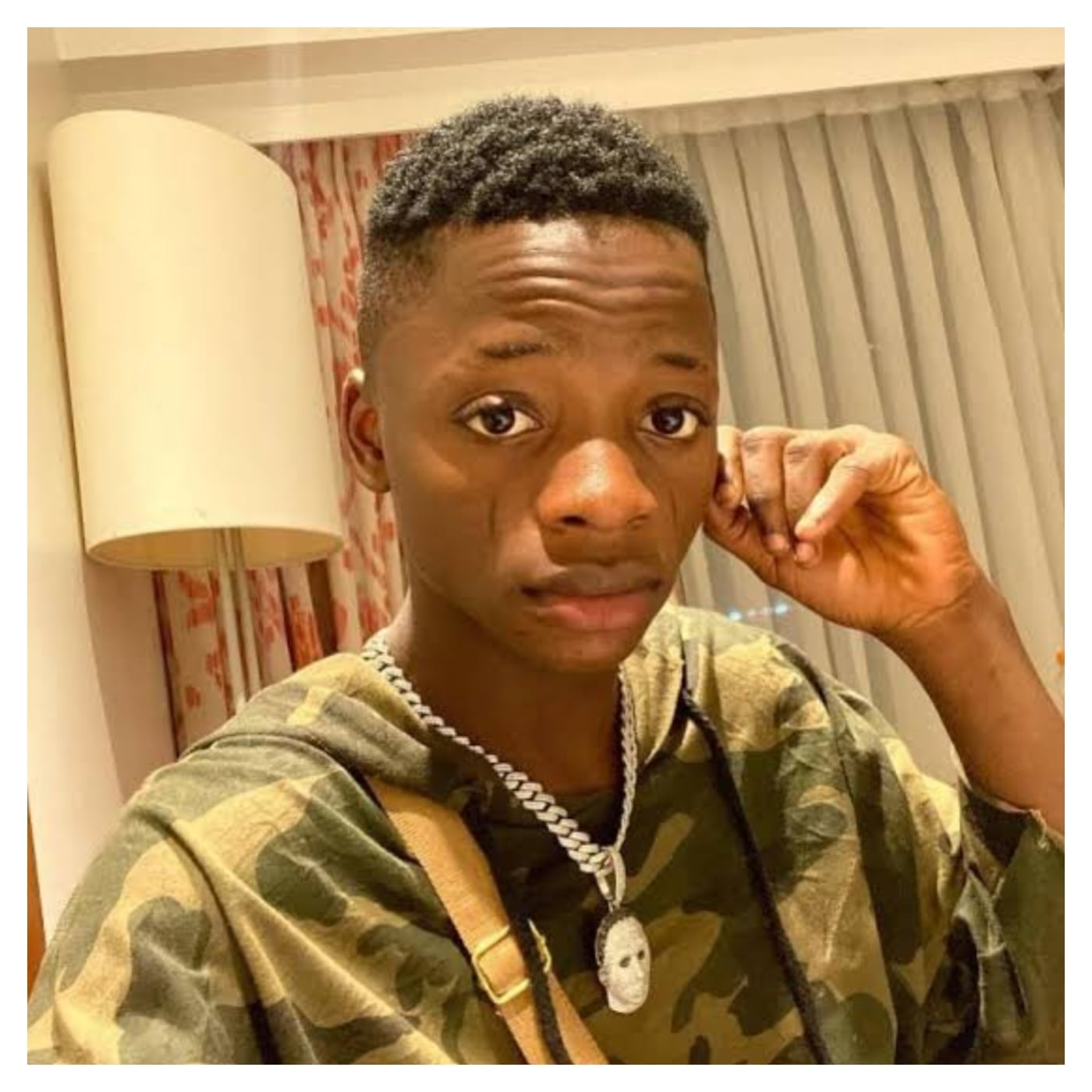
The tragic death of 22-year-old Afrofuji singer Afeez Adesina, popularly known as Destiny Boy, has been clarified following the release of his official autopsy report. The findings confirm that toxic substances, including tramadol and methamphetamine, were present in his system and played a critical role in his untimely passing.
Destiny Boy passed away on January 17, 2026, a loss that sparked intense speculation on social media, with videos circulating showing his body being transported to a mortuary. These clips fueled public concern and rumours about the circumstances of his death. (pmnewsnigeria.com)
According to the Ogun State Police Command, the Homicide Section of the State Criminal Investigation Department (SCID) carried out the autopsy. The toxicology report detected dangerous levels of tramadol, its metabolites, and methamphetamine in Destiny Boy’s body. The official cause of death was determined to be aspiration pneumonitis, a severe lung inflammation resulting from the ingestion of these substances. (lindaikejisblog.com)
READ ALSO:
- DHQ Reveals Over 60% of Terrorist Fighters Not Ideologically Driven
- Bala Mohammed Rejects APC Pressure, Says He Won’t Be Criminalised
- Blessing CEO Defends Breast Cancer Fundraiser Amid Backlash
DSP Babaseyi Oluseyi, Police Public Relations Officer, confirmed that at least one suspect has been arrested in connection with the singer’s death and that investigations are ongoing. The police emphasized that the case remains under careful examination to determine all contributing factors.
Destiny Boy, who first gained recognition in 2019 for his Fuji rendition of Davido’s “If”, later covered popular tracks by Tekno, 2Baba, 9ice, and Small Doctor. His original songs, including Lamba, One Transaction, Gbese, Billion Dollar, Mio Gbonkankan, and Lowkey, solidified his rising fame in Nigeria’s music industry. He also welcomed his first child with partner Iremide in November 2024.
The autopsy report has provided much-needed clarity after months of uncertainty and public debate surrounding Destiny Boy’s sudden death, highlighting the dangers of substance misuse among young entertainers. Fans and industry colleagues have expressed deep sorrow while advocating for awareness on drug safety and mental health support in the entertainment industry. (tell.ng)
Autopsy Confirms Destiny Boy Died from Toxic Substances
metro
DHQ Reveals Over 60% of Terrorist Fighters Not Ideologically Driven
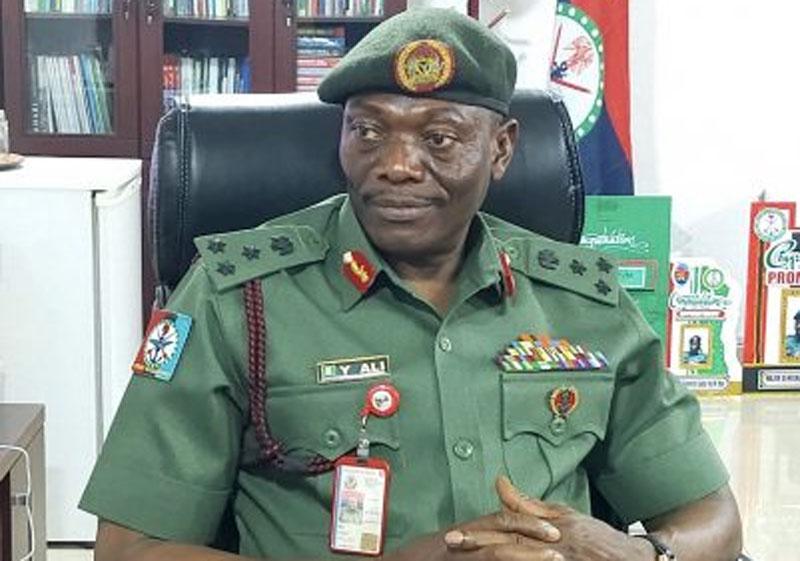
DHQ Reveals Over 60% of Terrorist Fighters Not Ideologically Driven
The Defence Headquarters (DHQ) has disclosed that more than 60 percent of terrorists and armed fighters in Nigeria are not motivated by ideology, but are individuals who were coerced, abducted, or caught up in conflict dynamics. The military says this highlights the need for tailored deradicalisation, rehabilitation, and reintegration programmes to address insecurity across the country.
Brigadier General Yusuf Ali, National Coordinator of Operation Safe Corridor (OPSC), revealed during a press briefing in Abuja that many individuals surrendering from armed groups such as Boko Haram and its splinter factions are low-risk combatants often forced into violent networks due to survival, economic pressures, or coercion. According to OPSC data, thousands of former fighters have been successfully rehabilitated and reintegrated into society since the programme’s inception in 2016.
Launched in 2016, Operation Safe Corridor is a federal government-led non-kinetic counter-insurgency programme coordinated by the DHQ in collaboration with agencies including the Ministry of Justice and Nigeria Police. The initiative encourages voluntary surrender, provides deradicalisation training, and facilitates reintegration into civilian life.
READ ALSO:
- Bala Mohammed Rejects APC Pressure, Says He Won’t Be Criminalised
- Blessing CEO Defends Breast Cancer Fundraiser Amid Backlash
- Men Encouraged to Ejaculate More to Reduce Prostate Cancer Risk
General Ali emphasised that the programme is evolving to address regional realities and cater to the specific needs of affected communities. He said new plans include establishing Victims’ Rehabilitation and Reintegration Camps in the North-West and North-Central regions, such as the DRR camp in Tsafe, Zamfara State, and a planned facility in Benue, to help victims of violent extremism recover from trauma, displacement, and loss.
“The programme is evolving to become more victim-sensitive,” Ali said. “Sustainable peace cannot be achieved if victims of conflict feel neglected. Many live with deep psychological scars, and addressing that trauma is as important as rehabilitating ex-combatants.”
The OPSC Coordinator also stressed that misconceptions about the programme persist. He clarified that OPSC is not amnesty, not a shortcut to evade justice, and not a recruitment pathway into the Armed Forces. The government is working to enhance public understanding through stakeholder engagement, media campaigns, and partnerships with agencies such as the Office of the Special Presidential Envoy on Reconstruction and Rehabilitation.
Experts say that understanding that the majority of fighters are not ideologically committed could help shape more effective deradicalisation and reintegration strategies, addressing root causes like coercion, poverty, lack of education, and social exclusion. The DHQ’s findings underscore the importance of combining military operations with community-focused rehabilitation to achieve lasting peace in conflict-affected regions.
DHQ Reveals Over 60% of Terrorist Fighters Not Ideologically Driven

-

 metro2 days ago
VeryDarkMan Dares Sowore Over Blord’s Kuje Prison Remand
-

 metro2 days ago
Nigerians to Enjoy Four-Day Break as FG Declares Easter Holidays
-
 metro2 days ago
Tinubu Approves 1,000 Forest Guards, Orders 5,000 CCTV Cameras to Boost Security in Plateau
-

 Business3 days ago
NNPC Boosts Crude Supply to Dangote Refinery to Address Rising Fuel Prices
-
 metro10 hours ago
Pastor Found Dead in Guest House After Night Out With Married Female Church Member
-

 International1 day ago
Iran Announces ‘Bounty’ on US Pilots After Claiming Downing of Fighter Jet
-
 International3 days ago
Iran Fires Missiles at Israel After Trump Threatens Weeks of ‘Extremely Hard’ Strikes
-

 Politics11 hours ago
Wike: PDP Not Financially Ready for 2027 Presidential Election