
News
Osogbo Sons and Daughters Mark 5th Anniversary with Awards, Political Undertones

Osogbo Sons and Daughters Mark 5th Anniversary with Awards, Political Undertones
The 5th anniversary celebration of Osogbo Sons and Daughters drew prominent indigenes, political office holders, traditional leaders and stakeholders to a colourful gathering focused on the development of Osogbo, the Osun State capital.
Members of the Osogbo United Youth Forum were also in attendance at the event, which featured the presentation of meritorious awards to distinguished sons and daughters of the town in recognition of their contributions to community growth.
Among the award recipients were the member representing Osogbo Federal Constituency in the House of Representatives, Alhaji Moruf Adewale Gangari; the Secretary to the Osun State Government, Alhaji Teslim Igbalaye; and the member representing Osogbo in the Osun State House of Assembly. Others honoured included the Chief Executive Officer of Mars Filling Station, Alhaji Eniafelamon, the Head Baale of Osogbo, as well as several other eminent indigenes.
The awards, according to the organisers, were aimed at appreciating individuals who have demonstrated dedication and service toward the advancement of Osogbo.
The Osun State Governor, Ademola Adeleke, who was represented at the event by the Commissioner for Information, Kolapo Alimi, used the occasion to stress the importance of collective support for the administration ahead of the August 8 governorship election.
READ ALSO:
- Check Your Name: UNILORIN Releases Updated NELFUND Refund List for 2024/2025 Students
- Troops Arrest Suspected Gunrunner, Recover Six Machine Guns in Taraba Operation
- Argungu Festival 2026 Highlights Peace, Stability, Economic Growth — Tinubu
In his address, the commissioner noted that Osogbo and Ile-Ife are strategically positioned in ongoing political discussions concerning succession politics toward 2030. He stated that the town which records the highest number of votes in the forthcoming election could stand a stronger chance of producing the governor’s successor in 2030.
He also highlighted developmental projects executed by the present administration in Osogbo and urged residents to remain united in order to attract more dividends of democracy to the town.
Speaking earlier, the Secretary to the State Government, Alhaji Teslim Igbalaye, outlined several initiatives he said he had facilitated for Osogbo through his office. According to him, over 100 indigenes of Osogbo have secured employment opportunities since the inception of the current administration.
He added that arrangements were at an advanced stage for more Osogbo indigenes to occupy principal officer positions across tertiary institutions in the state. Igbalaye promised to provide the leadership of Osogbo Sons and Daughters with the names and phone numbers of beneficiaries to ensure transparency and verification.
He also pledged to donate a bus to the association, following a request by its President, Saheed Akinyemi.
The programme further provided an avenue for elected representatives from Osogbo to present their scorecards before the audience, promoting accountability and engagement with constituents.
In his closing remarks, the President of Osogbo Sons and Daughters commended dignitaries and participants for their presence and reiterated the organisation’s commitment to the continued progress and unity of Osogbo.
Osogbo Sons and Daughters Mark 5th Anniversary with Awards, Political Undertones









News
EFCC Arrests Abuja House Agent Over ₦288 Million Property Fraud
EFCC Arrests Abuja House Agent Over ₦288 Million Property Fraud
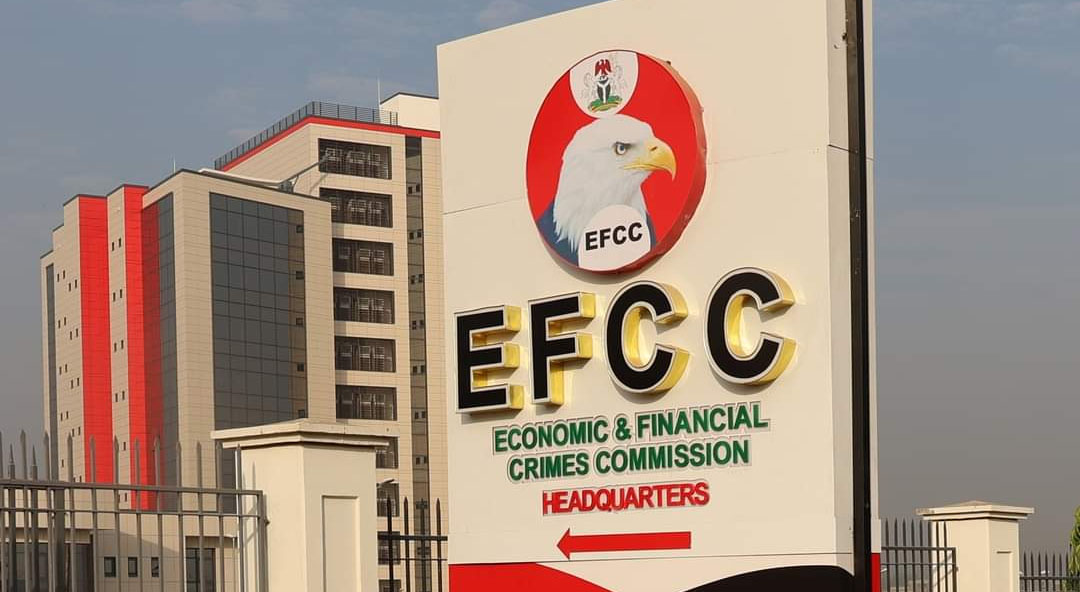
The Economic and Financial Crimes Commission (EFCC) has arrested an Abuja-based real estate agent, Hajia Adama Ahmed Adamu, in connection with an alleged ₦288 million property fraud, the agency confirmed on Wednesday.
According to the EFCC, operatives of its Ilorin Zonal Directorate apprehended Adamu following a petition from a complainant, Alhaji Tanko Yawale, who alleged that the agent collected the funds under the pretext of facilitating the purchase of a property at House 31, Haile Selassie Street, Asokoro, Abuja.
READ ALSO:
- Tinubu Govt Unveils National Laureate Prize to Reward Best Theses
- Foreign Intelligence Operations Behind Recent Nigeria Killings – Gumi
- Arise News Anchor Ikokwu Quits Journalism, Joins Politics
“Following the payment, Hajia Adamu allegedly failed to provide valid property documents and became evasive, raising suspicion and prompting a formal petition to the EFCC,” the commission stated on its official X handle.
Property-related fraud continues to be a recurring concern in Nigeria’s real estate sector, particularly in major cities like Abuja, where unsuspecting buyers often fall victim to agents posing as legitimate intermediaries. In response, the EFCC has intensified enforcement against land and housing scams, urging Nigerians to verify ownership and documentation before making payments.
The suspect is currently in EFCC custody as investigations continue. The commission also reiterated a warning to the public to remain vigilant against fraudulent property schemes and to report any suspected cases promptly.
EFCC Arrests Abuja House Agent Over ₦288 Million Property Fraud
News
Alkali resigns as Transport minister to chase Gombe governor’s seat
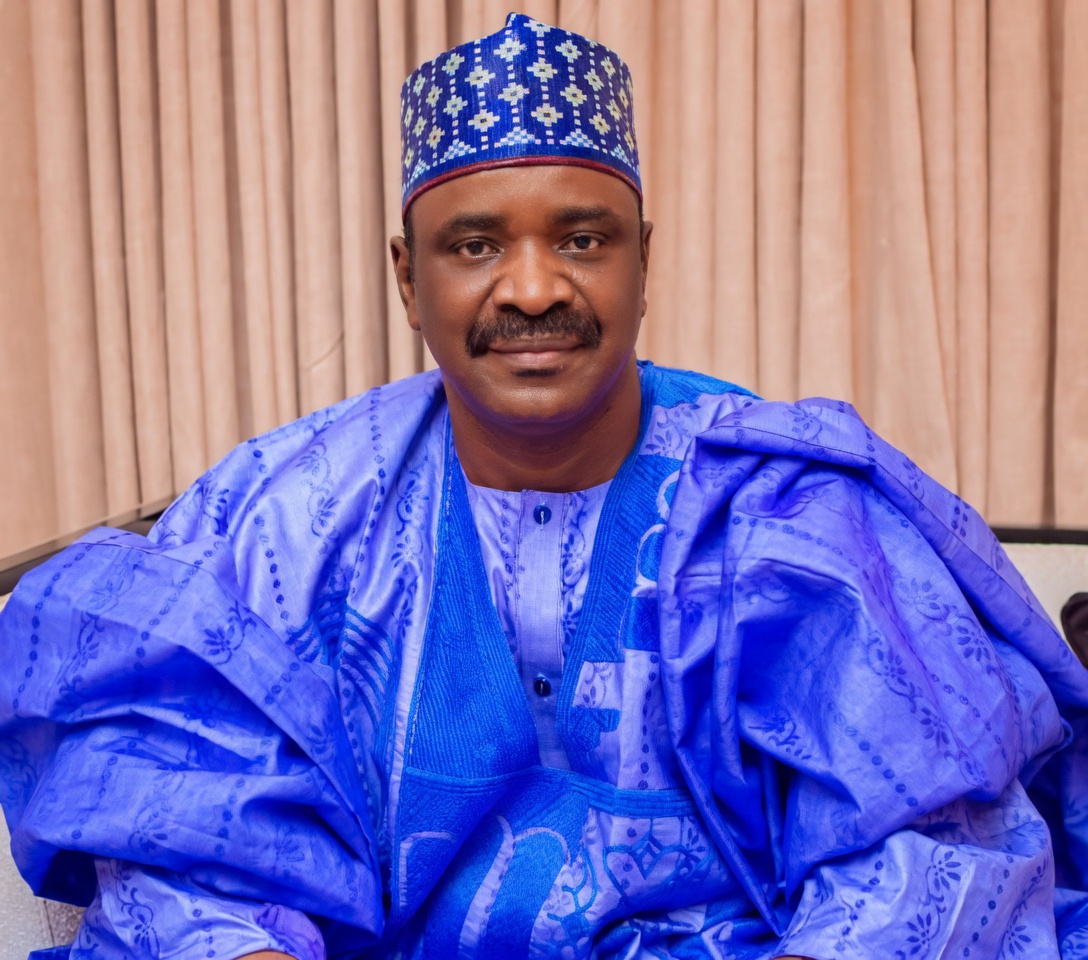
Alkali resigns as Transport minister to chase Gombe governor’s seat
The race for Gombe State’s Government House has officially claimed its latest heavyweight contender. Saidu Ahmed Alkali has stepped down from his role as the Minister of Transportation to focus entirely on his 2027 governorship bid.
Alkali’s exit follows a high-profile meeting with President Bola Tinubu at the Presidential Villa on Tuesday.
His departure was formalized via a circular from the Office of the Secretary to the Government of the Federation (SGF), Senator George Akume.
The move is not just about personal timing; it’s about legal compliance. Alkali is adhering to:
* Section 88(1) of the Electoral Act, 2026: Which mandates officials to vacate office before seeking elective posts.
* The INEC Timetable: With party primaries for the 2027 elections looming, the window for transition is closing.
* Presidential Directive: President Tinubu has been firm that any cabinet member eyeing an elective seat must resign before the primary process begins.
Alkali, a veteran politician and former Senator for Gombe North, is now the third member of the Federal Executive Council (FEC) to trade their ministerial portfolio for a campaign trail.
His resignation leaves a vacancy in the Ministry of Transportation at a critical time for the nation’s infrastructure projects, but signals a tightening of the political battlefield in Gombe.
The circular confirming the development was issued by the Permanent Secretary, General Services Office, Ibrahim Kana.
The circular stated that the directive “followed the provisions of Section 88(1) of the Electoral Act, 2026, as well as the timetable released by the Independent National Electoral Commission (INEC) for party primaries ahead of the 2027 election.”
News
US Senator Ted Cruz Alleges Nigerian Officials Behind Christian Killings
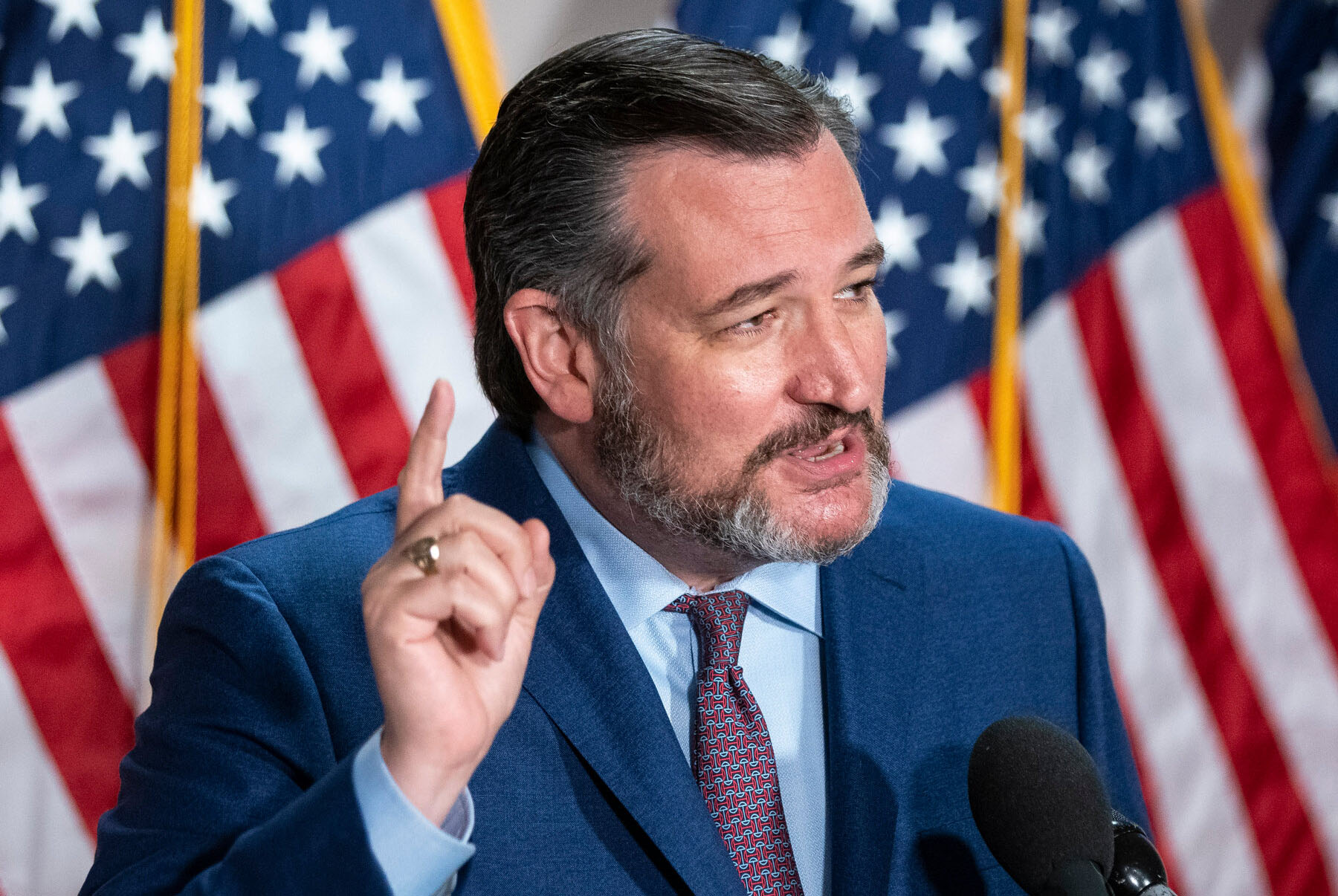
US Senator Ted Cruz Alleges Nigerian Officials Behind Christian Killings
United States Senator Ted Cruz has alleged that some Nigerian officials are complicit in attacks on Christians, warning that the United States could impose sanctions on those found responsible.
Cruz made the claim while reacting to the recent Plateau killings, particularly the deadly attack in Jos North area of Plateau State.
In a post on X, the lawmaker stated that American authorities are aware of those allegedly enabling the violence. He accused certain officials of creating an environment where Christians are “routinely persecuted and slaughtered,” adding that the U.S. has the tools to hold such individuals accountable.
The remarks followed a Palm Sunday attack on Angwan Rukuba, where gunmen invaded the community around 8:30 p.m., killing at least 12 people. Police confirmed the victims included 10 men and two women, with additional bodies later recovered during search operations.
The timing of the attack, coinciding with a major Christian observance, has heightened concerns about religious violence in Nigeria, particularly in the Middle Belt region.
READ ALSO:
- ‘I Have Not Resigned’ – Power Minister Adelabu Debunks Viral Resignation Report
- Benue Declares One-Week Easter Holiday for Civil Servants
- JAMB Releases 2026 UTME Mock Results, Delists Over 20 CBT Centres
Governor Caleb Mutfwang visited the affected community, expressing sympathy to victims’ families and vowing justice.
“Your pain is my pain, and the pain of Plateau State. My administration will pursue justice relentlessly until the perpetrators are brought to book,” he said.
The state government also announced emergency measures, including free medical treatment for the injured and dignified burials for the deceased.
To prevent further breakdown of law and order, authorities imposed a 48-hour curfew in Jos North, which lasted from midnight March 29 to April 1, 2026. Security presence was also reinforced, with additional personnel deployed to stabilise the area.
Security agencies have since intensified operations to track down those responsible for the attack, while residents remain on edge.
Cruz’s comments have reignited international scrutiny over Nigeria’s security situation, especially recurring violence in the Middle Belt.
However, the Federal Government of Nigeria has consistently rejected claims of targeted religious persecution, maintaining that the violence is driven by criminality, insurgency, and communal conflicts rather than a coordinated campaign against Christians.
President Bola Tinubu has also dismissed allegations of religious genocide, stating that Nigeria’s challenges stem from terrorism and extremism, not faith-based targeting.
Similarly, National Security Adviser Nuhu Ribadu has engaged with U.S. officials in past diplomatic efforts to clarify the country’s security realities.
Despite these assurances, incidents like the Plateau attack continue to raise both local and global concerns, with growing calls for stronger action to curb violence and ensure accountability.
US Senator Ted Cruz Alleges Nigerian Officials Behind Christian Killings

-

 Entertainment2 days ago
Funke Akindele, Toyin Abraham Spark Reactions Over Alleged Snub at Iyabo Ojo’s Premiere
-
 metro3 days ago
Jos Attack: Plateau Govt Declares 48-Hour Curfew After Deadly Assault
-

 Education2 days ago
WAEC Releases 2026 WASSCE Timetable for School Candidates
-

 Auto2 days ago
Lagos NURTW Chairman Sego Distributes Exotic Cars, Luxury Items to Cabinet Members (Video)
-

 metro2 days ago
Cars Torched as South Africans Protest Alleged Nigerian ‘Igbo King’ Coronation
-

 News2 days ago
UK Raises Visa Costs, Tightens Immigration Rules From April 8
-

 Auto3 days ago
Motoring World marks 30 years, set to rally industry leaders in Lagos
-
 metro3 days ago
Debate as OPM Pastor Marries Autistic Man to Older Woman