
Politics
PDP Crisis Deepens as Turaki Faction Seeks Judge’s Recusal Over Alleged Bias
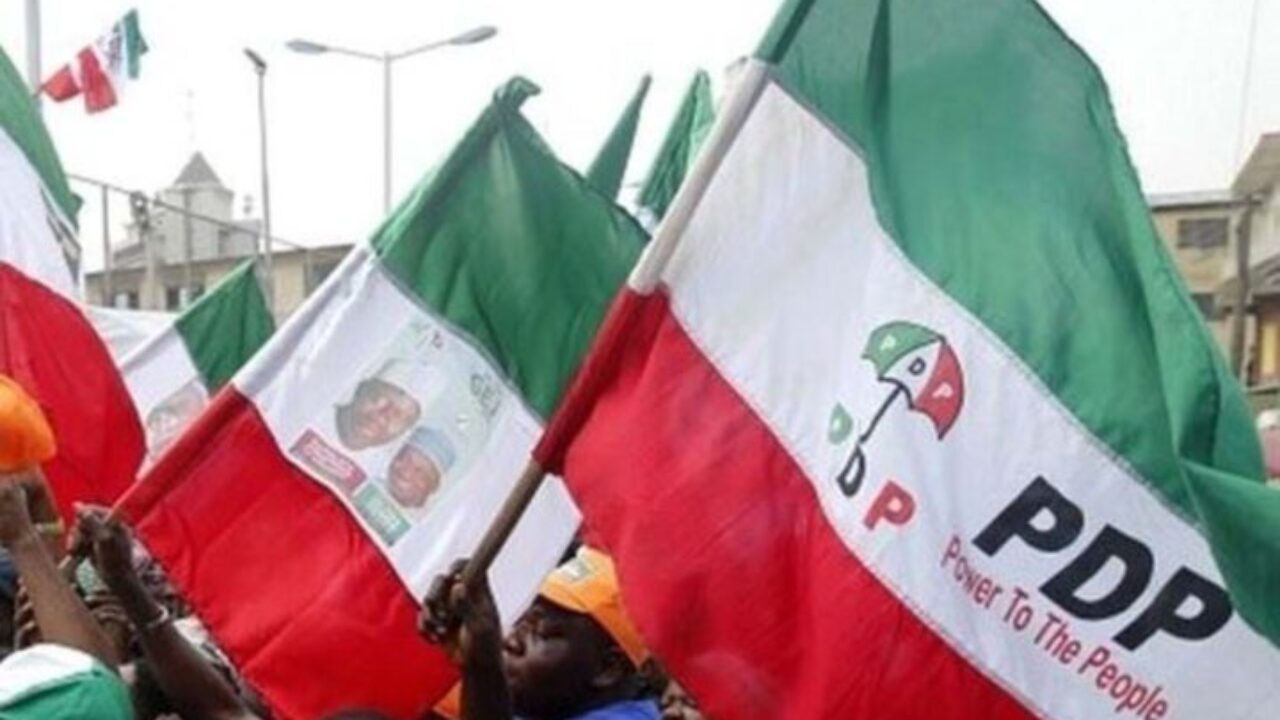
PDP Crisis Deepens as Turaki Faction Seeks Judge’s Recusal Over Alleged Bias
The faction of the Peoples Democratic Party (PDP) loyal to Kabiru Turaki has filed a motion requesting Justice Joyce Abdulmalik to withdraw from presiding over a major lawsuit challenging the party’s leadership. The application, led by senior lawyer Chris Uche (SAN), argues that circumstances surrounding the handling of the suit have created a reasonable apprehension of bias.
The case originally stems from a suit filed by a rival PDP bloc aligned with FCT Minister Nyesom Wike and led by acting National Chairman Mohammed Abdulrahman.
In the motion, the Turaki group is seeking two orders:
- For Justice Abdulmalik to recuse herself due to perceived lack of impartiality; and
- For the Chief Judge of the Federal High Court to reassign the matter to another judge.
Uche cited Section 36(1) of the 1999 Constitution, which guarantees the right to a fair hearing, asserting that his clients fear they may not receive an unbiased trial. He recalled that the 5th to 25th defendants previously petitioned Chief Judge John Tsoho, asking that no PDP-related dispute be assigned to Justice Abdulmalik or two other judges due to “past antecedents and perceived partisanship.”
Despite this, the suit filed on November 21, 2025, was assigned to Justice Abdulmalik and, by November 25, resulted in an ex parte order that Uche described as “curious” and similar to orders previously issued by Justice James Omotosho in related PDP matters. He argued that although some prayers were declined on record, the judge “granted even more far-reaching orders,” raising concerns about fairness.
READ ALSO:
- Scientists Identify Key Immune “Exhaustion Switch,” Opening New Path for Powerful Cancer Treatments
- Turkey Football Betting Scandal: 46 Arrested as Match-Fixing Probe Widens
- Four Teenagers Killed in Banki Explosion as Borno Police Probe Deadly IED Blast
Uche insisted that judicial proceedings “must not only be fair but must manifestly appear to be fair,” noting that reassigning the case would safeguard public confidence in the process.
Meanwhile, the rival PDP faction is seeking injunctions preventing the Independent National Electoral Commission (INEC) from recognising any address for the party other than the one currently on its records. They are also asking the court to stop the Turaki-led group from presenting itself as the authentic representatives of the PDP.
The plaintiffs further want the court to compel INEC, the Inspector-General of Police, the FCT Police Command, and the DSS to enforce earlier judgments delivered by Justices James Omotosho and Peter Lifu on PDP disputes.
During Friday’s hearing, Onyechi Ikpeazu (SAN) appeared for the plaintiffs, Chris Uche (SAN) for the 5th to 25th defendants, and Mimi Ayua represented the police. With parties confirming that all processes had not been received, Justice Abdulmalik adjourned the matter to January 14, 2026.
Later that day, a second suit filed by the Turaki-led PDP group came up. Terkaa Aondo (SAN) represented the plaintiffs, while Ken Njemanze (SAN)—appearing for those seeking to be joined, including Mohammed Abdulrahman, Sen. Samuel Anyanwu, and Sen. Mao Ohuabunwa—noted that he had not been served. The judge fixed January 16 for hearing pending applications.
In the second suit, the plaintiffs—PDP, National Chairman Kabiru Turaki, and National Secretary Taofeek Arapaja—are asking the court to order security operatives to vacate the party’s Wadata Plaza headquarters in Abuja.
PDP Crisis Deepens as Turaki Faction Seeks Judge’s Recusal Over Alleged Bias










Politics
Kwankwaso Resigns from NNPP, Signals Political Realignment
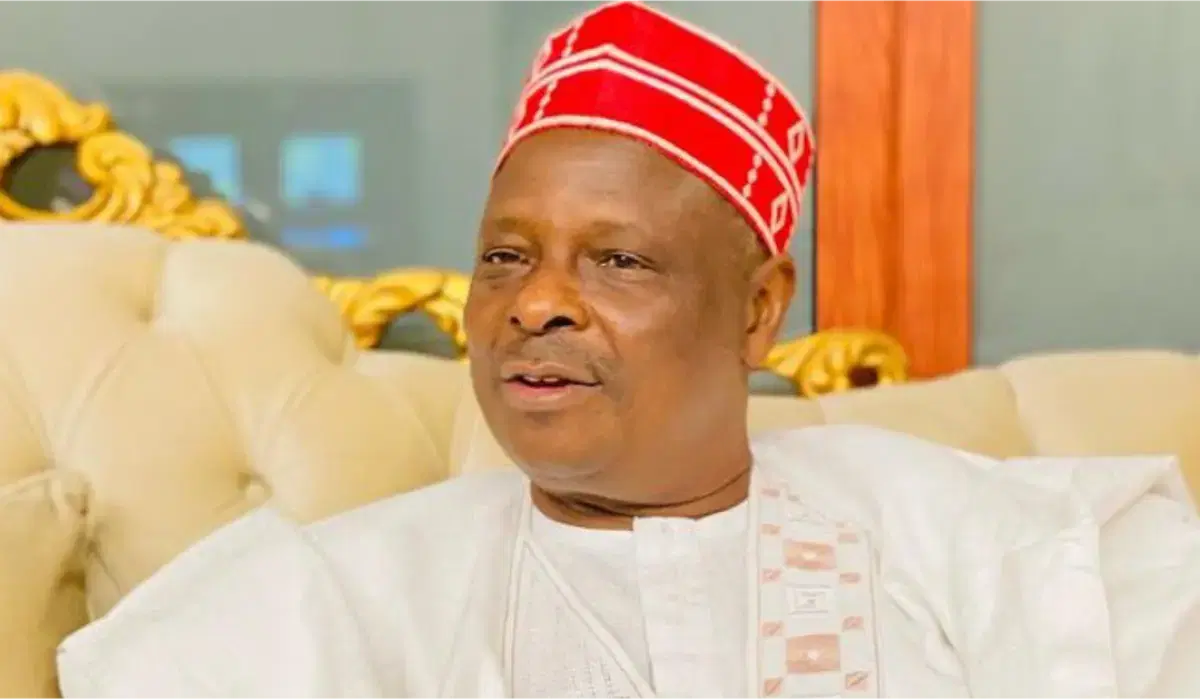
Kwankwaso Resigns from NNPP, Signals Political Realignment
Former Kano State Governor and 2023 presidential candidate of the New Nigeria People’s Party (NNPP), Rabiu Musa Kwankwaso, has formally announced his resignation from the party, citing the need for strategic political realignment.
In a press statement dated March 29, 2026, Kwankwaso said his decision to quit the New Nigeria People’s Party takes immediate effect.
The former NNPP National Leader described the decision as difficult but necessary in view of the evolving political landscape in the country.
“Considering the current trajectory of the nation’s political landscape, which calls for strategic realignment, I have found it necessary to identify with another political platform that offers the best opportunity to effectively change the nation,” he stated.
Kwankwaso, who was the party’s presidential flag bearer in the 2023 general elections, expressed gratitude for the opportunity to serve the party at the highest level. He thanked the NNPP leadership, including the National Chairman, Ajuji Ahmed, as well as members of the National Working Committee, Board of Trustees, and National Executive Committee.
He also acknowledged the contributions of party members across all levels, from ward to state structures, and paid tribute to supporters of the Kwankwasiyya Movement for their loyalty and commitment.
Despite his exit, the former governor assured that collaboration with party members and stakeholders would continue in pursuit of a better future for Nigeria.
Kwankwaso’s resignation is expected to trigger fresh political alignments ahead of future electoral contests, as attention shifts to his next political destination.
Kwankwaso Resigns from NNPP, Signals Political Realignment
Politics
Kwankwaso Set for ADC Defection as Mark, Aregbesola Prepare Grand Reception
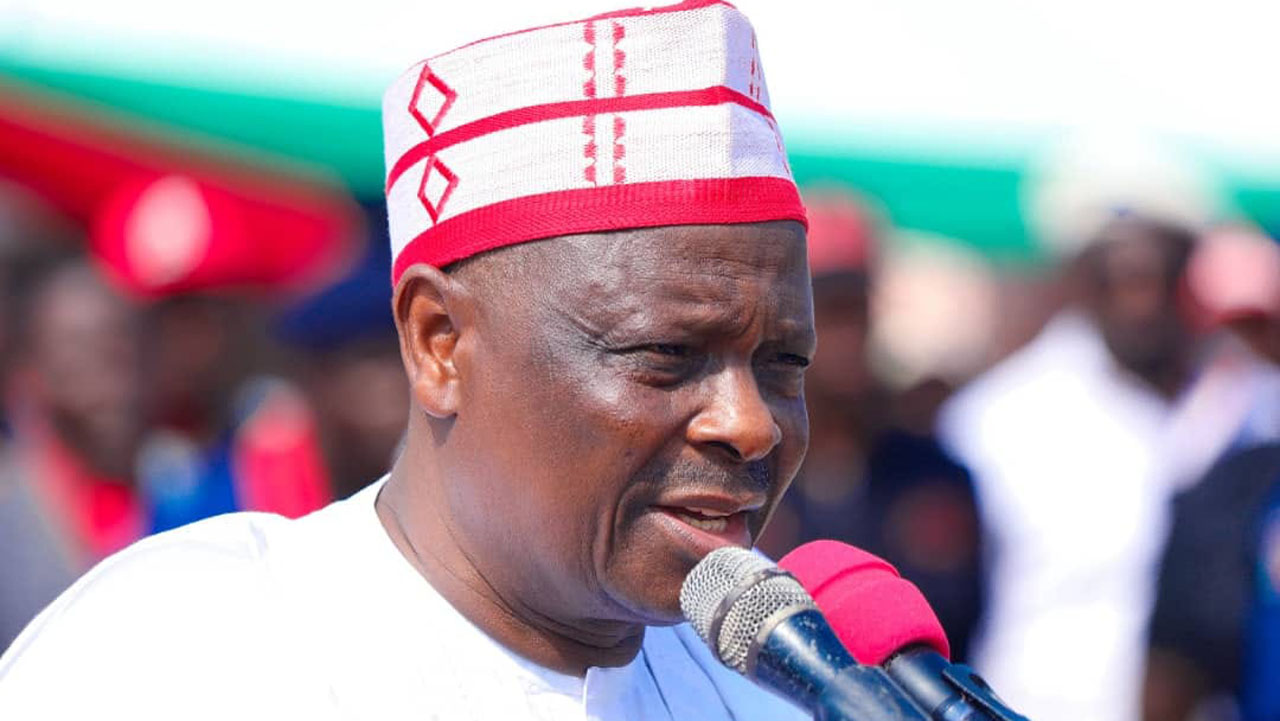
Kwankwaso Set for ADC Defection as Mark, Aregbesola Prepare Grand Reception
Former Kano State governor, Rabiu Musa Kwankwaso, is set to formally defect to the African Democratic Congress (ADC), in a move that signals a major political realignment ahead of the 2027 general elections.
Sources within the party disclosed that the ADC National Chairman, David Mark, and National Secretary, Rauf Aregbesola, will officially receive Kwankwaso during his declaration ceremony scheduled to hold in Kano.
Kwankwaso, who was the presidential candidate of the New Nigeria Peoples Party (NNPP) in 2023, is expected to join the ADC alongside key political allies, including former Kano Deputy Governor Aminu Gwarzo.
The defection follows months of negotiations between Kwankwaso and the ADC leadership, as the party intensifies efforts to build a formidable opposition coalition.
Initially, talks nearly collapsed after Kwankwaso reportedly demanded the party’s vice-presidential slot as a condition for joining ahead of the 2027 elections. However, the ADC leadership declined to guarantee such a position, insisting that no prior commitments could be made.
The deadlock was eventually resolved after a private meeting between Kwankwaso and Aregbesola in Abuja, with insiders confirming that the former governor has now agreed to join the party without any preconditions.
Kwankwaso’s move is widely seen as part of a broader opposition strategy involving key political figures such as Peter Obi and Atiku Abubakar, aimed at strengthening alliances ahead of the next general election.
His formal entry into the ADC is expected to reshape political dynamics, particularly in northern Nigeria, where he maintains significant influence.
Kwankwaso Set for ADC Defection as Mark, Aregbesola Prepare Grand Reception
Politics
Naira Strengthens for Third Day Against US Dollar as Forex Reforms Take Effect
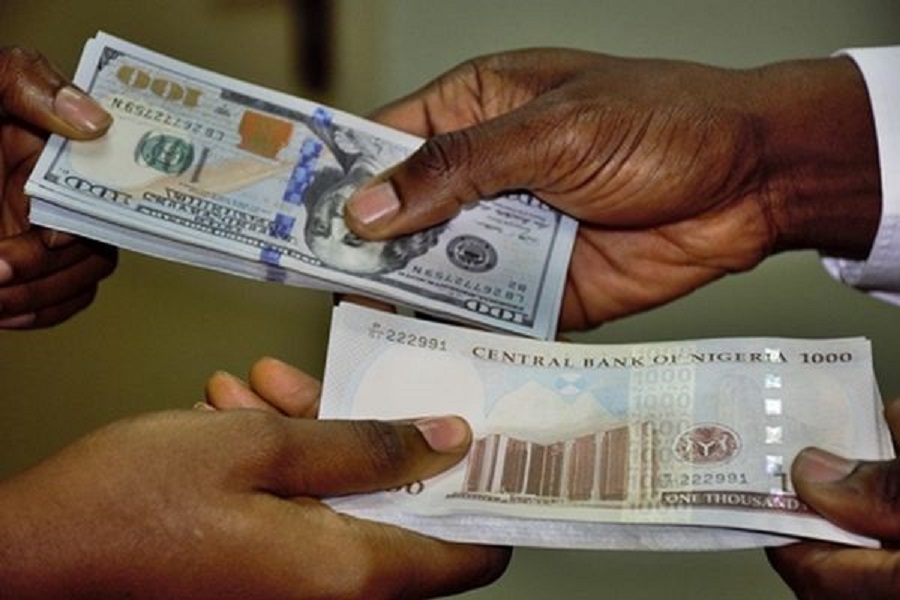
Naira Strengthens for Third Day Against US Dollar as Forex Reforms Take Effect
The Nigerian naira recorded its third consecutive gain against the US dollar at the official foreign exchange market, closing Friday at ₦1,380.57 per dollar, up ₦3.30 or 0.23% from Thursday’s ₦1,383.88. This follows a gradual rebound earlier in the week, after the currency weakened to ₦1,386.70 on Wednesday.
Data from the Central Bank of Nigeria (CBN) show that the steady appreciation reflects renewed confidence in the official FX window, driven by better liquidity, policy consistency, and ongoing foreign exchange reforms. Analysts attribute the gains to sustained forex inflows and tighter monetary measures that are gradually stabilising the exchange rate and reducing market volatility.
READ ALSO:
- Final Notice: FG Orders Civil Servants to Complete PASGA Verification by March 31
- Mozambique Deports 13 Nigerians Without Charges, 29 Still Detained
- Iranian Missiles, Drones Strike US Air Base in Saudi Arabia
Experts say the PASGA reforms and government measures allowing full repatriation of export proceeds for oil companies are also contributing to the positive trend. Increased transparency and structural adjustments in foreign exchange management have begun to produce measurable results, boosting investor and market confidence.
Despite the gains, market observers caution that external pressures, including global dollar strength, could challenge the naira’s resilience in the coming weeks. They note that discrepancies between the official and parallel market rates remain, which may affect importers, exporters, and individuals seeking foreign currency outside the official window.
The naira’s rebound is part of a broader effort by the CBN and the federal government to strengthen the currency, enhance foreign exchange liquidity, and stabilize the Nigerian economy amid global economic uncertainties. Analysts believe that sustained reforms and careful macroeconomic management are crucial to maintaining this upward momentum and supporting long-term financial stability.
Naira Strengthens for Third Day Against US Dollar as Forex Reforms Take Effect

-

 Entertainment3 days ago
Yoruba Film Industry Mourns as Actress Bukky Mountain Dies
-

 metro2 days ago
“We Pay Men to Sleep With Us in Germany” — Nigerian Woman Laments Loneliness Abroad
-
 Entertainment2 days ago
Tragedy in Music Industry as ‘Show Your Style’ Singer Sabinus Dies
-

 metro23 hours ago
Tragedy in Aramoko: Trailer Rams Residential Building, Kills 300‑Level Student
-

 News1 day ago
Final Notice: FG Orders Civil Servants to Complete PASGA Verification by March 31
-
 metro2 days ago
El-Rufai’s Mother, Hajiya Umma, Dies Amid Son’s Legal Battle
-

 metro3 days ago
Kidnappers Now Using Banks to Receive Ransom Payments — Security Expert Raises Alarm
-

 Entertainment1 day ago
Nollywood Actress Declares Love for Ibrahim Chatta, Offers to Pay Her Own Dowry