
International
Putin adviser vows legal battles against attempts to seize Russian assets

Moscow will fight attempts to seize Russian property abroad in courts around the world, the former president Dmitry Medvedev has said.
Medvedev, who advises Vladimir Putin on national security matters, said in a post on Telegram on Wednesday that Russian businesses whose assets are subject to sanctions would take legal action in the US, EU and elsewhere.
“Our opponents … should understand that they will face a large number of cases in courts. Both in the national courts of the United States and Europe and in international courts,” wrote Medvedev.
Since President Putin launched the invasion of Ukraine in late February the US, EU, UK and other allies have targeted sanctions at a series of Russia’s richest businessmen and companies ranging from state-controlled banks to arms manufacturers.
Medvedev served as president between 2008 and 2012, before Putin reassumed the presidency. He is deputy chairman of Russia’s Security Council, which is headed by Putin and advises the president on national security, and he has used the social network to issue a mixture of threats and comments about sanctions on Russia since his country’s invasion of Ukraine.
READ ALSO:
- Man dies crashing car into Russian embassy in Romanian capital
- Ekiti 2022: Oni escapes assassination as thugs invade SDP secretariat
- Fed Govt dismisses claims it’s overwhelmed says Terrorists suffered heavy casualties in Birnin-Gwari
Many of the sanctions against Russian interests have included asset freezes. Trophy assets that have been affected include company stakes, such the billionaire Roman Abramovich’s shares in Chelsea Football Club and in London-listed steelmaker Evraz. There is also a growing list of superyachts and planes linked to oligarchs that have been prevented from leaving to more friendly ports.
In the UK an asset freeze prevents the owners of assets such as land, buildings, company shares or artworks from gaining any economic benefit from them, including via their sale. However, those assets are not legally confiscated.
Russia’s government has in the past proven adept at using the courts of other countries. In one notable case the Russian state successfully pursued Sergei Pugachev, a former senior Kremlin official who ran an election campaign for Putin, in London courts to claim ownership of UK property that Russia claimed was bought with stolen funds.
In his Telegram post, Medvedev acknowledged that the courts systems in the US and Europe have “a significant degree of independence”, but complained that sanctions against Russian businessmen were like the Spanish Inquisition, the search for heretics around the 16th century.
THE GUARDIAN



International
Earthquake in Afghanistan Kills 8 Members of Same Family
Earthquake in Afghanistan Kills 8 Members of Same Family
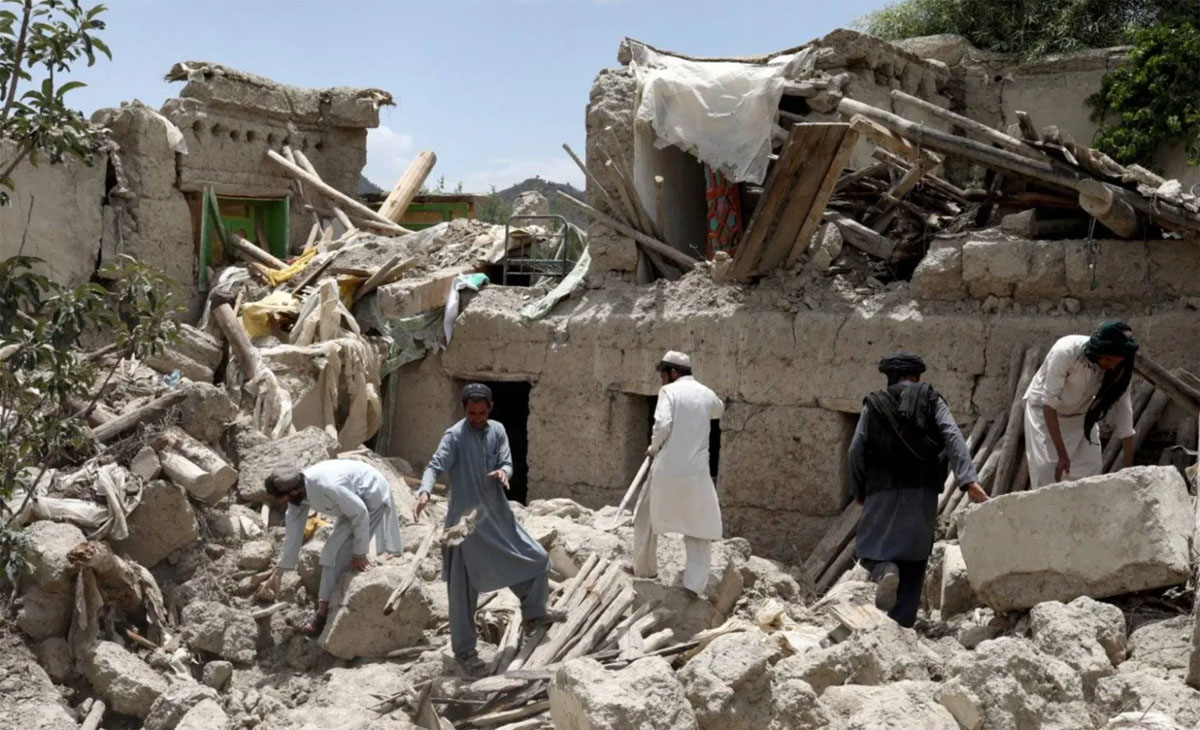
An earthquake in Afghanistan has killed at least eight members of the same family and injured others after striking late on Friday, officials said, deepening the humanitarian toll in a region prone to powerful temblors.
The 5.8‑magnitude earthquake struck at 8:42 p.m. local time (1612 GMT) on Friday, with its epicentre located in Badakhshan Province, according to the U.S. Geological Survey (USGS). The quake occurred at a depth of 186 kilometres (115 miles) beneath the surface, a depth that allowed the shaking to be felt over a wide area, including in the capital Kabul and other surrounding provinces.
Shaking was reported across multiple regions of Afghanistan, with residents describing rooms swaying and items falling from shelves, according to international news agency reports.
In Kabul Province, the Gosfand Dara area was among the most severely affected. Health Ministry spokesman Sharafat Zaman confirmed to AFP that eight members of a single household lost their lives when their home collapsed during the quake. A two‑year‑old child was the lone survivor from the family; the country’s disaster management agency said the boy sustained injuries and was receiving medical care.
READ ALSO:
- How opposition Tinubu would treat President Tinubu, By Farooq Kperogi
- 14-Year-Old British-Nigerian Boy, Fatally Shot in London
- Iran Crisis Escalates as Second US Warplane Crashes in Persian Gulf
Afghan authorities have not yet detailed whether other deaths or injuries occurred beyond this household in Kabul Province, but tremors were widely felt from the northeast to the national capital and beyond.
Afghanistan sits in a seismically active zone along the Hindu Kush mountain range, where the Eurasian and Indian tectonic plates interact. This makes the region particularly susceptible to strong earthquakes that can cause widespread damage, especially in areas with fragile infrastructure.
In August, a much stronger magnitude‑6.1 earthquake struck eastern Afghanistan, flattening mountainside villages and killing more than 2,200 people, making it one of the country’s deadliest in recent memory. That disaster displaced tens of thousands, destroyed homes, schools and roads, and underscored Afghanistan’s vulnerability to seismic calamities.
The latest tremor serves as a stark reminder of that risk, particularly as communities still recover from past earthquakes amid ongoing economic hardship and limited emergency response capacity.
Humanitarian agencies and local officials are assessing the broader impact of Friday’s quake, and calls are mounting for more resources to support affected families, improve response capabilities, and enhance early warning systems.
Earthquake in Afghanistan Kills 8 Members of Same Family
International
Iran Crisis Escalates as Second US Warplane Crashes in Persian Gulf
Iran Crisis Escalates as Second US Warplane Crashes in Persian Gulf
The already fragile security situation in the Middle East has taken a dramatic turn following reports that a second U.S. military aircraft has crashed in the Persian Gulf, intensifying tensions between the United States and Iran.
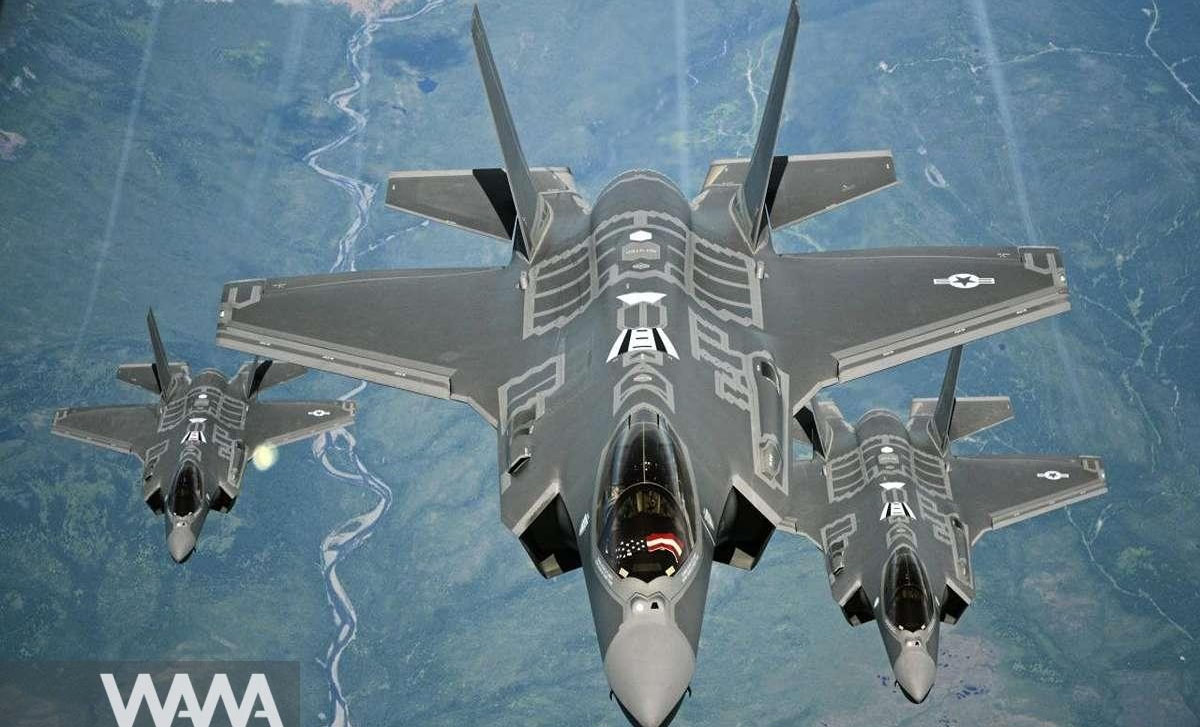
According to U.S. officials cited by The New York Times, a U.S. Air Force A-10 Thunderbolt II, widely known as the Warthog, went down near the Strait of Hormuz. The pilot was successfully rescued, but the exact cause of the crash remains unclear, with early indications suggesting a combination of operational risk and possible hostile engagement.
The incident occurred almost simultaneously with reports that an F-15E Strike Eagle fighter jet was shot down over Iranian territory. Iranian state media claimed responsibility, stating that its air defence systems intercepted the aircraft. U.S. officials have confirmed the loss of the jet, though investigations into the precise circumstances are ongoing.
Rescue operations for the downed F-15E crew are still underway. One crew member has been recovered alive and is receiving medical care, while search efforts continue for the second. The operation has drawn significant military resources, including air and naval support, amid concerns over the safety of personnel operating in hostile territory.
READ ALSO:
- NAF Airstrike Destroys Terrorist Enclave, Kills Scores of ISWAP Fighters in Borno
- Gunmen Attack Zamfara Governor’s Aide Convoy, Escape Unhurt
- Plateau Security: Troops Kill 3 Terrorists, Arrest Fake Soldiers in Jos
Iranian state television further escalated tensions by urging civilians to report the whereabouts of the missing U.S. crew member or members, offering a reward for information. Analysts warn that such actions could complicate rescue missions and heighten the risk of further confrontation.
The A-10 aircraft is believed to have been operating in support of these rescue efforts when it crashed, underscoring the опасность of ongoing operations in the region. Reports indicate that U.S. rescue teams have encountered hostile conditions, including potential ground fire, making recovery efforts increasingly challenging.
U.S. President Donald Trump has intensified rhetoric amid the crisis, confirming earlier strikes on Iranian infrastructure, including a highway bridge near Tehran. He warned that Washington is prepared to escalate military action if necessary, while claiming that U.S. operations have significantly weakened Iran’s military capabilities.
The developments have placed renewed focus on the strategic importance of the Strait of Hormuz, a vital global oil transit route through which a significant portion of the world’s energy supply passes. Any disruption to this corridor could trigger major economic последствия, including spikes in global oil prices.
At the same time, the crisis unfolds against the backdrop of a proposed $1.5 trillion U.S. defence budget for fiscal year 2027, fueling debate over increased military spending and its implications for domestic priorities.
Diplomatic efforts to de-escalate tensions appear to have stalled. Iranian officials have dismissed the possibility of negotiations under current conditions, denying reports that Tehran is seeking a ceasefire and maintaining a hardline stance against Washington.
The near-simultaneous loss of two U.S. military aircraft marks a significant escalation in the conflict, raising concerns about a potential broader regional confrontation if tensions continue to rise.
Iran Crisis Escalates as Second US Warplane Crashes in Persian Gulf
International
Iran’s IRGC Threatens Google, Microsoft, Apple as ‘Legitimate Military Targets’
Iran’s IRGC Threatens Google, Microsoft, Apple as ‘Legitimate Military Targets’
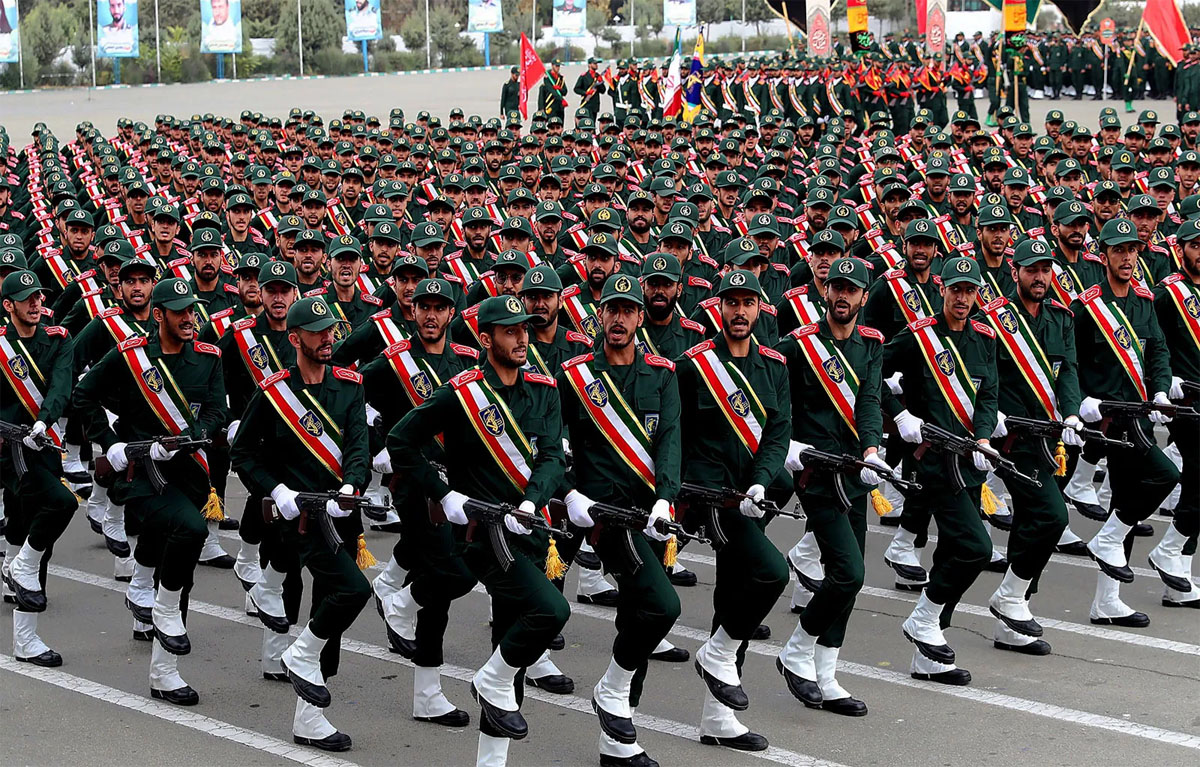
Iran’s Islamic Revolutionary Guard Corps (IRGC) has issued a stark warning to major US technology companies, declaring them legitimate military targets amid intensifying conflict in the Middle East.
The warning, carried by the IRGC-linked Tasnim News Agency, named around 20 American and Western tech firms allegedly involved in intelligence, surveillance, and targeting operations. Companies highlighted include Google, Microsoft, Apple, Meta, Boeing, HP, and Tesla. The IRGC claimed these firms play a central role in identifying and tracking targets through artificial intelligence, cloud infrastructure, and ICT systems, making their facilities subject to attack.
The statement warned that attacks could begin from 8 p.m. local time on Wednesday if Iran continues to experience what Tehran describes as “targeted assassinations” of its leaders and military personnel. Employees and civilians near company offices and data centres were urged to evacuate immediately.
READ ALSO:
- Nigeria Apologises Over ‘Igbo King’ Controversy in South Africa as Protests Turn Violent
- Plateau Killings: Ezekwesili Blasts Tinubu, APC Over ‘Failure to Act’
- Iran Announces ‘Bounty’ on US Pilots After Claiming Downing of Fighter Jet
The threats follow a dramatic escalation in hostilities between Iran and Israel, with the Israel Defense Forces (IDF) reporting more than 230 airstrikes in 24 hours, targeting Iranian military infrastructure. Tehran has accused Israel and the US of also hitting civilian and academic institutions, including Isfahan University of Technology and the Iran University of Science and Technology.
Analysts warn the IRGC’s threats signal a widening battlefield beyond traditional military targets, potentially including commercial tech infrastructure, cloud systems, and communications networks. Such attacks could disrupt internet connectivity, cloud services, financial systems, and regional communications across the Middle East and beyond.
While no confirmed large-scale attacks on these firms have occurred, the announcement raises concerns over the global implications of targeting technology infrastructure in modern conflicts. Experts say such threats highlight how digital and commercial assets are increasingly considered strategic military targets.
Tech companies named in the warning have largely refrained from commenting publicly but are reportedly reviewing security measures and contingency plans to protect staff and critical infrastructure in the region.
The IRGC’s declaration marks a new phase of geopolitical escalation, demonstrating the growing intersection of technology, military operations, and regional instability in the Middle East.
Iran’s IRGC Threatens Google, Microsoft, Apple as ‘Legitimate Military Targets’

-

 metro2 days ago
VeryDarkMan Dares Sowore Over Blord’s Kuje Prison Remand
-
 Business2 days ago
NNPC Boosts Crude Supply to Dangote Refinery to Address Rising Fuel Prices
-

 metro2 days ago
Nigerians to Enjoy Four-Day Break as FG Declares Easter Holidays
-

 metro1 day ago
Tinubu Approves 1,000 Forest Guards, Orders 5,000 CCTV Cameras to Boost Security in Plateau
-
 International1 day ago
Iran Announces ‘Bounty’ on US Pilots After Claiming Downing of Fighter Jet
-

 metro8 hours ago
Pastor Found Dead in Guest House After Night Out With Married Female Church Member
-
 International2 days ago
Iran Fires Missiles at Israel After Trump Threatens Weeks of ‘Extremely Hard’ Strikes
-

 Politics8 hours ago
Wike: PDP Not Financially Ready for 2027 Presidential Election