

Auto
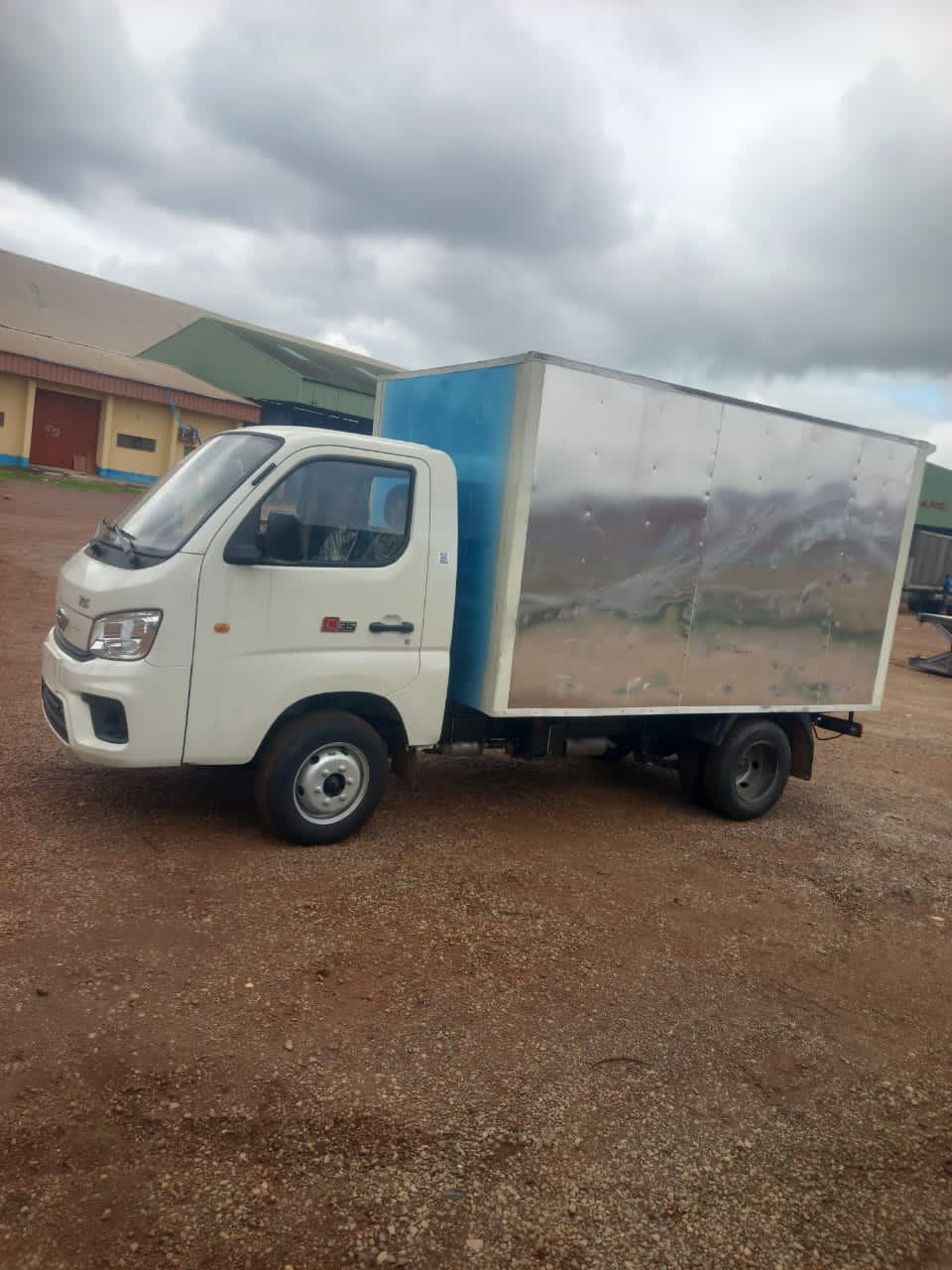
Relief for Last-Mile Delivery Operators as TSS Motors launches Forland T5 light Trucks
Relief for Last-Mile Delivery Operators as TSS Motors launches Forland T5 light Trucks
Nigeria’s fast-growing logistics and distribution sector has received a major boost as Transit Support Services Ltd. (TSS Motors) unveiled the locally assembled Forland T5 light truck, a new range of mini trucks designed to slash the high operating costs that have long plagued last-mile delivery operators.
The company said the introduction of the Forland T5 series, assembled at its Enugu plant, is aimed at providing businesses with a durable, affordable and fuel-efficient solution for the most expensive stage of the supply chain—the final delivery to customers.
Although the last mile is typically the shortest leg of the distribution process, it remains the most complex and costly, accounting for a significant share of transportation and shipping expenses.
By leveraging local vehicle assembly, TSS said it is passing on substantial cost savings to logistics operators and businesses.
Speaking on the new product, TSS Senior Sales Executive, Miss Blessing Aluh, said the company developed the Forland T5 in response to the growing demand for practical and cost-effective delivery vehicles.
“Businesses have long been searching for a practical solution to the high cost of last-mile deliveries. With our Forland T5, that much-awaited solution has finally arrived in Nigeria.
READ ALSO:
- MURIC Demands Release of El-Rufai’s Personal Physician, Condemns ICPC Arrest
- How Thugs Killed Islamic Teacher in Bauchi Over Political Posters
- Soldiers Reject N100,000 Salary as Tinubu Holds Emergency Security Meeting
“TSS has come to the rescue with a truck specially adapted for last-mile delivery because of its low maintenance cost. It is guaranteed to reduce operating expenses and make deliveries more efficient,” she said.
According to Aluh, the T5 is built by Forland, the specialised light truck division of Foton, and manufactured to high international quality standards.
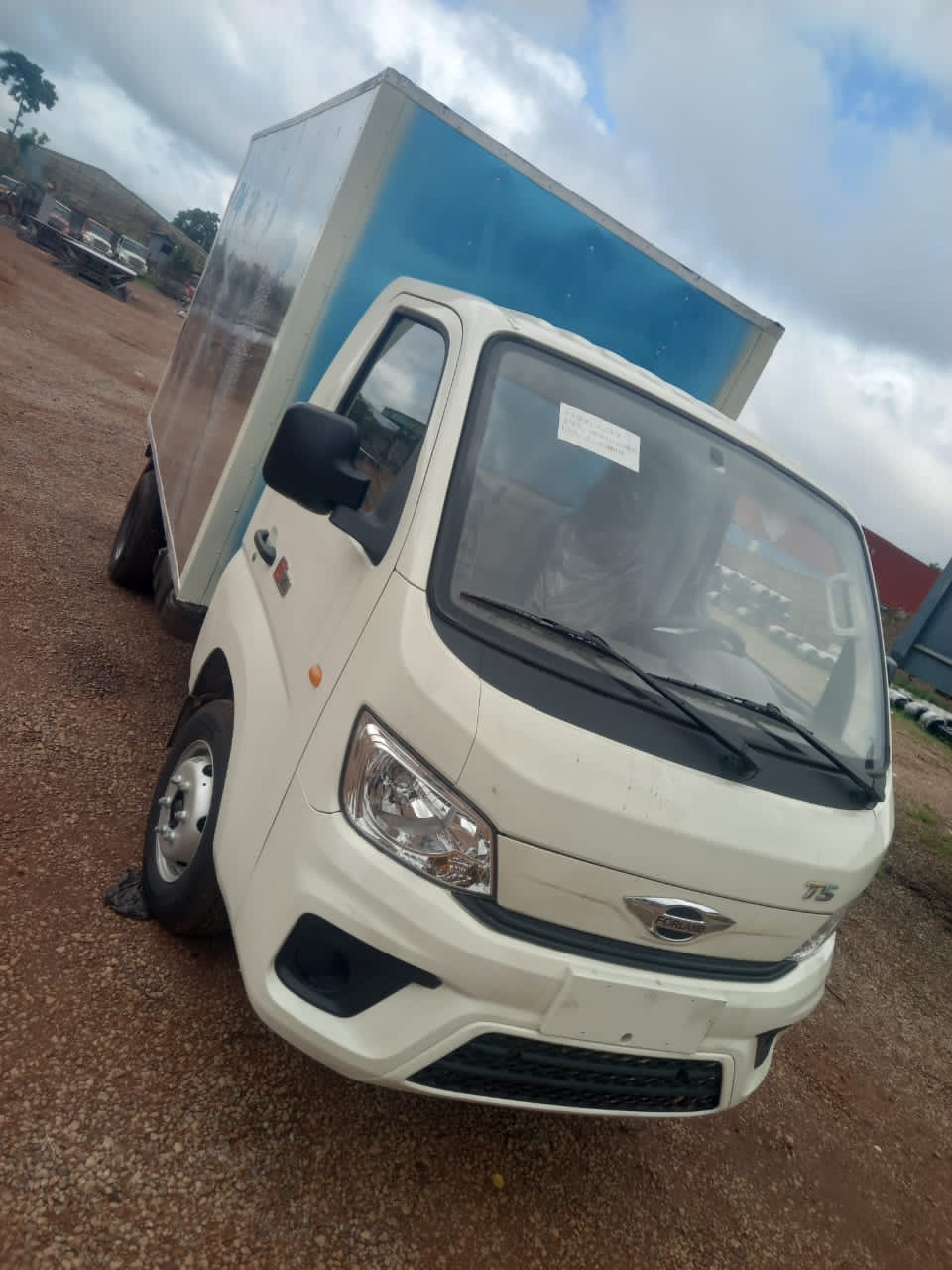
The truck is powered by an 82-kilowatt DAM 15R petrol engine noted for its fuel efficiency and low emissions.
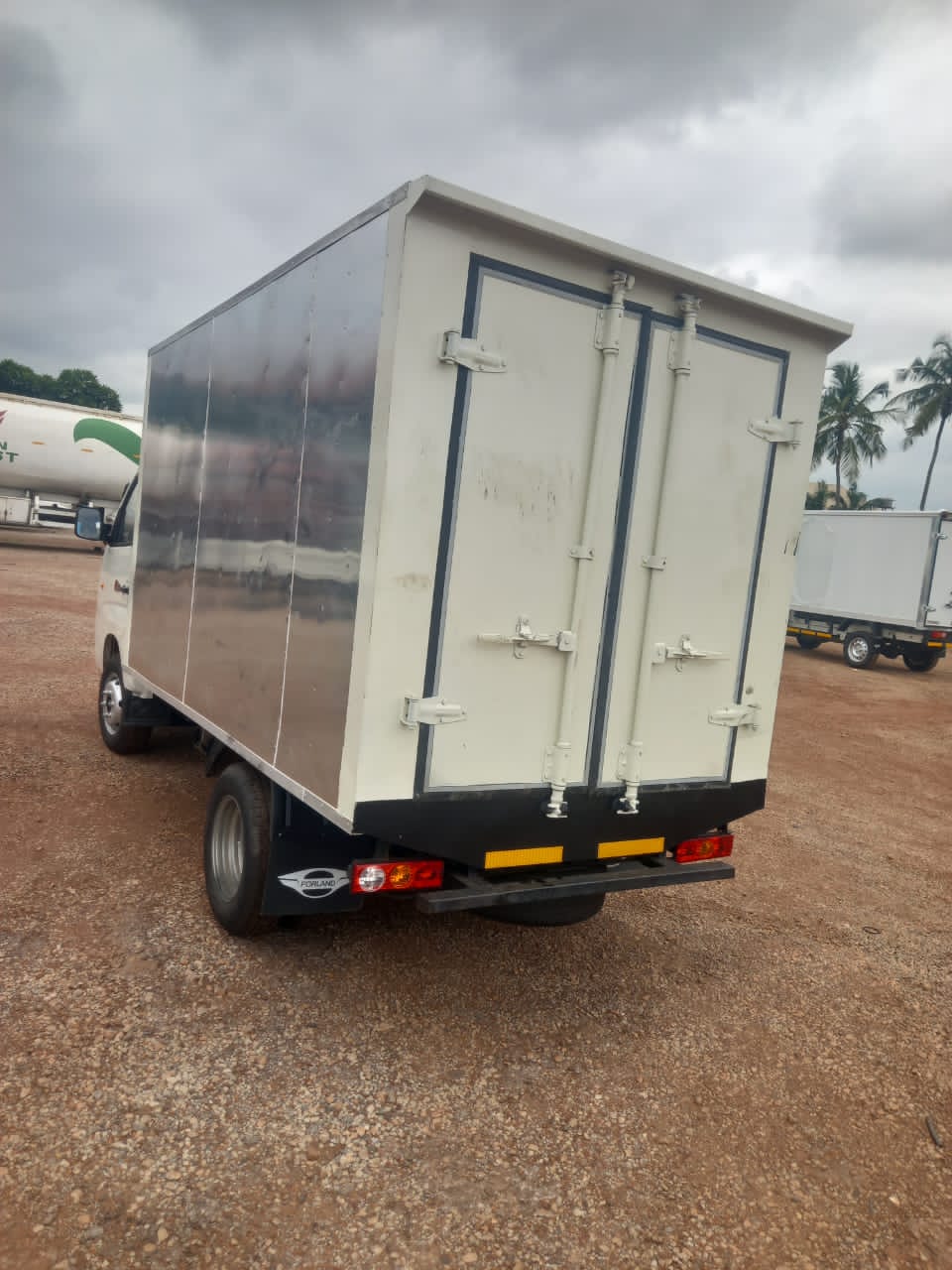
It is offered in both box-body and cabin-and-chassis configurations, giving businesses the flexibility to choose a model that best suits their operations.
Aluh explained that the cabin-and-chassis version would enable customers to fit a wide range of specialised bodies, including flatbeds, enclosed box bodies, drop-side bodies, refrigerated vans, mobile clinics and mobile vending units for food, snacks and beverages.
The air-conditioned cabin comfortably seats the driver and a salesperson, while the vehicle comes with a manual transmission and hydraulic braking system.
To meet varying operational needs, TSS is offering the Forland T5 in 1.5-tonne and 2-tonne payload variants, alongside a 2.5-tonne dual-fuel CNG/petrol version.
Like other Forland vehicles marketed by the company, the T5 is backed by nationwide after-sales support, including a one-year or 100,000-kilometre warranty.
TSS said local assembly has also made the vehicle more affordable, with the flatbed version priced at less than ₦16 million.
Aluh noted that customers have the option of buying the flatbed model and building a customised body elsewhere or purchasing a factory-fitted box-body version directly from the company.
“What this means is that you can build your box body elsewhere or customise it the way you need it. But we also supply box bodies,” she said.
She added that TSS can also facilitate bank financing for qualified buyers, enabling customers to spread payment for the vehicles over an agreed period.
Relief for Last-Mile Delivery Operators as TSS Motors launches Forland T5 light Trucks

Auto
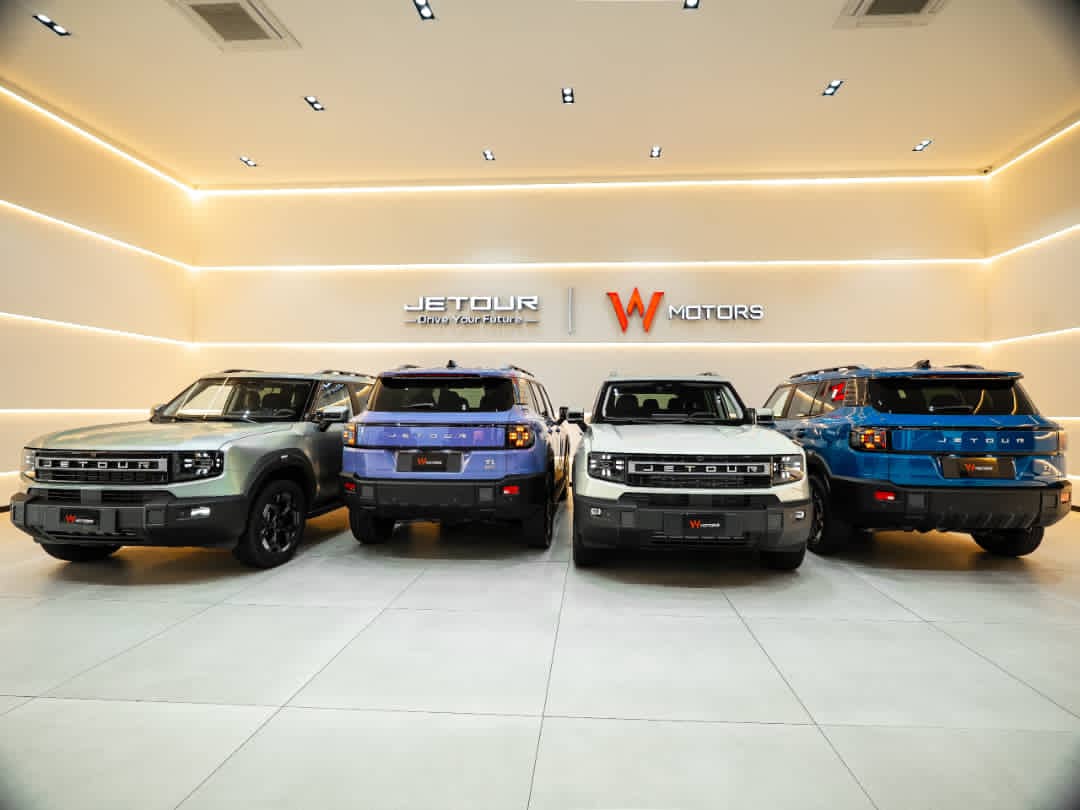
Jetour W Motors Celebrates Customers, Unveils Nigeria Owners Club After Brazil Promo
Jetour W Motors Celebrates Customers, Unveils Nigeria Owners Club After Brazil Promo
Jetour W Motors Nigeria is stepping up efforts to strengthen customer loyalty and build a vibrant community of vehicle owners with the successful conclusion of its #WinYourWayToBrazil campaign and the official establishment of the Jetour Nigeria Club.
The twin initiatives mark a new phase in the Chinese automotive brand’s engagement with Nigerian customers, extending its relationship with vehicle owners beyond sales and after-sales services to include shared experiences, lifestyle activities, adventures and community-building programmes.
The campaign climaxed with a live raffle draw on Friday, September 25, 2026, at the Jetour W Motors showroom on Adeyemo Alakija Street, Victoria Island, Lagos, where eligible customers gathered for an evening of entertainment, refreshments, networking and the eagerly anticipated announcement of the winner.
The promotion offered customers who ordered and purchased any Jetour vehicle between August 18 and September 20, 2026, the opportunity to win a trip to Brazil for the Jetour Brazil Fan Festival.
The event also featured the distribution of branded Jetour Owners Club gifts, adding to the celebratory atmosphere as customers interacted with one another and members of the Jetour team.
Beyond the excitement surrounding the raffle draw, the occasion provided a platform for Jetour W Motors to unveil the Jetour Nigeria Club, an initiative designed to bring owners of the brand’s vehicles together through a structured calendar of activities and shared experiences.
The club, officially established for the first time in Nigeria, is expected to create opportunities for members to participate in organised adventures, social gatherings and other community initiatives while strengthening their connection with the brand.
Registration for membership will open soon, with all Jetour owners invited to join the emerging community.
The development reinforces Jetour W Motors Nigeria’s strategy of building lasting relationships with customers in a competitive automotive market where ownership experience, customer engagement and brand loyalty are becoming increasingly important.
The #WinYourWayToBrazil campaign follows the successful Jetour Africa Expedition — Nigeria Edition, which brought together Jetour owners, influencers, media professionals and members of the company’s team for a distinctive experience combining driving, adventure and Nigerian culture.
The expedition was the brand’s first major activation specifically designed to bring Jetour owners together in Nigeria, providing an opportunity for participants to connect beyond their individual vehicle ownership experiences.
With the Brazil campaign and the launch of the national owners’ club, Jetour W Motors is building on that foundation by creating more opportunities for customers to interact, participate in brand-led activities and develop relationships with fellow owners.
The approach reflects a broader effort to position vehicle ownership as an experience that extends beyond the showroom, encompassing lifestyle, recreation and a sense of belonging to a growing community.
Jetour W Motors Nigeria is the authorised distributor of Jetour vehicles in the Nigerian market, where the brand continues to expand its presence through customer-focused initiatives and engagement programmes.
The planned opening of membership registration for the Jetour Nigeria Club is expected to provide the next opportunity for owners to become part of the community and participate in activities designed to deepen their connection with the brand.
Auto
FRSC hands over Safeline Bank to ROBOPAY, targets digital financial transformation
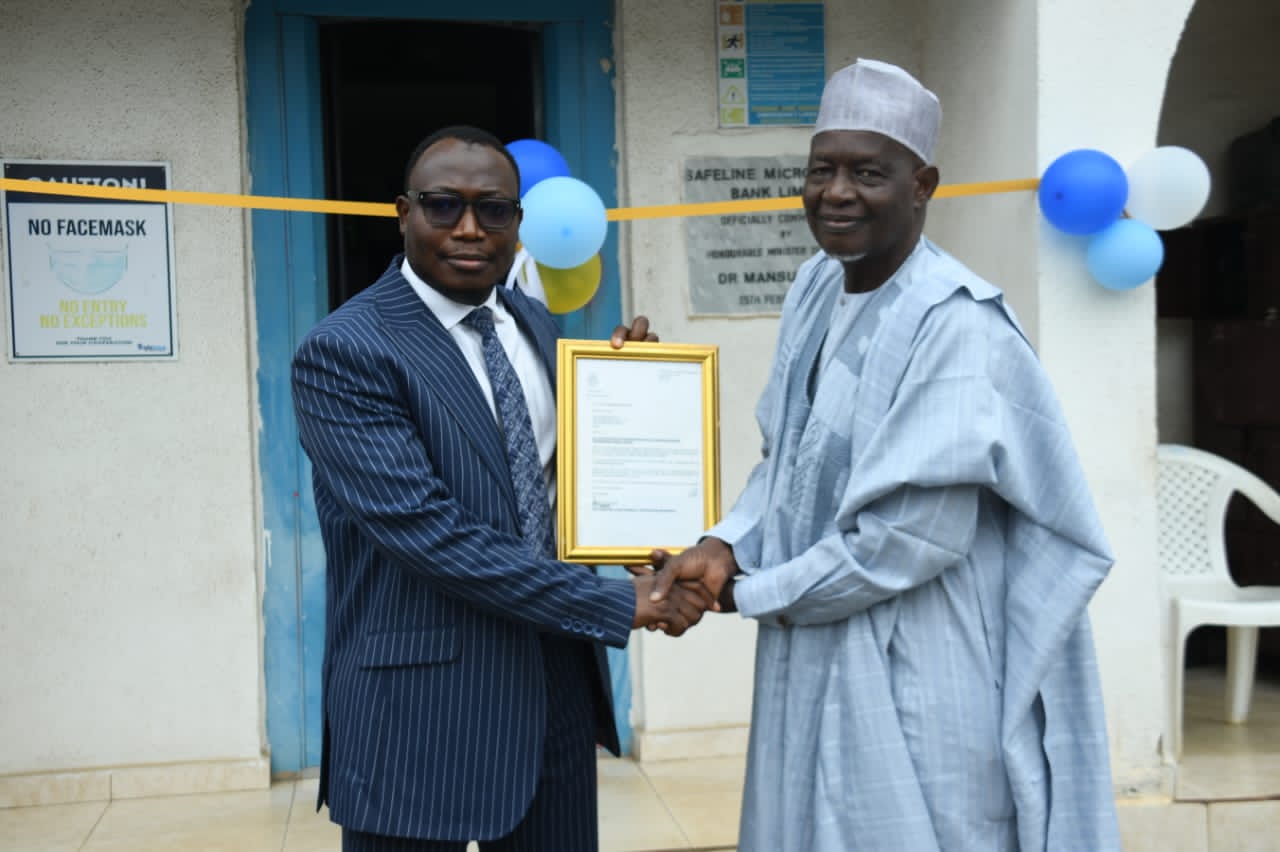
FRSC hands over Safeline Bank to ROBOPAY, targets digital financial transformation
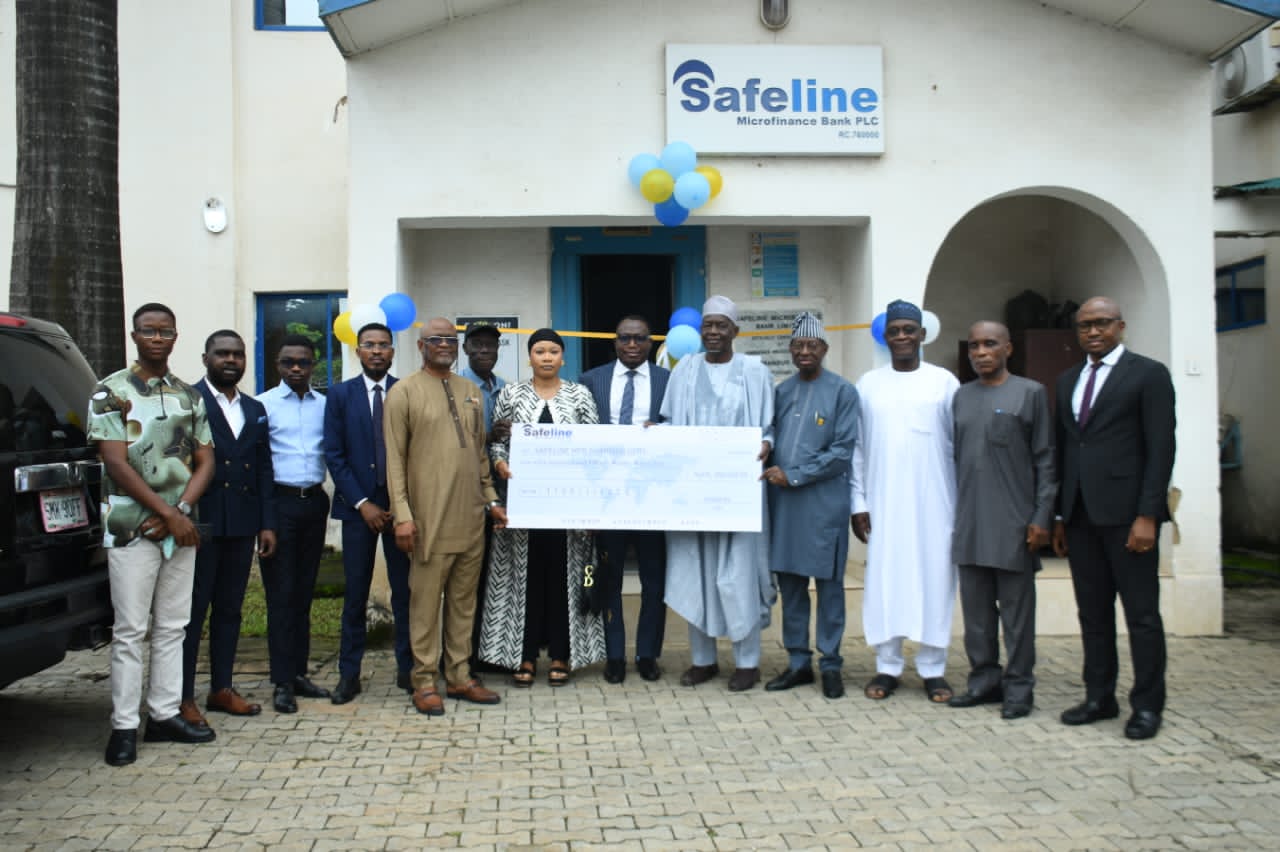
The Federal Road Safety Corps (FRSC) has handed over ownership of Safeline Microfinance Bank to ROBOPAY NIG. LTD., paving the way for a major recapitalisation and technology-driven transformation of the financial institution.
The divestment, which took place on Monday, October 5, 2026, at the bank’s premises in Abuja, is expected to reposition Safeline Microfinance Bank for stronger competitiveness, improved service delivery and sustainable growth in Nigeria’s rapidly evolving financial services sector.
The development, according to a statement by the Corps Public Education Officer, Osondu Ohaeri, is part of the strategic efforts under the leadership of the Corps Marshal, Shehu Mohammed, to reposition the institution for greater efficiency and competitiveness.
Safeline Microfinance Bank was established by the FRSC to provide financial services and opportunities to members of the Corps and other stakeholders.
Speaking at the handover ceremony, Chairman of the Board of Safeline Microfinance Bank, Ibrahim Babagana, a Deputy Corps Marshal (Rtd.), said the decision to divest the bank followed a careful assessment of the prevailing regulatory environment and emerging government policies affecting the microfinance banking industry.
Babagana said sustaining the bank under the changing financial landscape would require substantial additional capital, greater investment in technology and enhanced human capital.
He explained that the Board therefore resolved to transfer ownership to an investor with the capacity, resources and commitment to make the required investments and place the bank on a sustainable growth trajectory.
The former FRSC chief expressed confidence in ROBOPAY, saying the company had demonstrated the competence, commitment and vision required to build on the foundation established by the Corps and take Safeline Microfinance Bank to a new level.
He identified strengthening the bank’s capital base, deploying modern technology and investing in human resources as critical priorities for its survival and competitiveness in the increasingly digital financial services market.
Responding on behalf of ROBOPAY NIG. LTD, Malam Aliyu Abiodun thanked the Board and management of Safeline Microfinance Bank for the confidence reposed in the company, describing the acquisition as a significant milestone and an opportunity to unlock the institution’s considerable potential.
Abiodun said the bank already had valuable assets, structures and an institutional foundation which the new owners would build upon through strategic investments in financial technology, capital and human resources.
He said ROBOPAY would deploy FinTech solutions to modernise the bank’s operations, improve customer experience, expand its service offerings and strengthen its competitive position within Nigeria’s financial services industry.
According to him, the new ownership would retain and leverage the institutional foundation created by the FRSC while introducing innovative technology-driven solutions capable of opening new growth opportunities for the bank.
The transaction thus signals more than a change in ownership, as it ushers Safeline Microfinance Bank into a new phase anchored on recapitalisation, digital innovation and professionalised financial services.
Both parties expressed commitment to ensuring a seamless transition, with the ultimate objective of building a stronger, more competitive and sustainable institution capable of delivering greater value to its customers and stakeholders.
Auto
TCAN Honours Dangote Cement Transport for Safety, Logistics Excellence
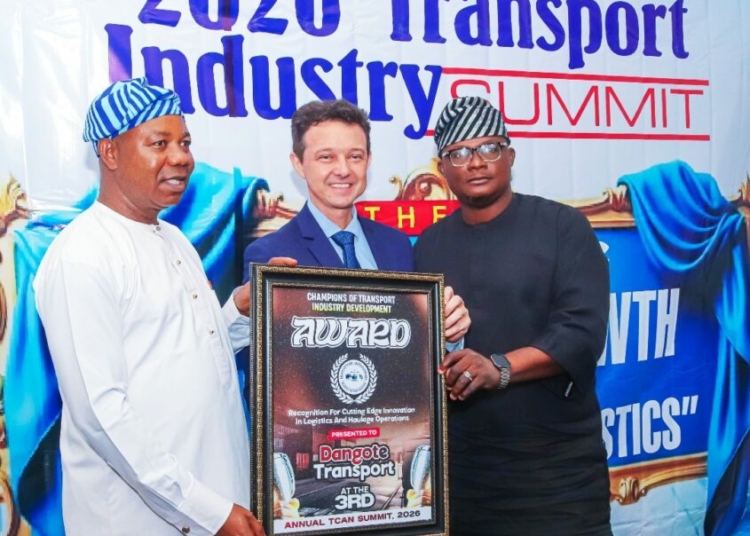
TCAN Honours Dangote Cement Transport for Safety, Logistics Excellence
Dangote Cement Transport has been recognised for its contributions to the development of Nigeria’s transport industry, winning the “Champion of Transport Industry Development Award” presented by the Transport Correspondents Association of Nigeria (TCAN).
The award, presented at the third Transport Summit organised by TCAN in Lagos, recognised the company’s efforts in improving road transport operations, strengthening safety standards and deploying more efficient logistics solutions to support industrial activities across the country.
Receiving the award on behalf of the company’s management, the Head of Dangote Cement Transport, Mr Murilo Silva, said the recognition was a reflection of the commitment of the company’s transport workforce, drivers, safety professionals, engineers and operational partners.
Silva said Dangote Cement viewed transportation as a critical component of industrialisation and economic development, stressing that the efficient movement of goods was essential to sustaining production, trade and national economic activities.
“We are deeply honoured to receive this award from the Transport Correspondents Association of Nigeria. This recognition reflects Dangote Cement Transport’s unwavering commitment to developing a safe, efficient and sustainable transport system that supports economic growth and national development,” he said.
READ ALSO:
- Osogbo Food Bonanza Turns Nightmare as Discount Vendor Vanishes With Customers’ Millions
- Obi’s Debt Storm Deepens as Okonkwo Says: ‘I Was Misled’
- Lagos Club Robbery: Police Arrest Suspect After N5m Bounty
According to him, the company would continue to invest in technology, safety initiatives and operational improvements as part of efforts to raise standards across its transport operations.
“At Dangote Cement, we recognise that transportation is much more than moving goods from one point to another. It is a vital link in the nation’s economic ecosystem,” Silva said.
He added that the company would continue to deploy innovative solutions, strengthen its safety culture and collaborate with relevant stakeholders to improve road transport operations.
Silva dedicated the award to the thousands of drivers, transport professionals, engineers, safety personnel and logistics workers whose daily efforts support the movement of Dangote Cement products across its extensive distribution network.
“This award belongs to our drivers, our safety professionals and every member of our transport team who work tirelessly every day to ensure that our operations are safe, reliable and efficient,” he said.
The recognition underscores Dangote Cement Transport’s investments in fleet management, driver training, road safety programmes and technology-driven logistics solutions aimed at improving operational efficiency and reducing risks associated with road transportation.
The award was presented against the backdrop of growing calls for stronger collaboration between government and private-sector operators to tackle infrastructure and logistics challenges confronting the country’s transport industry.
The TCAN summit also featured discussions on port modernisation, rail integration and technology deployment, with stakeholders emphasising the need for coordinated action to improve freight movement, reduce logistics costs and accelerate innovation across Nigeria’s transport sector.
TCAN Honours Dangote Cement Transport for Safety, Logistics Excellence
-
 metro3 days ago
Ondo Air Tragedy: Soldiers, Families Among 32 Killed In NAF Crash
-

 metro3 days ago
Gunmen Open Fire At Lagos Bus Stop, Kill NURTW Member, Injure Three
-

 metro3 days ago
Ogun Crash: Nine Die As Bus Collides With Truck On Ijebu-Ode-Ore Road
-

 metro2 days ago
Supreme Council For Sharia Secretary-General Nafiu Baba-Ahmed Dies
-

 metro2 days ago
UCH CMD: After Decades Without Muslim, Agunbiade Demands Fair Chance
-
![[UPDATED] 20 NYSC Prospective Corps Members Freed After Seven Days in Captivity](https://newstrends.ng/wp-content/uploads/2026/10/20-NYSC-Prospective-Corps-Members-Freed-After-Seven-Days-in-Captivity-400x240.jpg)
![[UPDATED] 20 NYSC Prospective Corps Members Freed After Seven Days in Captivity](https://newstrends.ng/wp-content/uploads/2026/10/20-NYSC-Prospective-Corps-Members-Freed-After-Seven-Days-in-Captivity-80x80.jpg) metro16 hours ago
metro16 hours ago[UPDATED] 20 NYSC Prospective Corps Members Freed After Seven Days in Captivity
-

 International3 days ago
Kemi Badenoch: I Don’t Want Migrants Turning UK Into Nation Of ‘Little Ghettos’
-
 metro3 days ago
Nigeria Climbs Africa Investment Ladder, Overtakes Four Nations