
News
Reverse electricity tariff increase in seven days or face legal action, SERAP tells Buhari

The Socio-Economic Rights and Accountability Project (SERAP) has slammed a seven-day ultimatum on President Muhammadu Buhari to direct the Minister of Power, Goddy Jedy-Agba, and the Chairman/CEO of the Nigerian Electricity Regulatory Commission (NERC), Prof. James Momoh, to reverse the recent increase in electricity tariff.
SERAP also asked the President to investigate the spending of public funds as ‘investments and bailouts’ by successive governments on electricity distribution companies (DisCos) and generating companies (GenCos) since 2005.
It said the President should cause the prosecution of cases of corruption and mismanagement of funds in such spending.
Following a reported approval by the Nigerian Electricity Regulatory Commission (NERC), electricity tariffs were increased by the DisCos in the country in December 2022.
Several prepaid customers were said to have confirmed the increase. But Minister of Power and NERC have neither confirmed nor denied the increase.
SERAP, in the letter dated January 7, 2023 and signed by its Deputy Director, Kolawole Oluwadare, said, “The increase in electricity tariff would exacerbate the extreme poverty across the country, and undermine the ability of millions of Nigerians to satisfy basic human needs.
The letter read in part, “The increase is unjustified, especially given the unreliable, inefficient and poor quality of electricity in the country. Rather than providing electricity discounts to poor Nigerians, successive governments continue to give bailouts to electricity companies.
“We would be grateful if the recommended measures are taken within seven days of the receipt and/or publication of this letter. If we have not heard from you by then, SERAP shall consider appropriate legal actions to compel your government to comply with our request in the public interest.
“Your government should have used the report by the National Bureau of Statistics (NBS), which shows damning revelations that some 133 million Nigerians are poor as a basis to improve access to regular electricity supply, and extend electricity to remote rural households.
“The latest increase in electricity tariff is coming on the heels of the NBC report which shows that over half of the population of Nigeria are multi-dimensionally poor and cook with dung, wood or charcoal, rather than cleaner energy. High deprivations are also apparent nationally in sanitation, time to healthcare, food insecurity, and housing.
“Access to regular electricity supply would improve the quality of life of the population. Electricity is an essential public service but millions of Nigerians continue to pay the price for corruption in the electricity sector–staying in darkness, but still made to pay crazy electricity bills. Electricity supply remains inadequate and irregular.
“Regular and uninterrupted access to electricity is a fundamental human right. Your government has legal obligations to ensure that the operations of NERC and electricity companies do not impair the effective enjoyment of the right.
“Access to affordable electricity services is a prerequisite for improving the condition of people living in poverty. It is a means to generate other important services that mitigate poverty, bearing in mind that access to electricity facilitates the eradication of poverty.
“The hike in tariff would increase financial burdens for socially and economically vulnerable Nigerians and further marginalize and disproportionately affect them, and exacerbate their vulnerability to discrimination.
“The failure of successive governments and high-ranking government officials to prevent widespread and systematic corruption in the electricity sector and to bring suspected perpetrators to justice is the primary cause of the exploitation of electricity consumers.
“Investigating the spending on investments and bailouts by successive governments in DISCOS and prosecuting anyone suspected of corruption and mismanagement of public funds, and recovering any proceeds of crime would end a culture of impunity in the power sector, and improve access to and affordability of electricity in Nigeria.
“Successive governments have failed to increase power generation and provide Nigerians with regular and uninterrupted electricity supply, with many electricity contracts shrouded in secrecy, and trillions of Naira going down the drain.
“Section 14(2)(b) of the Nigerian Constitution of 1999 [as amended] provides that, ‘the security and welfare of the people shall be the primary purpose of government.
“Under Section 16(1)(a)(b), your government has the obligations to ‘harness the resources of the nation and promote national prosperity and an efficient, a dynamic and self-reliant economy’, and to ‘secure the maximum welfare, freedom and happiness of every citizen.
“Nigeria has also ratified the African Charter on Human and Peoples’ Rights and the International Covenant on Economic, Social and Cultural Rights, which recognize legally enforceable economic and social rights, such as the rights to education, health, safe food and clean water, security, and shelter.
“Your government also has legal obligations to ensure that socially and economically vulnerable Nigerians including the 133 million the NBC documents as poor enjoy non-discriminatory access to basic household services including electricity.
“Under Chapter 2 of the 1999 Constitution of Nigeria dealing with Fundamental Objectives and Directive Principles of State Policy, high-level public officials have a clear obligation to ‘eradicate all corrupt practices and abuse of power. Furthermore, the constitution prohibits the exploitation of Nigeria’s human and natural resources for any reasons other than for the good of the community.
“Articles 5 and 9 of the UN Convention against Corruption also impose legal obligations on your government to ensure proper management of public affairs and public funds, and to promote sound and transparent administration of public affairs.
“The African Commission on Human and Peoples’ Rights has adjudged the failure of the states to provide basic services such as electricity as violating the right to health.”







News
Group Accuses Ogun Govt of Plot to Transfer Public Schools to Political Allies
Group Accuses Ogun Govt of Plot to Transfer Public Schools to Political Allies
A civic group, Rights and Freedom Advocates (RIFA), has accused the Ogun State Government of planning to unlawfully transfer ownership of public schools to private individuals and political associates, describing the alleged move as “unconstitutional” and “a form of stealing by proxy.”
The allegation was contained in a press statement issued by the group’s president, Luqman Soliu, on April 13, 2026, in response to reports that the state government had decided to “return” some public schools to former owners or affiliated organisations.
RIFA, however, dismissed the claim of “returning” schools, insisting that the policy under consideration amounts to the “donation of public schools to cronies of government officials.”
According to the group, such a move would amount to abuse of public trust and a violation of constitutional provisions guiding the management of state assets.
“What Ogun State government plans to do is not return of public schools but donation or stealing by proxy of public schools,” the statement said, adding that the alleged plan is “dubious and fraudulent.”
READ ALSO:
- Trump Claims 158 Iranian Ships Destroyed as US Enforces Naval Blockade in Gulf Region
- Wike Denies ADC Was Blocked From Using Eagle Square for Convention
- Judge Dismisses Trump’s $10bn Defamation Suit Against WSJ Over Epstein Report
The organisation argued that the schools in question have undergone significant public investment over the years and should remain fully under government ownership, warning that any attempt to transfer them outside public control would amount to mismanagement of state resources.
RIFA further contended that some of the schools had previously been acquired by the government from private owners who were compensated at the time of takeover, stressing that reopening ownership claims could set a “dangerous precedent.”
The group also criticised the justification for the alleged plan, suggesting it could be linked to political patronage. It alleged that government officials may be attempting to reward political allies with public assets instead of investing in new educational infrastructure.
It warned that such actions, if carried out, could undermine access to affordable education, particularly for students from low-income families who depend on public schools.
RIFA further referenced past transitions in the state’s education sector, recalling previous administrations that undertook reforms in public schools, and argued that the focus should be on improving infrastructure rather than altering ownership structures.
The group urged the state government to abandon any plan that could be interpreted as privatising or reallocating public educational assets without broad stakeholder consultation.
It also called on civil society organisations, education stakeholders, and the public to closely monitor developments to ensure accountability in the management of public property.
The Ogun State Government has not yet issued an official response to the allegations at the time of filing this report.
Group Accuses Ogun Govt of Plot to Transfer Public Schools to Political Allies
News
Shari’ah Council Denies Viral Prayer Claim, Reiterates Call for INEC Chairman’s Removal
Shari’ah Council Denies Viral Prayer Claim, Reiterates Call for INEC Chairman’s Removal
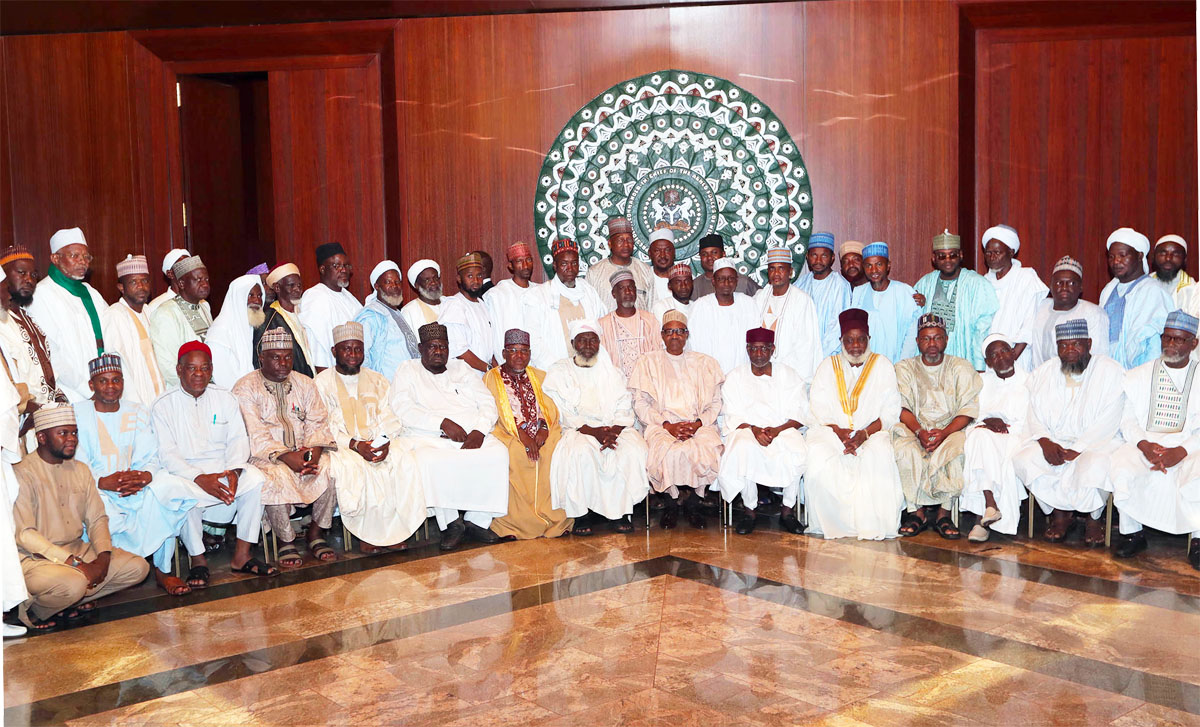
The Supreme Council for Shari’ah in Nigeria (SCSN) has distanced itself from viral social media reports alleging that it directed Muslims to embark on special prayers seeking the removal of the Chairman of the Independent National Electoral Commission (INEC), describing the claims as false, misleading, and politically motivated.
In a statement issued by its Secretary-General, Nafiu Baba Ahmed, the council said the reports circulating online did not originate from the organisation and should be disregarded by the public.
According to the SCSN, at no time did it instruct Muslims to organise prayers targeted at INEC or its leadership, stressing that the content being shared was fabricated with the intent to misinform Nigerians and create unnecessary tension.
“The fabrications are clearly intended to drag the Council into partisan political contestation and undermine national stability,” the statement said.
The council urged members of the public, especially the Muslim community and media organisations, to rely only on verified and official communication channels to avoid the spread of misinformation.
READ ALSO:
- Trump Claims 158 Iranian Ships Destroyed as US Enforces Naval Blockade in Gulf Region
- Wike Denies ADC Was Blocked From Using Eagle Square for Convention
- Judge Dismisses Trump’s $10bn Defamation Suit Against WSJ Over Epstein Report
While firmly denying the prayer directive, the SCSN reaffirmed its earlier position that the INEC chairman should either resign or be relieved of his duties. It said its stance is based on concerns it has consistently raised about leadership conduct and institutional neutrality.
The council alleged that its position is informed by what it described as actions and dispositions that suggest prejudice against Islam and Muslims, referencing concerns it said were contained in a widely circulated legal brief.
It argued that leadership of a sensitive national institution such as INEC must uphold strict neutrality, fairness, and public trust, warning that any perceived bias could undermine national cohesion and electoral credibility.
Reiterating its non-partisan status, the SCSN stressed that it remains committed to promoting justice, equity, and peaceful coexistence across religious and ethnic lines in Nigeria.
The organisation further cautioned against attempts to politicise its activities, insisting it would not be drawn into partisan disputes or used as a tool for political agendas.
“The Council will not allow itself to be drawn into the murky waters of partisan politics,” it added.
The development comes amid rising online misinformation trends in Nigeria, where religious and political statements are frequently misrepresented on social media, prompting calls for greater public caution and responsible information sharing.
The SCSN concluded by reaffirming its commitment to a peaceful and inclusive society where all citizens can practice their faith freely without discrimination or fear.
Shari’ah Council Denies Viral Prayer Claim, Reiterates Call for INEC Chairman’s Removal
News
Relief for Nigerian Doctors as FG Begins CONMESS Arrears Payment
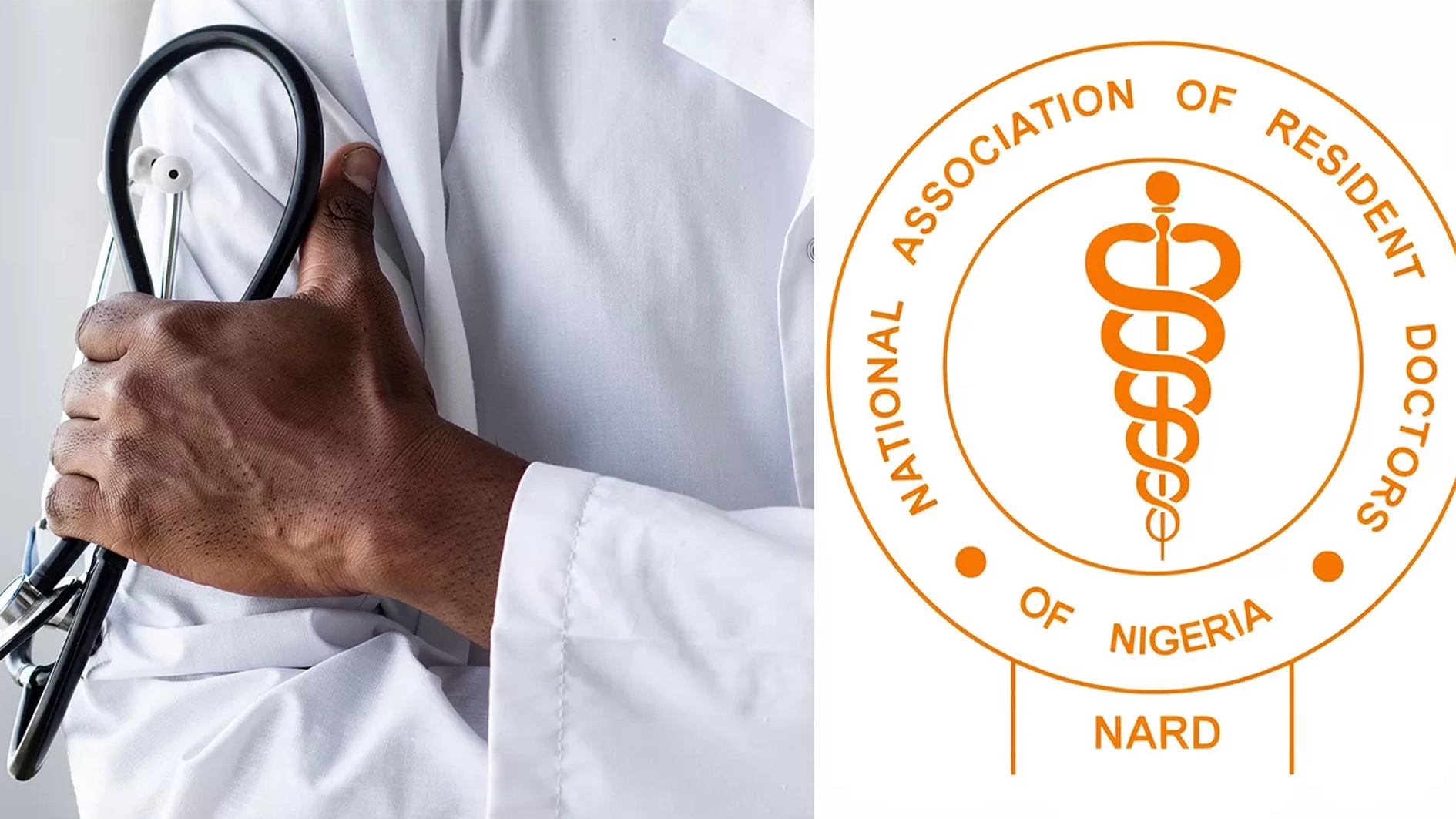
Relief for Nigerian Doctors as FG Begins CONMESS Arrears Payment
The Federal Government has commenced the payment of long-awaited doctors’ salary arrears in Nigeria, offering relief to members of the Nigerian Association of Resident Doctors (NARD) after months of delays tied to the Consolidated Medical Salary Structure (CONMESS) review.
The association confirmed the development in an official communication signed by its Publicity and Social Secretary, Abdulmajid Ibrahim, noting that disbursement is already underway across various institutions.
According to NARD, the salary arrears payment covers between one and six months for affected doctors, with many members already confirming receipt. The association described the development as a significant step toward resolving lingering welfare concerns in Nigeria’s health sector.
“The leadership of NARD is pleased to inform all members that payment of the outstanding 25/35 CONMESS review arrears has commenced,” the statement read, highlighting progress on the implementation of the revised salary structure.
READ ALSO:
- OAU Students Begin 72-Hour Lecture Boycott Over Transport Crisis
- Ghanaian Footballer Dominic Frimpong Shot Dead in Berekum Chelsea Bus Attack
- Man Allegedly Kills Two Sisters, Five-Year-Old Daughter in Ondo
Despite the progress, NARD disclosed that the August component of the arrears is currently experiencing minor administrative delays. The association explained that the issue is being addressed and that payments for that period may take an additional one to two weeks to be completed.
Doctors who are yet to receive their payments have been urged to remain patient, as the Federal Government continues the phased disbursement nationwide.
The CONMESS review, which determines salary scales and allowances for medical and dental practitioners in public hospitals, has long been a source of tension between doctors and the government. Delays in implementing the structure and settling arrears have, in the past, triggered industrial actions by NARD, disrupting healthcare services across the country.
Resident doctors—who form a critical part of Nigeria’s tertiary healthcare system—have repeatedly raised concerns over poor welfare, unpaid salaries, and challenging working conditions. These issues have contributed significantly to the rising brain drain in Nigeria’s health sector, with many professionals relocating abroad in search of better opportunities.
Industry observers note that the loss of medical personnel has worsened Nigeria’s already strained doctor-to-patient ratio, placing additional pressure on healthcare facilities nationwide.
The commencement of the payment of doctors’ arrears is therefore seen as a strategic move by the Federal Government to stabilise the sector, improve morale among healthcare workers, and avert potential industrial unrest.
NARD further advised members who experience any discrepancies after the disbursement process to channel complaints through their respective institutions for prompt resolution.
Reaffirming its commitment, the association commended members for their patience and resilience, assuring them that efforts to improve welfare conditions will continue.
Relief for Nigerian Doctors as FG Begins CONMESS Arrears Payment

-
 metro3 days ago
JUST IN: FG Publishes List of 48 Individuals, Groups Linked to Terrorism Financing in Nigeria
-

 metro2 days ago
BREAKING: Troops Arrest 15-Year-Old Linked to Killing of Gen Braimah in Borno
-
 metro3 days ago
42-Year-Old Married Woman Declared Missing Found in Hotel with Man
-
 Politics3 days ago
2027: Oyo APC Governorship Aspirant Saheed Oladele Resigns From Party
-
 metro3 days ago
ADC Threatens Civil Disobedience To Force INEC Chairman To Resign
-

 metro2 days ago
Fayose Warns Makinde May Query Olubadan Over Absence at Ibadan Coronation Event
-
 metro2 days ago
Zulum Defends NAF Airstrike, Says Jilli Market Closed Five Years Ago
-
 Railway2 days ago
FG pushes high-speed train, expands rail links to seaports