

metro
Russia-Ukraine crisis: FG directs fleeing Nigerians to four Polish borders, over 100 escape war

Amid Russian military’s continued invasion of Ukraine on the orders of Russian President, Vladimir Putin, the Federal Government has directed Nigerians fleeing Ukraine to four Polish borders for their safety.
Some officials at the Nigerian Embassy in Poland, Warsaw, confirmed to Sunday PUNCH that over 100 Nigerians had crossed into the Polish border.
The Chairman/CEO, Nigerians in Diaspora Commission, Abike Dabiri-Erewa, in a viral video on Saturday said out of the eight borders between Poland and Ukraine, four had been recommended for Nigerians to use.
She also advised Nigerians to move in groups so they could account for one another in the journey towards the border. She asked those in Eastern Ukraine to endeavour to move closer to the border, especially Western Ukraine, through train or bus.
She cautioned that moving towards the border could come with its own dangers, but that it was important for affected Nigerians to keep their passports and their student visa as they ply the routes towards the border.
Dabiri-Erewa added, “For Nigerians in Ukraine trying to cross to Poland, there are eight borders between Poland and Ukraine, four borders are recommended; these are the four borders: Hrebenne – Rava Ruska; Korczowa – Krakovets; Medyka – Shehyni; Budomierz – Hurszew.”
She stressed that Nigerian volunteer groups as well as staff of the Nigerian Embassy would be at the borders to help them out. She noted that Nigerians in parts of Ukraine that were not directly affected by the invasion should stay where they were, adding that the commission’s website contained all relevant information, including numbers to call.
READ ALSO:
- Guns boom in Lagos as NDLEA arrests suspected female drug baron
- Confusion As ‘Cultists’ Gun Down Guests At Anambra Funeral, Desecrate Corpse
- Block me if you are angry I shake my bum — Nkechi Blessing
In the advisory she issued, she stated, “Students should make every effort to get to the Ukrainian- Polish border or Ukrainian – Romanian border. It is vital that students move in groups. There is power in number. Groups should ensure that they are safe and accounted for. Students from Eastern Ukraine should make their best effort to reach a city in Western Ukraine. The closer you are to the border, the better.
“When going to the border, your options are via train or bus. Both routes come with risk factors. Trains from Lviv to the Polish border are free. However, there are many people trying this route. Do not be discouraged but try your best to enter the right train. Coaches/buses from Lviv can take you to Poland. You will need to have all your documentation with you. Please continue to stay in groups. Keep your passports and student visa on you at all times.”
Similarly, a public notice by the Embassy of Nigeria in Warsaw, Poland, assured Nigerians that the government had made necessary arrangements with the Polish government in order to ease the admission of Nigerians into Poland.
The Nigerian Ambassador to Poland, Christian Ugwu, stated, “The embassy staff and volunteers are stationed at the Polish – Ukrainian Border with bus and vans to pick up Nigerians from the border points.”
Some embassy officials told one of our correspondents on Saturday evening that the embassy was in the process of moving Nigerians from the borders to the Poland’s capital city.
An official said, “What we are currently working on is to get Nigerians from the crowded borders to safety in Warsaw. Too many people are moving into the country from Ukraine, including Nigerians and other nationalities.”
Another credible source at the Nigerian Embassy in Warsaw said although he could not ascertain the total number of Nigerians that had moved from Ukraine into Poland, estimates showed that there were over 100 of them.
He added, “We cannot ascertain the total number of Nigerians that have entered Poland from Ukraine at the moment, however, from our observation, we could infer that there are hundreds of them scattered across the various borders between Poland and Ukraine.”
Meanwhile, in addition to the efforts made by the Federal Government on the issue, officials of the Nigerians in Diaspora Organisation, Poland, also noted that no fewer than 100 Nigerians have made their way through the Polish borders.
The Chairperson of NIDOP, Dr Tade Omotosho, said the organisation was working closely with the Federal Government to accommodate Nigerians who had successfully crossed the border.
He said in a brief phone interview with one of our correspondents that the government had established an arrangement that had given Nigerians in Ukraine access to Poland.
He added, “As I speak to you I have about 20 (Nigerians) in my house. By my count, there are still 20 that I know but there are still more. It is tense, it is difficult but we are ensuring that every Nigerian seeking solace is being attended to.
READ ALSO:
- Father, Son Shot Dead As Bandits Abduct Many In Fresh Niger Attacks
- Abramovich Gives Up Control Of Chelsea Amid Russian Crisis
- I’m on list for elimination by Russia — Ukraine-based Nigeria Pastor Adelaja + Video
“Nigerians in Poland have been very helpful. The Nigerian government has been helpful, but in my opinion the response was quite late. The passports were stamped at the border; I believe they were granted entry on humanitarian grounds. We are also talking to lawyers to get them legalized (stay) in Poland.”
An official of NIDOP, Frank Okonkwo, also noted that over 100 Nigerians have crossed the border into Poland.
He said, “It is a full-blown war, we are doing our best to help our people who are stranded in Ukraine to be able to exit to Poland, Romania, Sloviakia and Moldova. I particularly advise that they should try other countries instead of Poland because the country’s (Poland) border is saturated at the moment. We have more than 150,000 refugees including Nigerians and other nationalities.
“I could say tentatively over 100 or more have been able to cross (into Poland), but some people are not staying very close to the border. Most of them are struggling to find their way to the border. A lot of them are still in Kyiv and are asking questions about how they will get to the border. It is pertinent that they use their Google map. The bombing is getting too much, else they would stranded in the city.”
He asked the Federal Government to assist the stranded citizens to book a hotel before they can get a connecting flight to Nigeria.
An executive member of NIDOP, who identified himself as Remi, also stressed that fleeing Nigerians would have to make efforts to cross from the Ukrainian side to Poland before NIDOP could pick them up.
He noted that there was no form of racial discrimination from the Ukrainian Immigration as all Africans were allowed to go through.
He added, “They were not focused on ethnicity. We discovered that at 12pm, they started giving priority to women and children which is normal during a crisis of such. Children of 16 years and below are allowed to go through.”
He noted that NIDOP had made arrangement for accommodation and feeding and that those who have crossed to Poland would be sheltered for two days after which they are expected to be on their way to Lagos.
In its response to the crisis, the Ministry of Foreign Affairs on Saturday said Nigerians who were stuck in Ukraine would be evacuated through the embassy in Warsaw, Poland.
It was earlier reported that the Speaker, House of Representatives called on a private airline, Air Peace, to help in evacuating stranded students from Ukraine.
A high-rise apartment block was hit by a missile overnight in Kyiv as fighting raged between Russian attackers and Ukrainian forces, officials said Saturday.
Emergency services said the number of victims was “being specified” and that an evacuation was underway.
The Polish Deputy Interior Minister, Pawel Szefernaker, said 100,000 people have crossed the border into Poland from Ukraine.
However, Ukrainian Health Minister, Viktor Lyashko, said that 198 people, including three children, had died since the Russian invasion into the country on Thursday, February 24, adding that 1,115 people, including 33 children, were wounded.
READ ALSO:
- Bandits Kill 7, Injure Student Travelling For JAMB In Kaduna
- Russia restricts access to Facebook after invasion
- Ukraine fight isn’t proceeding as quickly as Russia expected, U.S. Defense official says
- How Russia forged closer ties with Africa
Fleeing citizens allege racism at bus, train stations
Meanwhile, some of the fleeing Nigerians and their relatives who spoke Sunday PUNCH have alleged racism and passport seizure by Ukrainians also trying to flee.
The Minister of Foreign Affairs, Geoffery Onyeama, had said that while the country was concerned about the safety of the 5,600 Nigerians in Ukraine, rescuing them in the middle of the Russian aggression might be risky. He added that Ukrainian Ambassador to Nigeria, Kirdoda Valerii, assured him that there was no discrimination between Ukrainians and foreigners in the safety measures.
But some fleeing Nigerians in separate interviews with our correspondent on Saturday stated otherwise. One of them, who preferred to be identified as Omotoyinbo, said he found it difficult to enter a bus en route to the border as children, women, Ukrainians and other white people were prioritised.
“It has actually not been easy. Imagine having to struggle with racism during a war. My friends and I were trying to board a bus because the driver of the car we hired at first said he could not get to the borders. The first bus we tried boarding; we were told children and women were being prioritised until we saw white folks entering and we the black folks were left behind.
“Things are getting intense and everyone is trying to escape. This is the moment when humanity should prevail but we can’t even get out of here because of racism. Some Nigerians in Poland have contacted us but we need to get out of here first.”
Another affected person, Blessing Inyang, said, “I am stranded at Lviv train station right now.
Punch










metro
Army arrests wanted soldier over alleged supply of military gear to terrorists
Army arrests wanted soldier over alleged supply of military gear to terrorists
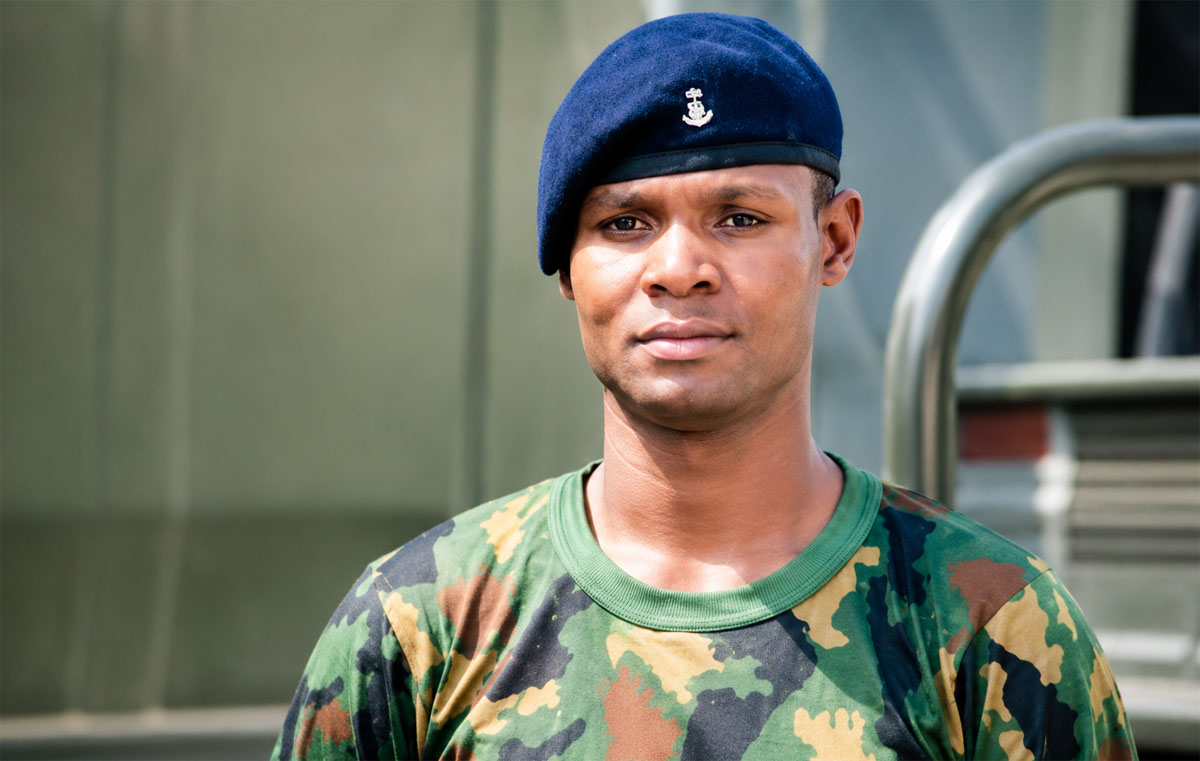
Troops of Operation HADIN KAI have arrested a serving Nigerian Army soldier who had been declared wanted for allegedly supplying military accoutrements and other operational items to terrorist groups operating in Nigeria’s North-East.
The suspect, identified as Private Mohammed Yusuf (service number 23NA/84/1939) of the Nigerian Army Ordnance Training Facility (NAOTF), Lagos, was apprehended on July 25, 2026, during an intelligence-led operation carried out by personnel of the 7 Provost Group in Maiduguri, Borno State.
According to security sources, the operation was the culmination of weeks of surveillance after intelligence reports linked the soldier to the alleged diversion of military equipment to terrorist elements.
Investigators said the suspect allegedly abandoned his duty post before travelling to Maiduguri on July 7, shortly after he was declared wanted by military authorities.
Rather than reporting to his assigned unit, he reportedly went into hiding while allegedly maintaining contact with individuals suspected of supporting terrorist logistics networks in the region.
Preliminary investigations indicate that the soldier was allegedly sheltered at Gomari Costain in Jere Local Government Area of Borno State by another serving soldier, Private Baba Kamal Sale (service number 25NA/89/12687) of the Corps of Intelligence.
Military authorities have launched investigations into the second soldier to determine the extent of his alleged involvement in the case.
READ ALSO:
- BREAKING: Bandits Abduct Kebbi High Court Judge in Midnight Residence Attack
- Why Buhari refused to publicly endorse Tinubu before APC primary – Babachir Lawal
- Oyetola, VP’s aide, Opeifa to drive discussions at 2026 TCAN Transport Summit
Acting on actionable intelligence, operatives of the 7 Provost Group mounted continuous surveillance before intercepting Private Yusuf at Jidari Bus Stop, where he was reportedly attempting to cross into Cameroon.
The suspect was arrested without incident and is currently being held in military custody.
According to security sources, investigators are interrogating the soldier over allegations that he supplied military accoutrements, uniforms and other operational materials to terrorist groups, including the Islamic State West Africa Province (ISWAP) and Boko Haram.
The ongoing investigation is also focused on identifying possible collaborators within and outside the military, uncovering financial transactions linked to the alleged activities and dismantling any logistics networks supporting insurgent operations.
Military officials believe intelligence obtained from the suspect could help expose supply routes used to move military materials to terrorists and reveal individuals facilitating such operations.
The arrest comes as Operation HADIN KAI intensifies coordinated land and air offensives across Borno, Yobe and Adamawa states, targeting terrorist enclaves and disrupting insurgent activities.
In recent months, troops have recorded significant operational successes, including the neutralisation of terrorist commanders, destruction of camps, recovery of arms and ammunition, rescue of kidnapped victims and the surrender of dozens of insurgents and their family members.
Security experts have consistently warned that insider collaboration remains one of the major threats to counter-insurgency operations, noting that the diversion of military equipment can significantly enhance the operational capabilities of terrorist groups.
They say identifying and dismantling insider networks is critical to protecting military personnel, safeguarding operational intelligence and weakening terrorist logistics.
Military authorities reiterated that the Nigerian Army maintains a zero-tolerance policy toward personnel involved in misconduct, corruption or collaboration with criminal and terrorist organisations.
They stressed that any officer or soldier found undermining national security would face disciplinary measures and prosecution in accordance with the Armed Forces Act and other applicable laws.
The Army also appealed to members of the public to continue providing credible and timely information to security agencies, saying community support remains vital to ongoing counter-terrorism efforts across the North-East.
Investigations into the case are continuing as security agencies work to determine the full extent of the alleged network and ensure that all individuals connected to the diversion of military materials are brought to justice.
Army arrests wanted soldier over alleged supply of military gear to terrorists
metro
BREAKING: Bandits Abduct Kebbi High Court Judge in Midnight Residence Attack
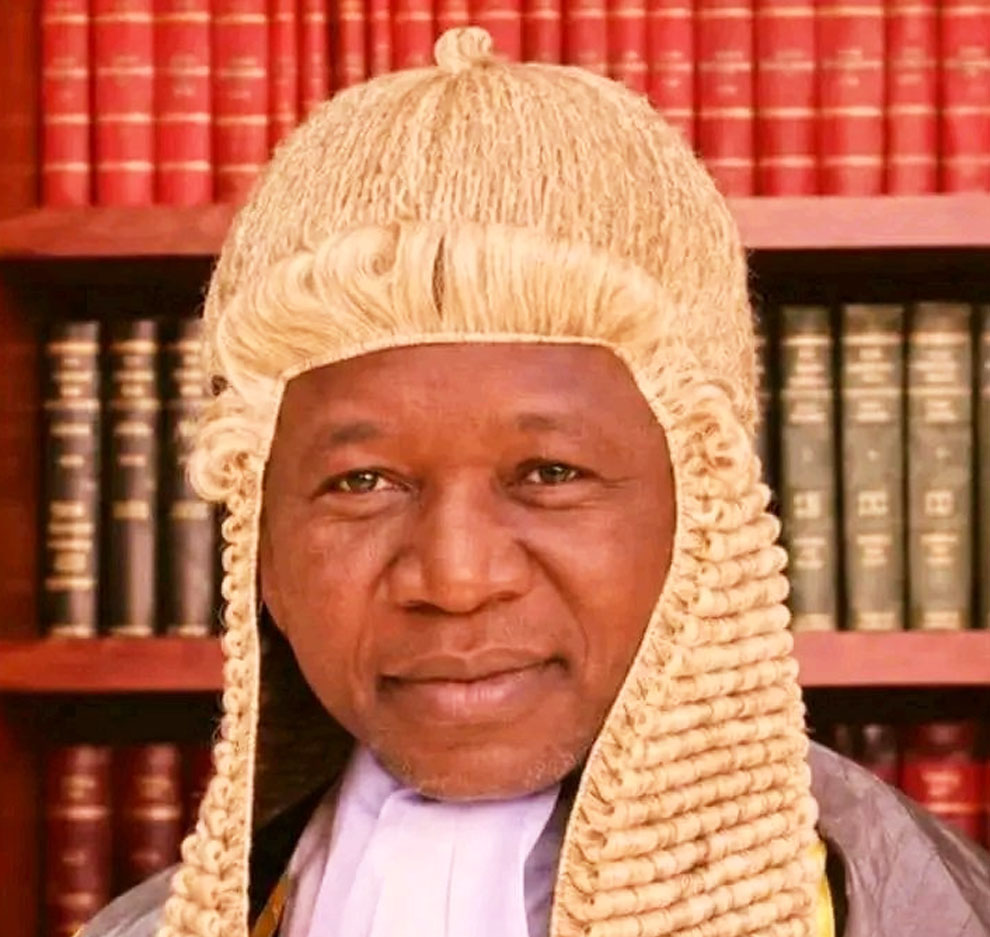
BREAKING: Bandits Abduct Kebbi High Court Judge in Midnight Residence Attack
Birnin Kebbi, Nigeria – In a brazen attack that has sent shockwaves through Nigeria’s judicial community, suspected bandits have abducted a High Court judge from his residence in Bunza Local Government Area of Kebbi State. Justice Faruku Hassan Bunza, a judge of the Kebbi State High Court, was seized from his home along Zogirma Road in the early hours of Sunday, July 26, 2026, shortly after he returned from a trip to Sokoto State. The abduction is the latest in a growing wave of kidnapping of prominent Nigerians in the country’s troubled North-West region.
According to multiple sources familiar with the incident, the armed men stormed the judge’s residence around midnight, firing several gunshots to intimidate residents and security personnel before whisking their victim away to an unknown destination. “He had just returned from Sokoto when the gunmen stormed his residence and took him away,” a source close to the family told Daily Trust. The assailants were reportedly shouting during the operation, which alerted neighbors in the area, but the swift and aggressive nature of the raid prevented any immediate intervention.
In a small relief, no member of the judge’s household sustained physical injuries during the attack. The gunmen focused solely on abducting the judge and made no attempt to harm his family or domestic staff. “Immediately the incident occurred, we reported to the appropriate authorities, including the leadership of the High Court,” the source added.
READ ALSO:
- Why Buhari refused to publicly endorse Tinubu before APC primary – Babachir Lawal
- Oyetola, VP’s aide, Opeifa to drive discussions at 2026 TCAN Transport Summit
- Is Nigeria’s Electricity Tariff Going Up? FG Finally Breaks Silence
Confirming the abduction, the Kebbi State Police Command spokesperson, SP Bashir Usman, said security operatives had launched a full-scale rescue mission. “I can confirm that Hon. Justice Faruku Hassan Bunza was abducted from his residence in Bunza around midnight,” Usman stated. The Police Commissioner, CP Umar Muhammad Hadejia, immediately deployed tactical teams and intelligence personnel to track the abductors, according to the spokesperson. “As we speak, our personnel are combing identified locations, including forest areas, to ensure that the judge is rescued alive and unharmed,” the PPRO said. Security sources indicate that the operation involves collaboration with local vigilantes and military units stationed in the region, as bandits often flee into dense forest corridors spanning Kebbi, Zamfara, and Sokoto states.
A senior official of the Kebbi State High Court, who spoke on condition of anonymity because he was not authorized to comment publicly, described the incident as a painful and disturbing development for the judiciary. “I am not authorized to speak formally, but this is a painful moment for us. To hear that one of our judges was abducted at his residence is very disturbing,” the official said. The official revealed that the management of the High Court had already held emergency meetings with heads of security agencies in Kebbi State to coordinate efforts aimed at securing the judge’s immediate and safe release. “Justice Bunza is a dedicated judicial officer. His abduction is not just an attack on him personally, but an attack on the rule of law and the entire justice system,” the official added.
As of the time of filing this report, no individual or group has claimed responsibility for the kidnapping of Justice Bunza. However, banditry and mass abductions for ransom have become rampant across Nigeria’s North-West and North-Central regions, with judicial officers, politicians, and traditional rulers increasingly becoming targets.
The abduction of Justice Bunza comes amid a troubling rise in kidnapping for ransom in Nigeria. Just days earlier, suspected bandits reportedly abducted the Chairman of Bungudu Local Government Area in neighbouring Zamfara State, Hon. Nura Umar Bungudu, in a late-night raid that left four security personnel dead. In May 2015, Justice Samuel Obayomi of the Kogi State High Court was also kidnapped on his way to work, with his police orderly shot dead during the attack. He was released after 34 days in captivity. The judiciary in Nigeria has repeatedly called for enhanced protection for judicial officers, many of whom carry out their duties in volatile regions without adequate security coverage.
Security analysts believe the bandits may soon make contact with the judge’s family or the authorities to demand a ransom, though police have not confirmed any communication with the abductors. The Kebbi State Government has yet to issue an official statement, but sources say Governor Nasir Idris has been briefed and is monitoring the situation closely. The National Judicial Council (NJC) is also expected to weigh in on the matter, as the abduction of a sitting High Court judge raises serious questions about the safety of judicial officers across the country.
This is a developing story. We will continue to provide updates as more information becomes available on the rescue operation for Justice Faruku Hassan Bunza and the broader security situation in Kebbi State. If you have any information that could assist in the safe rescue of Justice Bunza, please contact the Kebbi State Police Command or the nearest security agency.
BREAKING: Bandits Abduct Kebbi High Court Judge in Midnight Residence Attack
metro
Osun NURTW Crisis: Oyewale Takes Office, Declares Peace as Govt, Police Maintain Stance
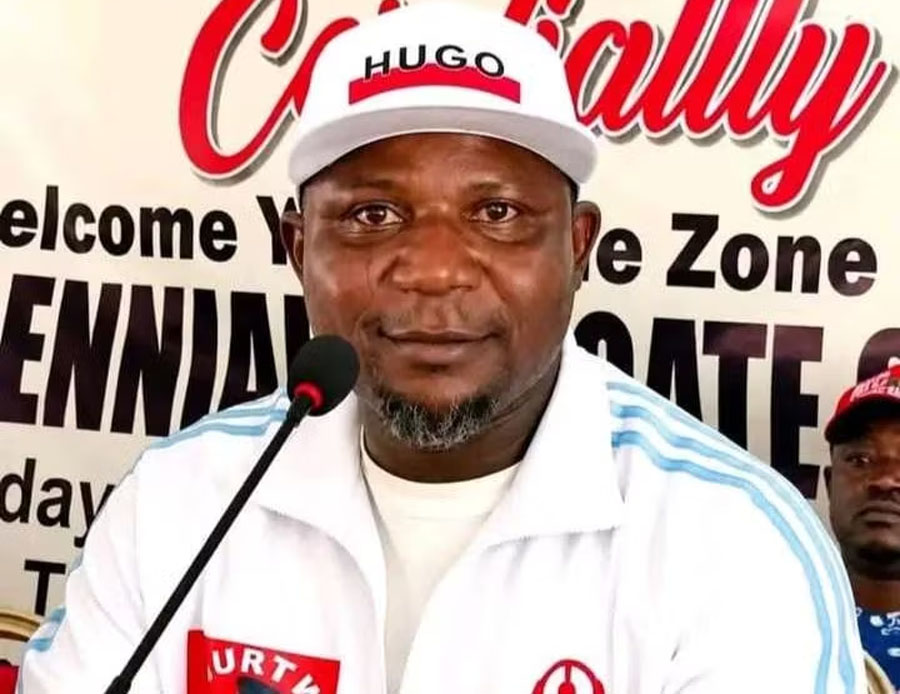
Osun NURTW Crisis: Oyewale Takes Office, Declares Peace as Govt, Police Maintain Stance
The newly inaugurated Caretaker Chairman of the Nigeria Union of Road Transport Workers (NURTW) , Osun State Council, Alhaji Kazeem Oyewale, popularly known as Ashiri Eniba, has officially assumed office and assured residents that peace has returned to motor parks across the state, announcing the resumption of union activities following the resolution of its leadership crisis. The state council had been embroiled in a leadership dispute between the Oyewale faction and the faction led by Nurudeen Wakili, popularly known as Alowonle. The crisis resulted in protests, violence, disruption of commercial activities and the suspension of union operations in motor parks by local government chairmen across the state.
The crisis escalated on July 20, 2026, when members of the Oyewale faction staged a protest in Osogbo, alleging that the dominant faction prevented their vehicles from accessing a motor park. The protest degenerated into violent clashes, with gunshots causing panic among residents, and three security operatives sustained gunshot injuries during the confrontation. The Association of Local Governments of Nigeria (ALGON), comprising chairmen elected on the platform of the All Progressives Congress, subsequently announced the suspension of public transport union activities in motor parks across the state and appointed Oyewale as chairman of the NURTW caretaker committee. He was later inaugurated by the national leadership of the union at its headquarters in Garki, Abuja, despite the Osun State Government‘s opposition to the move.
Speaking after assuming office on Saturday, Oyewale said the newly constituted state executive members were recently invited to Abuja, where they were inaugurated to oversee the affairs of the Osun State Council. He appealed to residents not to associate members of the union with violence, describing commercial drivers as law-abiding citizens committed to their livelihoods. Oyewale also urged the police to conclude investigations into the killings of some union members during the crisis and called on members who had stayed away to return to the union. According to him, leadership changes are normal in every organisation, which is why they were invited to Abuja for their inauguration to officially take charge of the affairs of the Osun State Council. He assured the people of Osun State that commercial drivers are not hoodlums but responsible family men, expressing hope that the police would complete their investigations into the killings recorded during the crisis and ensure justice is served.
READ ALSO:
- Is Nigeria’s Electricity Tariff Going Up? FG Finally Breaks Silence
- ISWAP finance chief surrenders to Nigerian troops with two children in Borno
- Al-Mustapha Fires Back: Ex-DSS Officer’s Account of Abacha’s Death Is a Lie, I Have CCTV Evidence
Oyewale further stated that their doors remain open to every member because they are one family, appealing to those who have stayed away to return to the union. He also urged the Osun State Government to work with them, stressing that they are ready to cooperate with all stakeholders because they are an independent union. He assured residents that peace has returned to motor parks and all issues have been resolved, commending the Nigeria Police Force for its role in restoring peace and encouraging officers to remain committed to maintaining security. He added that commercial activities would fully resume across garages on Monday.
Also speaking, the union’s Interim Secretary and Group 2 Chairman for Ife Federal Constituency, Ayinde Mutiu, said normal activities had resumed across motor parks following the resolution of the leadership dispute. He appealed to members to embrace peace and avoid actions capable of disrupting public order, stressing that the NURTW remains one united family despite the recent challenges.
The national leadership of the NURTW, led by President Musiliu Akinsanya, popularly known as MC Oluomo, has backed the caretaker committee, insisting that no state governor has the legal authority to suspend the union’s activities. Represented by Deputy National President Aliyu Issa Ore, MC Oluomo argued that the NURTW is a statutory body established by law and operates independently of state governments, pointing out that the union had successfully challenged similar actions by state governments in court in the past. Ore explained that the caretaker committee was constituted to provide leadership for the union in Osun ahead of the forthcoming governorship election, citing the union’s Memorandum of Understanding with the Independent National Electoral Commission (INEC) for the transportation of election materials.
However, the Osun State Government has maintained its opposition to Oyewale’s leadership. In a statement, the Commissioner for Information and Public Enlightenment, Oluomo Alimi, clarified that the government only suspended union activities in motor parks pending the restoration of peace and did not dissolve the Alowonle-led executive. The government reaffirmed that Alowonle and his executive remain the only recognised leadership of the union and directed security agencies to remove Oyewale and his supporters from motor parks across the state. The Osun State Government further argued that the move by ALGON to appoint a caretaker committee was illegal and unconstitutional, noting that Governor Ademola Adeleke did not at any point remove the NURTW leadership. The government submitted that the tenure of the Alowonle executive is yet to lapse and that attempting to impose a suspect in violent crimes as state chairman is an affront to the law.
The Osun State Police Command has also confirmed the arrest of a suspect in connection with the July 20 clash, with Commissioner of Police Ibrahim Gotan disclosing that operatives recovered six expended cartridges, four vehicles, four motorcycles, military camouflage and suspected criminal charms from the suspects. Meanwhile, the Osun State APC has criticised Governor Adeleke’s directive suspending NURTW activities, describing the order as unconstitutional and beyond the governor’s powers. The party cited a Court of Appeal judgment involving the Oyo State Government and the NURTW, where the appellate court declared Governor Seyi Makinde’s 2019 suspension of the union’s activities unlawful and unconstitutional.
Osun NURTW Crisis: Oyewale Takes Office, Declares Peace as Govt, Police Maintain Stance
-
 Politics3 days ago
Presidency, Obasanjo attack Atiku over US lobbying, reopen decades-old loyalty dispute
-

 Opinion3 days ago
Osun election: Àtàọ́ja should stop running joro-jara-joro
-

 Business3 days ago
Dollar to Naira Exchange Rate Today: Naira Holds Steady as Fuel Importer Demand Mounts
-
 Entertainment3 days ago
“Don’t Let Me Die”: Veteran Nollywood Actress Ngozi Nwosu Begs for ₦30m Surgery Fund
-
 Politics2 days ago
Atiku denies Obasanjo’s N5m bribery claim, links accusation to 2027 presidential race
-
 metro3 days ago
Trackers, Profiling as FG Unveils Special Guards to Secure Coastal Highway
-
 Education2 days ago
Oluwo Urges Youths to Pair Degrees with Skills, Commends Westland University’s Excellence
-
 metro3 days ago
Igboho Launches Iru Ekun Security Network in Kwara, Vows to Reclaim Forests from Bandits