

metro
Schoolchildren Abductions: Pastor Ibiyeomie Drops Bombshell, Names Sponsors
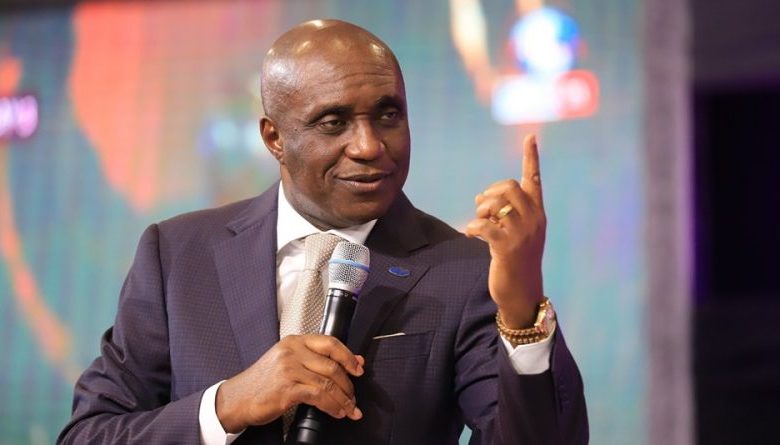
Schoolchildren Abductions: Pastor Ibiyeomie Drops Bombshell, Names Sponsors
The founder of Salvation Ministries, Pastor David Ibiyeomie, has dropped a bombshell allegation that politicians are actively sponsoring the kidnapping of schoolchildren across Nigeria, as the nation grapples with a worsening abduction crisis that has seen over 600 students and teachers taken from their classrooms since 2024.
Speaking during a fiery church service that has since gone viral across social media platforms, the outspoken cleric did not hold back as he tackled the growing insecurity head-on, questioning why security agencies—particularly the Department of State Services (DSS) —have been unable to apprehend those responsible despite possessing advanced tracking technologies. Ibiyeomie made the explosive claim amid a recent wave of abductions involving students and teachers in states such as Sokoto and Oyo, which has sparked nationwide outrage and renewed calls for urgent school safety reforms.
Standing confidently in his signature white attire before his congregation, Ibiyeomie declared that the kidnappers could not possibly be carrying out such large-scale operations without the backing of powerful and influential individuals. He argued that the brazen nature of the abductions—where victims are publicly displayed and ransom demands are widely circulated—points to the involvement of high-profile sponsors who operate with impunity. “They are not just picking these children without sponsors. Politicians must be behind it; they cannot abduct children and publicly display their pictures without support from powerful people,” Ibiyeomie declared to his congregation. The pastor’s comments have since ignited intense debate across Nigeria, with many citizens demanding that security agencies investigate his allegations while others call for concrete evidence to back the claims against political figures.
The clergyman directed sharp criticism at the Department of State Services (DSS) , questioning why the agency has failed to track and arrest the perpetrators despite its technological capabilities and legal mandate. He argued that modern surveillance, phone tracking, and geolocation technologies should make it possible to locate anyone making calls or sending messages in connection with these crimes, yet no arrests have been made. “Do you know that even the DSS can track people and know where they are, so how come they are not tracking these kidnappers?” Ibiyeomie queried during his sermon. The pastor further suggested that the continued success of kidnappers—who operate freely across multiple states—points to the strong possibility of hidden forces actively aiding their operations and shielding them from arrest. “There must be an invisible hand behind it because if you are calling from anywhere, they would know the spot where you are, so how come in Nigeria nobody is ever caught?” he added.
READ ALSO:
- Band A Users to Get Relief as NERC Orders DisCos Compensation Plan
- Omo-Agege Backs Obi’s 2027 Ambition, Defends Tinubu’s Economic Reforms
- Hundreds Flee as Xenophobic Attacks on Foreigners Escalate in South Africa
The pastor’s allegations come against the backdrop of alarming statistics that reveal the true scale of Nigeria’s school abduction crisis under the current administration. According to a media tally compiled from verified reports, no fewer than 603 students and teachers have been kidnapped in seven mass abductions across schools in Nigeria between March 2024 and May 2026 under President Bola Tinubu’s administration. These figures represent only the major incidents and do not account for smaller, unreported abductions in remote communities. The repeated attacks have raised serious questions over the effectiveness of the N145 billion Safe Schools Initiative, a fund introduced after the 2014 Chibok schoolgirls’ abduction to protect educational institutions across the country. Stakeholders have repeatedly blamed weak implementation, lack of basic infrastructure such as perimeter fencing and guard posts, poor security presence in rural schools, and insufficient coordination between federal and state governments for the continued vulnerability of Nigerian schools.
On March 7, 2024, armed men on motorcycles attacked LEA Primary and Secondary School in Kuriga, Kaduna State, abducting 137 schoolchildren in one of the largest mass abductions of the year. Just two days later, on March 9, 2024, gunmen stormed a Tsangaya (Islamic) school in Gidan Bakuso, Sokoto State, abducting 15 students in a raid that highlighted the vulnerability of non-formal education institutions. In November 2025, a deeply troubling incident saw 25 schoolgirls abducted from Maga Comprehensive Girls’ Secondary School in Kebbi State, raising fresh fears about the safety of female students in northern Nigeria. Later in 2025, a staggering 303 students and 12 teachers were abducted from St. Mary’s Catholic School in Papiri, Niger State, marking one of the largest single abductions in recent memory. On May 15, 2026, armed men attacked three schools in Oriire Local Government Area of Oyo State, abducting 39 students and seven teachers. Two teachers—Michael Oyedokun, who reportedly died while in captivity, and Adesiyan Adegboye, who lost his life during the attack—were killed, along with one pupil. Just two days after the Oyo attack, on May 17, 2026, 42 students were abducted after suspected Boko Haram fighters invaded a school in Mussa, Askira-Uba Local Government Area of Borno State, underscoring the persistent threat of Islamist insurgent groups targeting educational institutions.
Switching from political criticism to spiritual warfare, the fiery cleric turned to the Bible to declare divine judgment on all those involved in the criminal enterprise of kidnapping schoolchildren. Quoting Ezekiel 35:6, Ibiyeomie prayed passionately over his congregation: “Everyone sponsoring this evil in Nigeria, let them and their children die by blood,” warning that the sword of judgment would never depart from the wicked. His imprecatory prayer has since sparked heated debate online, with some applauding his boldness while others question the appropriateness of praying for death upon alleged perpetrators. This is not the first time the Salvation Ministries founder has made such dramatic declarations against kidnappers. In a November 2025 video shared on his official Facebook page, Ibiyeomie declared that any kidnapper who abducts a member of his church would die within seven days. “Any kidnapper who dared you before will die in seven days. Anyone that dares any member of Salvation Ministry or any of our loved ones, by Sunday this week, I pronounce them dead,” he had said in the viral video that attracted millions of views.
READ ALSO:
- Third Toxic Odour Incident Hits Ijebu-Ode in 3 Months as Ogun Traces Source to Methane Leak
- Four NYSC Members, Soldier, Passenger Killed in Adamawa Road Crash
- Major Blow to ISWAP as Troops Neutralise Over 50 Terrorists in North-East
Meanwhile, members of the Oyo State House of Assembly have firmly rejected calls for the state government to negotiate with kidnappers over the rescue of pupils and teachers abducted in Ogbomoso on May 15. The lawmakers insisted that the focus must remain on intensified rescue operations, intelligence-led security action, and sustained pressure on the abductors until all victims are freed unharmed. Speaking during plenary, the Speaker of the Assembly, Adebo Ogundoyin, warned that negotiating with kidnappers would set a dangerous precedent that could encourage further attacks and strengthen criminal networks across the state and beyond. “We cannot reward criminality with negotiation. That will only embolden them to strike again,” Ogundoyin was quoted as saying.
The abduction crisis has sparked nationwide protests coordinated by the Nigeria Union of Teachers (NUT) across the Federal Capital Territory and multiple states including Edo, Rivers, Cross River, Benue, Adamawa, Taraba, Anambra, Akwa Ibom, Abia, Osun, Lagos, Niger, and several others. Teachers wearing red armbands have taken to the streets in major cities, demanding immediate government action to secure the release of abducted colleagues and students and to implement lasting safety measures in all schools. In the National Assembly, the Senate resumed plenary after the Sallah recess and observed a one-minute silence in honour of the victims of school abductions. Senate President Godswill Akpabio described the Oyo incident as an attack on Nigeria’s collective humanity, stating: “We resume our work under the mournful shadow of a tragedy that has shaken our nation. The abduction of schoolchildren and teachers in Oyo State is not merely an attack on innocent citizens; it is an assault on our collective humanity.” In the House of Representatives, lawmakers called on the Federal Government and security agencies to immediately secure the release of abducted schoolchildren across the country. They also demanded the urgent implementation of a comprehensive national Safe Schools Security Framework to protect educational institutions nationwide, with specific timelines and accountability measures.
At the time of filing this report, the Department of State Services (DSS) had not issued any official response to Pastor Ibiyeomie’s allegations regarding political sponsorship of school abductions or his questioning of the agency’s tracking capabilities. The agency has historically maintained a policy of not commenting on operational matters or public accusations. However, civil society organizations and concerned citizens have continued to demand transparency and accountability from security agencies as the wave of abductions shows no sign of abating. As Nigeria continues to grapple with this deepening crisis, all eyes remain on security agencies to track down the perpetrators, rescue the remaining captives, and bring an end to the nightmare that has seen hundreds of innocent children torn from their classrooms and held in captivity for weeks and months.
Schoolchildren Abductions: Pastor Ibiyeomie Drops Bombshell, Names Sponsors







metro
MURIC petitions Oyo police over 2019 murder of Muslim cleric in Fiditi

MURIC petitions Oyo police over 2019 murder of Muslim cleric in Fiditi
The Muslim Rights Concern (MURIC), Oyo State Chapter, has petitioned the state Commissioner of Police, demanding a thorough investigation into the alleged murder of Pa Biliaminu Taiwo in Fiditi, Afijio Local Government Area of Oyo State, in November 2019.
The organisation also called for appropriate legal action against Ojo Akinlabi, following his reported arrest in connection with the killing.
In a press release dated October 23, 2026, MURIC said the petition was submitted to the Commissioner of Police on October 22 and acknowledged by the commissioner and the Deputy Commissioner of Police in charge of the State Criminal Investigation Department (SCID), Iyaganku, Ibadan.
According to the organisation, Pa Taiwo was allegedly hacked to death inside a mosque in Fiditi in November 2019.
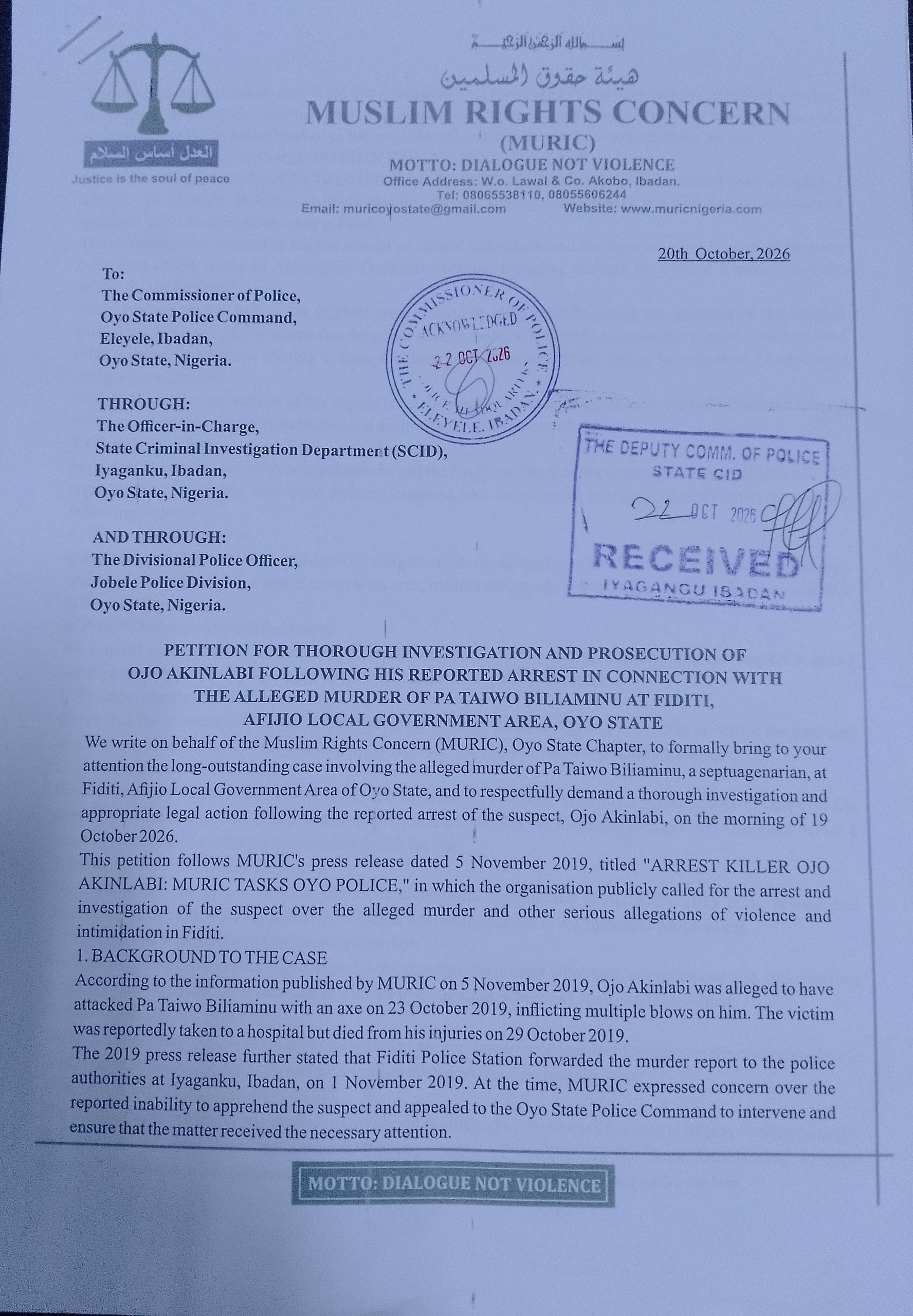
MURIC urged the police to conduct a comprehensive investigation into the case and ensure that anyone found culpable was prosecuted in accordance with the law.
The group also called on the authorities to ensure that the case was handled in a manner that would prevent justice from being frustrated.
“Murder is not a bailable offence,” the organisation said, urging the police to ensure that the suspect was brought before a court of competent jurisdiction and that any decision concerning his custody or release complied with the law.
MURIC further alleged that Akinlabi had a history of violent attacks, including incidents involving the use of knives allegedly coated with poison. However, the organisation did not provide supporting details of the alleged incidents in the statement.
The group described the allegations as a matter of concern and called for appropriate action by the relevant authorities.
Reaffirming its commitment to the protection of human rights and the rule of law, MURIC said allegations of criminal conduct should receive the attention of law enforcement agencies and be subjected to due process.
The statement was signed by Mallam Ibrahim Agunbiade, Secretary of MURIC in Oyo State.
The organisation concluded its appeal with the declaration: “Justice delayed must not become justice denied.”
As of the time of the statement, MURIC had not provided further details about the circumstances surrounding the reported arrest or the current status of the police investigation. The allegations against Akinlabi have not been independently verified, and any determination of criminal responsibility remains a matter for the courts.
MURIC petitions Oyo police over 2019 murder of Muslim cleric in Fiditi
metro
Police Arrest Man Over Fake Presidency Number Plate in Abuja
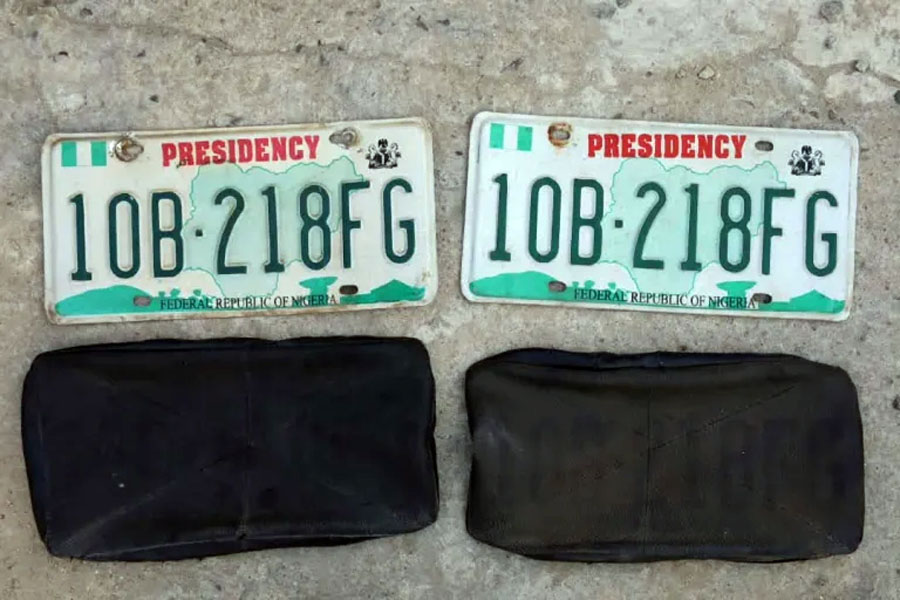
ABUJA — The Federal Capital Territory (FCT) Police Command has arrested a man accused of impersonating a permanent secretary in the Office of the Secretary to the Government of the Federation (SGF) after he was allegedly caught using a forged number plate bearing the inscription “PRESIDENCY”.
The suspect was arrested on October 20, 2026, after police operatives intercepted a Lexus LX570 sports utility vehicle (SUV) in Maitama District, Abuja, at about 8pm.
According to the police, the concealed number plate carried the registration number 10B218 FG.
The command’s spokesperson, SP Josephine Adeh, disclosed that preliminary investigations revealed that the documents presented to support the registration were allegedly forged.
READ ALSO:
- Shettima Blasts States Over Power Woes, Says Govs Must Stop Waiting for Abuja
- Fourth Gas Leak in Six Months: Over 100 Ogun Pupils Hospitalised, Schools Shut as Parents Panic
- Nigerian Journalist Sentenced to 4 Years Over Facebook Post Criticising Police
Adeh said the suspect had claimed to be the legitimate holder of the number plate, prompting further investigations that reportedly uncovered the alleged fraud and impersonation.
“The vehicle and its occupant were promptly arrested for investigation and subsequent prosecution,” the police said.
The command added that investigations were ongoing and that the suspect would be charged to court upon their conclusion.
The police urged residents to remain law-abiding, cooperate with security operatives and report suspicious activities to the nearest police station.
The arrest comes amid concerns over the unauthorised use of official government and diplomatic number plates in the FCT. Police authorities have previously raised concerns that such plates could be used by unauthorised individuals to evade scrutiny or facilitate criminal activities.
The suspect’s identity has not been publicly disclosed, and the allegations remain subject to the outcome of the police investigation and any subsequent court proceedings.
Police Arrest Man Over Fake Presidency Number Plate in Abuja
metro
Woman Arrested for Torching Ex-Boyfriend’s Home in Fit of Jealous Rage
Woman Arrested for Torching Ex-Boyfriend’s Home in Fit of Jealous Rage
Accra, Ghana — A routine breakup escalated into a catastrophic act of arson this week, leaving a young man homeless and his former girlfriend in police custody. The Ghana Police Service has arrested a young woman accused of deliberately setting her boyfriend’s rented apartment on fire after he ended their relationship. The shocking trigger for the split? The woman had answered a phone call on his mobile device without his permission.
According to preliminary police investigations, the couple became embroiled in a volatile and heated argument over the breach of privacy. The confrontation spiraled rapidly out of control when the boyfriend, reportedly furious that she had answered his phone, decided to end the relationship on the spot. Rather than accepting the breakup, the woman’s anger reportedly boiled over into a dangerous and premeditated rage.
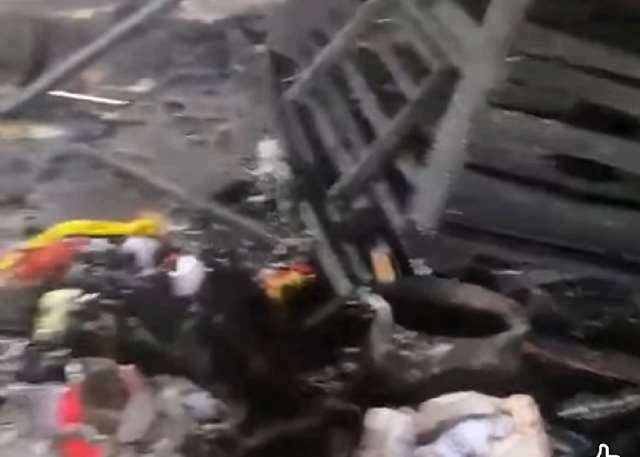
In the aftermath of the breakup, authorities allege that the woman intentionally ignited a fire inside the man’s rented home in an act of vengeance. Eyewitnesses described a scene of sheer chaos as flames rapidly consumed the residence, forcing neighbors to flee and local fire services to be summoned to battle the inferno. Dramatic images from the scene reveal a landscape of utter devastation, with the apartment reduced to a pile of charred debris and twisted metal. While no casualties have been reported, the property damage is extensive, and the young man has effectively lost his home and belongings.
The Ghana Police Service acted swiftly following the incident, apprehending the young woman who is now in police custody facing potential charges of arson and destruction of property. Local neighbors have expressed profound shock at the severity of the attack, with one bewildered resident telling reporters, “It is just a phone call. To burn down a whole apartment because you were broken up with? It is a very sad day for us here.” The suspect is expected to be arraigned in court in the coming days as the police finalize their case, serving as a chilling reminder of the dangerous consequences of unchecked anger.
Woman Arrested for Torching Ex-Boyfriend’s Home in Fit of Jealous Rage
-
 metro3 days ago
Atiku: US Lobbying Firm Raises Alarm Over Alleged Assassination Plot
-

 metro3 days ago
‘We Don’t Know What Else to Do’ — Mother Begs for Release of Abducted Children
-

 metro2 days ago
Five Arraigned Over Kidnapping of 20 Prospective NYSC Members in Imo
-

 Auto3 days ago
Beyond the Showroom: Why After-Sales Service Will Define Auto Industry Winners
-

 Auto2 days ago
Hyundai Unveils Mufasa, Grand Creta SUVs to Strengthen Nigeria Line-up (Updated)
-

 Auto2 days ago
Happening now: Hyundai unveiling of Mufasa and Grand Creta
-

 Education2 days ago
NELFUND Warns Schools: Student Loans Are Voluntary, Not Compulsory
-

 Auto2 days ago
No 5% Petrol Tax Plan, Oyedele Says, Amid Public Concerns