

metro
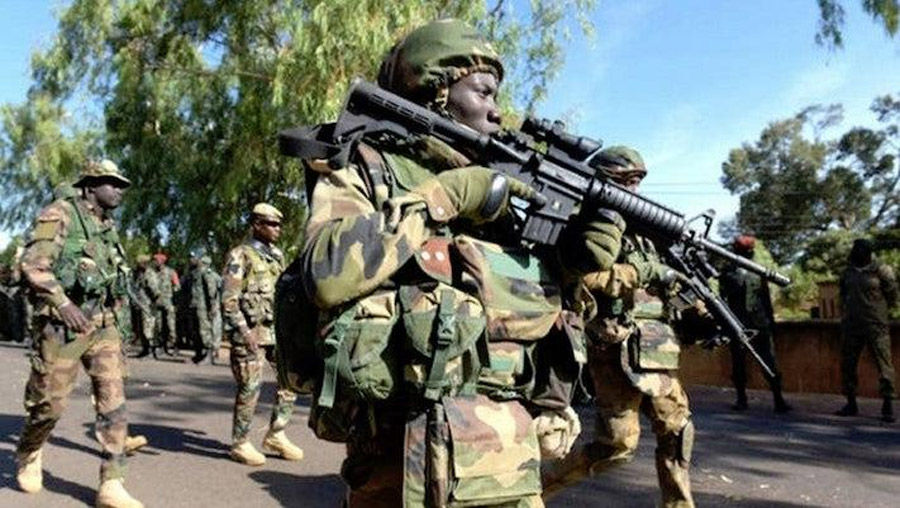
Security Forces Kill 24 Bandits, Foil Mass Abduction Plot in Katsina Community





metro
Former NADECO Leader Ralph Obioha Dies At 80
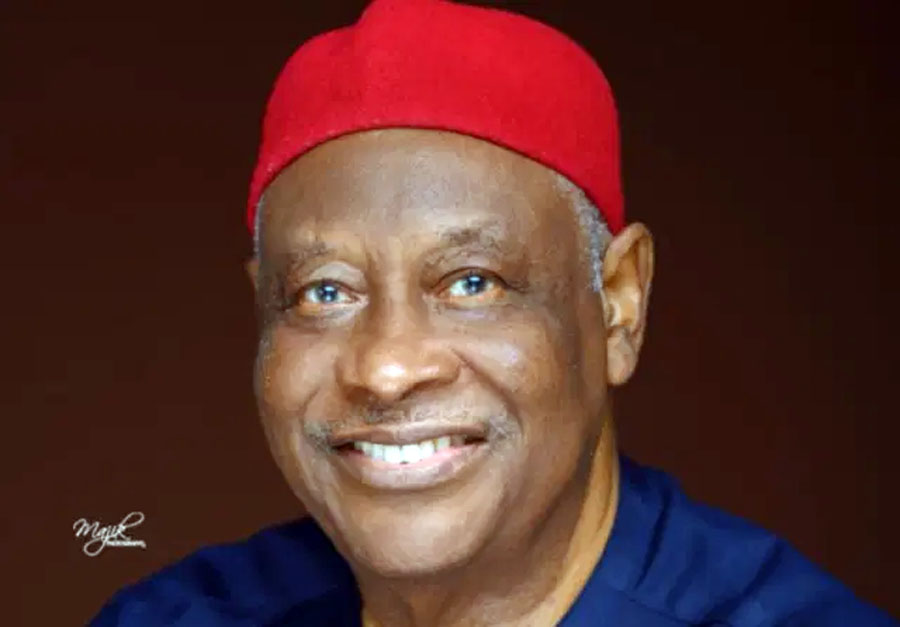
Former NADECO Leader Ralph Obioha Dies At 80
Chief Ralph Obioha, a prominent pro-democracy activist, businessman, politician and former chieftain of the National Democratic Coalition (NADECO), has died at the age of 80.
Obioha died on Saturday, October 3, 2026, his family announced in a statement signed by his son, Chima Obioha, in Enugu.
The family did not disclose the cause of death but described the late elder statesman as a beloved father, husband, brother, grandfather and friend whose life was marked by service, generosity and commitment to Nigeria.
Obioha was one of the prominent figures in Nigeria’s June 12 pro-democracy struggle following the annulment of the 1993 presidential election won by the late Chief Moshood Abiola.
As a leading member of NADECO, he was involved in efforts to restore the June 12 mandate and end military rule. During the turbulent years of the 1990s, he operated from Canada and the United States as part of the external pro-democracy movement.
Beyond his activism, Obioha served as a member of the House of Representatives during the Second Republic, between 1979 and 1983.
He later founded the Justice Party, which fielded Reverend Chris Okotie as its presidential candidate in the 2003 election. He was also involved in the leadership of Ohanaeze Ndigbo and served as chairman of its caretaker committee.
Obioha, who was the traditional ruler known as Okpuruisizuruoha II of Arondizuogu, was also active in Nigeria’s business and socio-economic sectors.
READ ALSO:
- Imo NYSC Abduction: CUPP Faults Security Strategy, INC Seeks Vigilantes’ Role In Rescue
- Three Dead, Eight Injured As Gunmen Strike Plateau Communities
- Kemi Badenoch: I Don’t Want Migrants Turning UK Into Nation Of ‘Little Ghettos’
In June 2026, President Bola Ahmed Tinubu included Obioha among Nigerians selected for national honours in recognition of their roles in the struggle for democracy and the actualisation of the June 12 mandate.
However, Obioha subsequently declined the honour, citing concerns over the continued detention of Nnamdi Kanu and the security situation in the country.
In January 2026, Obioha also spoke publicly about the controversy surrounding the 1966 military coup, rejecting the description of the event as an “Igbo coup.”
The Obioha family said the late elder statesman’s life was defined by his belief in Nigeria’s potential and his commitment to service, leadership and nation-building.
“His passing has left an immeasurable void in our family, but we find comfort in the fullness of his life, the people he touched, and the legacy of service he leaves behind,” the family said.
The family thanked Nigerians for their condolences and prayers and requested privacy as it mourns the former NADECO leader.
Details of his funeral and memorial arrangements are expected to be announced later.
Former NADECO Leader Ralph Obioha Dies At 80

metro
Imo NYSC Abduction: CUPP Faults Security Strategy, INC Seeks Vigilantes’ Role In Rescue

Imo NYSC Abduction: CUPP Faults Security Strategy, INC Seeks Vigilantes’ Role In Rescue
The Coalition of United Political Parties (CUPP) has criticised Nigeria’s security strategy following the abduction of prospective National Youth Service Corps (NYSC) members in Imo State, while the Igbo National Council (INC) has called for the involvement of credible community vigilantes in the ongoing rescue operation.
The prospective corps members were abducted along the Owerri–Onitsha Road near Umunoha in Mbaitoli Local Government Area on October 1 while travelling from Ibadan to orientation camps in the South-East and South-South.
CUPP described the incident as a serious failure of the country’s security architecture and demanded the immediate and safe rescue of those still in captivity.
The coalition said the attack raised questions about intelligence gathering, highway surveillance, security patrols and rapid response, particularly because the victims were travelling along a major highway.
CUPP spokesperson Agu Diamond Bryan said the victims were graduates travelling to fulfil a national obligation and should not have been exposed to such danger.
The coalition called on the Inspector-General of Police and other security chiefs to take direct operational responsibility for the rescue operation, while urging the Police, Army, Air Force, Department of State Services and Defence Intelligence Agency to deploy their intelligence and operational capabilities.
READ ALSO:
- Three Dead, Eight Injured As Gunmen Strike Plateau Communities
- Kemi Badenoch: I Don’t Want Migrants Turning UK Into Nation Of ‘Little Ghettos’
- Trump Approves Firing Squad Execution For Fort Hood Shooter Nidal Hasan
It also demanded regular and credible updates for the victims’ families, an investigation into how the abduction occurred, and the arrest and prosecution of those responsible.
The development comes as security agencies continue efforts to locate the abducted prospective corps members.
Imo State Commissioner of Police Audu Bosso said security operatives had used drone surveillance to identify the location of the suspected kidnappers’ camp in the forest.
However, the police have not moved directly into the camp because intelligence indicates that the area has been mined with improvised explosive devices (IEDs).
Bosso said security agencies were preparing to use heavy equipment, including bulldozers and armoured personnel carriers, to support the operation and minimise the risk to both the security personnel and the victims.
The Deputy Inspector-General of Police in charge of Operations, Shehu Umar Nadada, was deployed to Imo State to coordinate the rescue operation after Inspector-General of Police Olatunji Disu ordered additional operational assets and tactical teams into the state.
The police have maintained that their priority is to secure the victims’ safe release.
However, there have been conflicting accounts concerning the number of people abducted and the status of some of those reportedly rescued.
CUPP said 10 victims had reportedly been rescued while 20 prospective corps members remained in captivity. Earlier police accounts had also referred to the rescue of 10 people, while reports from families and other sources have disputed aspects of the account.
The conflicting figures have made it difficult to establish publicly the exact number of people still being held.
Adding its voice to calls for an immediate rescue, the Igbo National Council (INC) urged security agencies to incorporate properly vetted community vigilantes with detailed knowledge of the surrounding forests, roads, settlements and difficult terrain.
INC President Chilos Godsent said conventional security forces could benefit from local intelligence provided by community-based security personnel, particularly in areas where unfamiliar terrain could slow down rescue operations.
The group stressed that any involvement of vigilantes should be properly coordinated under the command of conventional security agencies to ensure discipline, accountability and operational safety.
INC also called for the involvement of traditional rulers, community leaders and other credible local structures in gathering information that could assist the rescue effort.
The group urged residents with useful information about the kidnappers or their movements to pass it promptly to the security authorities.
The abduction has also generated concern among families of the affected graduates, some of whom have reportedly received ransom demands from the kidnappers.
One reported demand initially put the ransom at N50 million per victim, although subsequent reports indicated that the kidnappers had reduced the demand.
Authorities have not publicly confirmed the ransom figures or indicated whether any payment has been made.
The incident has renewed concerns over the safety of prospective NYSC members travelling to orientation camps, particularly those making long-distance journeys through areas considered vulnerable to kidnapping.
For now, security agencies are continuing their search operation, with the location of the suspected camp reportedly known but access complicated by the reported presence of explosives.
The immediate priority remains the safe rescue of all those still in captivity, while authorities face growing pressure to explain how the abduction occurred and strengthen security along the Owerri–Onitsha corridor.
Imo NYSC Abduction: CUPP Faults Security Strategy, INC Seeks Vigilantes’ Role In Rescue
metro
Three Dead, Eight Injured As Gunmen Strike Plateau Communities

Three Dead, Eight Injured As Gunmen Strike Plateau Communities
At least three people have been killed and eight others injured in fresh attacks in Plateau State, with gunmen separately targeting local vigilantes and traders in Bokkos and Jos South Local Government Areas.
The attacks occurred on Sunday as renewed violence heightened security concerns in parts of the state.
In the first incident, two members of a local neighbourhood watch group were killed when gunmen attacked their duty post at Angwan Tsarki in Mangor, Bokkos Local Government Area, at about 11pm.
Three other vigilantes sustained gunshot injuries in the attack.
Residents said the gunmen opened fire on the vigilantes while they were on duty before fleeing the area.
Security sources said troops responding to the incident found two bodies at the scene and evacuated the injured victims to a hospital in Bokkos. A manhunt for the attackers has since been launched.
The second attack occurred later on Sunday along the Bukuru Expressway in Jos South, where gunmen opened fire on a vehicle carrying traders returning from the Kara Livestock Market in Bukuru.
The attack was initially reported to have left one person dead and seven injured. The Plateau State Police Command confirmed the shooting and said the injured victims were receiving treatment at the Military Clinic in Rukuba Barracks.
READ ALSO:
- Kemi Badenoch: I Don’t Want Migrants Turning UK Into Nation Of ‘Little Ghettos’
- Trump Approves Firing Squad Execution For Fort Hood Shooter Nidal Hasan
- Nigeria Climbs Africa Investment Ladder, Overtakes Four Nations
However, subsequent reports put the toll from the attack at two dead and eight injured, with the victims identified as traders returning from the market.
The Plateau State Government condemned the attack and ordered security agencies to intensify efforts to identify and apprehend those responsible.
Police Commissioner Ayodeji Faniyan also directed the command’s Department of Investigations to take full charge of the probe into the Bukuru shooting.
The police said tactical and anti-robbery teams had been deployed to strengthen security around the area, while intelligence gathering had been intensified.
The latest Plateau attacks come amid continuing concerns over armed attacks in several communities across the state.
Security agencies have repeatedly called on residents to remain vigilant and provide information on suspicious movements as efforts continue to prevent further attacks.
The authorities have yet to establish whether the two incidents were connected or identify the perpetrators.
The investigations and manhunt for those responsible are ongoing.
Three Dead, Eight Injured As Gunmen Strike Plateau Communities
-

 metro3 days ago
NYSC Kidnap: Abductors Demand N950m for 19 Prospective Corps Members in Imo
-
 metro3 days ago
Amaechi: Tinubu’s Policies Made My Mother’s Drugs Unaffordable
-
 metro3 days ago
Tension as Kidnappers Threaten to Kill Abducted Oyo Corps Members
-
 metro2 days ago
‘I Thought I Was Dead’ — Hairstylist’s Daring Escape From Kidnappers After Benin-Ore Ambush
-

 metro3 days ago
N500 Petrol, Wage Award: Public Sector Workers Begin Warning Strike
-

 metro20 hours ago
Tragedy Strikes FMC: Medical Director Loses Two Daughters—A Doctor and a Pharmacist—Within 48 Hours
-

 Politics3 days ago
Wike to Amaechi: What Did You Bring to Rivers After 24 Years in Power?
-

 International3 days ago
Nigerian-Born Ex-Professor Jailed 78 Months Over $1.3m US Student Aid Fraud