

News
Senate Rejection of Electronic Transmission of Election Results: Implications for 2027 Elections

Senate Rejection of Electronic Transmission of Election Results: Implications for 2027 Elections
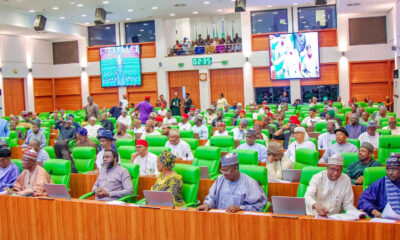
The Nigerian Senate has rejected the inclusion of real-time electronic transmission of election results in the ongoing electoral bill, citing technical, security, and operational concerns as the primary reasons for the decision.
Lawmakers who opposed the measure argued that Nigeria’s current infrastructure may not reliably support nationwide electronic transmission, warning that system failures could lead to delays, inconsistencies, or disputes during the collation of votes.
Senators also raised cybersecurity concerns, emphasizing the risk that electronic systems could be hacked or manipulated, potentially undermining the integrity of election results if adopted without robust safeguards.
Other objections focused on the financial implications of deploying electronic transmission nationwide. Some lawmakers highlighted that the cost of installing, maintaining, and monitoring the systems could place significant strain on the national budget, particularly given ongoing security and social priorities.
READ ALSO:
- Former Governor Suswam Joins APC, Collects Membership Card
- Nigeria’s GDP Could Hit $334 Billion, Says IMF, Thanks to Reforms
- UK Contractor Testifies on Diezani’s Lavish Real Estate, Unpaid Invoices
Additionally, some senators expressed skepticism about training electoral staff and voters to use electronic systems effectively, arguing that manual collation methods provide a safer and more familiar approach for ensuring transparency, especially in rural areas with limited technological access.
While proponents of electronic transmission, including the Independent National Electoral Commission (INEC) and opposition parties like the Peoples Democratic Party (PDP), argue that digital tools would enhance accuracy, speed, and transparency, the Senate’s vote reflects a cautious approach toward adopting technology in elections.
“We must ensure that any system used to transmit results is foolproof and cannot be compromised,” a senator who supported the rejection said. “It is better to strengthen the existing procedures than risk introducing a technology that could fail at the worst moment.”
Civil society organisations have criticized the Senate’s decision, warning that sticking with manual collation may leave elections vulnerable to delays, manipulation, and public distrust, but the lawmakers insist that security, reliability, and feasibility must come first.
The rejection of electronic result transmission has renewed discussions about the balance between technological innovation and practical implementation, particularly as Nigeria prepares for the 2027 general elections.
The Senate has not ruled out revisiting the amendment in the future, pending further studies, pilot programs, and assurances of system security from INEC and technical experts.
Senate Rejection of Electronic Transmission of Election Results: Implications for 2027 Elections







News
FG Targets 95% NIN Coverage by December 2026

FG Targets 95% NIN Coverage by December 2026
The Federal Government is targeting 95 per cent National Identification Number (NIN) coverage nationwide by December 2026 as it expands Nigeria’s digital identity system.
President Bola Tinubu announced the target during the 2026 National Identity Day celebration in Abuja, where he was represented by Chief of Staff Femi Gbajabiamila.
The President said NIN enrolment had risen to about 142 million, up from more than 80 million recorded when his administration came into office.
To reach the new target, the government plans to expand registration through ward-level enrolment, mobile registration initiatives and licensed agents. Reports from the event said free enrolment is being extended to all 8,809 wards across the country.
Identity System for Digital Economy
Tinubu said the government wants to build an identity infrastructure that can support Nigeria’s growing digital economy.
He said a secure national identity could make it easier to access services while supporting areas such as digital banking, healthcare, transportation and government programmes.
The President also said the expansion must go hand in hand with safeguards for citizens’ privacy and dignity.
Beyond enrolment numbers, he said the government was working towards a more connected digital public system, including electronic health records, e-transport services and a more coordinated national data architecture.
The NIMC’s ongoing expansion therefore aims not only to register more Nigerians and legal residents, but also to make the identity system a key part of how people access digital and public services.
FG Targets 95% NIN Coverage by December 2026
Education
25 Universities, Teaching Hospitals Get Solar Power Under REA Programme

25 Universities, Teaching Hospitals Get Solar Power Under REA Programme
Twenty-five federal tertiary institutions have been connected to solar electricity under the Rural Electrification Agency’s (REA) Energizing Education Programme.
The REA Managing Director, Abba Aliyu, disclosed this during the commissioning of a 3MW captive solar hybrid power project at Yakubu Gowon University, Abuja.
According to Aliyu, the programme covers 22 federal universities and three affiliated teaching hospitals and has deployed more than 100MW of clean energy.
He said the initiative now benefits over 300,000 students and 50,000 academic and administrative staff.
Aliyu added that the new 3MW facility would power key university facilities, including lecture halls, laboratories, ICT systems, administrative buildings and campus lighting.
Meanwhile, Minister of Power Joseph O. Tegbe said reliable electricity was essential to supporting teaching, research, healthcare and digital services in universities.
He stressed that the long-term performance of the solar projects would be more important than their commissioning.
Vice-Chancellor of Yakubu Gowon University, Prof. Hakeem Babatunde Fawehinmi, also said dependable electricity was critical to the institution’s academic and research activities.
25 Universities, Teaching Hospitals Get Solar Power Under REA Programme
News
OAU Investigates Death of Final-Year Student as Police Begin Probe

OAU Investigates Death of Final-Year Student as Police Begin Probe
Obafemi Awolowo University (OAU), Ile-Ife, Osun State, is investigating the death of a final-year student of the institution.
The student, Oluwole Oluwosegun, was studying Materials Science and Engineering at the university.
According to the university’s Public Relations Officer, Olarewaju Abiodun, the incident occurred on Tuesday afternoon at the student’s off-campus residence around the Damico area of Ooni Layout, Ile-Ife.
After receiving the report, the university’s Quick Response and Security (QRS) Team went to the location. The team also contacted the Nigeria Police, after which officers from the ‘A’ Division in Moore, Ile-Ife, joined them at the scene.
The university later took the student to its Health Centre, where a medical doctor confirmed his death.
READ ALSO:
- 57-Year-Old Man Arrested Over Sexual Abuse of Stepdaughter in Edo
- US-Based Nigerian Lawyers Disbarred: Full List of Fraud, Theft and Misconduct Cases
- Katsina Police Rescue Two Kidnapped Women, Arrest Suspected Kidnappers
Police Begin Investigation
Following the incident, university authorities handed relevant information and items recovered from the scene to the police to support their investigation.
The police have since begun inquiries into the circumstances surrounding the student’s death.
Meanwhile, the university said it had informed the appropriate student affairs authorities to provide necessary follow-up, particularly regarding the welfare and emotional support of students affected by the incident.
Vice-Chancellor Professor Simeon Bamire also expressed condolences to the student’s family, friends, classmates and colleagues.
The university further encouraged students facing severe emotional distress, relationship difficulties, financial pressure or other personal challenges to seek help from trusted people and available university support services.
Professor Bamire reaffirmed the institution’s commitment to the welfare of its students and staff, stressing that no student should feel they must face overwhelming difficulties alone.
OAU Investigates Death of Final-Year Student as Police Begin Probe
-

 Politics3 days ago
2027: Northern Lecturers Back Tinubu, ASUU Disowns Endorsement
-

 metro3 days ago
Police Arrest Mother Over Alleged Brutal Abuse of 7-Year-Old Girl in Anambra
-

 Sports2 days ago
‘I Was Never the Chosen One’ — Dembele Responds to Mbappe
-

 International1 day ago
Islamic Council Condemns Attempted Attack on Holy City of Mecca
-

 metro2 days ago
Lagos Power Outage: Ikeja Electric Blames TCN as Businesses, Homes Groan
-

 Education2 days ago
JAMB Moves 2027 UTME Time — Here’s What Candidates Need To Know
-

 News1 day ago
Keep Politics Out of My Office — Ogbomoso Grand Chief Imam Warns Politicians, Bloggers
-
 Politics2 days ago
2027: APC Governors Reject Wike’s Rainbow Coalition, Insist on Party Loyalty