

Education
Seven countries that grant quick visas to students beyond US

Seven countries that grant quick visas to students beyond US
Amid tightening immigration policies, the U.S. State Department recently suspended student visa processing, following moves by the Trump administration to cut education funding and limit international student enrollment.
This has created uncertainty for many aspiring students who once viewed the U.S. as the default destination for higher education.
With visa backlogs, stricter requirements, and limited post-study opportunities, the appeal of studying in the U.S. has declined for some.
As a result, students are increasingly looking beyond the United States to countries that offer world-class education and a more welcoming, efficient visa process.
1. Germany
Germany has become a hotspot for international students, and it’s easy to see why. Public universities in Germany often don’t charge tuition fees, even for non-EU students. But beyond that, the student visa process is refreshingly simple. When applying for a German student visa, you’re legally required to demonstrate that you have enough financial resources to support yourself, typically 11,904 Euros for each academic year.
Once you’ve been accepted into a German university, getting your visa is a fairly straightforward process.
2. New Zealand
The student visa process in New Zealand is known for being user-friendly and relatively quick. The country has a strong education system and is especially attractive for students interested in environmental sciences, agriculture, and business.
READ ALSO:
- Ighodalo rejects A’Court verdict, heads to Supreme Court
- Elon Musk quits DOGE after turbulent tenure in Trump’s administration
- Sallah: Turkiye to distribute 6,000 cows to Nigerians
- Atiku, Presidency in war of words over Tinubu two-year performance
The application process is mostly online, and decisions are typically made within a few weeks. What’s more, students can work up to 20 hours per week during the semester and full-time during holidays. Many graduates also qualify for a post-study work visa, giving them time to explore career opportunities in the country.
Moreover, you’ll only need a student visa if your study program lasts longer than three months. For courses under three months, a standard visitor visa is usually sufficient.
3. Ireland
If you’re planning to study in Ireland for more than 90 days, you’ll need a student visa—but don’t worry, the process is refreshingly efficient. Most applications are processed within four to eight weeks.
Ireland’s reputation for high-quality education, especially in fields like tech, pharmaceuticals, and literature, makes it a favourable destination among students. The country also allows international students to work part-time during their studies and offers a two-year stay-back option after graduation for postgraduate students.
4. Australia
The student visa process in Australia is highly organised and mostly online. If you meet the basic requirements (like admission to a recognised institution and proof of funds), approval is often swift.
Australia’s visa also includes the right to work 24 hours per week, as of recent updates, which is slightly more generous than many countries. Graduates can stay between two and four years, depending on their level of study and location, making it an attractive place to launch a career.
5. France
The French student visa, especially for non-EU students, is surprisingly straightforward. Once you’re accepted into a program, the visa process typically involves filling out an application, proving your means of support, and showing health insurance coverage. It approximately takes 15 to 30 days for the visa to get approved.
France also offers students the ability to work part-time and provides up to a one-year temporary residency permit post-graduation to look for work. Many courses are now offered in English, opening the doors even wider for international students.
6. Netherlands
The Netherlands has embraced a digital-first approach to visas, making the process efficient and accessible. Once admitted to a Dutch university, your institution usually handles most of the visa logistics on your behalf, which takes a huge burden off your shoulders.
The country also allows international students to work part-time and provides a one-year Orientation Year Visa after graduation, giving you time to find a job or start a business. The Dutch are also known for speaking English, which adds another layer of ease for students to settle in.
7. Norway
Though not in the EU, Norway offers a visa process that’s both clear and generous. Tuition at public universities is free, even for international students, and while the cost of living is high, the visa requirements are not overly complicated.
You’ll need proof of admission, housing, and sufficient funds, but the steps are well-documented and mostly handled online. Once in Norway, you can work part-time and even stay after graduation if you find a job related to your field of study. It’s a high-quality education system in one of the safest and most scenic countries in the world.
Seven countries that grant quick visas to students beyond US












Education
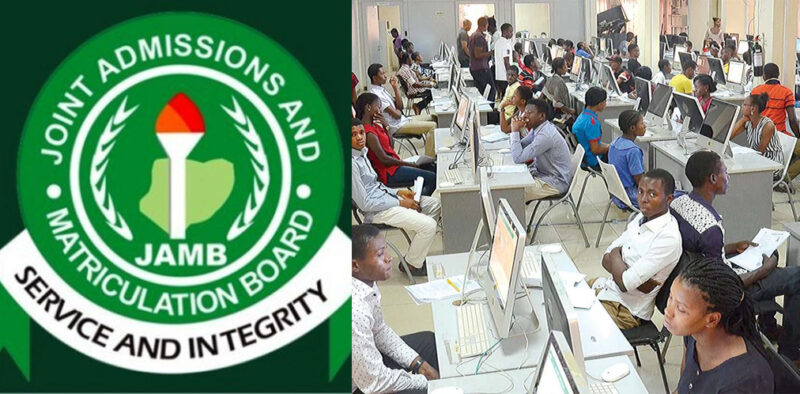
JAMB Moves 2027 UTME Time — Here’s What Candidates Need To Know
JAMB Moves 2027 UTME Time — Here’s What Candidates Need To Know
The Joint Admissions and Matriculation Board (JAMB) has adjusted the schedule for the first session of the 2027 Unified Tertiary Matriculation Examination (UTME), moving the arrival time for candidates from 6:30am to 7:30am.
Under the revised arrangement, candidates taking part in the first session will be expected to arrive at their designated Computer-Based Test (CBT) centres by 7:30am, while the examination will commence at 8:30am and end at 10:30am.
JAMB said the adjustment was introduced in response to concerns over the safety and convenience of UTME candidates, particularly those who travel long distances to their assigned examination centres.
The Board said the earlier 6:30am arrival requirement could force some candidates to embark on their journeys before dawn, exposing them to avoidable transportation and security risks.
The decision to move the arrival time was reached during JAMB’s 2026 Management and Information Technology Retreat, held in Ikot Ekpene, Akwa Ibom State, from September 6 to 11.
READ ALSO:
- No Lives Lost as Responders Contain Dual Fire Outbreaks Across Lagos
- ‘I Was Never the Chosen One’ — Dembele Responds to Mbappe
- Plateau Attacks: Gunmen Kill Passengers, 13 Dead Across Three LGAs
The retreat brought together JAMB management, state coordinators, heads of outstation offices and other relevant officials to review the Board’s operations and consider measures for improving the conduct of future examinations.
According to the Board, concerns had been raised about the safety implications of requiring candidates to report at examination centres as early as 6:30am, especially where candidates have to travel considerable distances.
JAMB said the one-hour adjustment would allow candidates more time to travel to their centres during daylight and could also reduce the pressure associated with early-morning transportation.
The Board also indicated that the adjustment could help reduce UTME absenteeism, as some candidates who encounter transportation difficulties or live far from their assigned centres may find it easier to arrive under the revised arrangement.
The new 7:30am reporting time applies to the first UTME session, with the examination itself scheduled to begin at 8:30am.
JAMB said other sessions would continue according to the examination schedule to be released as part of the preparations for the 2027 exercise.
The latest decision is part of broader efforts by the examination body to improve the safety, efficiency and overall experience of candidates sitting the annual university entrance examination.
JAMB has increasingly placed emphasis on the need to make its examination processes more efficient while addressing logistical challenges associated with the movement of millions of candidates across the country.
The 2027 UTME is expected to involve candidates from across Nigeria and other countries where Nigerian candidates are permitted to sit for the examination.
The adjustment will be particularly significant for candidates who are assigned to CBT centres outside their immediate communities, as the later arrival time gives them an additional hour to complete their journeys before reporting for accreditation and other pre-examination procedures.
Candidates are, however, expected to follow the specific instructions contained in their examination slips and other official communications from JAMB once the full examination schedule is released.
The Board is expected to provide further information on 2027 UTME registration, examination dates, registration centres, approved CBT centres, candidate requirements and session allocations as preparations progress.
Prospective candidates have also been advised to rely on official JAMB announcements and avoid unverified schedules circulated on social media or other unofficial platforms.
The latest change does not mean that candidates should arrive late at their assigned centres. Those scheduled for the first session will still be expected to report by 7:30am to allow sufficient time for verification and other procedures before the examination begins at 8:30am.
JAMB’s decision is therefore expected to provide some relief to candidates and families concerned about the risks associated with very early-morning travel, while helping the Board maintain an orderly start to the 2027 UTME.
JAMB Moves 2027 UTME Time — Here’s What Candidates Need To Know
Education
King’s College Concession: 115 Unity Colleges Shut as Education Workers Defy FG
King’s College Concession: 115 Unity Colleges Shut as Education Workers Defy FG
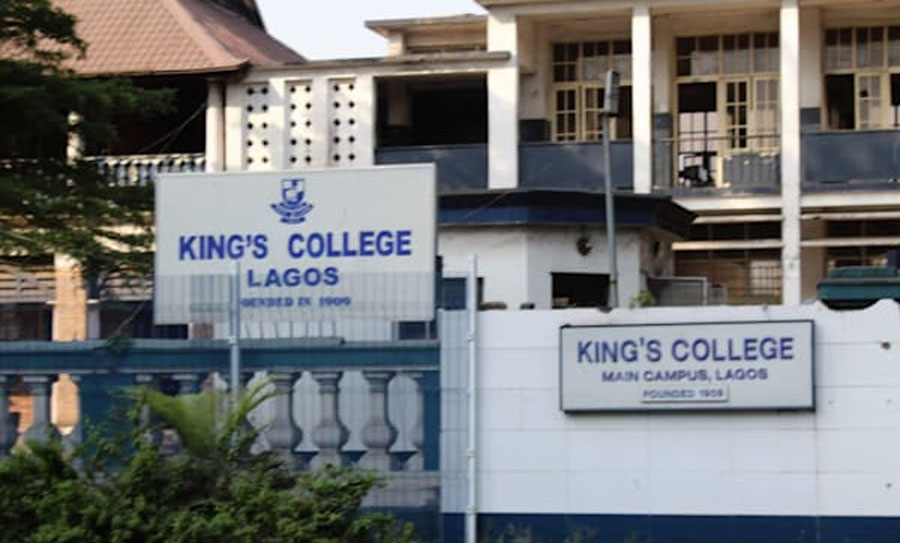
The controversy over the Federal Government’s concession of King’s College, Lagos, to its Old Boys’ Association has escalated into a nationwide education crisis, with workers shutting down the Federal Ministry of Education and keeping 115 Federal Unity Colleges closed despite the government’s directive for students to resume the 2026/2027 academic session.
The development has created uncertainty for thousands of students and parents as the new school year begins, with the Association of Senior Civil Servants of Nigeria (ASCSN) and the Joint Congress of Unions of the Federal Ministry of Education insisting that their boycott of activities in the affected schools will continue until the government suspends the concession.
The workers have rejected the proposed transfer of management of King’s College to the King’s College Old Boys’ Association (KCOBA), arguing that the arrangement could undermine the public character of the historic institution and set a precedent for similar concessions involving other Federal Unity Colleges.
The unions had earlier directed that students should not resume in the Federal Unity Colleges, despite the Federal Ministry of Education announcing September 14 as the resumption date for the new academic session.
On Monday, the workers maintained their position, with reports indicating that the affected schools remained shut as the government’s reopening directive came into effect.
The dispute follows the Federal Ministry of Education’s decision to concession King’s College to KCOBA under a 35-year Public-Private Partnership arrangement.
A ministry circular issued in early September stated that the processes leading to the concession had been concluded and directed the school to commence arrangements for an immediate handover.
READ ALSO:
- Petrol Price Hits N1,450/Litre as Middle East Crisis Pushes Oil Above $108
- Police Arrest Herbal Drink Producer as Ondo Death Toll Hits 29
- Troops Arrest Six Kidnap Suspects in Adamawa as Boko Haram, ISWAP Fighter Surrenders in Borno
A Transition Committee was also constituted to oversee the transfer of management, with the process expected to be completed within six months.
One of the most contentious aspects of the arrangement is the ministry’s directive that Federal Government funding for King’s College from the Federation Account would stop after the transition period.
The ministry also asked the school management to provide information on staff who wished to remain within the Federal Civil Service Commission, raising concerns among workers over their employment status and possible redeployment.
The workers have described the development as unacceptable, arguing that the government should retain responsibility for funding and managing public secondary schools rather than transferring such responsibilities to private or alumni organisations.
The unions have also accused the ministry of disregarding an earlier committee that was expected to examine the infrastructure and management challenges facing King’s College and other Federal Unity Colleges and recommend solutions.
They have demanded that the government suspend or reverse the concession and engage the unions in meaningful discussions before proceeding with any management transfer.
The Nigeria Union of Teachers (NUT), Federal Wing, has also backed the suspension of resumption in the Federal Unity Colleges, adding further weight to the workers’ opposition.
The disagreement has also attracted resistance from parents and other stakeholders. The King’s College Parent-Teacher Association has expressed concerns about the future of the school under the concession and the possible implications for affordability and access.
Parents have particularly questioned whether the withdrawal of government funding could eventually result in increased financial obligations for families.
The government, however, has rejected claims that King’s College is being sold or privatised.
Education Minister Tunji Alausa has said the Federal Government retains legal ownership of the 117-year-old institution and will continue to exercise its regulatory, monitoring, inspection and enforcement responsibilities.
According to the government, the concession only transfers responsibility for financing, rehabilitating, modernising, operating and maintaining the school to KCOBA.
The government has also argued that the arrangement is intended to attract investment and management expertise needed to improve the institution’s infrastructure while preserving its public ownership and national identity.
The proposed development programme reportedly includes new classrooms, laboratories and hostels, as well as improvements to learning resources, sports facilities and digital infrastructure.
The government’s clarification has, however, failed to resolve the dispute with the unions, who remain concerned that the concession could become a model for transferring other public schools to private interests.
The workers have warned that if the government proceeds with the King’s College arrangement, similar concessions could eventually be proposed for other Federal Government Colleges, Federal Government Boys’ Colleges, Federal Government Girls’ Colleges and Federal Technical Colleges.
The controversy has therefore moved beyond the future of one historic Lagos school to a wider debate about the management and financing of public education in Nigeria.
Supporters of the concession model argue that partnerships with old students’ associations and private-sector organisations could provide additional funding and management capacity for schools facing infrastructure deficits.
Opponents, however, maintain that such partnerships should complement government funding rather than replace it, particularly where public schools serve students from diverse economic backgrounds.
The timing of the dispute has made the situation more difficult for families, as the disagreement coincides with the scheduled reopening of schools across the country.
While the Federal Government has maintained that students should resume and assured parents that adequate arrangements were in place, education workers have insisted that the Federal Unity Colleges shutdown remains in force.
In some locations, parents and students who arrived for resumption reportedly found school gates closed, leaving families uncertain about when academic activities would begin.
The conflicting directives have also raised concerns about disruption to the academic calendar if the dispute continues for an extended period.
The Federal Unity Colleges form an important part of Nigeria’s secondary education system, with schools located across the country and designed, among other objectives, to promote national integration by bringing students from different states and backgrounds together.
The current dispute could therefore have implications beyond the immediate disagreement over King’s College if it leads to prolonged closure of the schools.
The workers have made clear that they want the government to address the concession before allowing normal academic activities to resume.
For the Federal Government, the challenge is to defend a policy it says is designed to rehabilitate and modernise a historic public institution while addressing concerns from workers, parents and other education stakeholders.
The immediate standoff leaves the King’s College concession at the centre of a growing confrontation between the government and education unions.
Unless both sides reach an agreement, thousands of students in the 115 Federal Unity Colleges could remain out of school, further delaying the start of the 2026/2027 academic session and intensifying calls for dialogue over the future of Nigeria’s federal secondary schools.
King’s College Concession: 115 Unity Colleges Shut as Education Workers Defy FG
Education
JAMB Takes Over HND Admissions in Polytechnics, Health Institutions Nationwide

JAMB Takes Over HND Admissions in Polytechnics, Health Institutions Nationwide
The Joint Admissions and Matriculation Board (JAMB) will henceforth handle the admission process for Higher National Diploma (HND) programmes in polytechnics and other affected tertiary institutions across Nigeria, the National Board for Technical Education (NBTE) has announced.
The new policy, which takes effect from the current admission session, represents a major expansion of JAMB’s role in Nigeria’s tertiary education admission system.
Under the arrangement, HND admissions in polytechnics, allied institutions, colleges of nursing sciences and colleges of health technology will be processed through a centralised system under JAMB.
The NBTE disclosed this in a circular dated September 9, 2026, signed by its Executive Secretary, Prof. Idris Bugaje, and addressed to heads of affected institutions.
The directive followed a meeting involving the Federal Ministry of Education, JAMB, NBTE and the National Youth Service Corps (NYSC), convened by the Minister of Education, Dr Tunji Alausa.
According to the NBTE, the decision was taken to address concerns surrounding illegal, irregular and compromised admissions, particularly cases in which students are admitted outside approved procedures and later encounter difficulties when they seek recognition of their qualifications or NYSC mobilisation.
The centralisation of HND admissions is expected to give the government a more reliable record of candidates from the point of admission through graduation.
It will also enable JAMB and other regulatory agencies to verify whether candidates were properly admitted into approved programmes and institutions before they complete their studies.
The development is significant because HND admissions have traditionally been handled largely by individual polytechnics and other institutions, while JAMB’s admission responsibilities have been more closely associated with entry into National Diploma (ND), degree and other tertiary programmes.
READ ALSO:
- Why I Gave Peter Obi My Vehicle During Benue Visit — Ortom
- Sanders Urges Trump, Xi to Halt AI Race, Ban Superintelligence
- DSS warns Osun churches, mosques, markets over alleged terrorist attack plot ahead of 2027
The new arrangement will therefore bring HND admissions into a more centralised framework and reduce the level of discretion previously available to individual institutions.
The NBTE is expected to develop comprehensive HND admission guidelines and submit them to JAMB for integration into the board’s digital admission platform.
The guidelines are expected to clarify several aspects of the new process, including the requirements and waiting period for ND graduates seeking HND admission.
The rules are also expected to provide for possible exemptions involving some health-related ND programmes where the structure of the programmes may require different admission arrangements.
The policy is closely connected to concerns about NYSC mobilisation for HND graduates.
The government has in recent times faced questions over cases in which graduates of polytechnics and other technical institutions encounter difficulties during mobilisation because of discrepancies in their admission records or the status of their programmes.
By moving HND admissions under JAMB, the authorities are seeking to establish a central admission trail that can be verified by relevant agencies.
The arrangement is expected to make it more difficult for institutions or individuals to manipulate admissions or admit students into programmes without the necessary approvals.
JAMB already operates the Central Admissions Processing System (CAPS), a digital platform used for centralised admission processing. The expansion of its responsibilities to HND admissions will allow the board to incorporate the new category into an existing electronic admission structure.
The NBTE has also issued a related directive concerning part-time National Diploma (ND) admissions.
READ ALSO:
- ‘Tinubu Will Win Again in 2027’ — Charismatic Bishops’ Secretary
- Fake miracles, bogus grants: How clerics allegedly fleece Nigerians of millions
- ‘Unacceptable’ — Arteta Furious Over Sunderland Penalty in Arsenal Win
Under the new arrangement, institutions will be required to process part-time ND admissions through JAMB, while their part-time admission capacity will be limited to 50 per cent of their approved full-time admission quota.
The measure is expected to provide regulators with greater oversight of part-time enrolment and help prevent institutions from exceeding their approved capacity.
The NBTE also reaffirmed its position on candidates who hold a combination of National Certificate in Education (NCE) and HND qualifications, stating that such candidates should not be presented for NYSC mobilisation.
The decision comes against the backdrop of JAMB’s earlier position that it was not responsible for HND admissions or NYSC mobilisation.
The latest directive consequently marks a significant change in the division of responsibilities among JAMB, NBTE, tertiary institutions and other government agencies involved in technical and vocational education.
The centralised admission process is also expected to improve the availability of data on students enrolled in polytechnics and other technical institutions.
For prospective HND applicants, the immediate implication is that admission into an HND programme will no longer be solely a matter between the applicant and the institution. Candidates will have to comply with the requirements and procedures established under the new JAMB HND admission system.
Polytechnics and other affected institutions are consequently expected to adjust their admission procedures to comply with the new directive once the detailed implementation guidelines are released.
The reform is part of the Federal Government’s broader effort to strengthen regulation of Nigeria’s technical and vocational education system, improve admission transparency and ensure that qualifications awarded by approved institutions are properly documented.
The government is also expected to monitor implementation closely to ensure that the new centralised system does not create unnecessary delays for qualified applicants seeking admission into HND programmes.
For students and graduates, one of the major expected benefits is a clearer link between admission records, academic qualifications and NYSC mobilisation.
The success of the policy, however, will depend largely on the detailed guidelines to be issued by the NBTE and the effectiveness with which JAMB integrates HND admissions into its digital platform.
With the takeover, applicants seeking HND admission in Nigeria will need to pay close attention to official announcements from JAMB, NBTE and their institutions as the new system is implemented nationwide.
JAMB Takes Over HND Admissions in Polytechnics, Health Institutions Nationwide
-

 News2 days ago
SERAP Threatens Legal Action Over ₦126bn INEC Electoral Funds
-

 Politics2 days ago
Five Islamic Clerics Abducted After Tinubu Re-Election Prayer At Yari’s Zamfara Residence
-

 Opinion2 days ago
‘Tinubu Will Win Again in 2027’ — Charismatic Bishops’ Secretary
-

 Sports2 days ago
‘Unacceptable’ — Arteta Furious Over Sunderland Penalty in Arsenal Win
-

 metro2 days ago
Mother ‘sold daughter’s abuse videos for $300’: Nigeria child pornography case shocks nation
-

 Politics3 days ago
Bamanga Tukur Dies at 90, Tinubu Pays Tribute to Ex-PDP Chairman
-

 Politics20 hours ago
2027: Northern Lecturers Back Tinubu, ASUU Disowns Endorsement
-

 News1 day ago
Nwifuru Dismisses Cubana Chief Priest as ‘Attention-Seeker’