
Africa
South Africa Horror: Gunmen Kill 11 in Pretoria Hostel Shebeen Attack
South Africa Horror: Gunmen Kill 11 in Pretoria Hostel Shebeen Attack
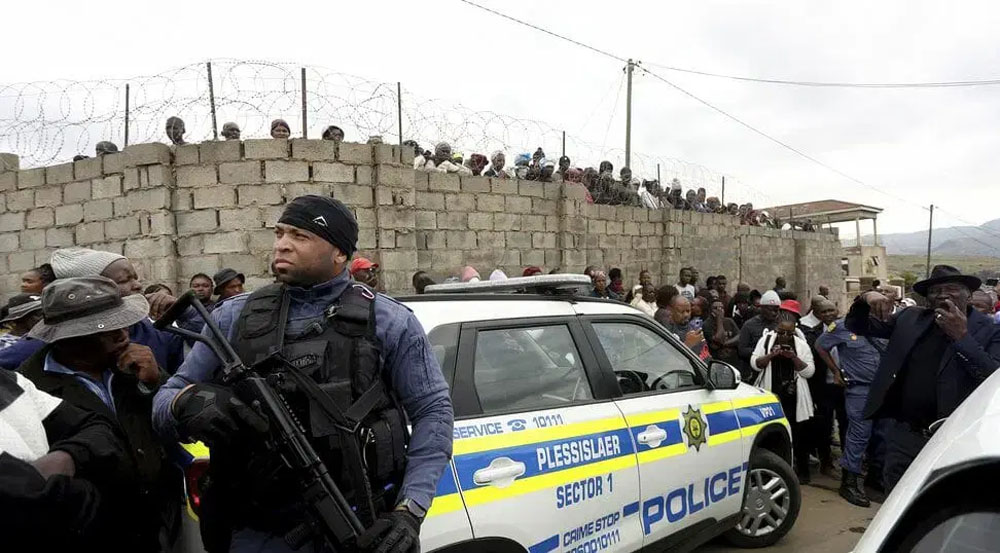
Eleven people, including a three-year-old child, have been killed after gunmen stormed a hostel in Pretoria, South Africa’s capital, in what authorities described as a deadly attack linked to an illegal shebeen operating within the premises. The assault is the latest in a series of mass shootings that continue to shock the crime-ridden nation of 63 million people.
Police spokesperson Athlenda Mathe confirmed that 25 people were shot, with 14 victims hospitalised. Ten persons died at the scene in Saulsville township, about 18 kilometres west of Pretoria, while another victim later died in hospital. Among the dead were a 12-year-old boy and a 16-year-old girl.
According to police, three gunmen entered the unlicensed drinking venue at around 4:30 am and opened fire indiscriminately on patrons who were drinking at the time. The motive remains unknown, and no arrests have been made as a manhunt continues.
Mathe highlighted that illegal and unlicensed liquor outlets remain hotspots for the majority of South Africa’s mass shootings, adding that “innocent people also get caught up in the crossfire.”
READ ALSO:
- Court Orders Wike to Respond to Tonye Cole’s ₦40bn Defamation Suit
- CAC to Begin Nationwide Crackdown on Unregistered PoS Operators by January 2026
- Studies show menopause can reduce women’s memory, concentration by 40%
South Africa, the continent’s most industrialised nation, is grappling with entrenched crime, widespread corruption, and a surge in violent attacks often fuelled by gang violence and alcohol abuse. The country has one of the highest murder rates in the world, with police reporting 63 killings per day between April and September.
While many South Africans legally own firearms for protection, a vast number of illegal guns circulate nationwide, contributing to frequent violent outbreaks.
Recent incidents underscore the worsening violence:
- In October, two teenagers were killed and five others injured in a gang-related shooting in Johannesburg.
- In May, eight patrons were gunned down at a tavern in Durban.
- Last year, 18 members of the same family were shot dead at a rural home in Eastern Cape Province.
Authorities say the latest Pretoria mass shooting further highlights the urgent need to tackle illegal firearms, unlicensed alcohol outlets, and the growing influence of organised crime networks across South Africa.
South Africa Horror: Gunmen Kill 11 in Pretoria Hostel Shebeen Attack







Africa
Nigeria Reopens Kebbi Borders With Benin, Niger

Nigeria Reopens Kebbi Borders With Benin, Niger
The Nigeria Customs Service (NCS) Area Command in Kebbi State has officially reopened the Kamba and Tsamiya borders in Dandi and Bagudo local government areas, enabling trade with the Republic of Benin and the Niger Republic. The move comes after the borders were closed for several years due to growing insecurity in border areas, affecting the movement of goods and disrupting bilateral trade.
The reopenings follow a series of talks and agreements between Nigeria and Benin, with clearance approved at the highest level of government. The Customs Area Comptroller in Kebbi State, Mahmud Matawalle Ibrahim, said the borders were reopened on presidential approval to facilitate the movement of legitimate goods through the Tsamiya border into Niger via the Kamba border in Kebbi.
According to Matawalle, the reopening has already allowed many trapped trucks from Benin to be cleared at Tsamiya, continuing their journey to the Niger Republic’s Tunga Jado border through Kamba. He emphasized that the initiative will boost trade, strengthen border security, and enhance economic cooperation between Nigeria and its neighbouring countries.
Matawalle highlighted that the Customs Service, in collaboration with border security agencies, is committed to maintaining agreements, ensuring the smooth operation of commercial activities, and preventing illegal cross-border activities. He added that this reopening will revive trade corridors, support local economies in border communities, and facilitate lawful transit of goods across West Africa.
The Kamba and Tsamiya corridors are crucial links for Nigeria’s regional trade network, allowing agricultural produce, manufactured goods, and other commodities to move efficiently between Nigeria, Benin, and Niger. The reopening is also expected to strengthen regional integration, improve supply chains, and reduce bottlenecks caused by previous border closures.
READ ALSO:
- Fuel Self-Sufficiency: Dangote Refinery Counters Misinformation on Petrol Imports
- “Electoral Act Amendment: El-Rufai Calls Akpabio ‘Tinubu’s Lapdog’”
- Lookman Reflects on Bittersweet La Liga Debut as Atletico Madrid Fall at Home
Officials noted that while trade will resume, strict compliance and security measures remain in place to ensure that only legitimate activities are conducted. The reopening marks a key milestone in Nigeria’s border management strategy, balancing economic growth, trade facilitation, and national security priorities.
How Nigeria’s Kebbi Border Reopening Will Affect Trade and Local Markets
The reopening of the Kamba and Tsamiya borders in Kebbi State to Benin and Niger is set to have immediate and long-term effects on regional trade, logistics, and border communities:
-
Boost to Cross-Border Trade
Traders can now legally move agricultural produce, manufactured goods, and essential commodities from Nigeria to Benin and Niger. Trucks that were previously stranded at border posts are now being cleared, reducing delays and losses for businesses. -
Revival of Transit Corridors
The Tsamiya border (Bagudo) and Kamba border (Dandi) serve as key transit routes. Goods from Benin can now pass through Tsamiya and reach Niger at the Tunga Jado border, creating a smoother flow of trade across West Africa. -
Support for Local Economies
Border communities in Kebbi and neighbouring regions rely heavily on trade for income. Reopening the borders is expected to revive local markets, create jobs, and stimulate small-scale businesses that depend on cross-border commerce. -
Enhanced Security and Compliance
The Customs Service and security agencies are monitoring trade activities to ensure only legitimate goods move across borders. This aims to reduce smuggling, trafficking, and other illegal activities, while maintaining safe commercial operations. -
Reduced Logistic Bottlenecks
The reopening clears hundreds of trucks previously stuck at the borders, saving time and transport costs for traders and logistics companies. This also ensures a steady supply of goods for Nigerian and regional markets. -
Strengthened Regional Integration
By facilitating smoother trade with Benin and Niger, Nigeria contributes to ECOWAS objectives of free movement, economic cooperation, and regional market growth. The borders now function as cooperation corridors rather than restricted zones.
The Kebbi border reopenings are expected to revive trade, improve livelihoods, reduce delays, and strengthen regional economic ties, while keeping security a top priority.
Nigeria Reopens Kebbi Borders With Benin, Niger
Africa
Electoral Malpractice: President Mahama Orders Immediate Recall of Ghana’s High Commissioner to Nigeria
Electoral Malpractice: President Mahama Orders Immediate Recall of Ghana’s High Commissioner to Nigeria
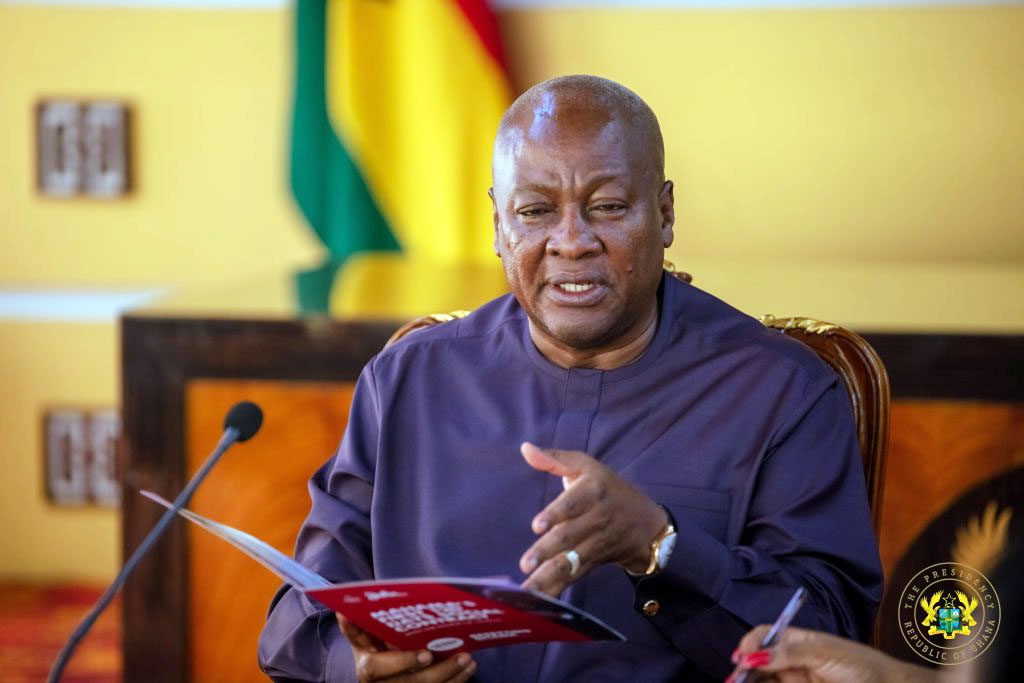
President John Dramani Mahama of Ghana has ordered the immediate recall of Mohammed Baba Jamal Ahmed, Ghana’s High Commissioner to Nigeria, following allegations of electoral malpractice linked to his participation in the National Democratic Congress (NDC) parliamentary primary in the Ayawaso East Constituency. The decision marks a significant development in Ghana–Nigeria diplomatic relations and reflects Accra’s efforts to safeguard diplomatic integrity and public confidence in its foreign service.
The directive, contained in a press statement signed by the Minister of Government Communication, Felix Kwakye Ofosu, was issued on February 7, 2026, and directs the Minister for Foreign Affairs, Samuel Okudzeto Ablakwa, to complete all administrative and diplomatic procedures to effect the recall.
The recall follows allegations that Baba Jamal engaged in voter inducement during the NDC’s parliamentary primary in Ayawaso East, where he emerged victorious with 431 votes amid claims that his campaign team distributed 32‑inch television sets and boiled eggs to delegates. Baba Jamal has defended the distribution of goods as gifts and goodwill gestures, insisting they were not meant to influence the outcome. Meanwhile, the NDC’s General Secretary, Fifi Fiavi Kwetey, described the alleged conduct as a serious breach of party values and announced a full-scale investigation, warning that violations could lead to sanctions, including possible cancellation of controversial internal elections.
READ ALSO:
- Nigeria’s Unity Under Scrutiny: IPOB, US Lawmaker Clash Over Christian Safety
- Historic Nigeria-UK Ties: Tinubu to Meet King Charles III in Landmark State Visit
- Gospel Artiste, Three Crew Members Found Dead in Lagos Studio
What sets Baba Jamal’s case apart, and what appears to have prompted Mahama’s swift action, is his status as a serving public official and Ghana’s top diplomat in Nigeria. The presidency stressed that although similar allegations were made against other aspirants, Baba Jamal’s dual role as a diplomat and candidate raised questions about the integrity and ethical standards expected of public office holders. President Mahama’s move reflects a broader emphasis on accountability and transparency in public service — a key component of his government’s Reset Agenda, which includes strengthening foreign service standards and performance accountability.
The recall takes place against the backdrop of historically close ties between Ghana and Nigeria, two influential West African neighbours with deep cultural, economic, and political links. Earlier diplomatic efforts, including President Mahama’s official visits to Nigeria to discuss regional security and cooperation, underscored a shared commitment to peace, diplomacy, and mutual interest within ECOWAS. Analysts say President Mahama’s decision may resonate both domestically and internationally as a demonstration of Ghana’s commitment to upholding ethical conduct among its diplomats, even if it means recalling a key envoy from a strategic post like Nigeria. The recall also signals caution in balancing internal political developments with bilateral diplomatic responsibilities.
Domestically, the decision could bolster Mahama’s credentials among critics who have urged stricter enforcement of codes of conduct for political appointees. In Ghana’s competitive party politics — particularly within the ruling NDC — perceptions of fairness, accountability, and adherence to ethical standards are increasingly central to public confidence. The controversy also highlights broader debates about election integrity, campaign conduct, and the role of public officials seeking partisan office, issues that could shape political campaigns leading up to future general elections.
Electoral Malpractice: President Mahama Orders Immediate Recall of Ghana’s High Commissioner to Nigeria
Africa
Muammar Gaddafi’s Son Saif al-Islam Shot Dead in Libya
Muammar Gaddafi’s Son Saif al-Islam Shot Dead in Libya
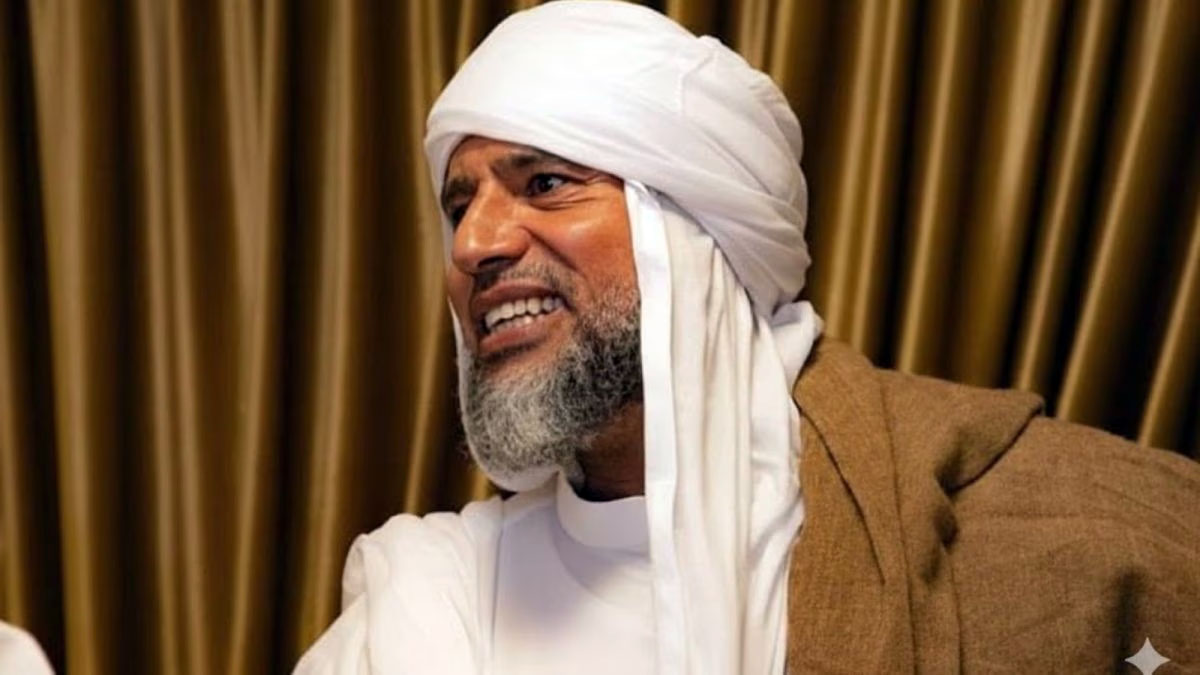
Saif al-Islam Gaddafi, son of late Libyan leader Muammar Gaddafi, has been shot dead in western Libya, triggering shockwaves across the country’s already fragile political landscape.
According to reports from Libya, Saif al-Islam was killed in Zintan, a town southwest of Tripoli, where he had been living for years under local protection. He was reportedly attacked by gunmen at his residence, though details surrounding the exact circumstances and motive remain unclear.
Libyan authorities have confirmed that a criminal investigation has been opened into the killing, as security agencies move to identify those responsible. No group has so far claimed responsibility for the attack.
READ ALSO:
- ABC Transport Group Records 121% Profit Surge as Diversification Pays Off
- Thousands of Epstein Documents Taken Down After Victims’ Identities Were Exposed
- Sokoto Govt Uncovers ₦117bn Allegedly Mismanaged Under Tambuwal’s Administration
Saif al-Islam was one of the most prominent figures of the former Gaddafi regime and was widely regarded as his father’s potential successor before the 2011 Libyan uprising that led to Muammar Gaddafi’s overthrow and death. Following the collapse of the regime, he was captured by militia forces, detained for years, and later released under a controversial amnesty.
Despite facing war crimes allegations and an International Criminal Court warrant, Saif al-Islam remained a divisive figure in Libya. In recent years, he attempted a political comeback, including seeking to contest Libya’s stalled presidential election, a move that sharply divided public opinion.
His killing has renewed concerns over security, political instability, and unresolved rivalries in Libya, with analysts warning that the incident could deepen tensions among competing factions and armed groups.
As investigations continue, the death of Saif al-Islam Gaddafi marks another dramatic chapter in Libya’s long struggle with the legacy of the Gaddafi era and the quest for lasting stability.
Muammar Gaddafi’s Son Saif al-Islam Shot Dead in Libya

-
 News2 days ago
BREAKING: Tinubu Holds Reconciliation Meeting With Wike, Fubara, Rivers Leaders at Aso Rock
-

 Business2 days ago
BoI Gets CBN Approval to Launch Non‑Interest Banking Window in Nigeria
-

 metro1 day ago
Leadership Crisis at NAHCON as Chairman Abdullahi Saleh Usman Resigns
-

 metro3 days ago
Nnamdi Kanu Orders Permanent End to Monday Sit-at-Home in South-East
-
 News1 day ago
US Judge Orders FBI, DEA to Release Tinubu’s Criminal Records, Faults Delays
-

 News2 days ago
OWN Calls for Immediate Resignation of INEC Chairman
-

 International1 day ago
US to Deport 18 More Nigerians on ‘Worst-of-the-Worst’ Criminal List (Full Names)
-

 News23 hours ago
Oyo Muslims Reaffirm Loyalty to Sultan on Islamic Matters — Grand Chief Imam