
International
Syrian admits triple murder at trial for German knife attack
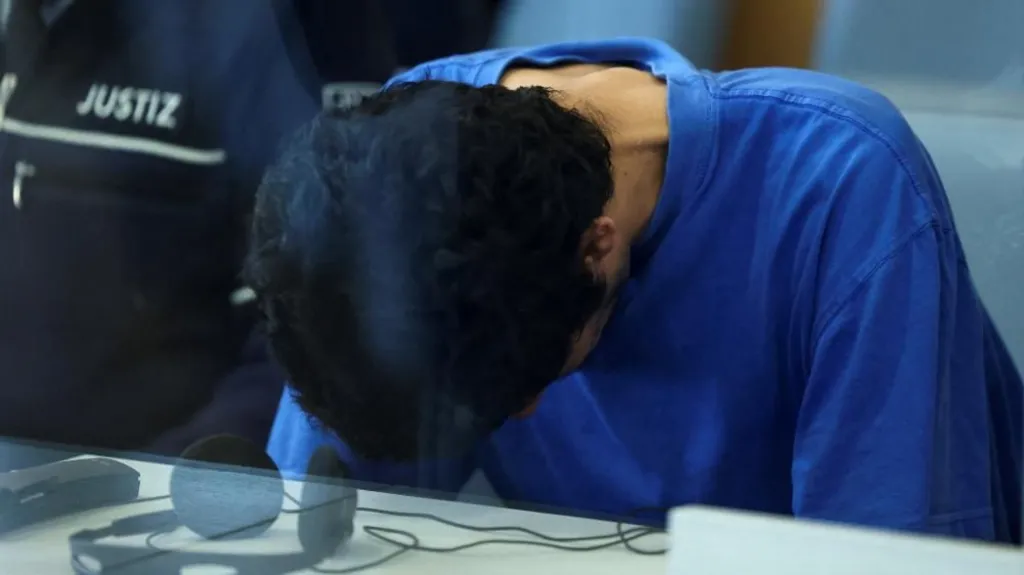
Syrian admits triple murder at trial for German knife attack
A Syrian man has admitted carrying out a knife attack in the German town of Solingen last August in which three people were killed.
“I have committed a grave crime, I am prepared to accept the verdict,” Issa al H said in a statement read out by his defence lawyers at the start of his trial in the western city of Düsseldorf.
Issa al H, whose surname was not made public because of German privacy rules, is accused of being a member of the Islamic State jihadist group, and pledging allegiance to IS in videos shortly before the attack.
The stabbings took place as Solingen was holding a three-day festival to mark its 650th anniversary and came shortly before a series of key regional elections.
In the space of a year, German cities saw a string of deadly attacks, which began in Mannheim in May 2024, when an Afghan national stabbed a police officer at a rally.
Most of the attackers were described as having migrant backgrounds and the killings played a significant part in the national debate leading up to Germany’s federal elections in February.
READ ALSO:
- Police arrest 27 after mob killed Kano DPO
- FG orders 3-year ban on all exam bodies for candidates caught in malpractice
- Ibadan sex worker arraigned for reportedly stabbing colleague
While most mainstream parties toughened their language on migration, the far-right AfD were seen as benefiting most from the heightened climate, coming second with almost 21% of the vote. They have since narrowed the gap with Chancellor Friedrich Merz’s conservatives even further.
The man accused of the 23 August Solingen knife attack had arrived in Germany as a refugee in 2022, but because he had already registered for asylum in Bulgaria he was ordered to be deported there.
By the time German authorities tried to deport him in 2023 he had disappeared.
On Tuesday, Issa al H appeared in a high-security wing of the court in Düsseldorf wearing a blue T-shirt, and kept his head bowed for most of the time he stood in the dock.
He is accused of three murders as well as 10 counts of attempted murder and further charges of grievous bodily harm.
Prosecutors allege he approached IS contacts on jihadist social media forums before the attack and he was then given help planning it and choosing his murder weapon.
In his statement read out by his lawyers, Issa al H said: “I killed innocents, not infidels.”
One of the people wounded in the Solingen attack sat in court on Tuesday, her arm in a sling, in a reminder of the wounds he inflicted in the city.
Athanasios Antonakis, a lawyer acting on behalf of a mother and daughter who were wounded in the attack, told public broadcaster WDR that “my clients are expecting this trial will help improve the healing process”.
Syrian admits triple murder at trial for German knife attack
BBC








International
Former PM Turnbull Tells Netanyahu to “Stay Out of Australian Politics” After Hanukkah Attack
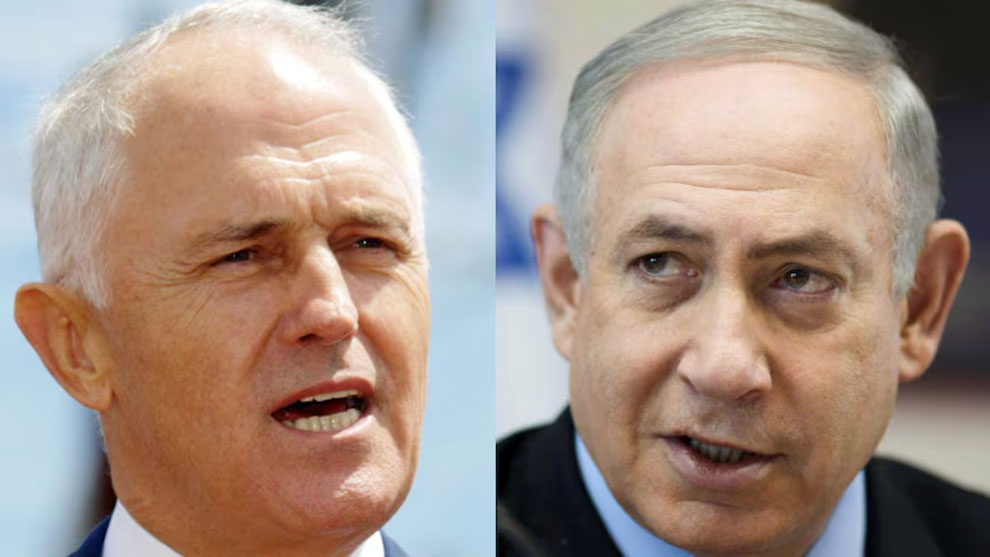
Former PM Turnbull Tells Netanyahu to “Stay Out of Australian Politics” After Hanukkah Attack
Former Australian Prime Minister Malcolm Turnbull has sharply rebuked Israeli Prime Minister Benjamin Netanyahu, urging him to “stay out of our politics” after Netanyahu linked Australia’s recognition of Palestinian statehood to the tragic Bondi Beach mass shooting.
The attack, which occurred on Sunday during Hanukkah celebrations, left 15 people dead after a father and son opened fire on the crowd. Netanyahu claimed that Australia’s decision to recognize Palestine earlier this year had “poured oil on the fire of antisemitism,” a remark Turnbull described as unhelpful and inappropriate.
Speaking to Channel 4 News in the UK, Turnbull said: “I would respectfully say to ‘Bibi’ Netanyahu, please stay out of our politics. If you’ve got that kind of commentary to make, you are not helping … and it’s not right.”
READ ALSO:
- WWE superstar John Cena retires from wrestling
- FIFA Introduces $60 “Supporter Entry Tier” Tickets Amid 2026 World Cup Pricing Backlash
- Gas-to-Power Debt Crisis Threatens Nationwide Electricity Supply as Gas Companies Cut Supplies
Turnbull supported the current Australian Prime Minister Anthony Albanese’s government for recognizing Palestine in August 2025, emphasizing that Australia is a multicultural society that cannot allow foreign conflicts to be imported. He also stressed that the vast majority of nations recognize Palestinian statehood and support a two-state solution to the Middle East conflict.
Albanese echoed Turnbull’s stance, rejecting any connection between Australia’s policy on Palestine and the Bondi Beach attack. He described the moment as one of national unity and called for solidarity with the Jewish community affected by the tragedy.
The Prime Minister visited Ahmed Al-Ahmed, a Syrian-born shopkeeper hailed as a hero for disarming one of the attackers, who is now recovering in hospital. Albanese confirmed that the attackers, Sajid Akram and his son Naveed, were motivated by Daesh ideology.
The exchange highlights tensions between foreign commentary and domestic policy, reinforcing Australia’s commitment to multicultural harmony and security in the wake of violent attacks.
Former PM Turnbull Tells Netanyahu to “Stay Out of Australian Politics” After Hanukkah Attack
ARAB NEWS
International
US Embassy Warns Nigerians Against Visa Fraud, Threatens Permanent Entry Ban
US Embassy Warns Nigerians Against Visa Fraud, Threatens Permanent Entry Ban
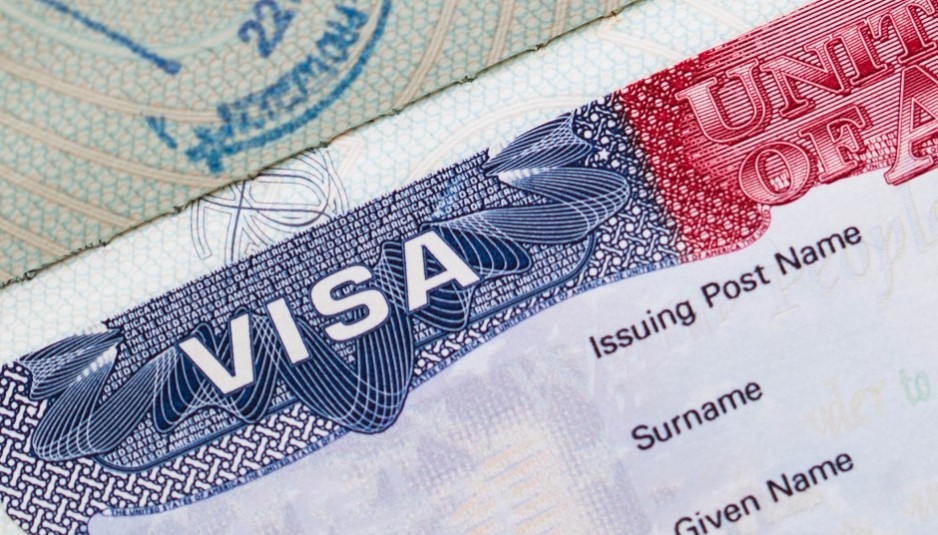
The United States Embassy in Abuja has issued a stern warning to Nigerians against involvement in visa fraud, cautioning that providing false information or submitting fake documents during the application process could result in a permanent ban from entering the United States.
In a post on its official X handle on Monday, the embassy emphasized, “Visa fraud has serious consequences. Lying or providing fake documents can lead to permanent visa bans under U.S. immigration law.”
READ ALSO:
- Borno Police Defuse Unexploded Bomb Under Network Mast in Maiduguri
- Aisha Buhari Key to DSS DG Removal, Thwarts Alleged APC Primary Manipulation
- Dangote Raises Alarm Over Widespread Sabotage Crippling Nigeria’s Oil Sector
The warning coincided with a meeting between US Ambassador to Nigeria Richard Mills and Nigeria’s Minister of Foreign Affairs Yusuf Tuggar, where both leaders discussed bilateral relations and areas of cooperation between the two countries.
The embassy reaffirmed its commitment to working with Nigeria on issues of mutual concern, urging visa applicants to adhere strictly to the rules to avoid jeopardizing future travel opportunities.
US Embassy Warns Nigerians Against Visa Fraud, Threatens Permanent Entry Ban
International
Trump Files $10bn Lawsuit Against BBC Over Edited Capitol Riot Documentary
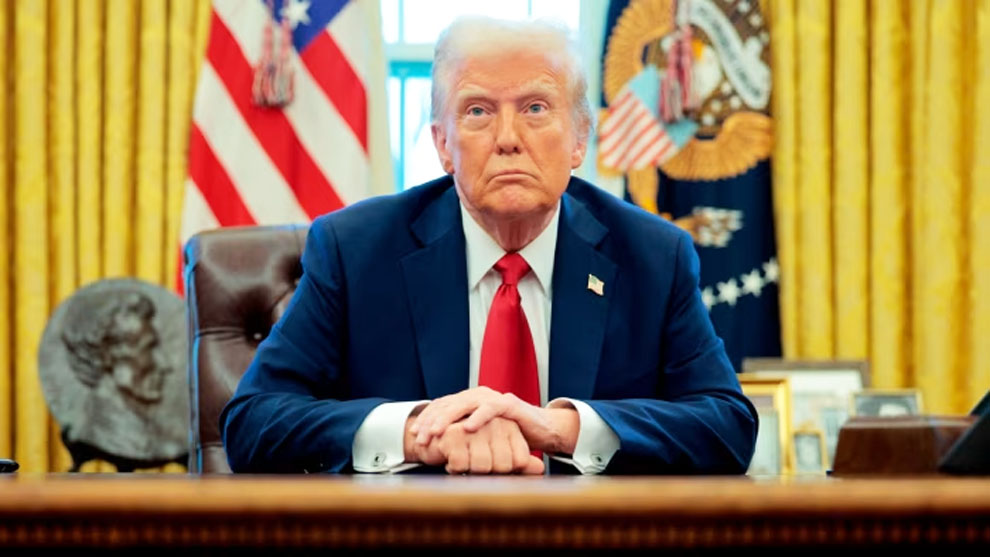
Trump Files $10bn Lawsuit Against BBC Over Edited Capitol Riot Documentary
US President Donald Trump has filed a massive $10 billion lawsuit against the BBC, accusing the British broadcaster of defamation and election interference over a documentary that allegedly altered his January 6, 2021 Capitol riot speech.
The lawsuit, filed on Monday in a federal court in Miami, seeks damages of at least $5 billion on each of two counts, including defamation and violation of the Florida Deceptive and Unfair Trade Practices Act. Trump, 79, said the action followed claims that the BBC documentary deliberately “put words in my mouth,” suggesting the broadcaster may have used artificial intelligence (AI) or deceptive editing techniques.
The documentary in question aired last year ahead of the 2024 US presidential election on the BBC’s flagship current affairs programme, Panorama. It featured an edited version of Trump’s speech delivered to supporters on January 6, 2021, shortly before the storming of the US Capitol, where lawmakers were certifying Joe Biden’s 2020 election victory.
According to the lawsuit, the BBC spliced together two separate portions of the speech, making it appear that Trump explicitly urged supporters to attack the Capitol. Trump’s legal team described the broadcast as a “malicious and deceptive” act aimed at damaging his political prospects.
READ ALSO:
- Naira Holds Mixed Stability as Official FX Rate Closes at ₦1,452/$, Black Market Trades Higher
- Lagos Moves to End Illegal Evictions, Landlord Harassment with Tough New Tenancy Bill
- Ogun Lawmaker Rasheed Kashamu Defects from PDP to APC
“The formerly respected and now disgraced BBC defamed President Trump by intentionally doctoring his speech in a brazen attempt to interfere in the 2024 Presidential Election,” a spokesperson for Trump’s legal team said. The statement further accused the broadcaster of pursuing a “leftist political agenda” in its coverage of Trump.
The controversy triggered significant fallout within the British Broadcasting Corporation, which serves a global audience. Last month, the BBC director-general and the organisation’s top news executive resigned after internal documents revealed the extent of the editing error, sparking public and political backlash in the UK.
Trump’s lawsuit claims the edited clip was “fabricated and aired one week before the election” to influence voters against him. While the BBC has denied claims of legal defamation, its chairman, Samir Shah, sent Trump a formal letter of apology. Shah also told a UK parliamentary committee that the broadcaster should have responded more quickly after the error was identified in an internal memo later leaked to the media.
The legal action marks the latest in a series of Trump lawsuits against media organisations, several of which have ended in multi-million-dollar settlements, reinforcing Trump’s aggressive legal stance against what he describes as unfair media treatment.
Trump Files $10bn Lawsuit Against BBC Over Edited Capitol Riot Documentary

-

 metro2 days ago
End Biafra Agitation, Tinubu Has Integrated Ndigbo Into National Development — Umahi
-
 Business2 days ago
Nigeria FX Market: Dollar Demand Surges, Naira Slides Slightly in Festive Season
-

 International2 days ago
(UPDATED) Sydney Bondi Shooting: Anti-Semitic Attack Leaves 16 Dead, 40 Injured
-

 Politics2 days ago
Ashimolowo Casts Doubt on Obi’s Northern Support as Opposition Coalition Wobbles
-

 Politics2 days ago
Peter Obi Poised to Dump Labour Party as Leadership Crisis Worsens
-

 News7 hours ago
Trump Adds Nigeria to List of Countries Facing US Entry Restrictions Over Security Concerns
-
 metro2 days ago
Bello Turji Accuses Ex-Governors of Creating Insecurity in Zamfara, Sokoto
-
 News2 days ago
Tinubu’s Emergency Declaration Gets Supreme Court Backing in Landmark Judgment