

Politics
Thug removes Fayose’s cap at PDP rally in Ondo
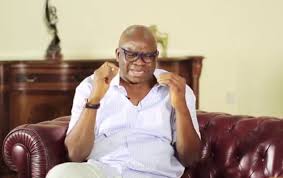
- Ex-Ekiti gov blames Makinde, George
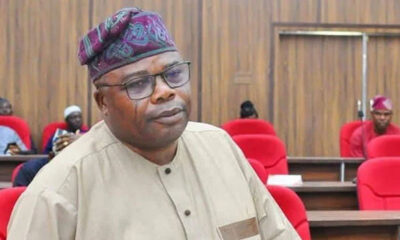
Former Governor of Ekiti State, Mr Ayodele Fayose, was assaulted in Ondo town on Wednesday at a campaign rally organized by the Peoples Democratic Party for the state governorship election holding on Saturday October 10.
Fayose was making his way to the podium at the campaign ground when a thug moved towards him and removed his cap
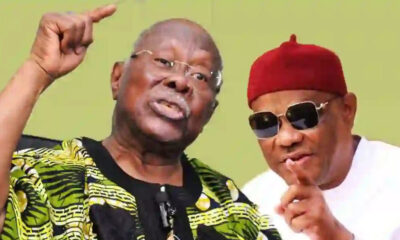
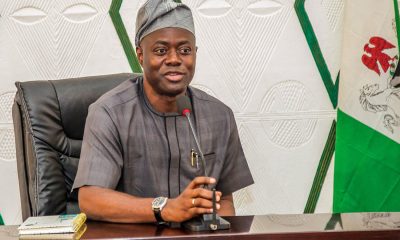
Reacting to the incident through his media aide, Lere Olayinka, the former governor accused the Governor of Oyo State, Seyi Makinde, and a former Deputy National Chairman of the PDP, Chief Bode George, of masterminding the assault.
He added that despite the shameful act, the former Ekiti governor would not stop saying the truth concerning the running of the party in the South-West zone.
He said he will make formal report of the assault to the security agencies and the party’s relevant authorities.
He said, “That’s how late Chief Bola Ige’s cap was removed in Ile Ife, Osun State, then and we all know what happened later.
“So this one will not be ignored and treated as one of those things. The masterminds had it all planned and they followed it up by celebrating what they saw as the success of their plot. They even capped it up by circulating the video.
“So it was not an accident, it was planned. But those who planned it only succeeded in advertising their political myopism because popularity of the brand Ayo Fayose, Osokomole cannot be rubbished by such childish act. That they must have seen in the reaction of the people at the rally and I am sure they know that they can’t get such loud ovation even if they spend all the money in this world.
“As for me, I am unperturbed and I must say it clearly that those new comers to the PDP and their old allies, who won’t mind soiling the image of the party to achieve their aims will not be allowed to succeed.”
Governor Makinde and Bode George were yet to respond to the allegation as of the time of publishing the report.






Politics
2027: Sowore Promises ₦500,000 Minimum Wage, Free Education, 24-Hour Electricity
2027: Sowore Promises ₦500,000 Minimum Wage, Free Education, 24-Hour Electricity
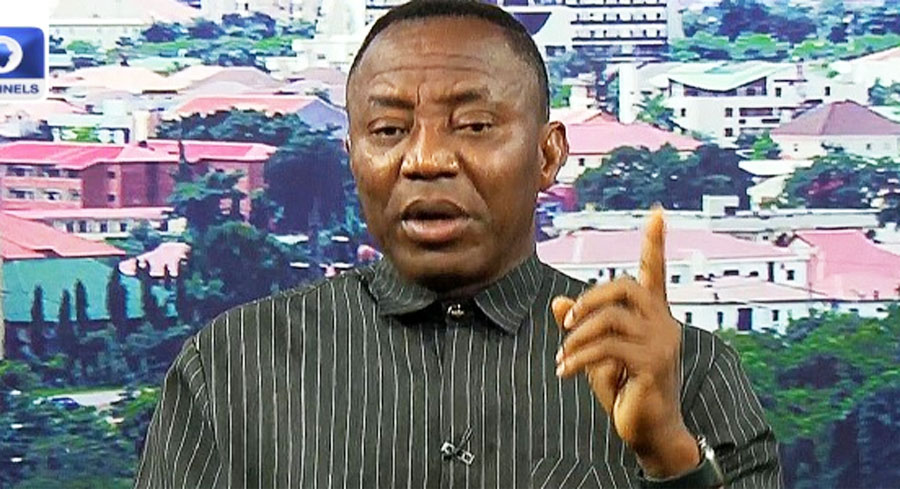
African Action Congress presidential candidate Omoyele Sowore has unveiled an ambitious agenda for the 2027 presidential election, promising a ₦500,000 monthly living minimum wage, 24-hour electricity, free education and the construction of one million public mixed-income homes if elected president.
Sowore said the proposals were part of the AAC’s 2027 agenda, which he described as a programme focused on improving living standards, expanding access to essential services and fundamentally changing the way Nigeria’s economy is managed.
At the centre of the proposal is a ₦500,000 minimum wage, which Sowore said would give Nigerian workers a more realistic income in the face of rising living costs.
He argued that workers should not continue to receive wages that are inadequate to meet basic needs while the cost of food, housing, transportation, healthcare and education continues to increase.
Sowore’s proposed wage would represent a substantial increase over Nigeria’s existing statutory minimum wage and would have significant implications for both public-sector finances and private employers if implemented nationwide.
The AAC candidate also promised to deliver 24-hour electricity, making reliable power supply a central pillar of his economic programme.
Sowore argued that Nigeria cannot achieve meaningful industrialisation when businesses and households remain heavily dependent on generators because of unreliable electricity supply.
He said his administration would prioritise the power sector to ensure that electricity becomes a dependable foundation for industrial production, small businesses, job creation and economic growth.
The presidential hopeful also promised free education at all levels, arguing that poverty should not prevent Nigerian children and young people from accessing quality education.
He said his proposed education policy would seek to remove financial barriers that prevent families from keeping their children in school, while improving access to educational opportunities.
READ ALSO:
- “Beyond 100%”: Governor Dauda Lawal Backs President Tinubu for 2027
- NDLEA Intercepts 44kg UK-Linked Cannabis, Drugs Hidden in Bread, Speakers
- Nwifuru Dismisses Cubana Chief Priest as ‘Attention-Seeker’
Housing is another major component of Sowore’s proposed programme.
He promised to construct one million public mixed-income homes, saying the initiative would help address Nigeria’s housing shortage while providing more affordable accommodation for people across different income groups.
He also proposed reforms to the country’s tenancy system, including measures to address the widespread practice of demanding lengthy rent advances from tenants.
Sowore said his government would treat healthcare as a right rather than a privilege, with increased investment in the country’s health system and measures designed to reduce the need for Nigerians to travel abroad for medical treatment.
His economic programme also includes plans to industrialise Nigeria, expand agriculture, improve infrastructure and create more dignified employment opportunities.
Sowore said agriculture would receive greater attention under his proposed administration, particularly through increased local production, processing and value addition.
He has argued that Nigeria should move away from excessive dependence on the export of raw commodities and instead develop industries capable of processing its agricultural and mineral resources locally.
The AAC candidate also promised reforms in the security sector, including improved welfare for security personnel and greater use of technology in combating terrorism, banditry, kidnapping and other forms of criminality.
He proposed the deployment of modern technologies, including drones and intelligence systems, as part of efforts to strengthen security operations.
READ ALSO:
- Driver Flees With Employer’s Car Two Days After Employment
- Boris Johnson Caught in Russian Drone Strike Scare Near Poland Border
- South Africa: Two Women Arrested Over Alleged Rape, Kidnap of E-Hailing Driver
Sowore has positioned his campaign as an alternative to Nigeria’s established political order, arguing that successive governments have failed to adequately tackle poverty, corruption, unemployment, inequality and poor public services.
He said Nigeria’s resources should be used to improve the quality of life of ordinary citizens rather than being concentrated among a relatively small political and economic elite.
The AAC candidate has also said his campaign would seek financial support from ordinary Nigerians, rather than relying heavily on wealthy political patrons.
According to Sowore, a people-funded campaign would allow the party to maintain greater independence and remain accountable to citizens rather than powerful sponsors.
His proposals come as political parties and presidential candidates begin positioning themselves ahead of the 2027 Nigerian presidential election.
Sowore is seeking to build on his previous presidential campaigns and present the AAC as a distinct alternative to the ruling All Progressives Congress (APC) and other established political parties.
The scale of his latest promises is likely to generate debate over their cost, funding and implementation.
A ₦500,000 minimum wage would significantly increase personnel costs for governments and could also place additional pressure on private-sector employers. Its implementation would therefore require careful consideration of productivity, inflation, government revenue and the ability of businesses to absorb higher labour costs.
Delivering 24-hour electricity would similarly require substantial investment in power generation, transmission and distribution, as well as reforms to address longstanding challenges involving gas supply, infrastructure, electricity pricing and distribution efficiency.
The proposed construction of one million homes and the provision of free education would also require significant public funding, planning and institutional capacity.
Sowore’s campaign is therefore placing a combination of higher wages, reliable electricity, free education, affordable housing, healthcare, industrialisation, job creation and security reforms at the centre of its 2027 message.
As the political contest gathers momentum, the feasibility and funding of competing candidates’ promises are expected to become important issues for voters assessing the various options ahead of the election.
2027: Sowore Promises ₦500,000 Minimum Wage, Free Education, 24-Hour Electricity
Politics
“Beyond 100%”: Governor Dauda Lawal Backs President Tinubu for 2027
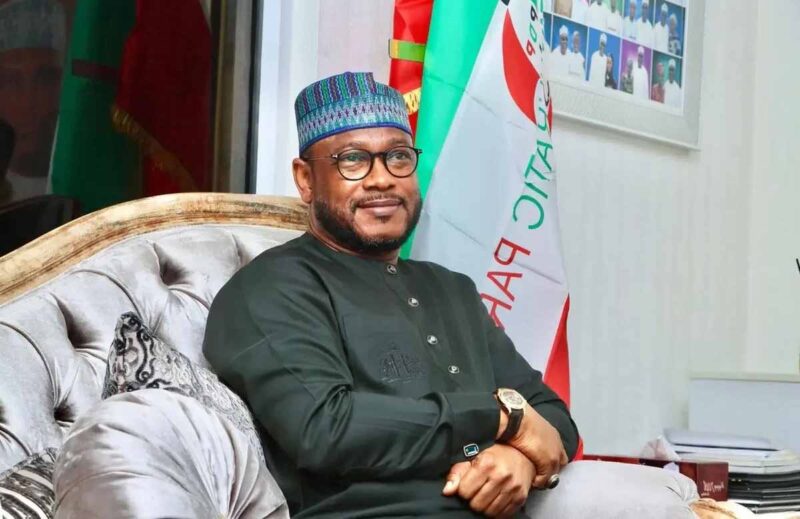
Zamfara leadership commits full support to the re-election bid as Campaign Director-General Abdul’aziz Yari meets with local stakeholders.
Opinion
2027: Competence, Not Zoning, Should Decide Nigeria’s Next President — Imasuagbon
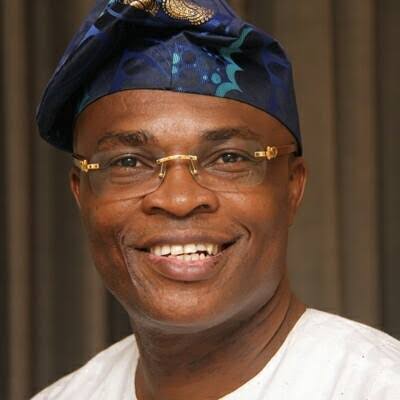
Nigerians should look beyond ethnicity, region and the longstanding debate over rotational presidency when choosing the country’s next leader, according to a chieftain of the African Democratic Congress (ADC), Kenneth Imasuagbon.
The former Edo State governorship aspirant said the priority ahead of the 2027 election should be finding a president with the ability to confront Nigeria’s economic, security and infrastructure challenges.
Speaking to journalists in Benin, Imasuagbon argued that presidential rotation is not a requirement of the Nigerian Constitution and should therefore not outweigh the question of competence.
He said voters should be more concerned about replacing poor schools with better ones, improving healthcare and addressing hardship than debating where the next president comes from.
Imasuagbon specifically appealed to voters in the South to support former Vice President Atiku Abubakar, who is contesting the 2027 presidency on the ADC platform.
According to him, Atiku has demonstrated the experience and determination needed to improve the country, describing the former vice president as someone capable of promoting national unity and fairness.
He also accused the Bola Tinubu administration of worsening economic pressure through policies including the removal of fuel subsidy, while expressing concern about the condition of roads, electricity and other infrastructure.
Imasuagbon argued that the next administration must focus on practical improvements in areas such as power, transportation, employment, security and public services.
The ADC chieftain also dismissed the idea that the ruling All Progressives Congress (APC) would automatically benefit from its incumbency advantage in 2027.
He maintained that the electorate ultimately determines the outcome of an election, arguing that voters could change the political direction of the country if they were determined to do so.
Imasuagbon further criticised what he described as regional and ethnic considerations in the distribution of political appointments and opportunities, insisting that the next president should give Nigerians across different parts of the country a sense of belonging.
His comments come as political parties and their candidates intensify preparations for the 2027 presidential election.
-

 metro2 days ago
Woman disguises as Muslim woman in Niqab to steal in Ado-Ekiti market, video sparks outrage
-

 metro2 days ago
Ondo Herbal Drink Tragedy: Survivor Vows Never to Drink Again as Death Toll Tops 30
-

 metro2 days ago
Sokoto Cleric Stabbed Twice in Neck After Juma’at Prayer, Attacker Killed
-
 Business2 days ago
Dangote: ₦525 Refinery Shares Could Rise to ₦10,000
-

 Africa3 days ago
Murder of Nigerian Bishop in South Africa Sparks Outcry Over Unsolved Killings
-

 News3 days ago
AI on the Roads: LASTMA Turns to China to Fix Lagos Traffic
-

 metro2 days ago
MURIC fires back at Peter Obi: Forget Sallah ceremony, free Nigerian Muslims
-

 Community3 days ago
Kaduna Traditional Rulers Set for 100% Pay Rise as Zazzau Emir Backs Proposal
You must be logged in to post a comment Login