
News
Tinubu orders compulsory health insurance for all federal workers





News
Tinubu Commissions Gateway Airport, Pledges to Crush Banditry in Nigeria
Tinubu Commissions Gateway Airport, Pledges to Crush Banditry in Nigeria
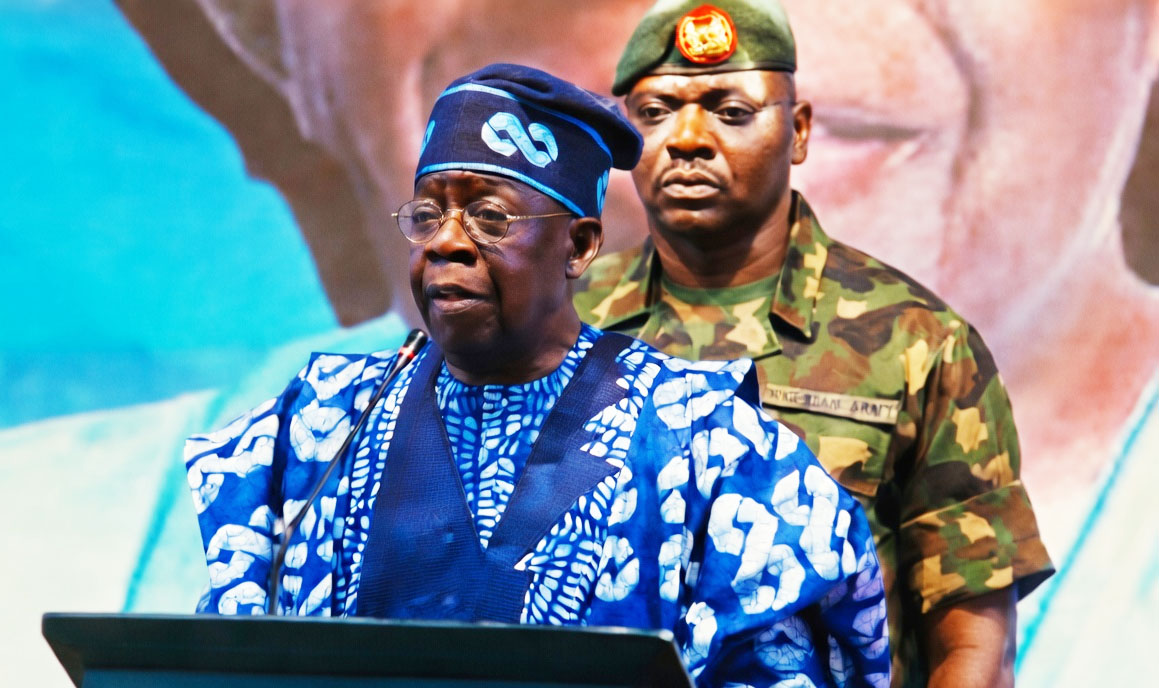
President Bola Tinubu has pledged to defeat banditry, terrorism, and insecurity across Nigeria, promising continued investment in the country’s security architecture. He made the declaration while commissioning the Gateway International Airport and several other federal projects in Ogun State on Saturday.
Speaking at a reception following the inauguration, Tinubu said his administration will intensify efforts to protect lives and property across the nation. “We will win over banditry and defeat insecurity. We will continue to invest more to strengthen the security architecture of Nigeria,” he stated, emphasizing the government’s commitment to national safety.
The president described the Gateway International Airport as the economic nerve center of Nigeria’s corridor, highlighting its role in boosting the aviation sector, trade, and socioeconomic development in Ogun State and the wider region. The airport is integrated with independent gas and energy infrastructure, ensuring sustainability and operational efficiency.
Tinubu also lauded Governor Dapo Abiodun for using improved federal allocations to develop infrastructure capable of driving Ogun State to greater economic heights. He praised the state government’s focus on mobility, security, agriculture, and industrial development, noting that projects like the airport and new Gateway Airlines will enhance trade, logistics, and employment opportunities.
READ ALSO:
- La Liga: Barcelona Fight Back to Beat Atletico Madrid 2–1
- Gov Yusuf Pledges Full Support for Tinubu, Declares APC Unbeatable in Kano
- Military Arrests Two Suspects, Recovers Weapons After Jos Crisis
Governor Abiodun, in his remarks, emphasized the transformative impact of the airport and related infrastructure on Ogun State’s economy. He noted that the state’s internally generated revenue has grown from ₦40 billion to over ₦250 billion annually, while its GDP increased from ₦4 trillion to ₦17 trillion over the past seven years. He added that the airport features a four-kilometre runway, modern control tower, advanced aviation systems, and cargo facilities, making it a centerpiece of the state’s emerging aerotropolis.
The ceremony also saw the launch of Gateway Airlines, operating Bombardier CRJ900 aircraft, alongside cargo services designed to expand trade and logistics capacity. Beyond aviation, Ogun State has invested heavily in roads, healthcare, and housing, including over 1,600 km of rehabilitated roads, more than 7,000 affordable homes, and 140 primary healthcare centers, according to Governor Abiodun.
The event was attended by prominent dignitaries including Senate President Godswill Akpabio, former President Olusegun Obasanjo, state governors, lawmakers, captains of industry, and traditional leaders. Both praised the collaboration between federal and state governments in delivering critical infrastructure, with Tinubu’s leadership highlighted as key to Nigeria’s development and security progress.
Tinubu emphasized that the federal government’s reforms and infrastructure investments are people-centered, aimed at improving daily life, fostering prosperity, and ensuring national security. He added that these efforts are designed to overcome violence and terrorism while positioning Nigeria for sustained economic growth.
Tinubu Commissions Gateway Airport, Pledges to Crush Banditry in Nigeria


News
Mother, Six Children Kidnapped in Fresh Kaduna Bandit Attack

Mother, Six Children Kidnapped in Fresh Kaduna Bandit Attack
In a fresh wave of banditry in Kaduna State, a mother and six children were abducted from their home in Kurmin‑Uwa near Janjala community in Kagarko Local Government Area on Friday night. The attack comes less than 24 hours after suspected bandits kidnapped ten residents, including seven members of a single family, in Unguwar Sabon‑Titi, Katari.
According to residents, the raid occurred around 10:23 p.m., with the assailants going directly to the targeted house before whisking away the victims, identified as Ladi Malachy, Patience Malachy, Promise Malachy, Inama Malachy, Peter Malachy, and Aboyi Malachy. Witnesses said the attackers fled into surrounding forests, leaving the community in fear.
READ ALSO:
A local resident, Ibrahim Shehu, confirmed the abduction, while a community leader, speaking on condition of anonymity, revealed he alerted security operatives immediately after learning about the raid. However, it remains unclear whether authorities responded promptly. Kurmin‑Uwa is located about two kilometres from Kagarko town, an area that has seen repeated bandit attacks on households.
Security sources indicate that search and rescue operations have been launched, as authorities work to locate the kidnappers and secure the release of the abducted family. Meanwhile, the Kaduna State Police Command has yet to issue an official statement regarding the incident.
The back‑to‑back kidnappings have heightened tension in rural Kaduna communities, with residents calling for intensified patrols, improved security presence, and faster emergency response to prevent further abductions. Analysts warn that without swift action, such violent raids may continue to terrorise villages across the state.
Mother, Six Children Kidnapped in Fresh Kaduna Bandit Attack
News
INEC Warns ADC Against Holding Convention Without Supervision
INEC Warns ADC Against Holding Convention Without Supervision
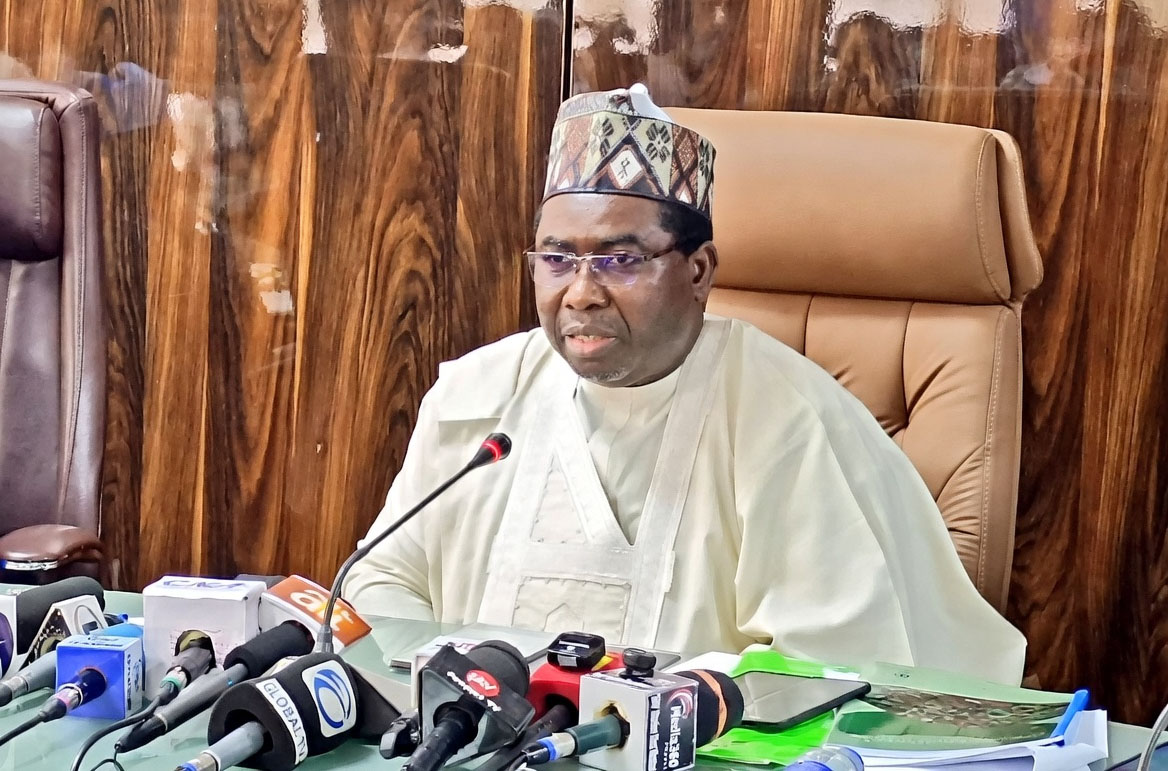
The Independent National Electoral Commission (INEC) has cautioned the African Democratic Congress (ADC) against proceeding with its planned congresses and national convention without proper supervision and in defiance of an existing court order.
Chairman Joash Amupitan issued the warning during an interview on Arise TV on Friday, after the ADC insisted on going ahead with its convention despite INEC’s derecognition of the leadership faction linked to David Mark and Rauf Aregbesola.
Amupitan stressed that INEC’s actions were guided by legal considerations, particularly a subsisting court order restraining the ADC from taking steps that could undermine ongoing legal proceedings. “Don’t do anything. Don’t take any step that will render any proceeding before the court nugatory,” he said.
READ ALSO:
- APC Rejects ADC Claims, Says Tinubu Not Responsible for Party’s Legal Troubles
- Fani‑Kayode Fires Back at Peter Obi, Defends NADECO’s Legacy
- Presidency Clarifies Why Tinubu Met Plateau Victims Only at Airport
He explained that the ADC’s plan to conduct congresses and a national convention is already part of a pending legal process, with motions related to the activities yet to be determined by the court. Ignoring the court’s directive, he warned, could result in invalidated elections or nullified internal party decisions, citing precedents in Zamfara and Plateau states where failure to comply with court orders affected electoral outcomes.
Amupitan highlighted the risks of repeating past mistakes, stressing that while the ADC is free to act as it chooses, INEC would not risk supervising illegal or unauthorized party activities. He reinforced the importance of adhering to the Electoral Act and judicial directives to ensure that party events are legally recognised and free from future challenges.
The INEC Chairman’s warning comes amid heightened tension within the ADC, with the faction led by David Mark facing derecognition and ongoing litigation over the party’s legitimate leadership. Analysts note that the statement underscores INEC’s commitment to rule of law, legal compliance, and internal party democracy, especially as Nigeria approaches the 2027 general elections.
INEC Warns ADC Against Holding Convention Without Supervision

-

 metro1 day ago
Pastor Found Dead in Guest House After Night Out With Married Female Church Member
-

 metro3 days ago
Tinubu Approves 1,000 Forest Guards, Orders 5,000 CCTV Cameras to Boost Security in Plateau
-

 Health1 day ago
Men Encouraged to Ejaculate More to Reduce Prostate Cancer Risk
-

 International2 days ago
Iran Announces ‘Bounty’ on US Pilots After Claiming Downing of Fighter Jet
-

 Politics1 day ago
Adeleke’s Aide Anisu Resigns, Defects to APC
-

 Politics1 day ago
Wike: PDP Not Financially Ready for 2027 Presidential Election
-

 Africa2 days ago
Nigeria Apologises Over ‘Igbo King’ Controversy in South Africa as Protests Turn Violent
-

 Sports3 days ago
UEFA Threatens to Strip Italy of Euro 2032 Hosting Rights