
metro
Two million pounds ‘stolen’ by ex-Minister Jeremiah Useni seized in Jersey

Nigeria’s retired general and politician, Jeremiah Useni, has forfeited 1.9 million British pounds hidden in bank accounts on the Island of Jersey, a court in that country ruled on Thursday, according to a local newspaper.
Bailiwick Express reported that the Royal Court of Jersey seized the funds kept in four accounts at the Standard Chartered Bank over a period of 15 years begining in 1986 when the old soldier first opened an account in the name of “Tim Shani.”
It has since turned out Tim Shani is a fake name the former minister used in concealing his loot.
Mr Useni, 79, was a Lieutenant General in the Nigerian Army and close ally of late kleptocrat Sani Abachaunder whom he served as Minister for the Federal Capital Territory. He later represented Plateau South in the Nigerian Senate between 2015 and 2019.
In 2006, a probe by the Office of the National Security Adviser under President Olusegun Obasanjo indicted Mr Useni. The probe report exclusively obtained by PREMIUM TIMES said Mr Useni acquired real estate, hospitality, petrol service, and farm assets from illicit sources.
Two of the assets identified in the probe report – Tim Tali Motels, Langtang, and Tim Tali Farms, Gwagwalada – have names similar to the fictitious name he used in Jersey.
READ ALSO:
- Troops dislodge IPOB/ESN training camp, neutralise two wanted gunmen
- We’ll hold CAN, Kumuyi responsible for eventuality in crusade – IPOB
- UPDATE: Two Killed, Three Injured In Fresh Lagos Building Collapse
In 2001, the Standard Chartered Bank in Jersey wrote Mr Useni – who was then known to the bank as “Tim Shani” – that newly enacted stricter anti-money regulations required him to submit a certifified copy of his passport.
Responding six months later, he continued to present himself falsely as “Mr Shani” and then requested that the funds in his accounts be transferred to a Nigerian bank account. His request was rejected, and in 2003, the matter triggered law enforcement actions, leading to the freezing of the suspicious accounts.
After four years of repeated attempts by Mr Useni’s lawyer to unfreeze the accounts, he finally disclosed his true identity and his ownership of the accounts in 2007.
While making that disclosure, he claimed to have derived his wealth from multiple businesses including transportation, hospitality, petrol stations, property investment, and personal savings. He said he decided to hide his wealth offshore for “security” because of the instability in Nigeria.
The businesses he cited as sources of his wealth were similar to those listed by the Obasanjo era probe as having been illegally acquired in Nigeria.
He was said to have provided no information about his income in the 1980s and 1990s to explain the provenance of his wealth but he said he had used the non existent “Tim Shani” to open the accounts based on advice from his agent to use a “coded password name”
Jersey’s Attorney General concluded that he had done so to hide his connection with the funds and conceal their likely criminal source.
“The Attorney General believes that the Shani accounts were created to hold, hide and conceal bribes or other proceeds of corruption received by Useni during the period he held office,” Bailiwick Express quoted the court as saying before ordering the forfeited funds be transferred to Jersey’s Criminal Offences Confiscation Fund.
READ ALSO:
- After FG’s payment of arrears, ASUU Says strike continues
- Again, gunmen strike Anambra, abduct politician, shoot son
- NAF Jets bomb Boko Haram/ISWAP convoy in Borno, kills scores of terrorists
“The payments into the Shani accounts were more likely than not for the purposes or on account of exercising political influence over the award of lucrative contracts to foreign and Nigerian companies for the supply of industrial or commercial services in Nigeria.”
Mr Useni’s Jersey lawyer had reportedly tried to explain the source of the funds as cash gifts from friends and well-wishers during festive seasons in accordance with Nigerian culture. In addition, the lawyer claimed there was no Code of Conduct for public officers in Nigeria at the time the purported gifts were received.
The court rejected the explanations as absurd and incredible.
“The affidavits of [Gen Useni] have not satisfied the Court that the property held in the bank accounts is not tainted property and on the application of the Attorney General, we will make a Forfeiture Order in relation to that property,” the court concluded, according to Bailiwick Express.
Between 2003 and 2020, at least $470 million – stolen and laundered through the U.S. by late Mr Abacha and family and associates such as Kebbi State Governor Atiku Bagudu – was repatriated to Nigeria from Jersey.
However, the court did not rule that the 1.9 million pounds recovered from Mr Useni be transferred to Nigeria.
Mr Useni did not answer calls or reply a text message seeking his comment on Friday.




metro
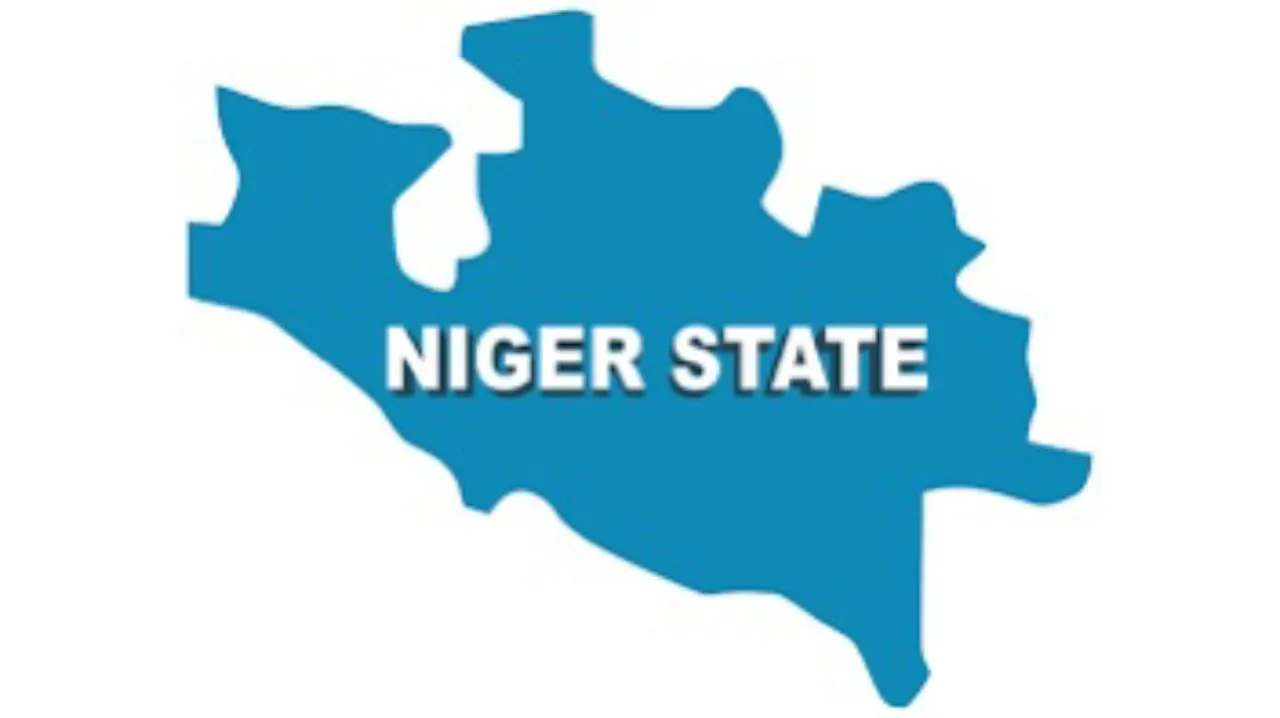
26 Killed as Bandits Attack Niger Communities, Burn Police Station, Homes
26 Killed as Bandits Attack Niger Communities, Burn Police Station, Homes
A fresh bandit attack in Borgu Local Government Area, Niger State, has left at least 26 people dead, destroyed homes, looted shops, and burnt down a police station, heightening fears in communities already plagued by insecurity. The raid targeted Tungan Makeri and Nkpaso communities in Konkoso ward during the early hours of Saturday, with gunmen reportedly moving house to house in a coordinated assault.
Eyewitnesses said the attackers, believed to number over 200 heavily armed men, executed some victims after tying their hands behind their backs. Seven of the deceased were reportedly slaughtered outright, while others were shot. Survivors fled in panic, leaving behind belongings, homes, and shops as the assailants razed property in their path.
The bandits also burnt down the police station at Konkoso, forcing officers on duty to flee. Although no weapons were reportedly taken, the destruction of the security post underscores the attackers’ dominance during the raid. Local sources suggest the assault may have been retaliatory, targeting communities that recently petitioned the federal government for a military base to curb escalating attacks.
READ ALSO:
- ‘Anti-Muslim Timetable’: MURIC Slams INEC Over 2027 Elections
- Boko Haram Terrorists Release Video of 176 Abducted Kwara Residents
- Troops Neutralise Scores of Terrorists, Recover Arms in Yobe
A community insider explained that the attackers told residents the government could not protect them and warned of further raids. Those killed were reportedly among the villagers advocating for federal intervention, sending a chilling warning to others.
This attack follows a Save-Our-Soul (SOS) appeal made last week by political and traditional leaders in Borgu and Agwara Local Government Areas, requesting the federal government urgently deploy troops and establish a military base. Leaders described the security situation as “worrisome and scary,” with the entire Borgu Kingdom under siege from bandits and criminals over the past three months.
Most Rev. Dr. Bulus Dauwa Yohanna, the Chairman of the Christian Association of Nigeria (CAN) Niger State chapter and Catholic Bishop of Kontagora Diocese, noted that residents now live in constant fear, unable to farm, trade, or carry out daily activities safely. He called for urgent government intervention to restore peace.
As of the time of reporting, neither the Niger State Government nor the state police command has issued an official response to the attack. Security experts warn that the latest raid underscores the escalating security crisis in Niger State and North-Central Nigeria, calling for swift military reinforcement, better intelligence deployment, and protection of vulnerable communities.
26 Killed as Bandits Attack Niger Communities, Burn Police Station, Homes
metro
‘Anti-Muslim Timetable’: MURIC Slams INEC Over 2027 Elections
‘Anti-Muslim Timetable’: MURIC Slams INEC Over 2027 Elections
The Muslim Rights Concern (MURIC) has rejected the 2027 election timetable released by the Independent National Electoral Commission (INEC), accusing the commission of acting as if there are no Muslims in Nigeria by fixing major election dates within the holy month of Ramadan.
In a statement issued on 14 February 2026, MURIC’s Executive Director, Professor Ishaq Akintola, described the timetable as exclusive, insensitive and provocative, warning that it could disenfranchise millions of Muslim voters across the country.
According to the schedule announced in Abuja on 13 February 2026 by INEC Chairman, Professor Joash Amupitan, the presidential and National Assembly elections are slated for 20 February 2027, while governorship and state assembly elections are fixed for 6 March 2027. MURIC noted that Ramadan is projected to begin around 8 February and end about 10 March 2027, meaning all major elections would take place during the fasting period.
The organisation argued that holding elections during Ramadan would impose severe hardship on Muslim voters, electoral officials, ad hoc staff and security personnel who would be fasting while participating in a physically demanding national exercise. According to MURIC, this could lead to fatigue, reduced voter turnout and heightened tension at polling units.
READ ALSO:
- Boko Haram Terrorists Release Video of 176 Abducted Kwara Residents
- Troops Neutralise Scores of Terrorists, Recover Arms in Yobe
- Woman Arrested Over Murder of Nigerian E-Hailing Driver in South Africa
MURIC further accused INEC of failing to consider Nigeria’s religious diversity, questioning whether Muslim staff or commissioners were consulted during the drafting of the timetable. The group said proper consultation with past INEC chairmen would have highlighted the need to avoid scheduling elections during major national or religious events.
The group warned that the implications of the timetable go beyond inconvenience, alleging that it amounts to religious discrimination and an attempt to alienate and disenfranchise Nigerian Muslims. It also expressed concern that fasting security personnel and election workers could face excessive stress during early-morning deployments and long election hours.
Professor Akintola added that continued disregard for Muslim concerns could fuel anger among youths, warning that frustration may escalate if the timetable is not reviewed. He maintained that the election calendar gives the impression that Muslim opinions no longer matter in government decision-making.
As of the time of filing this report, INEC has not responded to MURIC’s claims or indicated whether it plans to review the 2027 election timetable. The development has sparked debate nationwide, with growing calls for inclusive and sensitive election planning in a multi-religious society like Nigeria.
‘Anti-Muslim Timetable’: MURIC Slams INEC Over 2027 Elections
metro
Boko Haram Terrorists Release Video of 176 Abducted Kwara Residents

Boko Haram Terrorists Release Video of 176 Abducted Kwara Residents
Suspected members of Boko Haram, formally known as Jama’atu Ahlissunnah Lidda’awati wal-Jihad, have circulated a video showing 176 abducted residents allegedly taken from Woro community in Kaiama Local Government Area of Kwara State.
The disturbing footage, which has since sparked outrage and fear across the state, reportedly shows dozens of women and children seated in rows in an open area, surrounded by armed men. Among them were a nursing mother and several minors. Some of the children appeared half-clothed, while many of the captives looked visibly distressed, suggesting harsh conditions in captivity.
In the video, one of the armed men interrogates the captives, asking where they were abducted. Responding in Hausa, three women — including a nursing mother — stated that they were kidnapped from Woro community in Kaiama LGA.
During the recording, the terrorist accused the Kwara State Government of downplaying the scale of the abduction. According to him, while officials reportedly claimed that between 20 and 30 persons were kidnapped, the group insisted it was holding 176 victims.
“The Kwara State government lied to Nigeria and to the whole world,” the gunman alleged in the footage.
READ ALSO:
- Troops Neutralise Scores of Terrorists, Recover Arms in Yobe
- Woman Arrested Over Murder of Nigerian E-Hailing Driver in South Africa
- Fubara Chooses Peace, Dedicates “Man of the Year” Award to Wike
As of the time of this report, the Kwara State Government has not publicly confirmed the number of persons abducted from Woro community nor officially responded to the claims made in the video.
Background to the Attack
The video emerged weeks after a deadly attack on Woro community on February 4, 2026, when suspected terrorists stormed the area in a coordinated assault. Local sources reported that several residents were killed during the invasion, including family members of the Emir of Woro, the Chief Imam, and education officials.
The traditional ruler, Alhaji Saliu Bio Umar, was reported missing following the attack, fuelling concerns that he may have been abducted during the raid. The assailants reportedly attacked both residents and travellers passing through the community, killing indiscriminately before retreating.
Security analysts have linked the attackers to extremist elements believed to have operational ties across the Sahel region, raising concerns about the possible expansion of insurgent networks into parts of North-Central Nigeria previously considered relatively stable.
Rising Security Concerns in Kwara
The incident has heightened anxiety across Kaiama LGA and surrounding districts, particularly in Kwara North, where residents say rural communities remain vulnerable due to limited security presence and difficult terrain.
While security agencies have reportedly intensified surveillance and deployment in affected areas, there has been no official statement confirming rescue operations or negotiations regarding the abducted victims.
Community leaders have called on the Federal Government and security forces to urgently intervene to secure the safe release of the captives and prevent further attacks.
The emergence of the video has once again drawn national attention to the evolving security challenges in Kwara State and the need for coordinated efforts to curb the spread of extremist violence beyond the North-East region.
Boko Haram Terrorists Release Video of 176 Abducted Kwara Residents

-

 metro2 days ago
IKEDC Sets Feb 20 Deadline for Customers to Submit Valid IDs or Face Disconnection
-
 Education2 days ago
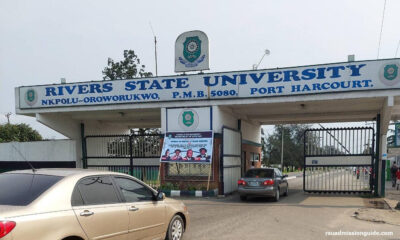
Supreme Court Affirms Muslim Students’ Right to Worship at Rivers State University
-

 metro2 days ago
Lagos Police Launch Manhunt for Suspect in Brutal Ajah Murder
-

 News2 days ago
Aso Rock Goes Solar as Tinubu Orders National Grid Disconnection
-

 Business2 days ago
Naira Could Trade Below ₦1,000/$ With Dangote Refinery at Full Capacity — Otedola
-

 metro2 days ago
Army University Professor Dies in Boko Haram Captivity After Nearly One Year
-

 International2 days ago
Trump Halts Minnesota Immigration Crackdown After Fatal Shootings, Protests
-

 Politics3 days ago
City Boy Movement Receives Bus Donations from Zenco, Obi Cubana for Tinubu’s Campaign