
News
U.S lawmakers push sanctions on Nigerian governors, others over ‘Christian genocide’ claims
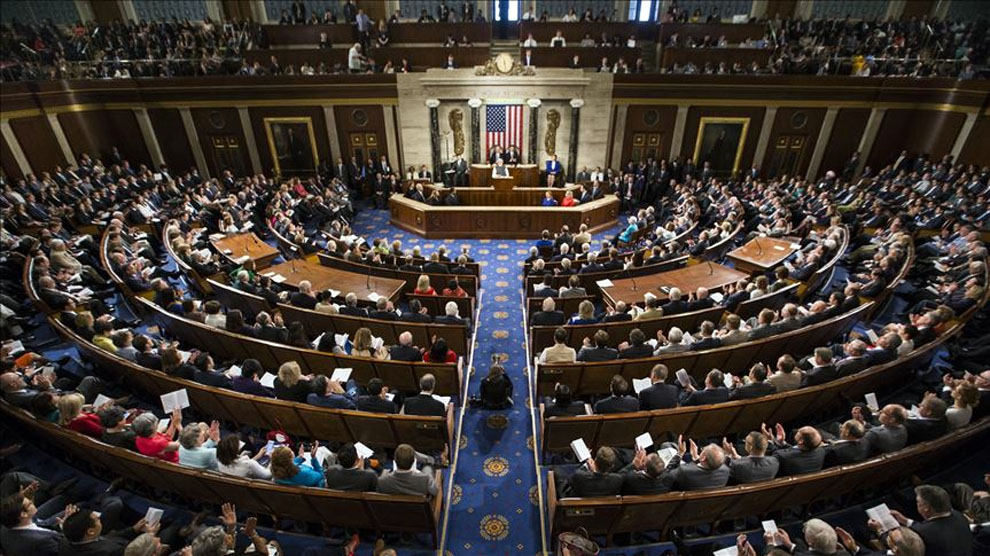
U.S lawmakers push sanctions on Nigerian governors, others over ‘Christian genocide’ claims
A major diplomatic clash may be brewing between Nigeria and the United States as the U.S. Congress debates a bill seeking to impose sweeping sanctions on a number of northern Nigerian governors, traditional rulers, and senior judicial officers accused of complicity in what American lawmakers describe as “Christian persecution” under Nigeria’s Sharia and blasphemy laws.
The proposed legislation, titled “Nigeria Religious Freedom Accountability Act of 2025”, was introduced on September 9, 2025, by Republican Senator Ted Cruz. It designates Nigeria as a “Country of Particular Concern (CPC)” for religious persecution and mandates direct sanctions against public officials or religious figures allegedly involved in or tolerant of faith-based violence.
Under the bill, the U.S. Secretary of State must, within 90 days of its passage, submit to Congress a list of Nigerian officials — including governors, judges, and monarchs — who have “promoted, enacted, or maintained blasphemy laws” or “tolerated violence by non-state actors invoking religious justification.”
Sanctions would be implemented under Executive Order 13818, which operationalizes the Global Magnitsky Human Rights Accountability Act, potentially resulting in visa bans, asset freezes, and financial restrictions on those found culpable.
Trump, Rubio Back Action on Nigeria
The renewed U.S. pressure follows a post by former President Donald Trump on his Truth Social platform last Friday, in which he accused Nigerian authorities of turning a blind eye to the “genocide of Christians.”
Trump, who previously designated Nigeria as a Country of Particular Concern during his administration, urged Congressman Riley Moore and House Appropriations Committee Chairman Tom Cole to urgently investigate the situation.
He warned that if Nigeria’s government fails to stop what he called “the killing of Christians,” the United States could halt all aid — and even consider military intervention.
“If the Nigerian Government continues to allow the killing of Christians, the USA will immediately stop all aid and assistance to Nigeria, and may very well go into that now disgraced country, ‘guns-a-blazing,’” Trump wrote.
READ ALSO:
- Cooking gas price sells at N1,200 per kg
- Otedola donates N4 Billion to Augustine University, awards N10 million to physically-challenged graduate
- NiMet forecasts dust haze, thunderstorms across Nigeria
In a similar tone, U.S. Secretary of War Pete Hegseth declared on X (formerly Twitter) that his department is “preparing for action” if Nigeria fails to protect its Christian population.
Focus on Sharia Law and Blasphemy Provisions
A major highlight of the proposed bill is its focus on the implementation of Sharia law in 12 northern Nigerian states, which U.S. lawmakers claim has institutionalised discrimination against Christians and other minorities.
The states include Zamfara, Kano, Sokoto, Katsina, Bauchi, Borno, Jigawa, Kebbi, Yobe, Kaduna, Niger, and Gombe.
Sharia law, reintroduced in northern Nigeria between 1999 and 2000 following the country’s return to civilian rule, expanded its jurisdiction beyond personal and family law to include criminal provisions for Muslims.
The U.S. bill argues that these laws have created an environment enabling mob violence and the persecution of religious minorities, citing incidents such as the murder of Deborah Samuel in Sokoto in 2022 and similar blasphemy-related killings in Kano and Bauchi States.
Nigeria Rejects Allegations, Defends Legal System
The Federal Government of Nigeria has dismissed the allegations as “inaccurate and misleading,” insisting that the country remains committed to religious freedom and constitutional democracy.
In a policy statement issued by the Ministry of Foreign Affairs, the government emphasised that Nigeria’s 1999 Constitution prohibits the adoption of any state religion (Section 10) and guarantees freedom of thought, conscience, and religion (Section 38).
“Sharia in Nigeria is not a nationwide or compulsory system,” the government said.
“Only Muslims are subject to Sharia-based criminal codes in certain northern states, and non-Muslims cannot be tried under those provisions.”
The statement added that even where Sharia courts issue judgments, constitutional safeguards such as fair hearing and due process apply, with secular appellate courts maintaining oversight.
READ ALSO:
- Community leader killed in Benue ambush amid rising insecurity
- Haaland fires Man City past Bournemouth to maintain title push
- Nigerian elders warn U.S. against military action over unverified religious persecution claims
Nigeria further argued that many incidents described internationally as religious violence are in fact linked to terrorism, communal conflict, or resource competition, rather than faith-based persecution.
“Boko Haram and ISWAP remain proscribed terrorist organisations,” the note read.
“Thousands of arrests and prosecutions have been carried out under the Terrorism (Prevention) Act without discrimination on religious grounds.”
Human Rights Concerns Remain
Nevertheless, human rights advocates and religious freedom monitors have repeatedly raised concerns about blasphemy-related violence and mob justice in the country.
Several high-profile killings — including that of Deborah Samuel, Bridget Agbahime, and Usman Buda — have drawn international condemnation amid criticism that perpetrators rarely face justice.
Senator Cruz, defending his bill, said:
“Since 2009, over 52,000 Christians have been murdered, 20,000 churches and faith institutions destroyed, and dozens of villages wiped out. The federal and state governments have failed to act — in many cases, they are complicit.”
Potential Diplomatic Fallout
If enacted, the Nigeria Religious Freedom Accountability Act would compel the U.S. to impose targeted sanctions on Nigerian officials enforcing or tolerating Sharia and blasphemy laws.
It would also reaffirm Boko Haram and ISIS-West Africa as “Entities of Particular Concern” under the International Religious Freedom Act of 1998 and the Frank R. Wolf International Religious Freedom Act of 2016.
Analysts warn that passage of the bill could strain U.S.–Nigeria relations, affecting security cooperation, trade, and diplomatic engagement between the two countries.
For now, the Nigerian government maintains that it upholds religious liberty for all citizens and will continue to engage diplomatically to correct what it calls a “mischaracterisation” of its legal and cultural framework.
U.S lawmakers push sanctions on Nigerian governors, others over ‘Christian genocide’ claims
Punch









News
Fani-Kayode fires back, denies Germany snub over ambassadorial posting
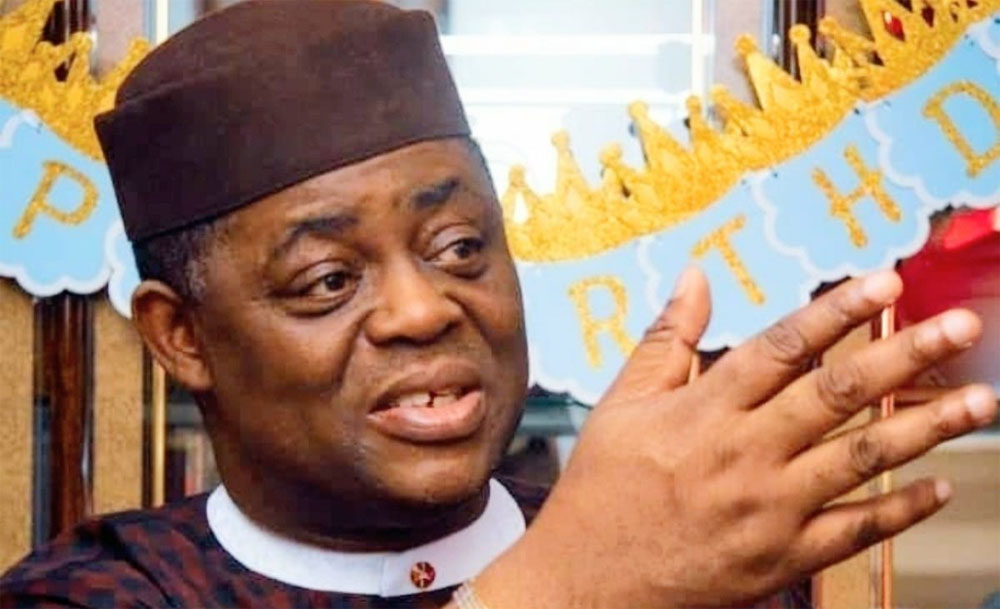
Fani-Kayode fires back, denies Germany snub over ambassadorial posting
Former Minister of Aviation, Femi Fani-Kayode, has strongly refuted reports alleging that his ambassadorial nomination was turned down by the German government, describing the claims as false and politically motivated.
An online publication, Peoples Gazette, had earlier reported that German authorities declined his posting over concerns tied to alleged ethnic and religious remarks, as well as what it described as a “controversial track record.”
The report claimed the decision was taken on March 13, 2026, citing unnamed officials who reportedly raised issues about his “erratic behaviour” and past comments deemed divisive and potentially destabilising. It further suggested that the former minister could be reassigned to another country, possibly South Africa.
Bola Tinubu had previously approved Fani-Kayode’s nomination as an ambassador-designate to a Central European nation, as part of broader diplomatic postings.
Reacting swiftly via his official X (formerly Twitter) account, Fani-Kayode dismissed the claims as “fake news,” insisting that no such rejection had occurred. He accused unnamed opposition figures of orchestrating a smear campaign aimed at derailing his appointment.
According to him, critics unsettled by his nomination are actively pushing narratives to discredit him and frustrate the process.
“Fake news everywhere. These opposition elements are so pained by my appointment, and they are doing everything to discredit me and scuttle it,” he wrote, adding, “Whether they like it or not, I will serve my country.”
The development adds a fresh layer of controversy to Nigeria’s ongoing ambassadorial appointments, with official clarification from the Federal Government or German authorities yet to be issued.
News
UK Raises Visa Costs, Tightens Immigration Rules From April 8

UK Raises Visa Costs, Tightens Immigration Rules From April 8
The UK Home Office has announced a sweeping increase in visa application charges, with new fees taking effect from April 8, 2026, as part of a broader strategy by the Government of the United Kingdom to curb migration and shift more costs onto applicants.
Under the revised structure, visa fees across visitor, student, work, settlement, and citizenship routes will rise, with some categories recording increases of over £200. The move reflects a tougher immigration stance amid sustained political and public pressure to reduce net migration.
Short-term visitor visas of up to six months will see a modest increase from £127 to £135. However, longer-duration visas will rise more sharply, with two-year visas now costing £506, five-year visas £903, and ten-year visas climbing to £1,128.
For those seeking long-term residency, the cost of settlement visas has increased significantly, with some routes exceeding £2,000, while Indefinite Leave to Remain (ILR) now rises to £3,226. Similarly, British citizenship applications will increase from £1,605 to £1,709, adding to the financial burden on migrants aiming to permanently settle in the UK.
READ ALSO:
- NCC Orders MTN, Other Telcos to Compensate Subscribers for Poor Network Service
- Abuja Convention: Wike PDP Faction Confirms Mohammed as Chairman, Anyanwu as Secretary
- Debate as OPM Pastor Marries Autistic Man to Older Woman
The impact is also pronounced on work and study visas. The Skilled Worker visa for applicants outside the UK will now cost £819 for stays of up to three years, while student visa applications will rise to £558. The Graduate visa route has also been increased to £937, marking one of the more noticeable jumps in the new pricing regime.
Beyond application fees, applicants must still pay the Immigration Health Surcharge (IHS), which remains a substantial additional cost. This brings the total cost of relocating to the UK significantly higher for many migrants, especially students and early-career professionals.
Explaining the decision, Home Secretary Shabana Mahmood said the changes were necessary to address increasing migration pressures, including a rise in asylum applications from countries such as Afghanistan, Cameroon, Myanmar, and Sudan.
In addition to the UK visa fee increase, authorities are introducing stricter immigration controls. These include plans to offer up to £10,000 to failed asylum seekers willing to leave voluntarily, as well as withdrawing state-funded accommodation from migrants found to be working illegally.
The government is also tightening rules around international education by proposing an “emergency brake” on student visas from countries considered high-risk for overstaying. Universities may face increased scrutiny, while compliance checks on employers sponsoring foreign workers are expected to intensify.
Taken together, the measures signal a decisive shift toward a more restrictive immigration system, with the UK aiming to balance economic migration needs against growing demands to reduce inflows.
For prospective migrants, including many from Nigeria, the changes mean higher upfront costs, stricter visa conditions, and increased scrutiny, making the path to studying, working, or settling in the UK more challenging.
UK Raises Visa Costs, Tightens Immigration Rules From April 8
News
Final Notice: FG Orders Civil Servants to Complete PASGA Verification by March 31

Final Notice: FG Orders Civil Servants to Complete PASGA Verification by March 31
The Federal Government of Nigeria has set Tuesday, March 31, 2026, as the final deadline for civil servants to complete the mandatory Personnel Audit and Skills Gap Analysis (PASGA) verification exercise. Workers who fail to comply risk salary suspension and other administrative sanctions, officials warned.
The directive, issued by the Head of the Civil Service of the Federation (OHCSF), Didi Walson-Jack, applies to all employees within the Federal Civil Service. The memo emphasised that the verification process is part of the government’s ongoing effort to eliminate ghost workers, enhance workforce accountability, and improve efficiency in public service operations.
The PASGA exercise consists of two components: Personnel Verification and Skill Assessment and Competency Analysis. Civil servants who have not completed either component are required to do so by March 31, 2026, to obtain their Certificates of Completion. These certificates must then be submitted to the Director of Human Resource Management in their respective Ministries, Departments, and Agencies (MDAs).
READ ALSO:
- Mozambique Deports 13 Nigerians Without Charges, 29 Still Detained
- Iranian Missiles, Drones Strike US Air Base in Saudi Arabia
- Millions to March Across US in Largest Anti-Trump Demonstrations
The OHCSF warned that any officer who fails to comply will be subject to “appropriate administrative sanctions in line with extant rules and regulations,” which may include suspension from the payroll until compliance. Permanent Secretaries and Heads of MDAs have been instructed to circulate the memo widely to ensure that all affected officers are informed.
The PASGA exercise, rolled out in 2025, is designed to assess staffing structures, identify skill gaps, and support the development of targeted training and capacity-building programmes aligned with national priorities. Its outcomes will also guide government decisions on recruitment, career advancement, and resource allocation within the Federal Civil Service.
Officials say the verification process is essential to address longstanding issues such as payroll irregularities and fraudulent entries, which have historically cost billions of naira annually. Completion of the exercise will protect civil servants’ rights to salary and benefits while strengthening the integrity of Nigeria’s public service system.
Civil servants have been urged to prioritise the exercise to avoid disruptions to their pay and career progression. Authorities stressed that while compliance with local laws is expected, all government procedures must follow due process and fairness to ensure that legitimate workers are not unfairly penalised.
Final Notice: FG Orders Civil Servants to Complete PASGA Verification by March 31

-

 Entertainment7 hours ago
Funke Akindele, Toyin Abraham Spark Reactions Over Alleged Snub at Iyabo Ojo’s Premiere
-

 metro2 days ago
Tragedy in Aramoko: Trailer Rams Residential Building, Kills 300‑Level Student
-
 metro17 hours ago
Jos Attack: Plateau Govt Declares 48-Hour Curfew After Deadly Assault
-

 News3 days ago
Final Notice: FG Orders Civil Servants to Complete PASGA Verification by March 31
-

 Entertainment2 days ago
Nollywood Actress Declares Love for Ibrahim Chatta, Offers to Pay Her Own Dowry
-

 Entertainment2 days ago
Streamer Peller Escorted Out of Alake of Egbaland’s Palace in Abeokuta
-
 International3 days ago
Iranian Missiles, Drones Strike US Air Base in Saudi Arabia
-
 metro2 days ago
ADC Chairman’s Daughter Joins Pro-Tinubu Campaign Organisation