

International
UK Apologises for Historic Forced Adoption, Unveils £4 Million Support Package for Survivors
UK Apologises for Historic Forced Adoption, Unveils £4 Million Support Package for Survivors
The United Kingdom government has formally apologised to thousands of people affected by historical forced adoption practices and announced a £4 million support package to help survivors access adoption records, reconnect with relatives and receive specialist mental health support.
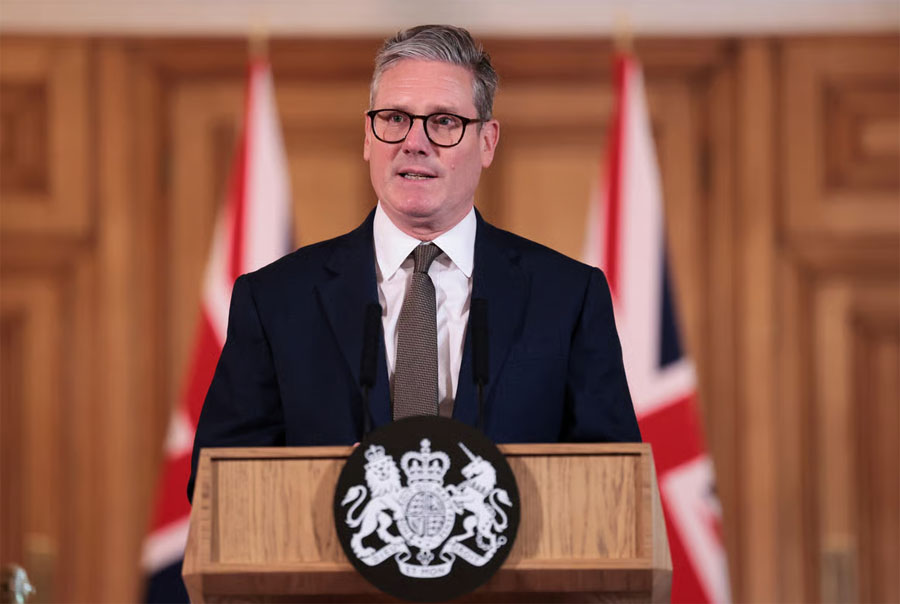
Prime Minister Keir Starmer delivered the landmark apology in the House of Commons on behalf of the British state, acknowledging that successive governments failed mothers, children and families through adoption policies that operated largely between 1949 and 1976.
The apology follows years of advocacy by survivors, campaign groups and human rights organisations, as well as recommendations by Parliament’s Joint Committee on Human Rights (JCHR), which concluded that many women were coerced into surrendering their babies for adoption rather than making a free and informed choice.
Addressing campaigners who watched from the public gallery, Starmer acknowledged the lasting trauma caused by the historical practices.
“The shame is not yours. The shame was never yours. The shame is ours.”
He added:
“And I say that on behalf of the whole country, I say it to every single person impacted: we are deeply and profoundly sorry.”
The Prime Minister admitted that many unmarried women were subjected to intense social stigma and pressure from hospitals, adoption agencies, religious institutions, social workers and even family members to give up their babies. In many cases, mothers were made to believe they were unfit to raise their children or were persuaded to sign adoption documents shortly after childbirth without meaningful support or genuine consent.
READ ALSO:
- Bandits Kill Chief Imam, Two Others in Coordinated Sokoto Village Attacks
- Court Affirms David Mark-Led ADC Leadership, Dismisses Abejide’s Suit
- FG Explains Why NYSC Khaki Will Be Replaced With Adire Fabric
The government estimates that about 185,000 mothers, adopted people and their families were directly affected by these practices. It also acknowledged the pain experienced by fathers, siblings, grandparents and extended family members who were separated from loved ones for decades.
Alongside the apology, the government announced a £4 million fund, which will be distributed over the next three years to provide practical and emotional support for those affected by forced adoption.
According to ministers, the funding will improve access to adoption records through CoramBAAF, expand intermediary services such as Family Connect to help reunite biological families where appropriate, provide specialist counselling and mental health support, strengthen peer-support networks, fund academic research into the long-term effects of forced adoption, and finance a national testimonials project to preserve survivors’ experiences.
The government said the support package was developed following extensive consultations with survivors, many of whom identified access to personal records, family reunification and emotional support as their greatest needs.
Education Secretary Bridget Phillipson described the historical practices as “an appalling injustice” that denied families precious moments and lifelong relationships.
“The pain carried by mothers, adopted children and their families who suffered this appalling injustice is unimaginable. They were cruelly denied irreplaceable moments, shared experiences and relationships which should have been theirs, and were made to feel ashamed.
“Today, on behalf of the British state, we say with one voice: this was wrong, and we are sorry. An apology cannot undo what happened, but it can be the start of real change, alongside providing the practical action, care and support that people need.”
The government also accepted responsibility for the failures of previous administrations, admitting that the state funded, enabled and legitimised systems that did not adequately protect vulnerable women and children.
Officials acknowledged that some adoption records were lost, altered or withheld, leaving many adopted people unable to trace their biological families or understand their personal histories.
“The state did not do enough to protect mothers, children and families and it failed to prevent harm from continuing. It bears responsibility for the systems it funded and legitimised, which enabled these practices to take place,” the government said.
Beyond the financial package, ministers announced several additional measures, including improving access to adoption records, expanding family reconnection services, working with NHS England to improve physical and mental healthcare for survivors, increasing awareness of historical forced adoption across public services, establishing a Lived Experience Reference Group to monitor implementation of the reforms, and commissioning a national testimonials project to preserve survivors’ stories.
The government said it would continuously assess the effectiveness of the programme and consider further research and support where necessary.
READ ALSO:
- Alleged Coup Plot: DSS Arraigns Five Over Concealment of Ex-Gov Timipre Sylva
- MURIC Commends NSCIA Over Appointment of Abbas Jimoh as Spokesperson
- Presidency Dismisses Allegation Against Gbajabiamila, Says Accuser Is an ‘Impostor’ Facing Trial
Campaign groups welcomed the apology as a historic and long-overdue acknowledgment of the suffering endured by thousands of families. However, many organisations stressed that the announcement should be the beginning—not the end—of efforts to address the lasting impact of historical forced adoption.
Several survivor groups have renewed calls for financial compensation, easier access to adoption records and expanded therapeutic services, arguing that many victims continue to live with unresolved grief, trauma and identity issues decades after being separated from their families.
The apology applies specifically to historical adoption practices in England. The government noted that Scotland and Wales have already issued formal apologies, while Northern Ireland is establishing a statutory public inquiry into Mother and Baby Institutions, Magdalene Laundries and Workhouses, where similar abuses are alleged to have occurred.
Although officials acknowledged that some coercive adoption practices extended beyond 1976, they stressed that today’s adoption system operates under stronger legal safeguards, judicial oversight and clear consent requirements designed to protect both children and birth parents.
The government encouraged anyone affected by historical forced adoption to seek assistance through organisations such as Family Connect, CoramBAAF, NHS services and specialist counselling providers.
For many survivors, the apology represents a significant step towards national recognition of a painful chapter in British history, offering hope that greater support and accountability will follow.
UK Apologises for Historic Forced Adoption, Unveils £4 Million Support Package for Survivors








International
Trump Threatens Iran With ‘Very Hard’ Response Over Flydubai Attack

Trump Threatens Iran With ‘Very Hard’ Response Over Flydubai Attack
US President Donald Trump has warned that Iran would face a “very hard” response if investigators establish that Tehran was connected to the attempted attack on a Flydubai passenger aircraft bound for Israel.
Trump made the statement on Thursday as authorities continued investigating the motive behind the Flydubai cockpit attack, in which the co-pilot allegedly stabbed the captain and caused the aircraft to plunge thousands of feet before passengers and other crew members intervened.
Asked at the White House whether the co-pilot had links to Iran, Trump indicated that investigators were examining the possibility.
“Based on what I’m hearing, yes,” Trump said, while stressing that the matter was still being investigated. He later warned that Iran would be hit “very hard” if Tehran was found to have been involved.
The incident occurred on Flydubai flight FZ1073, which was travelling from Dubai in the United Arab Emirates to Tel Aviv, Israel, on September 30.
READ ALSO:
- Phyna Knocks Out Nkechi Blessing in Fourth Round, Wins ₦50m, New Car
- NDC Protests Police Cancellation of Obi-Kwankwaso March in Akwa Ibom
- 2027 Hajj: Nigeria Secures 10,000 Extra Slots, Allocation Hits 60,000
The aircraft was carrying more than 170 passengers when the co-pilot, identified by Israeli authorities as an Omani national, allegedly attacked the captain in the cockpit. The aircraft then entered a steep descent, dropping more than 14,000 feet in about 30 seconds, according to reports.
The injured captain managed to open the cockpit door, allowing passengers to enter and overpower the co-pilot. Passengers and crew then helped stabilise the aircraft, while reserve pilots aboard the flight took control.
The aircraft eventually made an emergency landing in Tabuk, Saudi Arabia, where the injured captain received medical attention and the suspect was taken into custody.
The incident has generated competing assessments over the possible motive. Israeli Prime Minister Benjamin Netanyahu has said the co-pilot appeared to have been radicalised, but he also indicated that it was too early to determine whether Iran was involved.
The United Arab Emirates has launched an investigation into the circumstances of the incident, including whether it involved terrorism, prior planning or direction from an outside actor. Authorities have yet to publicly establish an Iranian role.
Reuters reported that the motive remained unclear, while investigators from several countries were examining the incident. Flydubai has also suspended its flights between Dubai and Israel as investigations continue. (Reuters)
The incident comes amid heightened US-Iran tensions, with Washington already increasing its military presence in the Middle East. Trump’s warning has therefore added to concerns that confirmation of an Iranian connection could trigger further escalation.
For now, however, the alleged Iran-Flydubai link remains under investigation, and no publicly released evidence has established that Tehran directed or supported the cockpit attack. (AP News)
Trump Threatens Iran With ‘Very Hard’ Response Over Flydubai Attack
International
Israeli Actor, Flight Instructor Among Two Killed In California Plane Crash
Israeli Actor, Flight Instructor Among Two Killed In California Plane Crash
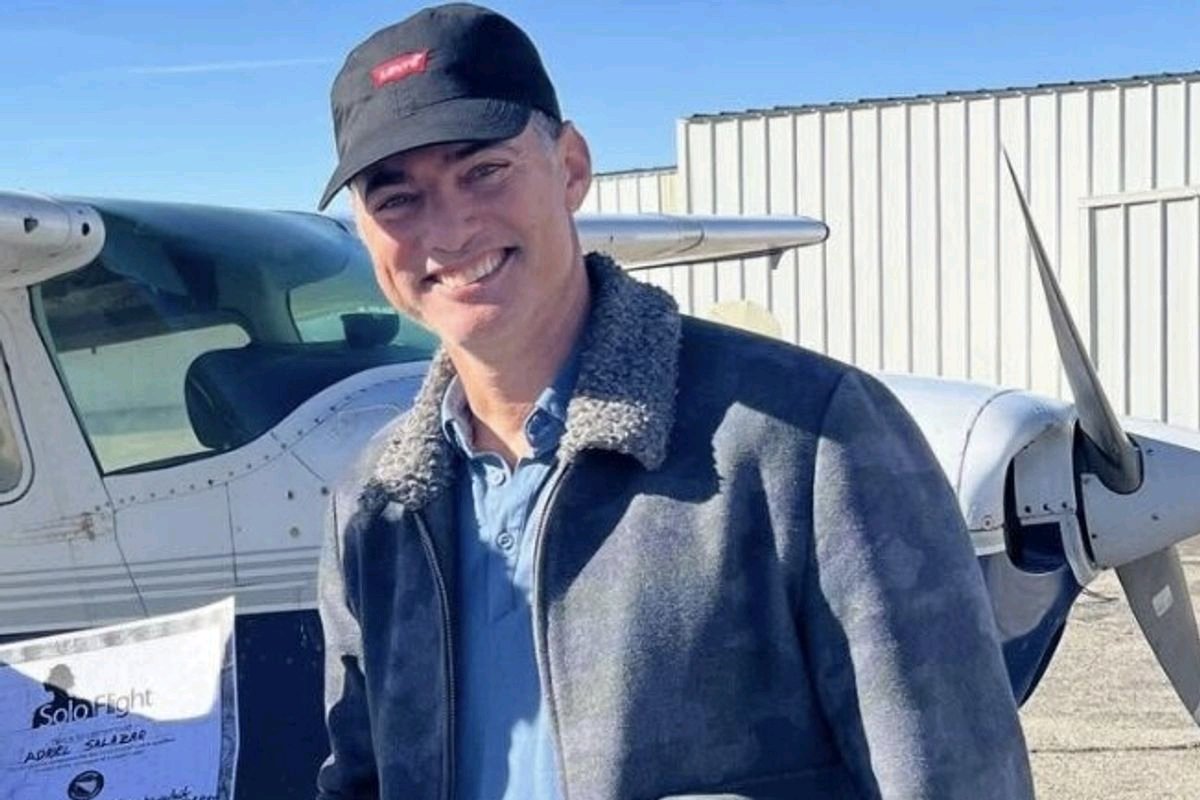
Israeli actor and flight instructor Guy Kapulnik, 46, and his passenger, Taylor Laska, 33, have died after a light aircraft crashed into a field in California, United States.
The fatal crash occurred on Thursday, September 24, 2026, near Hesperia in San Bernardino County.
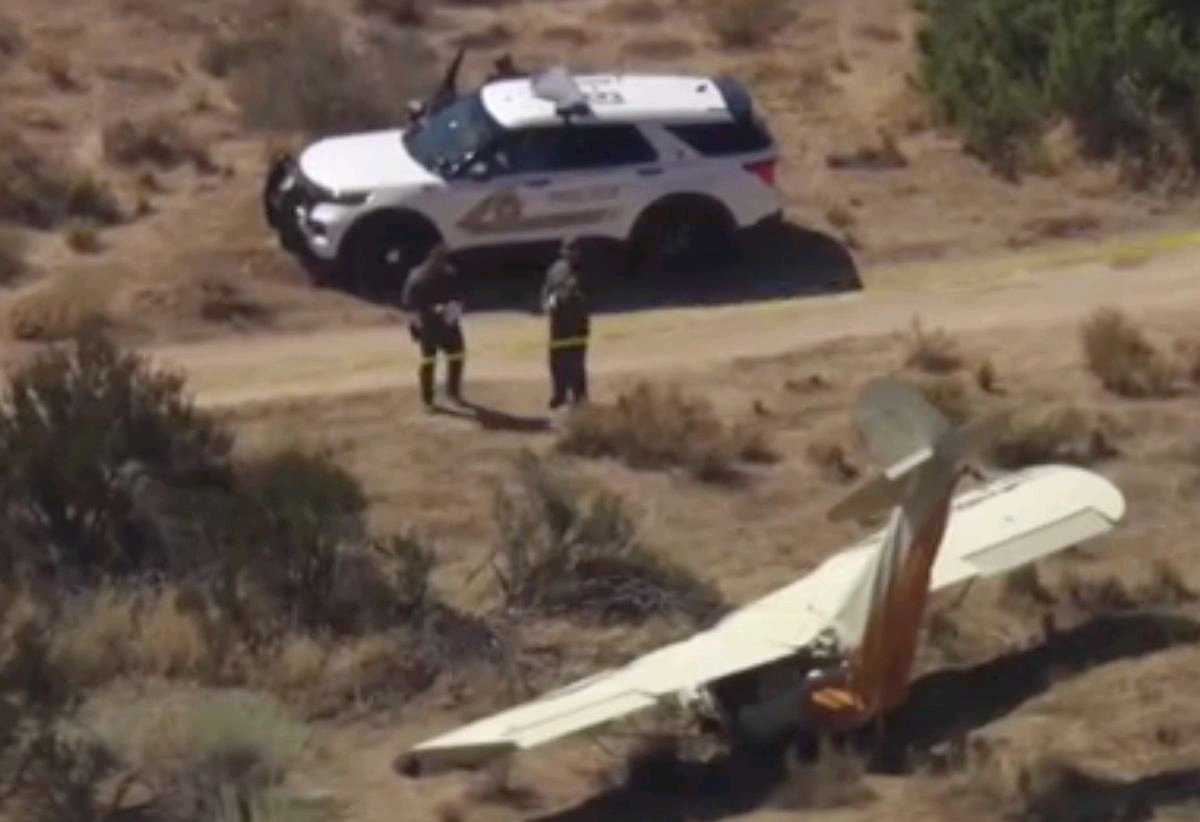
Emergency responders were alerted to the crash shortly before 10am after the small aircraft went down in an open field.
Both occupants were pronounced dead at the scene.
READ ALSO:
- Flood Cuts Off Part of Agbarho-Ughelli Road, Strands Commuters in Delta
- Dangote Draws Battle Lines as Fuel Import Fight Heads Back to Court
- Tinubu Returns After 30 Days in Europe, Says ‘I’m Healthy and Ready to Work’
The aircraft, identified as a single-engine Aeronca 7AC Champion, crashed near Summit Valley Road and Telephone Canyon Road, about three miles from Hesperia Airport.
Authorities have launched an investigation into the incident, but the cause of the crash had not been established as of Wednesday.
Kapulnik was not only a pilot and flight instructor but also an actor who appeared in several Israeli and international film productions.
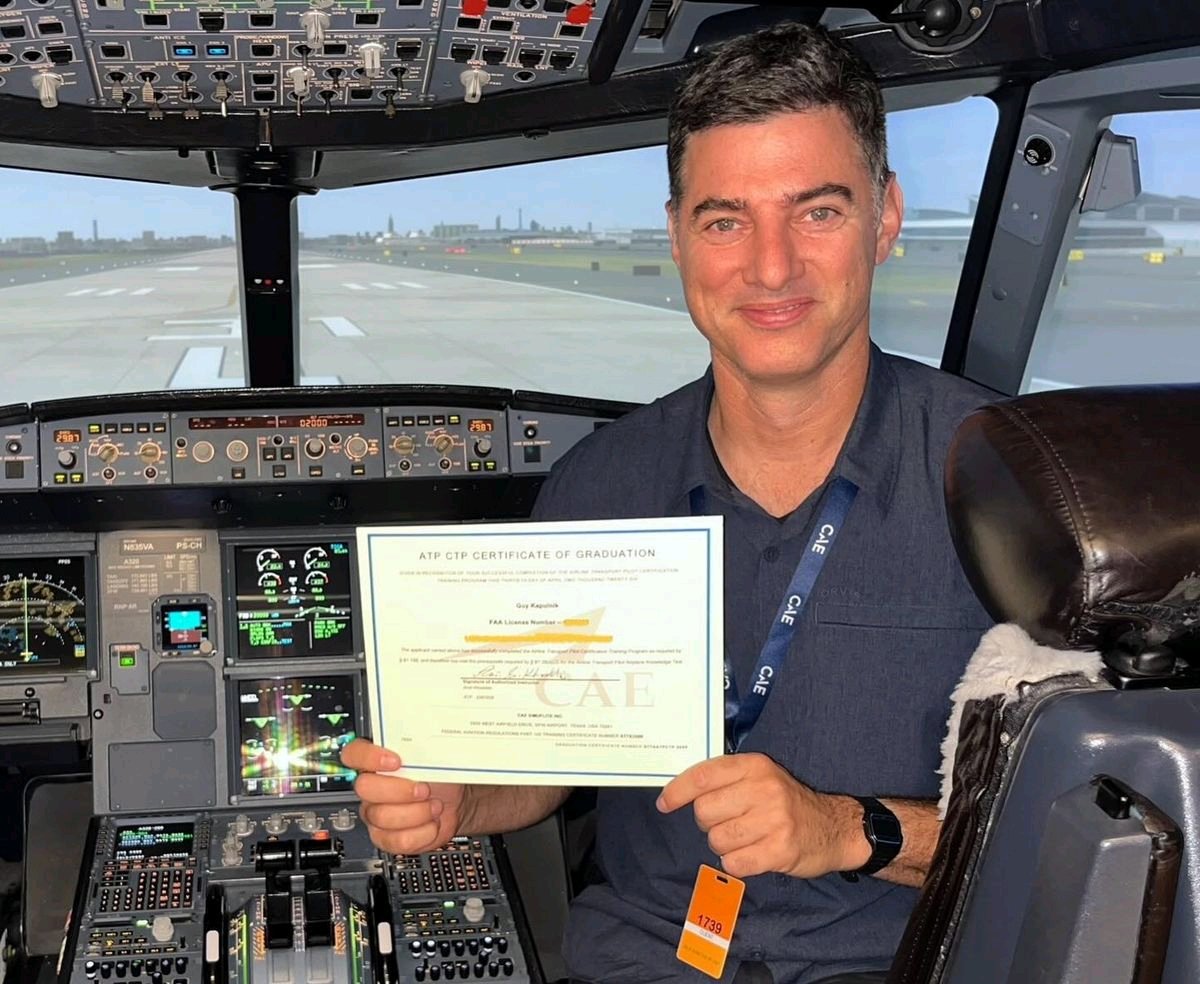
He trained at the Nissan Nativ Acting Studio in Jerusalem before building a career in the entertainment industry. His acting credits included Room 514, Salsa Tel Aviv, Watch Over Me and Lebanon.
After moving to Los Angeles, Kapulnik continued acting while pursuing his passion for aviation. He obtained his pilot’s licence and later became a certified flight instructor.
His aviation career saw him teach aspiring pilots, with friends and former students describing him as passionate about flying and committed to helping others learn.
Kapulnik had also previously served as an officer in Israel’s elite Unit 669, a specialised search-and-rescue unit.
His death has triggered an outpouring of tributes from friends, colleagues and people who knew him through aviation and acting.
Those who knew him remembered him as an adventurous and energetic man who pursued several passions throughout his life, including acting, flying and life at sea.
The passenger, Laska, was also killed in the crash.
Investigators from the relevant aviation authorities are continuing to examine the wreckage and circumstances surrounding the incident to determine what caused the aircraft to crash.
Kapulnik’s funeral is expected to take place in Israel.
Israeli Actor, Flight Instructor Among Two Killed In California Plane Crash
International
Trump Can Resume Third-Country Deportations Temporarily, US Supreme Court Rules
Trump Can Resume Third-Country Deportations Temporarily, US Supreme Court Rules
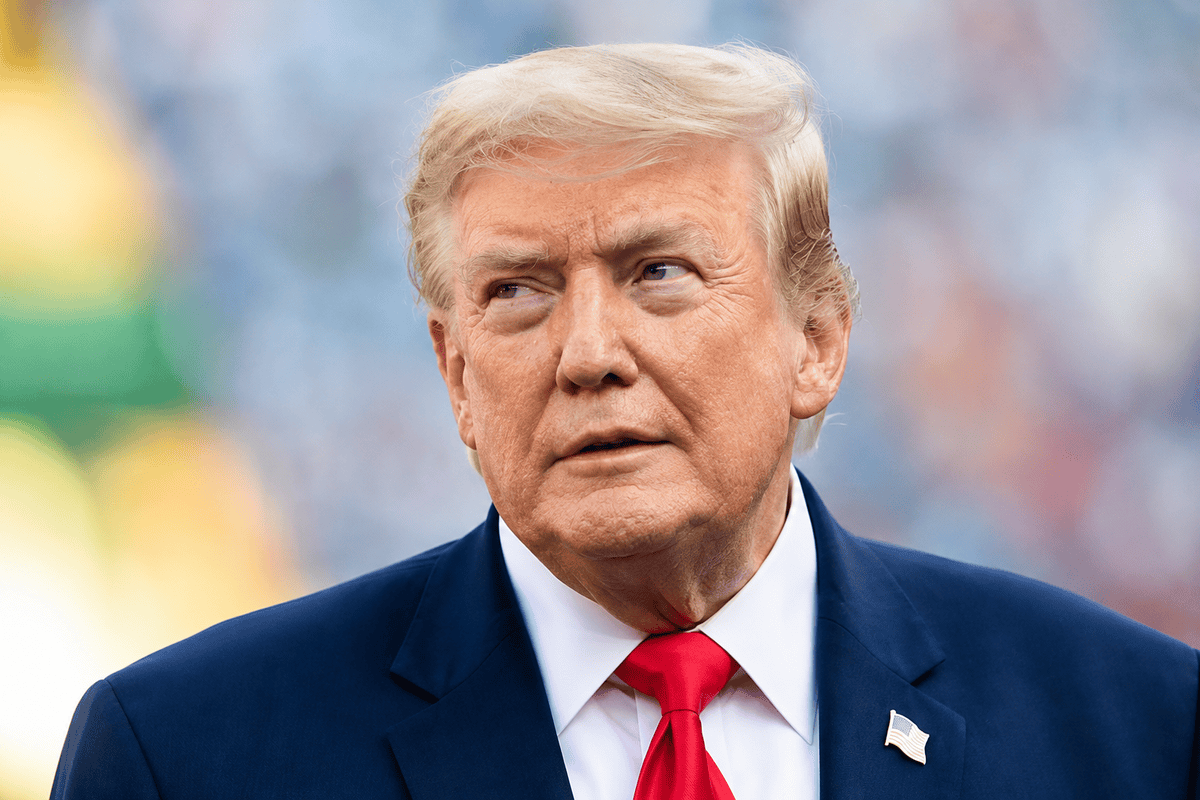
The US Supreme Court has temporarily cleared the way for President Donald Trump’s administration to resume deporting migrants to countries other than their own while the justices consider the legality of the policy.
The emergency order issued Tuesday temporarily suspends a lower-court restriction that required migrants facing third-country deportation to receive adequate notice and an opportunity to raise concerns about possible persecution or torture in the country to which they were being sent.
The Supreme Court’s action is not a final ruling on the legality of the deportation policy. Instead, it allows the Trump administration to proceed with the removals for now while the broader legal challenge moves forward.
The justices have agreed to hear arguments on the case in December, when they are expected to consider whether the policy violates migrants’ due-process rights and whether lower courts had the authority to impose restrictions on the deportations.
The dispute centres on the administration’s policy of sending migrants to third countries rather than returning them directly to their countries of citizenship. Such removals have been used where migrants cannot be returned to their home countries or where those countries refuse to accept them.
READ ALSO:
- Flood Cuts Off Part of Agbarho-Ughelli Road, Strands Commuters in Delta
- Dangote Draws Battle Lines as Fuel Import Fight Heads Back to Court
- Tinubu Returns After 30 Days in Europe, Says ‘I’m Healthy and Ready to Work’
The Trump administration has defended the policy as an important immigration enforcement tool, saying receiving countries provide assurances that deported migrants will not be persecuted or tortured.
The legal challenge intensified after a federal judge in Boston ruled that migrants should have a meaningful opportunity to raise safety concerns before being removed to a third country. A federal appeals court subsequently upheld the requirement, prompting the administration to seek emergency intervention from the Supreme Court.
Tuesday’s order temporarily puts that lower-court restriction on hold. This means third-country deportations can continue for now, but the Supreme Court has not yet determined whether the administration’s policy complies with US law.
The Supreme Court’s unsigned emergency order did not provide an explanation for the decision. Justices Sonia Sotomayor, Elena Kagan and Ketanji Brown Jackson indicated that they would have left the lower-court restriction in place.
The administration has already deported more than 25,000 migrants to third countries, according to figures presented in the legal proceedings. The destinations have included countries in Latin America and Africa.
Government lawyers have argued that lower-court restrictions have created logistical difficulties for immigration authorities, including cancelled deportation flights and delays in carrying out removal orders.
Lawyers representing migrants, however, have challenged the policy on due-process and safety grounds, arguing that people facing removal should have an opportunity to explain why they fear persecution, torture or other serious harm in the countries where they are being sent.
The case therefore remains unresolved. The Supreme Court’s latest order merely allows the deportations to proceed temporarily while the court reviews the underlying legal questions.
The December hearing will give the justices an opportunity to consider the broader dispute and determine whether the administration can continue the policy under the legal framework being challenged.
Until that review is completed and a final ruling is issued, Tuesday’s action should be understood as a temporary suspension of the lower-court restrictions, rather than a final Supreme Court approval of Trump’s third-country deportation policy.
Trump Can Resume Third-Country Deportations Temporarily, US Supreme Court Rules
-

 Education3 days ago
FG Releases 2026–2028 Approved Textbooks, Introduces QR Codes for Tracking
-

 metro2 days ago
$2.1m Land Suit: Court Orders Wike’s Son to Produce American Passport
-

 News3 days ago
Breaking: Tinubu Ends Extended European Vacation, Departs Paris for Nigeria
-

 metro3 days ago
Hamzat Clarifies Lagos Traffic ‘Lifestyle’ Remark After Backlash
-

 metro3 days ago
Troops Rescue 41 Travellers as Bandits Attack Senegal-to-Kano Vehicle in Zamfara
-

 metro2 days ago
Osogbo Food Bonanza: Angry Customers Loot Warehouse After Operators Vanish
-

 News2 days ago
Tinubu Returns After 30 Days in Europe, Says ‘I’m Healthy and Ready to Work’
-

 Sports3 days ago
Nigeria XI vs Guinea-Bissau: Awoniyi, Lookman, Adams Lead Super Eagles Attack