

Opinion
Understanding the concept and implications of Tawassul

Bismillaahir Rahmaanir Raheem. In the name of Allah, the Most Gracious, the Exceptionally Merciful.
(a). Meaning of التَّوَسُّلْ
التَّوَسُّلُ
is an Arabic word which connotes التقرُّب إلى الله تعالى بما يحبُّه ويرضاه “Seeking closeness to Allāh, the Most High through means that are beloved and acceptable to Him.” It is a variation of الوسيلة which, literally implies “means”, “a pathway”, “access”, or “nearness.”
(b). Legality of التَّوَسُّلُ
التَّوَسُّلْ
is a form of Ibādah (worship) in Islām. This is because one of the features of Ibādāt (acts of devotion) is that, ” Allah loves it, and is pleased with it.” This is evident in the definition of the term عبادة by شيخ الإسلام ابن تيمية رحمه الله تعالى When he said:
العبادة اسم جامع لكل ما يحبه الله ويرضاه من الأقوال والأعمال الظاهرة منها والباطنة
“Ibādah is is a compound word that connotes everything that is beloved and pleasant to Allāh, be it spoken words or actions, the apparent and the hidden.”
Whenever Allāh loves a thing, and He is pleased with it, He recommends it to His servants as an act of worship. It is for this reason that we find in Qur’an 5:35 the command to seek الوسيلة “closeness” to Allāh. He says:
يَا أَيُّهَا الَّذِينَ آمَنُوا اتَّقُوا اللَّهَ وَابْتَغُوا إِلَيْهِ الْوَسِيلَةَ
وَجَاهِدُوا فِي سَبِيلِهِ لَعَلَّكُمْ تُفْلِحُون
“O you who have believed, fear Allāh and seek nearness to Him, and strive in His cause that perchance you may be prosperous.”
Similarly, while condemning the actions of unbelievers who abandon Allāh (who is closer to them than their jugular veins) and invoke others than Him (that are far away, weak and incapable of anything), Allāh says:
أُولَٰئِكَ الَّذِينَ يَدْعُونَ يَبْتَغُونَ إِلَىٰ رَبِّهِمُ الْوَسِيلَةَ أَيُّهُمْ أَقْرَبُ وَيَرْجُونَ رَحْمَتَهُ وَيَخَافُونَ عَذَابَهُ ۚ إِنَّ عَذَابَ رَبِّكَ كَانَ مَحْذُورًا
“Those (deities) whom they invoke (other than Allāh) seek closeness to (Allāh) their Lord, (striving as to) which of them is closer? And they hope in His mercy and fear His punishment. Surely, the punishment of your Lord is greatly feared.” (Qur’an 17:57)
READ ALSO:
- Minister inaugurates Oba Lamidi Adeyemi III Mini Stadium in Oyo
- Ahmed Musa begins light training
- Lagos-Ibadan Expressway tanker explosion claims 10 lives
- Kanu’s lawyer writes US legislature, seeks sanction against Buhari, Malami
In the hadīth, the Prophet ﷺ urge the believers to plead with Allāh to grant him (the Prophet ﷺ) الوسيلة. He said:
من قال حين يسمع النداء اللهم رب هذه الدعوة التامة، والصلاة القائمة، آت محمد الوسيلة والفضيلة وابعثه مقاماً محموداً الذي وعدته، حلت له شفاعتي يوم القيامة( رواه البخاري في صحيحه) زاد البيهقي في آخره )إنك لا تخلف الميعاد( بإسناد حسن)
“Whoever says, after the completion of the Adhān: “O Allāh, Lord of this most perfect call, and of the Prayer that is about to be established, grant to Muhammad the favor of nearness (to You) and excellence and a place of distinction, and exalt him to a position of glory that You have promised him.”, my intercession is guaranteed for him on the day of recompense. (Al-Bayhaqee added the statement “Surely, You do not break your promise” in his own narration)
(c). Permissible forms of التَّوَسُّلْ
The manner in which people make التَّوَسُّلُ today has made it imperative to distinguish between what is permitted as a form of التَّوَسُّلُ and what is not permitted, so that truth seekers may stick to that which is correct based on available proofs.
i. التوسل بالشهادة والإيمان Seeking closeness to Allāh with one’s faith and belief (in all the articles of faith): It is permissible in Islām, to seek closeness to Allāh using one’s faith and belief in Him, and in all the articles of faith. For instance, while making supplication, one is permitted to say, O Allāh, accept my supplication because I believe in You, or Your Prophet(s), Book(s), the Day of Judgement, or Qadar. One can also make التَّوَسُّلُ with one his belief in the oneness of Allāh and Messengership of Muhammad (upon him be peace). That is, one can say, “Yā Allāh, grant my request because I believe that You are one, without any partner. Or because of my belief in the Messengership of Muhammad, et cetera.
The evidence for this abound in the Qur’ān. Some of the supplications made using this criteria include:
(رَبَّنا آمَنَّا فاكتبنا مع الشاهدين)
“Our Lord! We believe, so write us down with the witnesses (of truth) Q. 5:83
الذين يقولون ربنا إننا آمنا فاغفر لنا ذنوبنا وقنا عذاب النار
“Those who say: Our Lord! Surely we believed, therefore forgive us our sins and save us from the chastisement of the fire.” Q. 3:16
Other examples are in Q. 3:53, 193, 10:85, 23:109, 28:53, et cetera.
From the hadīth, it was narrated on the authority of بُرَيدة بن الحصيب that the Messenger of Allāh ﷺ once heard heard a Sahābi (companion) supplicating and saying:
اللهم إني أسألك بأني أشهد أنك أنت الله لا إله إلا أنت الأحد الصمد الذي لم يلد ولم يولد ولم يكن له كفوا أحد.
“O Allāh! I ask thee because I testify that thou art Allāh, there is no deity worthy of worship except thee, the One and independent that neither begot nor is begotten, and there is none like Him.”
The Prophet ﷺ said:
لقد سأل الله باسمه الذي إذا سئل به أعطى وإذا دُعي به أجاب
“Indeed, he has supplicated to Allāh with His name which, if used to invoke Him, he responds and grants requests.”
ii. التوسل بأسماء الله وصفاته: Making التوسل with the names and attributes of Allāh سبحانه وتعالى. In the noble Qur’ān, we are told that Allāh has beautiful names and attributes, and that we should use them to invoke Him. In Qur’an 7:180, Allāh, our Lord says:
وَلِلَّهِ الْأَسْمَاءُ الْحُسْنَىٰ فَادْعُوهُ بِهَا ۖ وَذَرُوا الَّذِينَ يُلْحِدُونَ فِي أَسْمَائِهِ ۚ سَيُجْزَوْنَ مَا كَانُوا يَعْمَلُونَ
“And to Allāh belong the beautiful names, invoke Him with them. And leave (the company of) those who practice deviation concerning His names. They will be recompensed for what they’ve been doing.”
READ ALSO:
- Hyundai rolls out 7th-generation Azera, sleek luxurious sedan
- Military destroys 23 illegal refineries, apprehends 42 oil thieves
- Assistant Superintendent Of Police Stabs Colleague To Death In Nigeria
What the above verse implies is that one can invoke Allāh using either His names or attributes as mentioned in the Qur’ān and Sunnah. This is why our pipus predecessors would say in their Qunūt:
اللَّهُمَّ إِنّا نَسْأَلُكَ بِكُلِّ اسْمٍ هُوَ لَكَ، سَمَّيْتَ بِهِ نَفْسَكَ، أَوْ أَنْزَلْتَهُ فِي كِتَابِكَ، أَوْ عَلَّمْتَهُ أَحَداً مِنْ خَلْقِكَ، أَوْ اسْتَأْثَرْتَ بِهِ فِي عِلْمِ الغَيْبِ عِنْدَكَ
“O Allāh! We ask You with all the names that belong to You: The ones that You named Yourselves with, or revealed in Your Book, or taught any of Your servants, or kept in the knowledge of the unseen with You… ”
However, there is a need to make a clarification here. Some Muslims have completely misunderstood and misconstrued the injunction in this verse to mean chanting a particular name of Allāh several ten, hundred or thousand times. E.g. Yā Allāh! Yā Allāh!! Yā Allāh!!! (one or ten or hundred thousand times)! Or simply Allāhu! Allāhu!! Allāhu !!!
This is unfounded and preposterous. It’s like one’s children gathering themselves together and shouting “daddy”!” daddy”!! “daddy”!!! several times without saying anything, while one is seated directly in front of them. Thus, the most appropriate manner is to say something like, “Yā Allāh! I seek your intervention in this matter because you’re my creator who has power over all things.” or “Yā Razzāq (the provider)” urzuqnī” (provide for me) because none can provide for me except thee!
iii. Making التوسل with one’s incapacity, fault, remorse, weakness and dire need of the mercy of Allāh. This implies praying to Allāh citing one’s urgent need of His favours, mercies and blessings as means of appealing to Him. This is done mostly when one is in a precarious situation such as poverty, sickness, fear of evil, calamity of death, hopelessness, et cetera. In the noble Qur’ān, we find several examples of this form of التَّوَسُّلُ especially among the Prophets and Messengers of Allāh. For instance, when Prophet Ādam عليه السلام was tricked by the Shaytān to disobey Allāh, he sought Allāh’s forgiveness by showing remorse and distress. Allāh says:
قَالَا رَبّنَا ظَلَمْنَا أَنْفُسنَا وَإِنْ لَمْ تَغْفِر لَنَا وَتَرْحَمنَا لَنَكُونَنَّ مِنْ الْخَاسِرِين
“Both (Ādam and his wife) cried out: ‘Our Lord! We have wronged ourselves. If You do not forgive us and do not have mercy on us, we shall surely be among the losers.” (Q.7:23)
Two things can be deduced here: One, they both showed remorse, and two, they exposed their dire need for Allāh’s forgiveness and mercy. Making التوسل in this manner is one of the most pleasing deeds to Allāh because it shows one’s utmost humility and weakness in front of the ultimate power of Allāh.
Another example is the case of Prophet Zakariyyah عليه السلام when he was in dire need of an heir to inherit him and continue with his Da’wah. He prayed to Allāh, using his physical weakness due to old age, as well as his fears as التَّوَسُّلُ. He said:
قَالَ رَبِّ إِنِّي وَهَنَ الْعَظْمُ مِنِّي وَاشْتَعَلَ الرَّأْسُ شَيْبًا وَلَمْ أَكُن بِدُعَائِكَ رَبِّ شَقِيًّا وَإِنِّي خِفْتُ الْمَوَالِيَ مِن وَرَائِي وَكَانَتِ امْرَأَتِي عَاقِرًا فَهَبْ لِي مِن لَّدُنكَ وَلِيًّا يَرِثُنِي وَيَرِثُ مِنْ آلِ يَعْقُوبَ ۖ وَاجْعَلْهُ رَبِّ رَضِيا
He said, “My Lord, indeed my bones have weakened, and my head has filled with white, and never have I been in my supplication to You, my Lord, unhappy. And indeed, I fear the successors after me, and my wife has been barren, so give me from Yourself an heir. Who will inherit me and inherit from thefamily of Jacob. And make him, my Lord, pleasing (to You.)” (Q. 19-4-6)
READ ALSO:
- We have dismissed 2,000 Customs officers over misconduct – CG
- Breaking: Buhari sacks NADDC boss, Akwa, names new management, board
- Aston Villa fires Coach Steve Gerrard after Fulham 3-0 defeat
A third example is that of Prophet Yūnus عليه السلام who abandoned his people even before Allāh commanded him to leave. As a punishment, Allāh got him trapped in the belly of a whale until he cried out using his remorse and weakness as التَّوَسُّلُ. Allāh says:
وَذَا النُّونِ إِذ ذَّهَبَ مُغَاضِبًا فَظَنَّ أَن لَّن نَّقْدِرَ عَلَيْهِ فَنَادَىٰ فِي الظُّلُمَاتِ أَن لَّا إِلَٰهَ إِلَّا أَنتَ سُبْحَانَكَ إِنِّي كُنتُ مِنَ الظَّالِمِينَ
And (mention) the man of the fish, when he went off in anger and thought that We would not decree anything upon him. And he called out within the darknesses, “There is no deity except You; exalted are You. Indeed, I havebeen of the wrongdoers.” (Q.21:87)
A fourth example was when Prophet Nūh عليه السلام was belied and threatened by his people, and he invoked Allāh, using his distressed condition as التَّوَسُّلُ to Him. Allāh says:
كَذَّبَتْ قَبْلَهُمْ قَوْمُ نُوحٍ فَكَذَّبُوا عَبْدَنَا وَقَالُوا مَجْنُونٌ وَازْدُجِرْ فَدَعَا رَبَّهُ أَنِّي مَغْلُوبٌ فَانتَصِرْ
“The people of Noah denied before them, and they denied Our servant and said, “A madman,” and he was repelled. So he invoked his Lord, “Indeed, I am overpowered, so help.” (Q.54:9-10)
From the hadīth, we find the narration by Shaddād bn ‘Aws as a very relevant example here. The Messenger of Allah صلى الله عليه وسلم said:
سَيِّدُ الِاسْتِغْفَارِ أَنْ تَقُولَ اللَّهُمَّ أَنْتَ رَبِّي لَا إِلَهَ إِلَّا أَنْتَ خَلَقْتَنِي وَأَنَا عَبْدُكَ وَأَنَا عَلَى عَهْدِكَ وَوَعْدِكَ مَا اسْتَطَعْتُ أَعُوذُ بِكَ مِنْ شَرِّ مَا صَنَعْتُ أَبُوءُ لَكَ بِنِعْمَتِكَ عَلَيَّ وَأَبُوءُ لَكَ بِذَنْبِي فَاغْفِرْ لِي فَإِنَّهُ لَا يَغْفِرُ الذُّنُوبَ إِلَّا أَنْتَ
“The greatest form of seeking Allāh’s forgiveness is to say, ‘O Allāh, You are my lord, there’s no deity but You. You are my Creator, and I am Your servant. You…forgive me. No one forgives sins except You”
In summary, it is permissible to invoke Allāh with prayers like, “Yā Allāh! Grant my request because none but You can grant it.” Or “pave a way for me out of this predicament because I am weak and incapable of anything.” etc
This is why we say the following prayer in our Qunūt:
ونؤمن بك ونتوكل عليك ، أنت الغني ونحن الفقراء إليك ، أنت القوي ونحن الضعفاء إليك
“… We believe in You and rely on You. You’re the Self-Sufficient and we are in dire need of Your wealth. You’re the Powerful, and we are weak unto thee. . . ”
[08:16, 21/10/2022] Sirnucy Lafiagi: iv. Making Tawassul with righteous deeds: This is another form of permissible invocation sanctioned by the Prophet ﷺ. As Muslims, we firmly believe that all our deeds, whether good or bad are being recorded by angelic scribes who have been assigned by Allāh to do so. Allāh says:
وَإِنَّ عَليكُمْ لَحافِظِينَ كِرامًا كاتِبِين يَعْلَمُونَ ما تَفْعَلُون
“And most surely, there are keepers over you; honourable scribes; they know all that ye do.”
أَمْ يَحْسَبُونَ أَنَّا لَا نَسْمَعُ سِرَّهُمْ وَنَجْوَاهُمْ ۚ بَلَىٰ وَرُسُلُنَا لَدَيْهِمْ يَكْتُبُون
“Or do they think that We do not know what they conceal and their secret discourses? Nay! Our Apostles are with them writing down (their deeds).
مَّا يَلْفِظُ مِن قَوْلٍ إِلَّا لَدَيْهِ رَقِيب عَتِيد
“He utters not a word, but there is with him a watcher at hand.” (Q. 50:18)
The implication of the verses quoted above is that none of our deeds is done in vain. They are all documented in a divine record book by perfect writers who can never make mistakes. It is this same record that shall be brought before every being on the day of resurrection as a proof for or against.
These deeds are credited into our respective SAVINGS ACCOUNT with Allāh, the Most High. He observes us closely, and considers our requests before Him based on our piety, sincerity and uprightness. Although sometimes, He ignores all of those and blesses us anyways, despite our gross inadequacies. Such is the incomprehensible nature of Allāh. يَفعلُ ما يَشاء (He does what He wills). He is فَعَّالٌ لِما يُريد.
When Prophet Yūnus عليه السلام invoked Allāh from the belly of the whale in which he was trapped, Allah says:
“Had he not been one of those that glorify (my exalted name), he would have been trapped in its belly till the day of resurrection.” (Q. 37:143-144)
What this implies is that, Yūnus benefitted from his previous deeds. Imagine if he had nothing in his account of deeds with Allāh? Could he have been saved from this calamity?
It is for this reason that it is permitted for a Muslim to occasionally draw from this account whenever he is in need. It is similar to taking loan from a cooperative society or bank where one keeps money for the rainy day. However, one fundamental difference between this aspect and the cooperative/bank example is that in the former, drawing such loans does not diminish nor exhaust one’s deeds/rewards لا في الدنيا ولا في الآخرة (neither in this world, nor in the hereafter).
A Muslim can consistently invoke Allāh, using his good deeds as الوسيلة: means. For instance, one can say,
اللهم إني أسألك بإيماني بك، وبتوكلي عليك، وبثقتي بك، وببري لوالدي، وبأدائي الأمانة، وما أشبه ذلك
“Ya Allah! I ask Thee with my firm belaying You, my reliance on You, my trust in You, my obedience to my parents, my trustworthiness, et cetera.”
The evidence for this is found in Sahīh Al-Bukhārī in a long hadīth popularly known as حديث أصحاب الغار “hadīth of the companions of the cave/hole”. In summary, three people were trapped in a cave where they had hidden because of wind and downpour. No sooner than they entered the cave had a huge stone rolled from top of the mountain and blocked the entrance. So, after the rains had stopped, each of them had to invoke Allāh, using his good deeds as means of drawing closer to Him.
The first man used his obedience and servitude to his parents as الوسيلة; the second man used his leaving of Zinā for the sake of Allah; and the third man used his trustworthiness. In the end, all were saved.
In summary, it is proper for a Muslim to pray to Allāh saying something like, “I have just offered Subh prayer for Your sake, kindly grant my request.” Or “Accept my request because I have fasted/am fasting for your sake.” Or “save me from this calamity because of the Sadaqah which I gave this morning to the less privileged.” Or “make my children righteous because I was/am righteous to my parents.”, et cetera.
Dr. Sanusi Lafiagi is a lecturer in Department of Islamic Studies, Al-Hikmah University Ilorin


Opinion
2027: Competence, Not Zoning, Should Decide Nigeria’s Next President — Imasuagbon
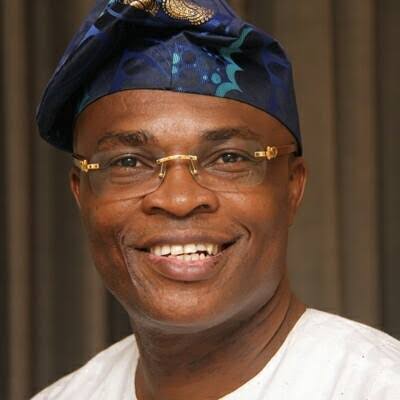
Nigerians should look beyond ethnicity, region and the longstanding debate over rotational presidency when choosing the country’s next leader, according to a chieftain of the African Democratic Congress (ADC), Kenneth Imasuagbon.
The former Edo State governorship aspirant said the priority ahead of the 2027 election should be finding a president with the ability to confront Nigeria’s economic, security and infrastructure challenges.
Speaking to journalists in Benin, Imasuagbon argued that presidential rotation is not a requirement of the Nigerian Constitution and should therefore not outweigh the question of competence.
He said voters should be more concerned about replacing poor schools with better ones, improving healthcare and addressing hardship than debating where the next president comes from.
Imasuagbon specifically appealed to voters in the South to support former Vice President Atiku Abubakar, who is contesting the 2027 presidency on the ADC platform.
According to him, Atiku has demonstrated the experience and determination needed to improve the country, describing the former vice president as someone capable of promoting national unity and fairness.
He also accused the Bola Tinubu administration of worsening economic pressure through policies including the removal of fuel subsidy, while expressing concern about the condition of roads, electricity and other infrastructure.
Imasuagbon argued that the next administration must focus on practical improvements in areas such as power, transportation, employment, security and public services.
The ADC chieftain also dismissed the idea that the ruling All Progressives Congress (APC) would automatically benefit from its incumbency advantage in 2027.
He maintained that the electorate ultimately determines the outcome of an election, arguing that voters could change the political direction of the country if they were determined to do so.
Imasuagbon further criticised what he described as regional and ethnic considerations in the distribution of political appointments and opportunities, insisting that the next president should give Nigerians across different parts of the country a sense of belonging.
His comments come as political parties and their candidates intensify preparations for the 2027 presidential election.
Opinion
Lesson from Dotun Oladipo’s Brave Daughters, by Bamidele Johnson
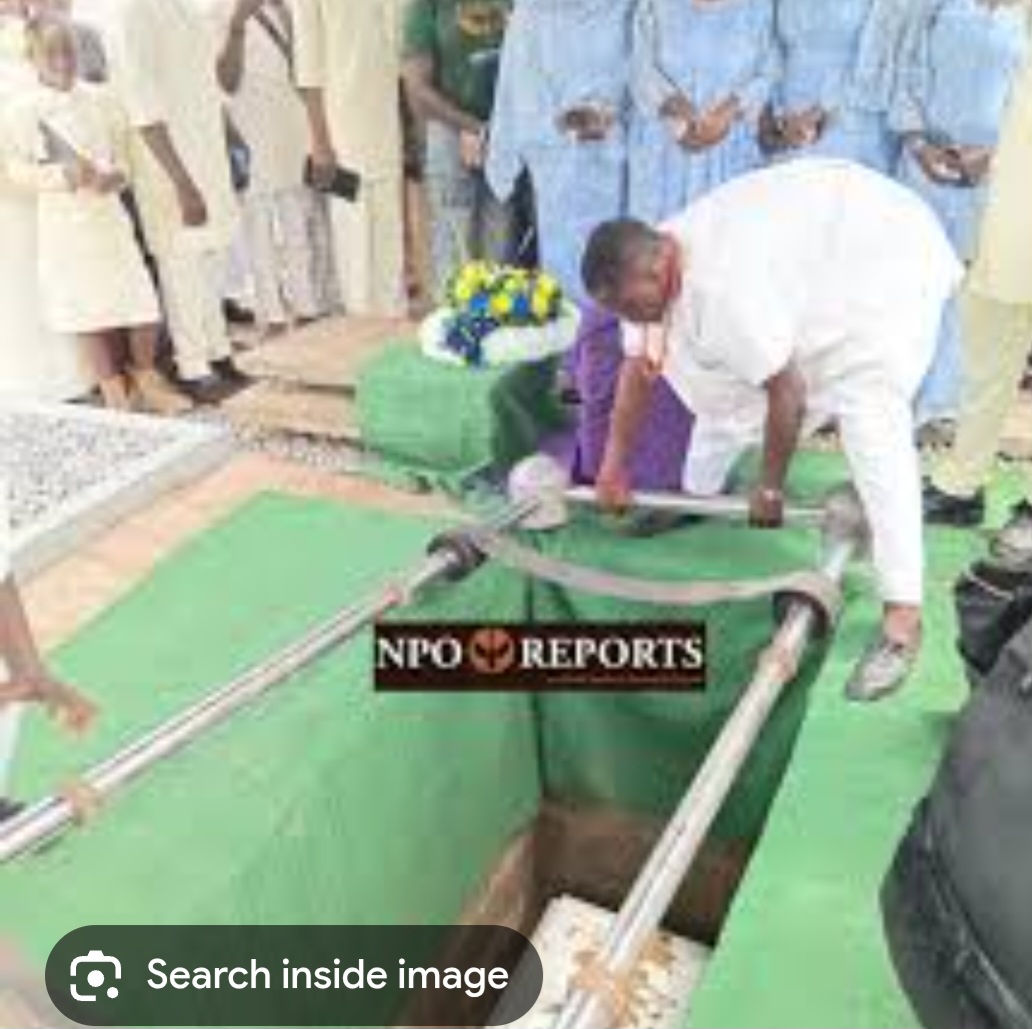
Lesson from Dotun Oladipo’s Brave Daughters, by Bamidele Johnson
I hope to grow old. I want to see my kids become real adults, find their own feet, make mistakes, recover from them, and perhaps one day complain that their own children are giving them grey hairs. I want that plainly stated before anything else, as everything that follows might read as a man agreeing to an early exit rather than a man simply being honest about the odds.
I want the decades. I want to become the grandfather who repeats the same stories until nobody bothers correcting him anymore. But wanting a thing and being granted are different things. The last year has made that difference harder to ignore than I would like. I have lost many friends recently to keep thinking that optimism is my natural resting state. Some of these men had better blood pressure than mine, better habits, better everything that is supposed to count. It did not save them.
There is no formula I know that reliably separates the men who make it to 70 from those who do not. Anyone who says he knows one is selling something. So, I do not assume that old age is an already booked destination. Even if I once did, which I doubt, the last three years have cured me of such an illusion. As such, I treat it as a hope rather than an expectation, and I have found that a more honest way to live.
It is exactly why I want something placed on record now, while I am still able to place things on record, rather than leave it for people to guess what my wishes were in the fog of a funeral week. If I do not make old bones, my children are not to be asked to read tributes at my funeral. Not one line, however short, however lovingly written.
This, for me, was settled today rather than re-opened. At Dotun Oladipo’s funeral service, his three daughters took turns to read their tributes to their dad, and I found myself watching them with awe. There was a kind of strength in them that I do not possess. It is the strength needed to stand in front of a hall brimming with grieving adults and speak about a man they have just lost. Forever. Strength, however, is not the same as ease. I could see plainly what that strength was costing them as they read. Their voices caught. Their composure held and then did not hold and then held again through sheer will.
In front of them, in the pews, men and women considerably older than them came undone in ways the girls themselves were somehow managing to resist. I went mightily close. Some of the sobbing was quiet, the type people try to fold into a handkerchief. Some of it was not quiet at all, the kind that announces itself whether or not you want it.
Those young women honoured their father with a grace that is beyond me. What they did was astonishing. So, what I am attempting is an observation of a custom I have now watched wound people. This was not the first time I had watched this particular ritual extract more than it should from people already running on fumes. I saw an earlier and harder version of it at a friend’s wake back in 2015.
The first son was called forward to read his father’s tribute, and he could not do it. He tried, but the words would not come, and he stood there in front of a crowd of mourners, with his grief simply refusing to organise itself into sentences. The officiating minister, rather than releasing him from the task, urged him to continue. I sat fizzing with sorrow and ire. He could not go on and, eventually, the minister accepted, but not before insisting a while longer than it should have reasonably taken. His younger brother was called up next, presumably on the theory that if one grieving son could not manage it, maybe another one could. He flunked it in the same way. Grief does not distribute itself more conveniently among siblings just because a programme has been printed and needs to be followed.
I have turned that memory over many times since, trying to work out why this part of the rites is treated as mandatory in the first place. I have not found a satisfying answer. Maybe it comes from a belief that a child’s words carry more weight than anyone else’s, which may even be true, but weight is exactly the problem when those carrying it are struggling to hold themselves together with nothing but adrenaline and the fear of dissolving in public.
Maybe it is simply inertia, the reason we still do a hundred things at funerals that nobody can explain the original purpose of. Either way, I have stopped looking for the justification. I no longer think one exists that is good enough to weigh against what I watched happen to that boy in 2015.
So, let this stand as my instruction rather than my preference, the kind of thing I would rather state plainly now than leave for my children to infer later from how uncertain I sound when the subject comes up in passing. If I do not get the old age I am hoping for, my children will not be asked to read a single word over my body. Someone else can speak for me. A friend, a stranger with a steadier voice and a smaller stake in the loss, anyone whose grief will not be quite so total that standing upright becomes almost impossible.
My children, of course, will sit in front and fall apart if that is what the day requires of them, but without the microphone. That, at least, is one small mercy I intend to arrange for them while I am still here to arrange it.
Dotun deserved every bit of the send-off his daughters gave him today, and I suspect he would have been the first to tell them to sit down and let someone else carry the weight for a while. He did not get a say in that, as none of us ever do once we are the ones being spoken of rather than the ones speaking. Rest well, Dotun. You raised three young women whose strength I will not soon forget. That alone says everything worth saying about the man you were.
Opinion
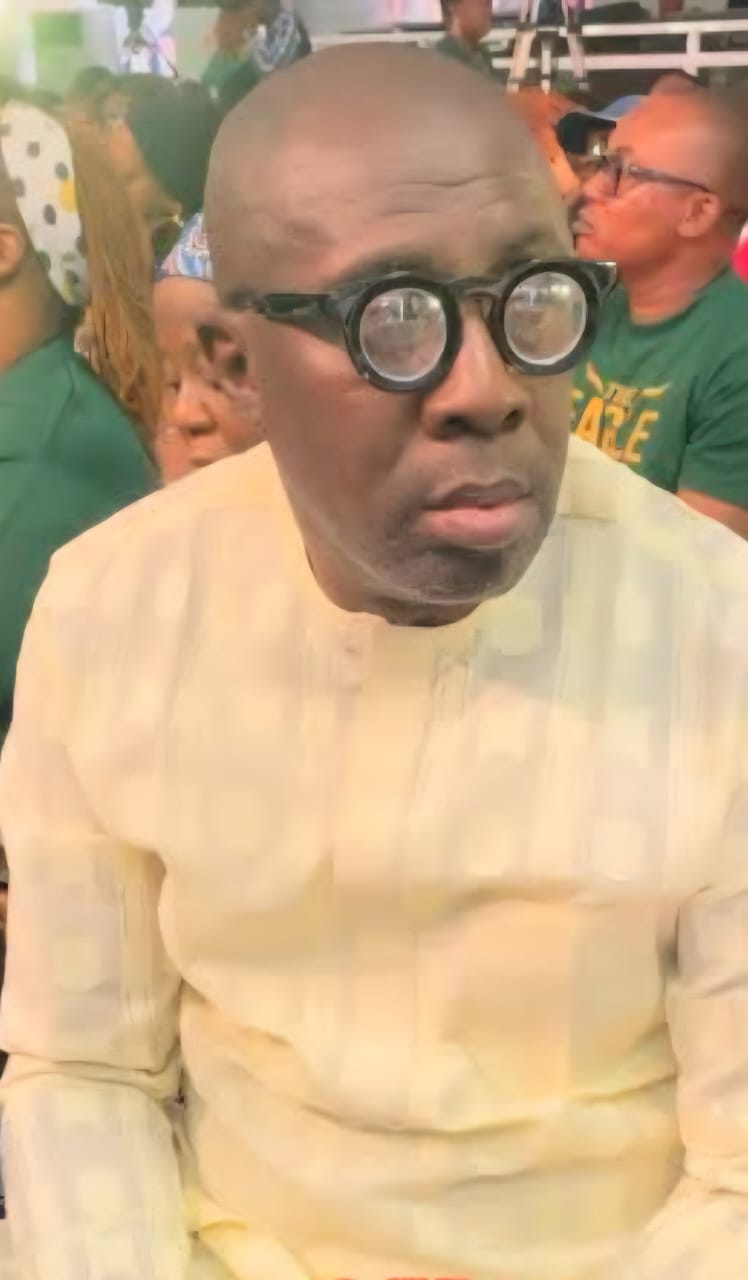
‘Tinubu Will Win Again in 2027’ — Charismatic Bishops’ Secretary
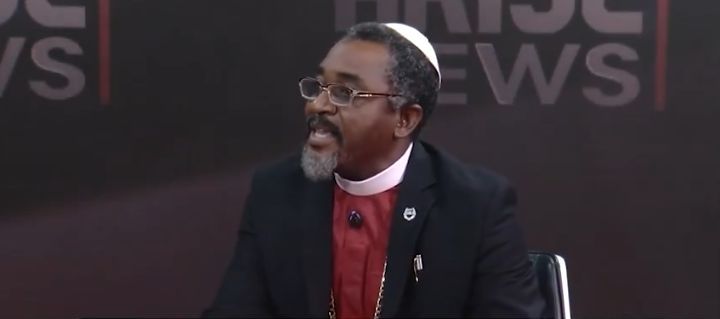
‘Tinubu Will Win Again in 2027’ — Charismatic Bishops’ Secretary
A senior Nigerian cleric, Archbishop Chivir Chianson, has declared that President Bola Tinubu will retain the presidency after the 2027 general election, attributing the prediction to a message he said came from God.
Chianson, who serves as Secretary General of the Charismatic Bishops’ Conference of Nigeria, made the statement while appearing on Arise Television on Saturday.
Rather than basing his prediction on political calculations, the archbishop said his confidence came from what he described as the prophetic role of bishops.
He maintained that the conference had previously spoken about Tinubu’s political future based on what he said was divine revelation and that the President would return for another term.
Chianson also predicted that Tinubu’s performance would improve if he wins the 2027 election.
READ ALSO:
- DSS warns Osun churches, mosques, markets over alleged terrorist attack plot ahead of 2027
- ‘Tinubu Will Win Again in 2027’ — Charismatic Bishops’ Secretary
- Fake miracles, bogus grants: How clerics allegedly fleece Nigerians of millions
Addressing the political opposition, the cleric said the bishops could not be blamed if rival parties failed to unite or organise themselves effectively ahead of the election.
He also sought to clarify the position of the bishops when dealing with government, saying their role in speaking truth to power did not mean they should approach political leaders with hostility or disrespect.
According to him, the Constitution, alongside their religious convictions, should guide how they engage the President and the country.
Chianson said he was sufficiently confident in his prediction to promise that he would return to the Arise TV studio after the 2027 election, when he expects the result to demonstrate that the bishops’ prophecy was correct.
His comments add a religious dimension to the increasingly active political conversation surrounding the 2027 presidential race.
‘Tinubu Will Win Again in 2027’ — Charismatic Bishops’ Secretary
-

 Sports3 days ago
‘I Was Never the Chosen One’ — Dembele Responds to Mbappe
-
 International2 days ago
Islamic Council Condemns Attempted Attack on Holy City of Mecca
-

 metro2 days ago
Lagos Power Outage: Ikeja Electric Blames TCN as Businesses, Homes Groan
-

 Education3 days ago
JAMB Moves 2027 UTME Time — Here’s What Candidates Need To Know
-
 News2 days ago
Keep Politics Out of My Office — Ogbomoso Grand Chief Imam Warns Politicians, Bloggers
-
 Politics2 days ago
2027: APC Governors Reject Wike’s Rainbow Coalition, Insist on Party Loyalty
-

 News3 days ago
I Wanted to Disgrace Tinubu — Omokri Reveals What He Discovered at Chicago Varsity
-

 metro2 days ago
A Son Wouldn’t Have Done Better — Dangote Speaks on Daughters, Succession