

News
United States: Nigeria is one of our most important partners

United States Secretary of State Antony J. Blinken on Tuesday participated in a virtual visit to Nigeria, where he met with President Muhammadu Buhari and Foreign Minister Geoffrey Onyeama. Secretary Blinken, President Buhari, and Foreign Minister Onyeama discussed continuing joint efforts to counter terrorism and insecurity, strengthen health systems, support democratic institutions, bolster economic growth, advance gender equality, and boost bilateral trade between the United States and Nigeria. Two fact sheets released on Tuesday by the United States government unveil the gains of U.S.-Nigeria relations:
U.S.-Nigeria relations
With Africa’s largest population, democracy, and economy, Nigeria is one of our most important partners on the continent.
The year 2020 served as an historical benchmark, as Nigerians reflected on the opportunities and challenges the country faces while marking its 60th anniversary of independence and bilateral relations with the United States.
Nigeria is the largest source of immigrants from Africa to the United States, with more than 500,000 Nigerian-born American citizens and legal residents in the U.S.
Pandemic response and health diplomacy
The United States and Nigeria have collaborated closely to combat the COVID-19 pandemic. More than 60 interagency members from the U.S. Mission worked side-by-side with Nigerian counterparts on the Presidential Task Force on COVID-19 to plan and respond to the disease.
The United States has contributed more than $73 million in COVID-related equipment and technical assistance. This includes the delivery of a mobile field hospital, 200 ventilators, epidemiological COVID detection surveys, personal protective equipment, provision of rapid response teams, training of over 200,000 military and civilian personnel on COVID-19 control measures, and technology transfer for virtual training.
Ongoing U.S. health programs reach more than 60 million Nigerians with lifesaving services, including by training public health workers and improving access to quality medicines, vaccines, medical facilities, and reproductive health materials.
The President’s Emergency Plan for AIDS Relief (PEPFAR) has worked with the Government of Nigeria since 2004 to provide HIV and TB care and treatment services, with a momentum propelling Nigeria toward epidemic control within two years. As of December 2020, more than 1.2 million people receive PEPFAR-supported HIV treatment, and our partners placed 350,000 new patients on lifesaving antiretrovirals despite the COVID-19 pandemic.
Since 1997, the United States has directly supported polio surveillance and polio campaigns that reached nearly all of Nigeria’s 33 million children under 5 years of age, contributing to Nigeria being certified as wild polio-virus free in 2020.
Since 2011, the President’s Malaria Initiative has procured more than 60 million insecticide-treated nets, 46 million rapid diagnostic test kits, 87 million treatment courses for malaria, and 20 million doses of malaria prophylaxis during pregnancy, as part of over $690 million contributed to malaria control in Nigeria.
Nigeria is a key U.S. partner in the Global Health Security Agenda (GHSA). The mission approved $3.4 million in FY 2020 GHSA funding for capacity building programs to strengthen zoonotic surveillance labs, infection-prevention control, antimicrobial resistance, and risk communication.
Bilateral economic engagement
Nigeria is our second largest trading partner in Africa; two-way trade between our nations expanded to over $10 billion in 2019. The United States is proud to be one of the largest foreign investors in Nigeria. S. support for economic growth includes funding $8.5 million in feasibility studies and technical assistance in 2020-2021, extending loan guarantees worth up to $80 million, and coordinating development finance in important sectors such as agriculture, healthcare, renewable energy, and information and communication technology. These activities support bilateral trade and investment ties while building more modern and sustainable infrastructure across Nigeria.
Through Feed the Future, the United States supports private sector expansion of markets, as well as the introduction of techniques to increase productivity, strengthen resilience, and improve nutrition for more than two million farmers and their communities.
Since its launch in 2013, Power Africa has mobilized $4.3 billion in financing and connected nearly two million households and businesses in Nigeria. Power Africa helps to attract private sector investment and supports the rollout of both on-grid and renewable off-grid electricity connections in order to spur economic growth and reduce poverty.
Educational and cultural exchanges
With over 100,000 travelers to the United States each year, Nigerians boost American businesses, colleges, and universities. There are over 8,800 education and exchange program alumni from Nigeria and the United States.
Nigeria sends more students to American colleges and universities than any other country in Africa and is the eleventh largest source worldwide of international students to the United States. In Academic Year 2019-2020, a record-breaking number of nearly 14,000 Nigerians pursued U.S. graduate and undergraduate degrees, bringing an estimated $501 million to communities across America. In 2020, advisees of EducationUSA services received scholarships worth $28 million.
The United States provided more than 9 million teacher’s guides and books in five of Nigeria’s most widely spoken languages to advance early grade reading.
Striving for peace and security
Northeast Nigeria has become one of the world’s most challenging and complex humanitarian crises. The United States is the largest humanitarian donor in response to the crisis, providing $1.45 billion since 2015 and supporting almost two million conflict-affected households.
Since 2017, Department of State and Department of Defense security assistance for Nigeria totals approximately $650 million, including $500 million in Foreign Military Sales. The United States looks forward to delivering twelve A-29 Super Tucano aircraft this year. Nigeria also has one of the largest International Military-Education and Training (IMET) programs in Sub-Saharan Africa.
The United States promotes strong and broad collaboration between government and civil society at all levels, including civil society organizations led by women and members of marginalised groups. We also support the establishment of robust early warning systems to identify and mitigate drivers of communal conflict and violence in vulnerable states.
We provide technical assistance, and train and equip law enforcement and judiciary professionals to address a wide range of priorities, ranging from stopping banditry to protecting intellectual property rights to more effectively addressing trafficking in persons and gender-based violence. Law enforcement programming focuses on building capacity for civilian security actors, particularly the Nigeria Police Force.
As the Gulf of Guinea has become the world’s hotspot for piracy and armed robbery at sea, Nigeria has stepped up efforts to stem this problem, including a new initiative, Deep Blue, consisting of vessels, shoreside infrastructure, and personnel that can be dispatched to respond to piracy incidents. It is expected to become operational by mid-2021. U.S. efforts to stem piracy in the Gulf of Guinea help to strengthen maritime governance, enable the development of sustainable, maritime-based economies, and protect international maritime commerce.
Young African Leaders Initiative
The Young African Leaders Initiative (YALI) is the U.S. government’s signature effort to invest in the next generation of African leaders. Since 2010, YALI has graduated more than 24,000 alumni from the Mandela Washington Fellowship exchange program and its four Regional Leadership Centers (RLCs) located across the continent, while membership in the online YALI Network community numbers over 700,000.
YALI alumni have risen to high-ranking leadership positions in the public and private sectors and been recognized with international awards. Five alumni have held or currently hold cabinet-level positions, a Ghanaian Fellowship alumnus and Kenyan RLC alumna won first and second prize in Africa.com’s 2020 Brilliant African Innovations Against COVID-19 Competition, and a Somali Fellowship alumna was nominated for the Nobel Peace Prize in 2019.
United States Secretary of State Antony J. Blinken yesterday participated in a virtual visit to Nigeria, where he met with President Muhammadu Buhari and Foreign Minister Geoffrey Onyeama. Secretary Blinken, President Buhari, and Foreign Minister Onyeama discussed continuing joint efforts to counter terrorism and insecurity, strengthen health systems, support democratic institutions, bolster economic growth, advance gender equality, and boost bilateral trade between the United States and Nigeria. Two fact sheets released yesterday by the United States government unveil the gains of U.S.-Nigeria relations:
With a population of 1.3 billion people whose median age is 19 years old, Africa’s youth are one of the continent’s most important resources. YALI, along with other U.S.-sponsored people-to-people initiatives, showcases the U.S. government’s commitment to strengthening the ties among the people of the United States and Africa. Through its programs, YALI promotes effective public administration; fosters networks that connect people; creates conditions for peace, prosperity, and security; and provides investment opportunities for U.S. businesses.
- Mandela Washington Fellowship for Young African Leaders: Launched in 2014, this flagship program brings 700 Fellows aged 25-35 to the United States each year to participate in six-week Leadership Institutes, studying Business, Civic Engagement, or Public Management at U.S. colleges or universities. During their time on campus, Fellows connect with Americans and enrich local U.S. communities while sharing best practices. The Reciprocal Exchange component provides opportunities for Americans to travel to Africa to work with Fellowship Alumni on issues of importance to both the United States and Africa while contributing to U.S. public diplomacy efforts.
- Regional Leadership Centers: Managed by the United States Agency for International Development, the RLCs provide YALI’s signature on-continent leadership and professional development training experiences at higher education institutions in Nairobi, Kenya; Dakar, Senegal; Accra, Ghana; and Pretoria, South Africa. Since 2015, they have provided more than 20,000 young leaders aged 18-35 with?state-of-the-art leadership training in three tracks: public management, civic engagement, and business and entrepreneurship. The RLCs leverage resources from the private sector, both U.S. and African companies, and serve as a place for regional collaboration. They offer training primarily in English, with some offerings in French and Portuguese.
- YALI Network: The YALI Network is a virtual community of more than 700,000 members across Sub-Saharan Africa. Through its digital campaigns, the YALI Network develops members’ capacity to advocate for U.S. policy priorities in a local context. To support these campaigns, the Network’s website provides vital online resources, content, and courses. In addition to online activities, campaigns inspire offline advocacy by encouraging members to lead service activities and to hold “YALILearns” events, during which members facilitate community dialogues on policy-focused campaign topics.






International
Truly Depraved Rapist Jailed for 17 Years After Violent Attack on Woman

A 24-year-old Nigerian national, Gift Oladele, dragged a young woman into woodland and violently raped her has been jailed for 17 years after a judge described his actions as “truly depraved”.
Gift Oladele carried out the attack in Wrexham, North Wales, in September last year after approaching the victim, who was 19 at the time, as she walked home from a night out.
Oladele was convicted of rape and sexual assault at Mold Crown Court in March. He was sentenced on Thursday.
How the Attack Happened
The court heard that Oladele approached the woman and her friends outside a takeaway in Wrexham city centre. He initially appeared friendly and flirtatious before offering to walk home with her.
According to prosecutor James Coutts, Oladele accompanied the woman until they reached an isolated area, where he grabbed her by the mouth and forced her into the woods.
He then carried out a violent rape.
“She described being terrified,” Coutts told the court. “She did what she thought she needed to do to get through the attack.”
Oladele threatened to find and harm the victim if she reported the rape. He also threatened to take photographs of her and post them online.
Despite the threats, the woman returned home and immediately told her parents, who contacted the police.
Oladele was arrested the following day at his cousin’s home in Wrexham. Officers said he had attempted to hide a mobile phone, which contained searches relating to sexual attacks.
The court heard that Oladele had a “fascination in forced sexual abuse and rape” and that he appeared to be acting out a fantasy shown in the videos he had searched for.
Victim Describes Lasting Trauma
In a victim impact statement, the woman told the court that she continued to wake up from nightmares in which Oladele had tracked her down.
“I’m petrified,” she said.
She also described taking medication to prevent HIV infection after the assault and suffering long-term emotional and psychological effects.
“I feel ashamed, and somehow damaged, since what he did to me,” she said.
“The emotional impact has been very significant.
“I can’t go anywhere on my own anymore.
“I feel unsafe.”
Judge Simon Mills praised the woman for her courage during and after the attack.
“You showed exceptional courage during the incident and afterwards,” he told her.
Previous Conviction and Deportation Appeal
At the time of the Wrexham attack, Oladele was already on bail over another rape allegation in Manchester dating from November 2024.
He had also been jailed in 2022 for a sexually motivated attack.
The court heard that Oladele was later due to be deported to Nigeria but successfully challenged the decision on human rights grounds.
An immigration tribunal judge described the deportation case as “finely balanced”, acknowledging the seriousness of Oladele’s previous offence and the public interest in deporting foreign criminals.
However, the tribunal also considered his ties to the United Kingdom, where he had grown up, and the consequences of relocating to Nigeria.
The Home Office made two attempts to appeal the decision, but both appeals were rejected.
Judge Calls Defendant Dangerous
During sentencing, The Judge described Oladele’s actions as “truly depraved”.
“You subjected her to a terrible violation,” he said.
“You are a dangerous offender.”
The judge said Oladele posed an exceptionally high risk of harm to young women and had shown “absolutely no remorse whatsoever”.
The Home Office described the case as horrific and said Oladele’s imprisonment was the right outcome.
The victim’s account has highlighted not only the brutality of the attack but also the lasting fear and emotional damage that sexual violence can cause long after the offender has been convicted.
News
Missing Billions: Lawmakers Summon NNPCL and 146 Marketers Over ₦432bn Downstream Debt
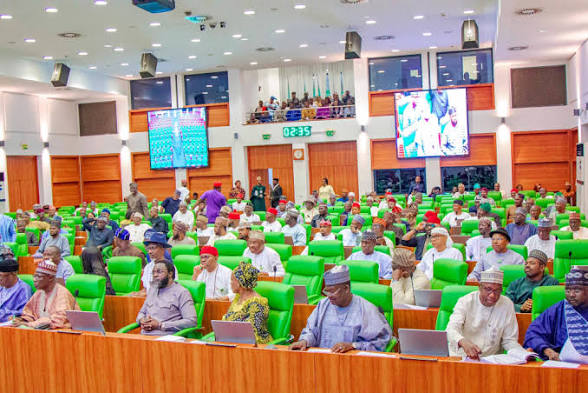
Nigeria’s federal lawmakers are putting the downstream energy sector under the microscope after audit records revealed that state oil firm NNPCL and private fuel marketers have piled up at least ₦432 billion in unpaid regulatory obligations.
The House of Representatives Public Accounts Committee (PAC) confirmed the formal probe this week, following persistent warnings raised in the Auditor-General’s 2023 and 2024 annual reports.
Regulatory Levies Left Unpaid
The mountain of debt has accumulated over a six-year period from 2017 to 2023, remaining largely uncollected despite the country’s tight fiscal squeeze.
READ ALSO:
Cheap Alcohol Fuels Banditry NAFDAC Chief Stands Firm on Sachet Ban
Fresh Blackout Hits Abuja as Apo Substation Transformer Trips
More Than 1,000 Migrants Rescued Off West Africa in One Week
The liabilities consist of statutory fees meant to fund national energy infrastructure, including the 1% Midstream and Downstream Gas Infrastructure Fund, National Transport Average fees, Balancing Allowances, and lingering credit balances from import and coastal operations.
Audit records track a steep rise in default:
- The 2023 audit initially captured ₦392 billion in total arrears, with NNPCL carrying over ₦162 billion and commercial marketers responsible for ₦230 billion.
- The 2024 report revealed that private marketer debt alone had swelled to ₦432 billion, separate from state-owned NNPCL liabilities.
- Regulatory data from the NMDPRA confirms that 146 companies affiliated with DAPPMAN and MEMAN owed ₦327 billion by 2025.
No Hiding Place for Defaulters
PAC Chairman, Rep. Bamidele Salam, made it clear that parliament expects compliance from corporate leaders, issuing a firm directive against corporate stonewalling.
Salam emphasized that the committee will scrutinize why statutory revenues were permitted to sit idle without vigorous enforcement from the NMDPRA. Defaulters will be forced to present audit trails detailing every transaction, outstanding balances, and proof of any remittances made to date.
For lawmakers, the objective is unambiguous: plug commercial leakages, enforce fiscal discipline, and recover every outstanding naira owed to the federation.
News
Fresh Blackout Hits Abuja as Apo Substation Transformer Trips
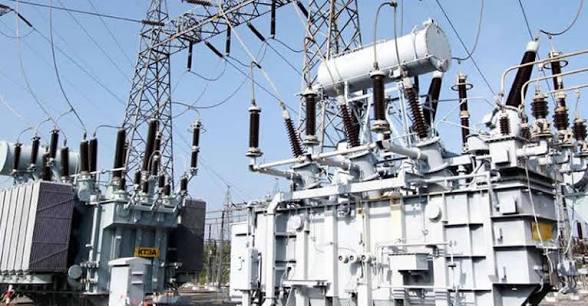
Parts of the nation’s capital have once again been plunged into darkness following an early-morning equipment failure at the Apo Transmission Substation on Wednesday.
The Transmission Company of Nigeria (TCN) confirmed the outage, attributing the disruption to the tripping of a 100MVA TR4 power transformer at its 132kV/33kV facility. Preliminary findings trace the failure to an oil spillage on the transformer’s red-phase High Voltage (HV) bushing, which forced four critical 33kV feeders, H31, H33, H35, and H37 offline.
READ ALSO:
Cheap Alcohol Fuels Banditry NAFDAC Chief Stands Firm on Sachet Ban
Missing Billions: Lawmakers Summon NNPCL and 146 Marketers Over ₦432bn Downstream Debt
More Than 1,000 Migrants Rescued Off West Africa in One Week
In an official public notice, the transmission utility stated that technical teams are already mobilized on-site:
“The Transmission Company of Nigeria, TCN, hereby informs the public that the 100MVA TR4 transformer at the 132/33kV Apo Transmission Substation tripped in the early hours of today. Our maintenance crew are already carrying out a detailed investigation on the transformer to ascertain the exact cause of the tripping, to enable us effect repairs and restore the transformer.”
Following the grid disruption, the Abuja Electricity Distribution Company (AEDC) confirmed power losses across several major districts, including the Apo Legislative Quarters, Lokogoma, and Apo Resettlement.
The latest breakdown adds to a pattern of recurring supply interruptions across Abuja, coming just days after scheduled maintenance works left residents grappling with low generation and prolonged blackouts.
-
 Auto3 days ago
Kaduna to Lead Govt Patronage of Local Vehicles as Sani Unveils Peugeot 5008
-
 metro2 days ago
El-Rufai Demands ₦10bn from Defence Minister Over Southern Kaduna Killings Allegation
-
 metro2 days ago
Catholic priest leaves priesthood, weds Kenyan woman after 12 years in Kenya
-

 News1 day ago
Lagos Moves to Slash Agency Fees, Curb Rent Hikes With New Tenancy Bill
-
 metro2 days ago
Oyoland Grand Chief Imam Celebrates Dr Sharafudeen Raji for Service to Islam
-

 metro3 days ago
Socialite Igho ‘Tiny’ Ubiribo Dies After Penis Enlargement Surgery
-
 Politics2 days ago
Why Did Peter Obi Attend Seyi Makinde’s Campaign Launch? Here’s What He Said
-
 metro2 days ago
No US Case Against Tinubu, Family Enjoy Unimpeded Transit for UNGA — Ambassador Ibrahim