
International
WHO Warns U.S. Withdrawal Puts Global Health, Safety at Risk

WHO Warns U.S. Withdrawal Puts Global Health, Safety at Risk
The World Health Organization (WHO) has cautioned that the United States’ withdrawal from the agency will make both the U.S. and the world less safe, disputing the reasons cited by Washington for the move.
In a statement, WHO Director-General Tedros Adhanom Ghebreyesus described the U.S. exit as “untrue” and said it undermines global health security, including efforts to prevent and respond to pandemics, epidemics, and other health emergencies. He emphasised that the WHO has always worked with member states respectfully and collaboratively.
READ ALSO:
- 2027 Election: Forum of Former Lawmakers Endorses Tinubu for Second Term
- Anambra Govt to Dock Salaries of Workers Observing IPOB Monday Sit-At-Home
- NELFUND Debunks Immediate Student Loan Repayment Claims
The WHO highlighted the historic role of the United States in global health, noting contributions to fighting COVID-19, polio, malaria, HIV, tuberculosis, and other infectious diseases. The agency warned that losing U.S. participation could weaken international disease surveillance, vaccine coordination, and outbreak preparedness.
The U.S. withdrawal, effective January 22, 2026, follows a 2025 executive order citing dissatisfaction with WHO’s COVID-19 response and global health governance. Public health experts caution that the exit could limit the U.S.’s ability to respond rapidly to emerging global health threats.
In response, some U.S. states and subnational actors, including California, have pledged continued engagement with WHO programs such as the Global Outbreak Alert & Response Network (GOARN) to maintain links with international health monitoring.
The WHO’s official reaction comes ahead of its Executive Board and World Health Assembly meetings in February and May 2026, where the implications of the U.S. withdrawal will be reviewed, and strategies for sustaining global health security will be discussed.
WHO Warns U.S. Withdrawal Puts Global Health, Safety at Risk









International
Iranian Missiles, Drones Strike US Air Base in Saudi Arabia
Iranian Missiles, Drones Strike US Air Base in Saudi Arabia
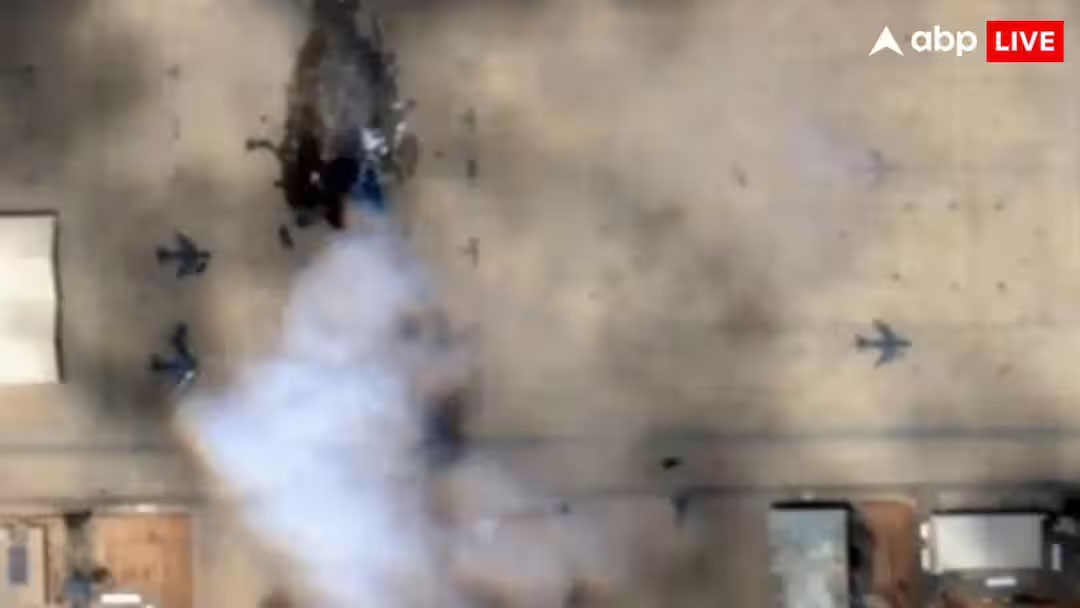
On Friday, Iranian missiles and drones targeted the Prince Sultan Air Base in Saudi Arabia escalation in the ongoing Middle East conflict, as tensions rise between Iran, the United States, and their regional allies.
According to U.S. and Saudi officials cited by The Wall Street Journal, the attack involved a combination of ballistic missiles and unmanned aerial vehicles. Open-source imagery and data circulating online verified the strike. At least 12 U.S. troops were wounded, with two reported in critical condition, while others suffered minor injuries. The assault also damaged several U.S. Air Force refueling aircraft, essential to regional operations. This is the latest in a series of attacks on Prince Sultan Air Base, which has previously sustained damage from Iranian strikes. The Pentagon has not publicly commented on the incident, but the attack underscores the growing vulnerability of U.S. military assets in the Gulf region.
READ ALSO:
- Millions to March Across US in Largest Anti-Trump Demonstrations
- Israel Intercepts Missile From Yemen, Raising Fears of Wider Middle East Conflict
- Oil Jumps, Stocks Waver as Iran-US Tensions Keep Investors on Edge
The conflict is widening across the Gulf. The United Arab Emirates reported intercepting ballistic missiles and drones, although debris from interceptions caused fires in Abu Dhabi, prompting authorities to warn civilians to stay clear of affected areas. In Bahrain, a missile strike ignited a facility, demonstrating that Iranian strikes are not limited to Saudi Arabia. The Islamic Revolutionary Guard Corps issued a warning urging civilians to avoid areas where U.S. forces are stationed, accusing American troops of using locals as “human shields.” This statement frames Iran’s attacks as part of a broader campaign against U.S. presence in the Gulf.
The strikes highlight both the growing reach of Iranian ballistic and drone capabilities and the challenges faced by U.S. and allied air defenses. Military officials are reviewing force protection measures to safeguard personnel and critical infrastructure. The attacks raise concerns about regional stability, the safety of U.S. forces, and potential disruptions to global energy markets. With the conflict showing signs of escalation, analysts warn that ongoing attacks could intensify hostilities and draw in additional regional actors. The situation remains fluid, and U.S. military and allied authorities continue to monitor threats across the Gulf.
Iranian Missiles, Drones Strike US Air Base in Saudi Arabia
International
Millions to March Across US in Largest Anti-Trump Demonstrations

Millions to March Across US in Largest Anti-Trump Demonstrations
Millions of Americans are expected to take to the streets Saturday in nationwide protests against Donald Trumpebue, Alaska.
Key demonstrations are planned in Washington, D.C., New York, Los Angeles, and Chicago. Minnesota, particularly St. Paul and Minneapolis, will be a focal point, months after the state became central to the national debate over Trump’s immigration policies. Legendary rocker Bruce Springsteen is scheduled to perform in St. Paul, debuting his song “Streets of Minneapolis,” written in memory of protesters killed during demonstrations against the administration’s immigration enforcement.
The protests are designed not only to challenge Trump’s domestic policies but also to express outrage over the war in Iran, launched alongside Israel. Critics argue that shifting objectives and unclear timelines for the military operation have deepened economic burdens for Americans, heightened geopolitical tensions, and fueled public discontent.
READ ALSO:
- Israel Intercepts Missile From Yemen, Raising Fears of Wider Middle East Conflict
- Oil Jumps, Stocks Waver as Iran-US Tensions Keep Investors on Edge
- El-Rufai Freed After Weeks in Detention, Family Confirms
Broad Base of Participation
Organizers note that two-thirds of participants live outside major urban areas, indicating that anti-Trump sentiment is growing beyond traditional Democratic strongholds. The movement emphasizes peaceful but visible civic engagement, aiming to pressure lawmakers ahead of the November midterm elections, when Trump’s Republicans risk losing control of Congress.
Speakers and activists cite multiple grievances, including the administration’s treatment of immigrants, attacks on civil liberties, climate policy, and perceived executive overreach. “Masked secret police terrorizing our communities. An illegal, catastrophic war putting us in danger and driving up our costs. Attacks on our freedom of speech, our civil rights, our freedom to vote,” the No Kings movement said in a statement.
Labor leaders, veterans groups, and civil rights organizations have also joined, underscoring a wide coalition opposed to Trump’s policies. “America is at an inflection point,” said Randi Weingarten, president of the American Federation of Teachers. “People are afraid, and they can’t afford basic necessities. It’s time the administration listened and helped them build a better life rather than stoking hate and fear.”
The scale of the protests highlights the intensity of political engagement in the United States and the polarized climate of public opinion. Organizers say they hope sustained pressure and visibility will shape political discourse and influence policy decisions.
Millions to March Across US in Largest Anti-Trump Demonstrations
International
Israel Intercepts Missile From Yemen, Raising Fears of Wider Middle East Conflict
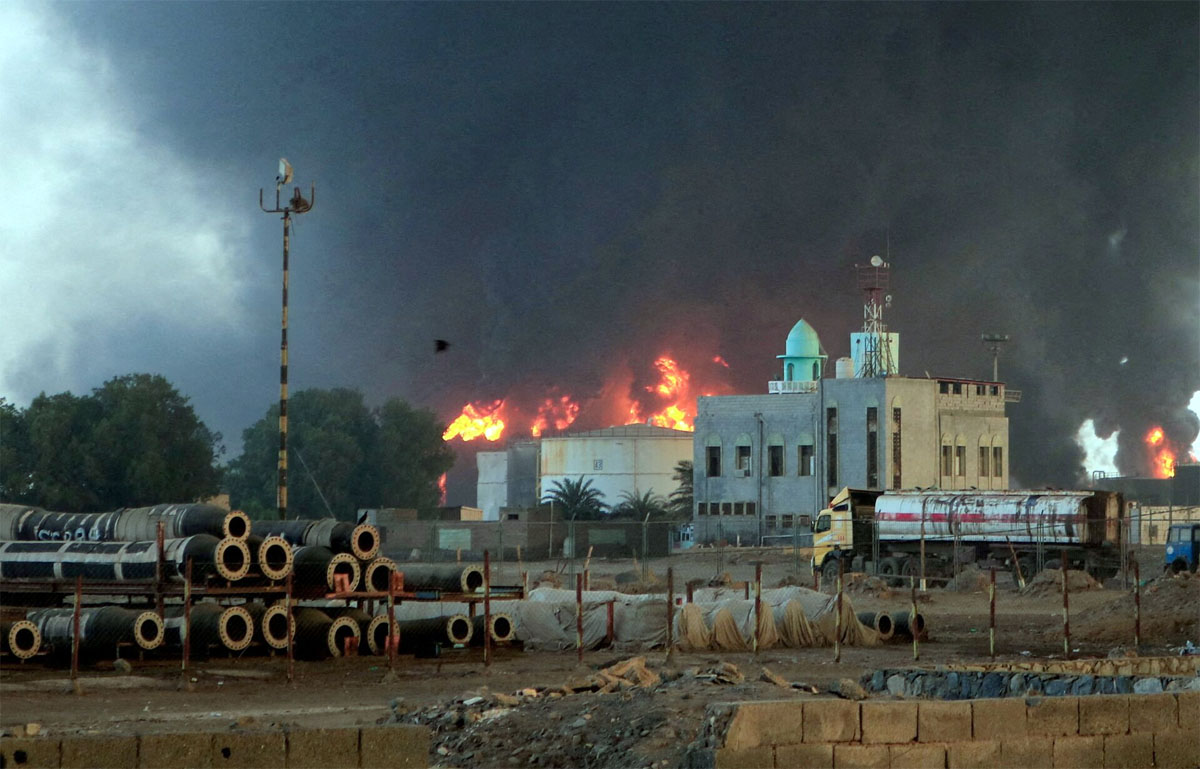
Israel Intercepts Missile From Yemen, Raising Fears of Wider Middle East Conflict
The Israeli military has confirmed the interception of a missile launched from Yemen, marking a significant escalation in the ongoing Middle East conflict and heightening fears of a broader regional war.
According to the Israel Defense Forces, the missile was detected early Saturday and successfully intercepted by air defence systems, with no immediate reports of casualties or damage. The incident is the first of its kind since the current phase of hostilities began, raising concerns about the expansion of the conflict beyond its initial fronts.
The development came shortly after warnings from Iran-aligned Houthi forces in Yemen, who signalled readiness to act if escalation against Iran and allied groups continues. Although the Houthis did not officially claim responsibility, the timing has intensified speculation about their involvement.
Security analysts warn that Houthi participation could significantly widen the war, given the group’s ability to launch long-range missiles and drones. The group has previously targeted international shipping routes in the Red Sea and surrounding waters, contributing to disruptions in global trade and energy supply chains.
READ ALSO:
- Oil Jumps, Stocks Waver as Iran-US Tensions Keep Investors on Edge
- El-Rufai Freed After Weeks in Detention, Family Confirms
- US Threatens to ‘Unleash Hell’ on Iran if Talks Fail
These concerns are amplified by the proximity of key maritime chokepoints, including the Strait of Hormuz, through which a substantial portion of the world’s oil passes. Any sustained threat to these routes could have major implications for oil prices and global economic stability.
The latest incident underscores growing fears of a wider confrontation, as Iran-backed groups across the region increase their level of engagement. Armed factions in Lebanon and Iraq have already intensified attacks, including rocket and drone strikes targeting Israeli and US-linked positions.
The conflict was triggered by joint military actions involving the United States and Israel against Iranian targets in late February, setting off a wave of retaliatory strikes across multiple regions.
Military officials say defence systems across the region remain on high alert, while the Pentagon continues to evaluate its military posture, including possible troop deployments and naval reinforcements to secure strategic waterways.
Experts caution that the entry of Yemen into the conflict—either directly or through sustained proxy attacks—could significantly complicate containment efforts. A multi-front war involving Iran-backed groups would increase pressure on Israel’s defences and heighten the risk of miscalculation.
As diplomatic efforts continue, the situation remains highly volatile. Analysts warn that further escalation could disrupt global trade routes, trigger spikes in energy prices, and draw more international actors into the crisis.
Israel Intercepts Missile From Yemen, Raising Fears of Wider Middle East Conflict

-

 Entertainment3 days ago
Yoruba Film Industry Mourns as Actress Bukky Mountain Dies
-

 metro2 days ago
“We Pay Men to Sleep With Us in Germany” — Nigerian Woman Laments Loneliness Abroad
-

 Entertainment2 days ago
Tragedy in Music Industry as ‘Show Your Style’ Singer Sabinus Dies
-

 metro22 hours ago
Tragedy in Aramoko: Trailer Rams Residential Building, Kills 300‑Level Student
-

 News1 day ago
Final Notice: FG Orders Civil Servants to Complete PASGA Verification by March 31
-

 metro2 days ago
El-Rufai’s Mother, Hajiya Umma, Dies Amid Son’s Legal Battle
-

 metro3 days ago
Kidnappers Now Using Banks to Receive Ransom Payments — Security Expert Raises Alarm
-

 Business2 days ago
Relief in Sight as Dangote Refinery Lowers Petrol Price