
News
Why some people in NNPC are sabotaging Dangote refinery – Emir Sanusi
Why some people in NNPC are sabotaging Dangote refinery – Emir Sanusi
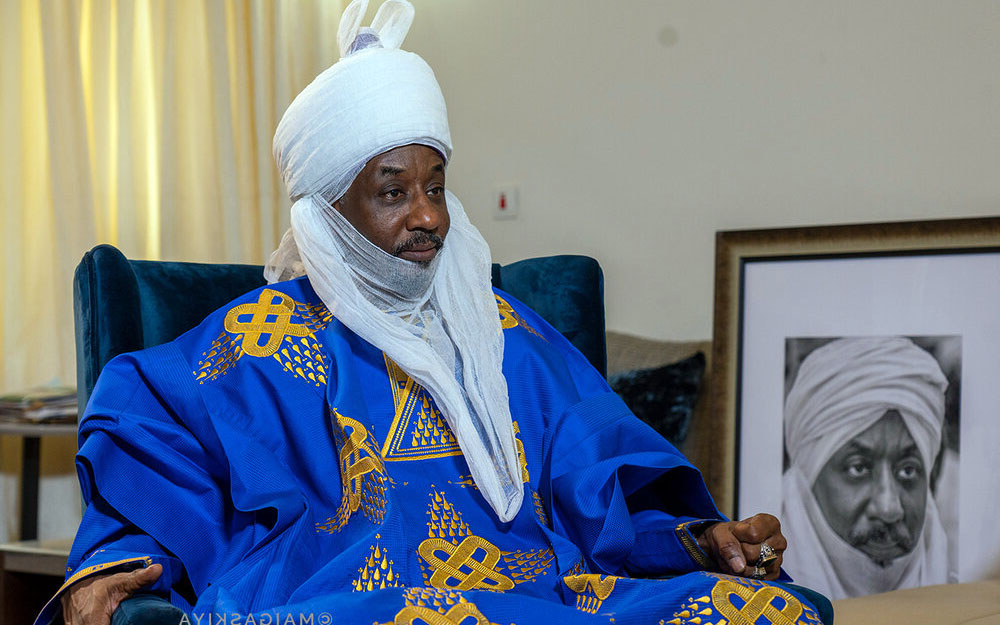
The 16th Emir of Kano, Muhammadu Sanusi II, has weighed in on the controversy and furore surrounding the operation of the $20 billion Aliko Dangote Refinery.
For days on end now, Dangote, a hitherto reclusive and laconic character, has made headlines over his public expression of his frustration with the treatment that has been meted out to him and his investment, especially the refinery, by some government officials.
Speaking on the the topical issue, Emir Sanusi said some vested interested in the Nigerian-owned petroleum company, NNPC, don’t want the refinery to see the light of day.
He said this in reaction to the claim by Chief Executive Officer of The Nigerian Midstream and Downstream Petroleum Regulatory Authority, NMDPRA, Farouk Ahmed, that Nigeria can’t depend on Dangote’s refinery for petroleum products, especially Automotive Gas Oil and Dual Purpose Kerosene, DPK.
Sanusi said the claim is laughable, adding that a local refinery would guarantee energy security than imported petroleum products.
He added that the people in the NNPC don’t want to end their lucrative subsidy scam to end.
READ ALSO:
- Ekiti council worker arrested, accused of sleeping with teenage daughter
- I’ll divorce my wife if Kamala doesn’t win US presidential election – Charly Boy
- Lagos traditional ruler who faked his abduction gets jail term reduction
Sanusi shared his take on the raging public discourse while commenting on a SOP Chat Group.
He said “This is most laughable. On the contrary, relying on a local refinery is far more secure than these imports.
“It is a very rich argument from an entity that had taken billions of dollars in the name of turnaround maintenance and not produced a drop of product from four refineries because it is more profitable to continue extracting rent in the name of subsidy. If NNPC activated its refineries, there would be no monopoly. Then, we can see the sulphur content of its products and compare them to Dangote’s.”
He said further: “Until then, keeping quiet is the honourable option for it, NNPC and its spinoffs have lost any right to talk until they fix the mess they have thrown us into.
“In any case, if the Dangote refinery is unable to meet local demand, the gap can be filled by imports, these people in NNPC do not want to end their lucrative subsidy scam, and I don’t think they will end it.
” But as a nation, if we do not thank Dangote for what he has done as an African to deal a hammer blow to multinationals and the rentier system and for structural change in this economy through value added in various sectors, we should not condemn him.
“Also, we tend to repeat stories without evidence. We hear about Dangote getting favourable taxation but no one has said what this tax is, if he got it alone or if it was offered to a sector or to pioneers, and if such a practice is in fact normal to encourage investment.”
The emir concluded thus: “Instead of killing Dangote, we should try and make more like him. Nigeria always kills its heroes and its best because of envy and pettiness.”
Why some people in NNPC are sabotaging Dangote refinery – Emir Sanusi







News
US Lawmaker Accuses Nigerian Security of Complicity in Attacks on Christian Communities
US Lawmaker Accuses Nigerian Security of Complicity in Attacks on Christian Communities
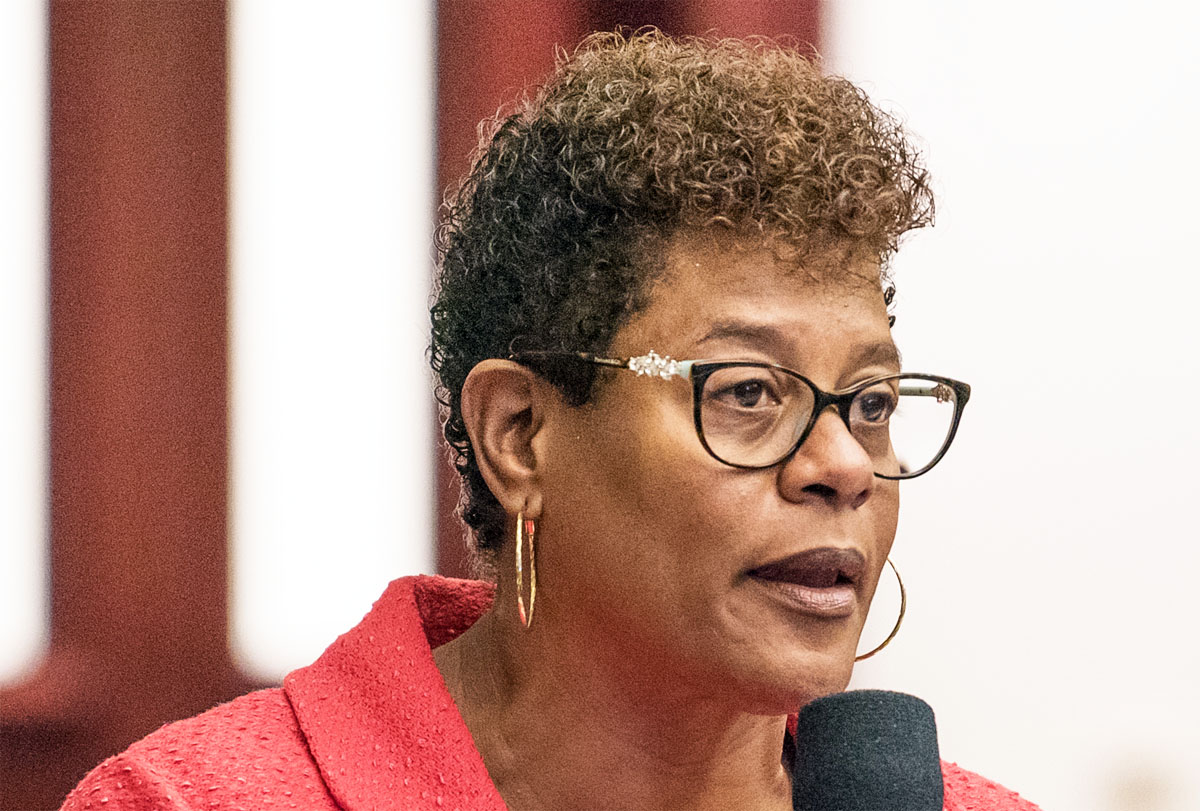
A United States lawmaker, Kimberly Daniels, has accused elements within Nigeria’s security system of alleged complicity in attacks on Christian communities, raising fresh global concerns over the country’s worsening insecurity in Nigeria.
Daniels, a member of the Florida House of Representatives and chair of the United World Congress of Diplomats, made the allegation in a report released on April 14, 2026, highlighting recent violence in Plateau State, Kaduna State, and Nasarawa State.
The report focused on attacks that reportedly occurred during Palm Sunday and Easter Sunday, describing them as part of a sustained pattern targeting religious gatherings and vulnerable communities.
According to Daniels, there is a significant gap between official statements from Nigerian authorities and the lived experiences of affected communities. She noted that while the government often condemns such attacks, many residents continue to face insecurity, raising questions about the effectiveness of current security responses.
READ ALSO:
- Hajia Sofuratu Seghosime Emerges ICAN President-Elect
- ADC Expels Nafiu Bala, Leke Abejide, Ratifies David Mark-Led Leadership
- Yul Edochie Slams ADC Leaders, Says Opposition Chieftains “Achieved Nothing” while in govt
The report included testimonies from survivors and local residents who expressed frustration over recurring violence and what they described as inadequate protection from security agencies. Some of the accounts highlighted continued loss of lives and displacement, despite repeated assurances from government officials.
Daniels also referenced past allegations involving former Zamfara State governor Bello Matawalle, raising concerns about claims of links between political actors and armed groups. While such allegations remain disputed, she warned that unresolved claims could weaken public trust in Nigeria’s security institutions.
The development adds to growing international concern over Nigeria insecurity, as the country continues to battle a complex mix of banditry, insurgency, and communal violence, particularly in northern regions.
Security analysts have repeatedly pointed to challenges such as limited intelligence coordination, inadequate manpower, and logistical constraints as factors contributing to the persistence of attacks in rural and semi-urban communities.
Daniels called for urgent reforms in Nigeria’s security architecture, including improved intelligence gathering, stronger accountability mechanisms, and better protection for vulnerable populations.
She warned that failure to address the situation decisively could embolden perpetrators and deepen the humanitarian crisis in affected regions.
As of the time of filing this report, there has been no official response from Nigerian authorities regarding the allegations. However, government officials have consistently denied claims of complicity in past incidents, maintaining that security agencies remain committed to tackling criminal activities nationwide.
The latest development underscores increasing global scrutiny of Nigeria’s security challenges as political, humanitarian, and governance concerns continue to intersect.
US Lawmaker Accuses Nigerian Security of Complicity in Attacks on Christian Communities
News
Hajia Sofuratu Seghosime Emerges ICAN President-Elect
Hajia Sofuratu Seghosime Emerges ICAN President-Elect
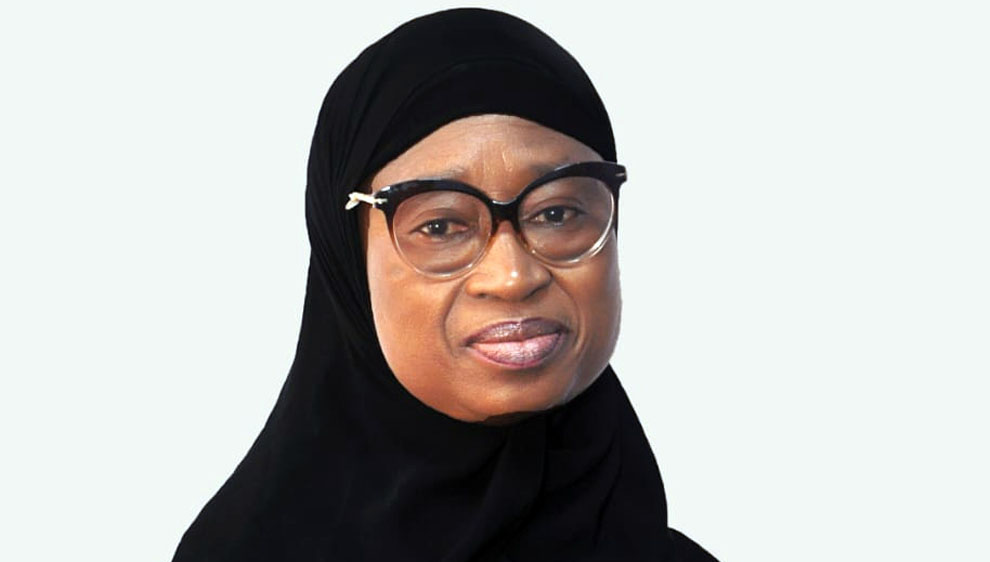
The emergence of Hajia Sofuratu Seghosime as the 62nd President-Elect of the Institute of Chartered Accountants of Nigeria (ICAN) has continued to draw widespread commendation across Nigeria’s financial and regulatory institutions, with stakeholders describing her elevation as a reflection of decades of professional excellence in taxation, governance, and public service.
Her election has been particularly celebrated within the Nigerian Revenue Service (formerly Federal Inland Revenue Service), where she spent a significant part of her career, rising through the ranks over 26 years to become Coordinating Director for Compliance and Enforcement.
With over 40 years of experience spanning public service and private consultancy, Seghosime’s emergence is widely seen as a natural progression for a seasoned tax administrator and financial expert whose contributions have shaped Nigeria’s fiscal and regulatory landscape.
She currently serves as the Chief Executive Officer of Quebaan Professional Services, where she leads advisory work across taxation, auditing, corporate governance, financial management, strategy, and dispute resolution, supporting both public and private sector organisations in meeting regulatory and compliance obligations.
Seghosime’s professional journey within ICAN has also been marked by steady progression. Since joining the Council of the institute in 2014, she has held several strategic roles, contributing to policy formulation, professional development, and institutional governance within Nigeria’s accounting profession.
READ ALSO:
- ADC Expels Nafiu Bala, Leke Abejide, Ratifies David Mark-Led Leadership
- Yul Edochie Slams ADC Leaders, Says Opposition Chieftains “Achieved Nothing” while in govt
- Rising Debt, Oil Shock Could Trigger Global Slowdown, IMF Warns
Beyond ICAN, she is a Fellow of the Chartered Institute of Taxation of Nigeria (CITN), a member of the Chartered Institute of Arbitrators, and an alumnus of the National Institute for Policy and Strategic Studies (NIPSS), Kuru, underscoring her multidisciplinary expertise in taxation, dispute resolution, and national policy.
Her influence also extends to key national and international platforms. She currently serves as a Commissioner on the Tax Appeal Tribunal and previously contributed to standard-setting as a member of the Nigerian Accounting Standards Board, now the Financial Reporting Council of Nigeria. She has also represented Nigeria in global tax discussions at the Organisation for Economic Co-operation and Development (OECD) and the Commonwealth Association of Tax Administrators.
Industry stakeholders say her experience in both domestic tax administration and international fiscal engagement positions her to strengthen ICAN’s role in shaping financial accountability and governance standards in Nigeria.
Reacting to her emergence, Otunba Tobi Abiola, a senior official of the Nigerian Revenue Service overseeing Ogun, Oyo, and Osun States, described her election as a victory for integrity, professionalism, and ethical leadership.
He praised Seghosime as a leader of “high wisdom” whose career reflects competence, transparency, and a deep commitment to public service, adding that her leadership is expected to drive reforms and strengthen institutional credibility within ICAN.
Abiola noted that her ability to balance tradition with innovation, coupled with her dedication to mentorship and inclusive leadership, would play a crucial role in advancing the accounting profession and fostering collaboration across sectors.
Observers within Nigeria’s financial ecosystem believe her presidency could come at a critical time when issues of tax compliance, public finance transparency, and corporate governance remain central to economic reforms and investor confidence.
Her election is also being viewed as a milestone for gender representation in leadership within Nigeria’s professional bodies, with many noting that her rise could inspire more women to pursue leadership roles in finance, accounting, and public administration.
As she prepares to assume office, expectations are high that Seghosime will leverage her extensive experience to strengthen ICAN’s regulatory influence, promote ethical standards, and support Nigeria’s broader economic and fiscal reforms.
Hajia Sofuratu Seghosime Emerges ICAN President-Elect
News
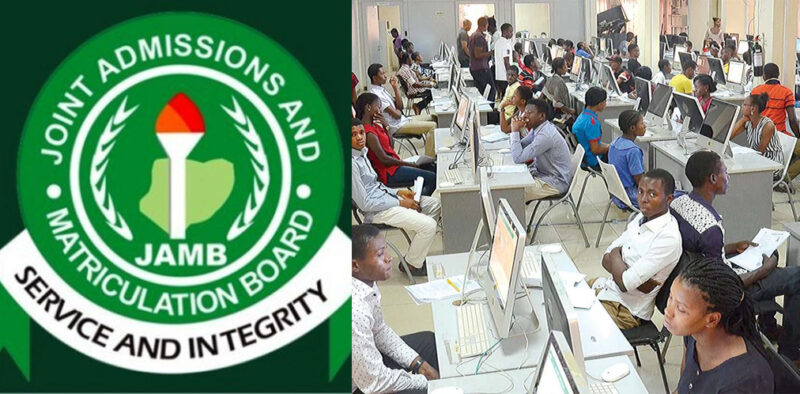
2026 JAMB UTME: Over 2.2 Million Candidates Face Stricter Rules, CBT Reforms Begin
2026 JAMB UTME: Over 2.2 Million Candidates Face Stricter Rules, CBT Reforms Begin
The 2026 Unified Tertiary Matriculation Examination (UTME) conducted by the Joint Admissions and Matriculation Board (JAMB) is shaping up to be one of the most tightly regulated and highly subscribed examinations in Nigeria’s education history, with over 2.2 million candidates expected to participate nationwide.
The examination, which serves as the primary gateway into universities, polytechnics, and colleges of education, is scheduled to hold between April 16 and April 22–25, 2026, across nearly 1,000 accredited Computer-Based Test (CBT) centres across the country.
Massive candidate turnout pushes CBT expansion
With candidate numbers rising yearly, JAMB has expanded its CBT operations by distributing candidates across multiple daily sessions to reduce congestion and improve efficiency.
The board continues to emphasize that the UTME remains a fully computer-based examination, lasting approximately two hours, with candidates tested across four subjects depending on their chosen field of study.
Education stakeholders note that the rising number of candidates reflects increased demand for tertiary education, even as institutions struggle with limited admission capacity.
Revised reporting time for candidates
One of the most notable adjustments for the 2026 examination is the revised reporting time for candidates.
Candidates assigned to the first session are now expected to arrive by 7:00 a.m., with examinations starting at 8:30 a.m. and ending by 10:30 a.m.
READ ALSO:
- 2027: Pro-Jonathan Group Launches Campaign Urging Goodluck Jonathan to Run
- 2027: Kwara APC Stakeholders Back Bolarinwa as Kwara South Gains Political Momentum
- Victoria Inyama Says Female Circumcision Is Evil But Helped Her Sexual Discipline
This adjustment, according to examination officials, was introduced following public concerns over early-morning movement risks faced by teenagers during previous examination cycles.
Authorities clarified that candidates are not required to reprint examination slips, as previously issued documents remain valid for the 2026 UTME.
Stricter monitoring and crackdown on malpractice
In line with ongoing reforms, JAMB has intensified efforts to curb examination malpractice and technical lapses across CBT centres.
Reports indicate that about 23 CBT centres were delisted following poor performance during mock assessments, while some technical staff and operators have faced sanctions for failing to meet required standards.
The board has also strengthened its monitoring systems, with enhanced surveillance and compliance checks at examination centres nationwide to ensure transparency and fairness.
Candidates have been warned against bringing prohibited items into examination halls, with strict penalties attached to any violation.
CBT reforms and operational improvements
Recent related reforms introduced by JAMB include tighter accreditation standards for CBT centres and improved real-time monitoring systems aimed at reducing technical disruptions experienced in previous years.
Education analysts say these measures are part of broader efforts to restore public confidence in the UTME process following past complaints about system glitches and irregularities.
Mandatory requirements for candidates
JAMB has reiterated key instructions that all candidates must follow strictly to avoid disqualification.
Candidates are required to print their examination slips, which contain vital details such as exam date, venue, and time.
They are also expected to arrive early and locate their assigned centres ahead of time to avoid last-minute confusion or transportation challenges.
Authorities have warned that late arrival or failure to comply with examination instructions could result in automatic disqualification.
Disability inclusion and equal opportunity support
In a notable development, JAMB has expanded its Equal Opportunity Group programme to support candidates living with disabilities.
The initiative provides tailored assistance, including modified exam conditions and additional support systems designed to ensure fairness and equal access for all candidates.
Education stakeholders have described the initiative as a significant step toward inclusive education and equal participation in national examinations.
Growing significance of the UTME
The UTME remains Nigeria’s most important tertiary admission examination, determining entry into higher institutions for millions of candidates annually.
The 2026 edition stands out due to its record participation, tighter regulatory framework, and increased operational reforms aimed at improving credibility and efficiency.
Conclusion
The 2026 JAMB UTME is defined by scale, stricter oversight, and major operational reforms. For candidates, success will depend not only on academic preparation but also on strict compliance with examination rules, especially regarding timing, documentation, and conduct.
As the examination approaches, candidates are advised to prepare adequately, follow official guidelines, and ensure early arrival at their designated centres to avoid disqualification.
2026 JAMB UTME: Over 2.2 Million Candidates Face Stricter Rules, CBT Reforms Begin

-
 metro3 days ago
Zulum Defends NAF Airstrike, Says Jilli Market Closed Five Years Ago
-
 metro1 day ago
Arise News Yet to Confirm Reported Suspension of Rufai Oseni
-

 metro8 hours ago
Tension in Osogbo as Protesters Demand Respect for Court Judgments in LG Dispute
-

 metro2 days ago
Fresh Boko Haram Attack Leaves Colonel, Six Soldiers Dead in Borno
-

 International3 days ago
Trump Sparks Global Outrage After Calling Pope Leo XIV “Weak, Terrible”
-

 News2 days ago
FG Opens Application for Second Cohort of TVET Programme to Tackle Unemployment
-

 metro2 days ago
Fake Image of Governor Alia Bowing to Sultan Sparks Controversy, Palace Reacts
-
 Politics3 days ago
2027: Tinubu Knows Opposition Playbook, Always Ahead — Festus Keyamo