

Business
NNPC Doubles Crude Supply to Dangote Refinery, But Petrol Prices May Stay High
NNPC Doubles Crude Supply to Dangote Refinery, But Petrol Prices May Stay High
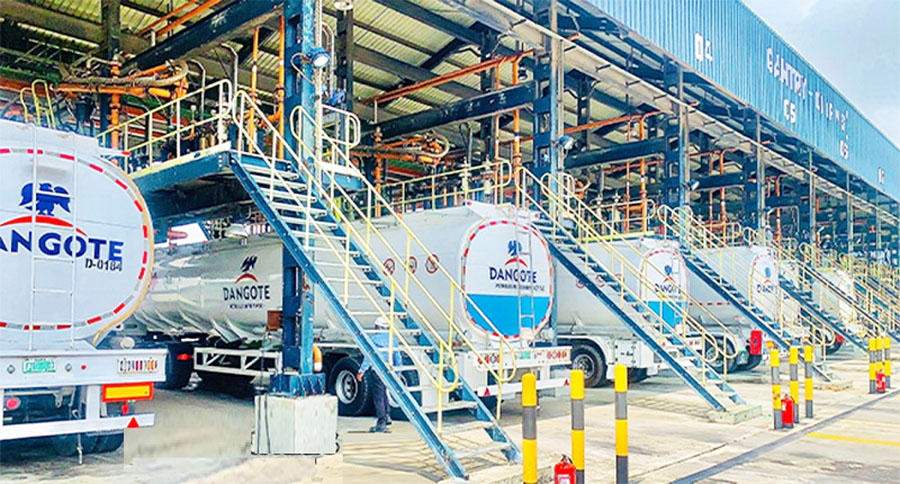
Nigeria’s downstream oil sector is witnessing renewed optimism as the Nigerian National Petroleum Company Limited significantly increased crude oil deliveries to the Dangote Petroleum Refinery, raising expectations of improved fuel availability and potential price relief.
Operators say the development could mark a turning point for Nigeria’s energy market, but caution that lower petrol prices will depend largely on government intervention in crude pricing.
The President of the Dangote Group, Aliko Dangote, confirmed that the refinery received 10 crude cargoes in March 2026, double the average of about five cargoes monthly since late 2024. The shipments included six cargoes paid for in naira and four in US dollars, under the ongoing crude-for-naira arrangement designed to reduce foreign exchange pressure and boost local refining.
The increase comes at a critical time when global oil supply chains have been disrupted by geopolitical tensions in the Middle East, prompting Nigeria to strengthen domestic refining capacity. Industry stakeholders say this strategic shift is aimed at reducing reliance on imported fuel and insulating the economy from external shocks.
Despite the improvement, the refinery is still operating below full capacity. Dangote disclosed that the plant requires about 18 to 19 cargoes monthly to run optimally, meaning Nigeria still falls short of meeting its full domestic fuel demand through local production alone. As a result, the refinery continues to import crude from the United States and other African producers, increasing operational costs.
Dangote also raised concerns about the role of international oil companies operating in Nigeria, noting that many prefer to sell crude to foreign traders rather than supply directly to local refineries. This forces the Dangote refinery to repurchase Nigerian crude at higher international prices, adding pressure to the final cost of petroleum products.
READ ALSO:
- Decades of Prayer, No Results: Man’s Story Divides Public Opinion
- Blessing CEO Used Another Patient’s Cancer Report to Seek Donations – NMA
- Iran Suspends Direct Diplomatic Contact with US
Experts say this pricing challenge is central to whether Nigerians will feel any relief at the pump. The Chief Executive Officer of Petroleumprice.ng, Jeremiah Olatide, noted that while increased supply improves fuel availability, it does not automatically translate to affordability. According to him, crude supplied locally is still priced using global benchmarks, limiting the chances of an immediate drop in petrol and diesel prices.
He warned that without government intervention—such as a crude subsidy for local refineries—fuel prices could continue to rise, with petrol potentially nearing ₦1,500 per litre and diesel exceeding ₦2,000 per litre. He added that diesel prices at the depot level have already crossed critical thresholds, signaling mounting pressure in the downstream market.
Beyond Nigeria, the Dangote refinery is rapidly emerging as a major energy supplier across Africa. Dangote revealed that the facility exported about 17 cargoes of refined petroleum products to other African countries in March alone, highlighting its growing regional influence amid global supply uncertainties.
The refinery is also expanding into petrochemicals, particularly polypropylene production, which is currently in high demand globally due to supply shortages linked to Middle East disruptions. This diversification is expected to further strengthen Nigeria’s industrial base and reduce dependence on imports.
The 650,000 barrels-per-day refinery, the largest in Africa, remains central to Nigeria’s long-term plan to achieve energy security, conserve foreign exchange, and stabilise the downstream sector. However, analysts stress that sustained crude supply, improved cooperation with oil producers, and favourable pricing policies will be critical to unlocking its full potential.
For now, while the increased crude allocation signals progress, Nigerians may experience improved fuel supply before any meaningful reduction in pump prices becomes a reality.
NNPC Doubles Crude Supply to Dangote Refinery, But Petrol Prices May Stay High









Business
NAMB Honours Moniepoint, Industry Players at Maiden Microfinance Banking Awards
NAMB Honours Moniepoint, Industry Players at Maiden Microfinance Banking Awards
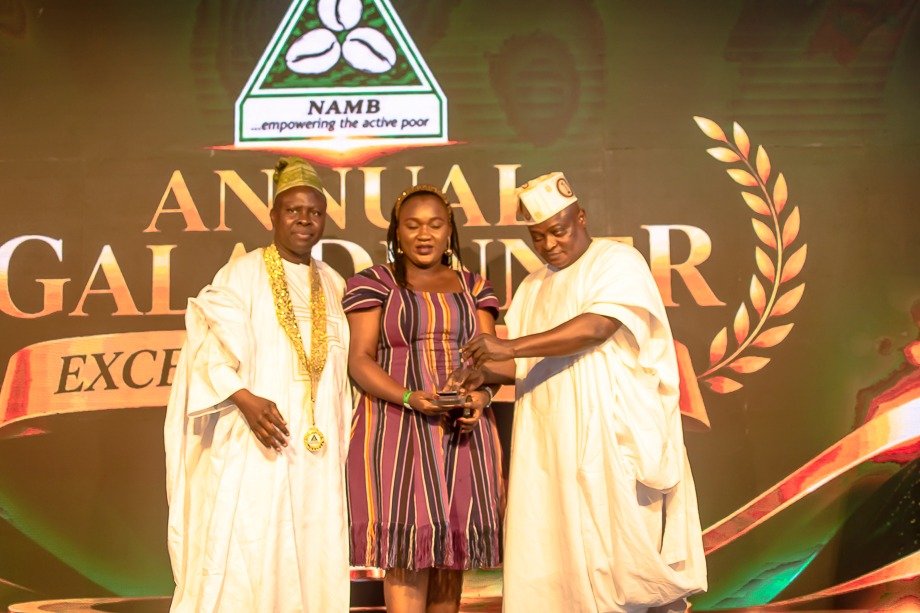
Moniepoint and other key players in Nigeria’s financial services industry have been honoured for their contributions to the growth, innovation and development of microfinance banking at the maiden edition of the National Association of Microfinance Banks (NAMB) Annual Dinner and Award Night.
The awards ceremony, which attracted leading figures across the financial services sector, recognised organisations and stakeholders whose efforts have strengthened the microfinance subsector and advanced financial inclusion in the country.
Speaking at the event, NAMB National President, Dr Adenrele Oni, described the gathering as a landmark occasion, noting that it was the first time in the 21-year history of microfinance banking in Nigeria that stakeholders across the subsector had come together for a unified celebration of achievements and excellence.
He said the event brought together owners, chairmen, chief executives and directors of more than 800 microfinance banks, as well as regulators, policymakers, service providers and development partners.
According to Oni, the initiative was conceived not merely as an awards platform but also as an opportunity to deepen industry relationships, encourage collaboration and build stronger partnerships among stakeholders.
He highlighted the strategic importance of microfinance banks to Nigeria’s financial inclusion drive, noting that they provide essential financial services to individuals and businesses that often struggle to access conventional banking facilities.
Providing an insight into the subsector’s growing financial strength, the NAMB president disclosed that microfinance banks currently have a combined balance sheet exceeding ₦6.9 trillion, a loan portfolio of more than ₦2.7 trillion and deposits estimated at approximately ₦5 trillion.
While expressing optimism about the industry’s prospects, Oni stressed the need for stronger institutional capacity, adequate capitalisation, sound corporate governance and continuous innovation to sustain growth and improve service delivery.
He also acknowledged the contributions of the Central Bank of Nigeria (CBN) and the Nigeria Deposit Insurance Corporation (NDIC), commending their supervisory roles in promoting stability and supporting the development of the subsector.
Congratulating the award recipients, particularly Moniepoint, Oni described them as valuable contributors to the development of a stronger, more innovative and resilient microfinance banking industry.
He further appreciated the sponsors, partners and planning committee for their contributions to the success of the inaugural event.
Oni expressed confidence that the annual dinner and awards would become a regular industry fixture, providing a platform to celebrate outstanding achievements, promote healthy competition and strengthen relationships among stakeholders.
Auto
Omoda and Jaecoo Enters Nigerian Market, Appoints HAP Autos as Official Dealer

Omoda and Jaecoo Enters Nigerian Market, Appoints HAP Autos as Official Dealer
- Five models unveiled as pre-sales begin, with petrol, hybrid and fully electric options
- Buyers get seven-year, 200,000-kilometre warranty
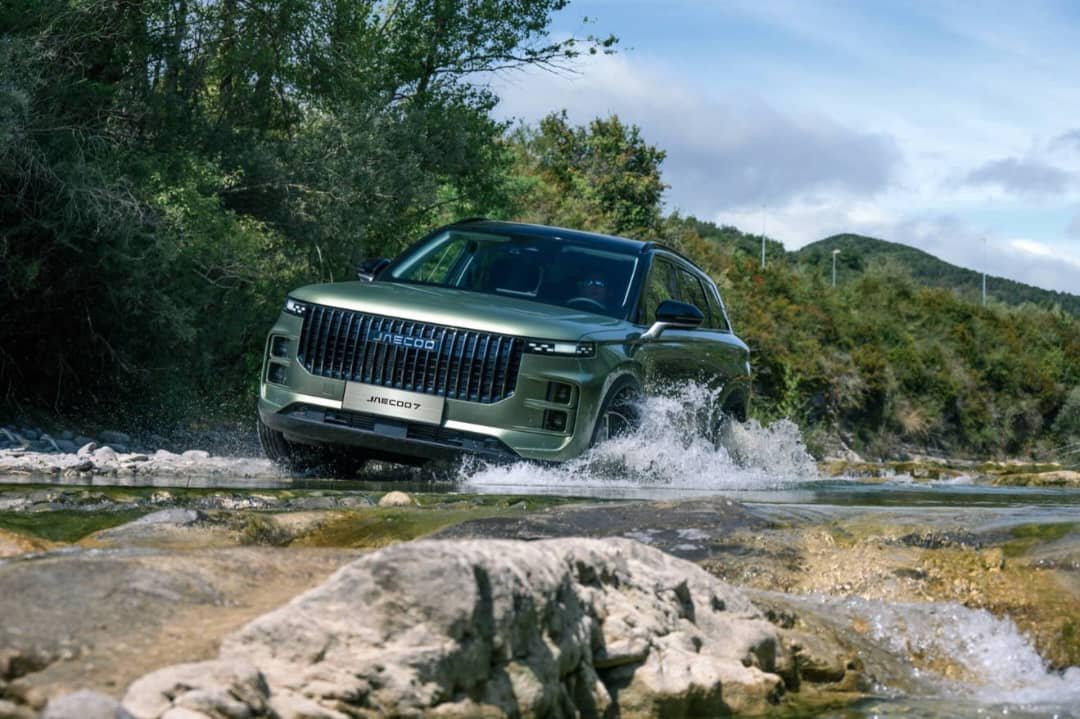
Nigeria’s automotive market is set for increased competition as global automotive brand OMODA&JAECOO makes its official entry into the country, appointing HAP Autos as its authorised dealer and opening pre-sales for five models spanning petrol, hybrid and fully electric powertrains.
The appointment marks the company’s formal arrival in Nigeria after months of anticipation, giving prospective buyers access to its vehicle portfolio through an officially recognised local dealership.
The Nigerian debut features five models: the JAECOO J5, JAECOO J7, flagship JAECOO J8 and the OMODA 5, which is available in both hybrid and fully electric versions.
The diverse line-up is designed to appeal to different categories of motorists, offering alternatives for buyers weighing fuel consumption, vehicle performance, charging infrastructure and long-term ownership costs.
One of the major attractions is the JAECOO J7, which has emerged as a strong performer in the United Kingdom’s new-car market.
The entire range is backed by a seven-year or 200,000-kilometre warranty, an ownership assurance aimed at boosting customer confidence in the brand’s Nigerian debut.
Although its entry into Nigeria is recent, OMODA&JAECOO has built a growing international presence. Its cumulative global sales have surpassed 1.4 million vehicles within three and a half years, spanning 80 markets.
Its expansion into the United Kingdom and other European markets has further strengthened its international profile, providing a platform for its latest push into Africa’s largest automotive market.
For HAP Autos, however, the partnership goes beyond introducing new vehicle models. The company says its priority is to establish an ownership experience built around reliable after-sales service, customer care and sustained support.
Its founders bring experience and interests spanning manufacturing, automotive operations, logistics and construction, which the company believes will help it understand and address the peculiar demands of vehicle ownership in Nigeria.
Speaking on the appointment and HAP Autos’ market strategy, its Managing Director, Ali Sharafeddine, said Nigerian motorists were looking beyond the vehicles themselves to the quality of support available after purchase.
“Nigerians are not short of options. The market is competitive, but what most people seek when buying a car is reassurance, knowing that throughout their ownership journey, there will be comprehensive support and a sense of belonging,” he said.
Sharafeddine explained that the decision to introduce OMODA&JAECOO was informed by the suitability of its engineering standards for the Nigerian market and HAP Autos’ determination to address customer concerns beyond the point of sale.
“We have brought in the OMODA and JAECOO brands because the engineering standards are ideal for this market, and we have built the entire structure of HAP Autos around what concerns our clients the most, which is everything that happens after the sale,” he added.
On the company’s warranty and customer service commitments, the managing director said the seven-year or 200,000-kilometre coverage reflected its determination to provide lasting value to customers.
“We want the confidence our customers feel at delivery to be reinforced by the service, attention and support they receive from us over time.
“We are determined to create a brand where clients can feel like they are part of a family, while also getting the utmost value, and we have made significant investments to ensure this,” Sharafeddine said.
Meanwhile, HAP Autos has introduced a limited-time introductory offer ahead of OMODA&JAECOO’s official launch event scheduled for later this month, giving prospective customers an early opportunity to explore the vehicles and place orders.
The brand also received an early introduction to an influential audience at the recently concluded 25th WIMBIZ Annual Conference.
As part of the engagement, an OMODA 5 EV was presented to WIMBIZ, alongside an engineering training initiative launched in collaboration with the brand’s affiliate company, Iron Products Industries (IPI).
The initiative is designed to provide training opportunities for eligible women within the WIMBIZ network, extending the partnership beyond vehicle sales to professional development and skills acquisition.
OMODA&JAECOO’s Nigerian operations will be anchored by HAP Autos’ flagship showroom at 31B Akin Adesola Street, Victoria Island, Lagos, where customers can inspect the vehicles and experience the models firsthand.
Prospective buyers can also book test drives through the company’s website, www.hapautos.com.
With five models spanning conventional and electrified powertrains, OMODA&JAECOO is positioning itself to compete in Nigeria’s evolving automotive market, while HAP Autos is betting that strong after-sales support and customer confidence will be central to building a sustainable presence.
Auto
Modern Vehicles, Smarter Technology: Why After-Sales Support Must Keep Pace

Modern Vehicles, Smarter Technology: Why After-Sales Support Must Keep Pace
As vehicles become increasingly sophisticated, the ability to maintain and repair them is emerging as a major test of automotive dealers’ capacity and commitment to customers. Beyond selling modern vehicles, dealers must invest in the technical expertise, diagnostic equipment and workshop infrastructure required to keep them running efficiently throughout their lifespan.
Today’s vehicles are equipped with electronic control units, advanced safety systems, digital instrument panels, sensors and increasingly complex powertrain technologies. While these innovations enhance performance, safety, comfort and convenience, they have also made vehicle maintenance more specialised and technically demanding.
Consequently, having experienced mechanics is no longer sufficient. Technicians must undergo continuous training to understand the specific technologies, electronic systems and mechanical configurations of the models they service.
Access to appropriate diagnostic equipment is equally critical. Modern diagnostic tools enable technicians to identify faults accurately, interpret vehicle system data and follow manufacturer-recommended repair procedures. Without the right equipment, troubleshooting can become time-consuming, less accurate and potentially more expensive for vehicle owners.
However, effective technical support goes beyond initial training and the provision of diagnostic tools. As vehicle models, electronic systems and software continue to evolve, technicians must have regular access to updated technical information, specialist guidance and opportunities to upgrade their skills.
This is particularly important in Nigeria, where the automotive market is gradually embracing increasingly sophisticated internal-combustion engine vehicles, hybrids and electric vehicles. The growing diversity of vehicle technologies presents fresh challenges for dealers, workshops and independent service providers.
For prospective buyers, assessing a dealer’s technical capacity should therefore form part of the vehicle purchasing decision.
Customers need to establish whether technicians are adequately trained to service their preferred models, whether manufacturer-approved diagnostic equipment is available and whether the workshop has the capacity to handle specialised electronic and mechanical repairs.
Dealers, on their part, must communicate their technical capabilities transparently, particularly where certain repairs require specialised facilities, manufacturer intervention or external technical support.
Ultimately, a comprehensive after-sales proposition must go beyond warranty coverage. It should encompass the human expertise, diagnostic technology, genuine spare parts and technical infrastructure required to support vehicles throughout their ownership lifecycle.
As automotive technology advances, investment in technical training and workshop capabilities must receive as much attention as the expansion of sales networks and the development of modern showrooms.
The future of automotive after-sales service in Nigeria will depend not merely on the sophistication of vehicles entering the market, but also on the industry’s ability to build the technical capacity and infrastructure needed to maintain them, ensure reliability and sustain customer confidence.
-

 metro2 days ago
Chibok Girl Escapes After Eight Years in Boko Haram Captivity, Reveals 20 Classmates Still Held
-

 metro1 day ago
‘I Paid My Ex-Husband Before He Slept With Me’ – Islamic Preacher Kaola Makes Shocking Revelation
-

 Politics1 day ago
Kwankwaso Made Me Swear on Qur’an to Join APC After Election Victory — Gov Yusuf Reveals Tinubu Deal
-

 Politics2 days ago
‘Makinde Should Call Wike Uncle, Not Me’ – Ogun Fires Back
-

 News2 days ago
How I Linked Wike With Tinubu After His Son’s Death – Donu Kogbara Reveals
-

 metro3 days ago
Gombe: Three Killed, 13 Injured as Alleged Military Shooting Sparks Outcry
-

 Education1 day ago
South-West Leaders Challenged to Emulate Kwankwaso, Invest in Education of Poor Children
-
 Politics1 day ago
2027: Makinde Invokes 1966 Coup, Questions Obi-Kwankwaso Ticket