

News
37.1bn fraud: Why I didn’t honour EFCC’s invitation – Ex-minister
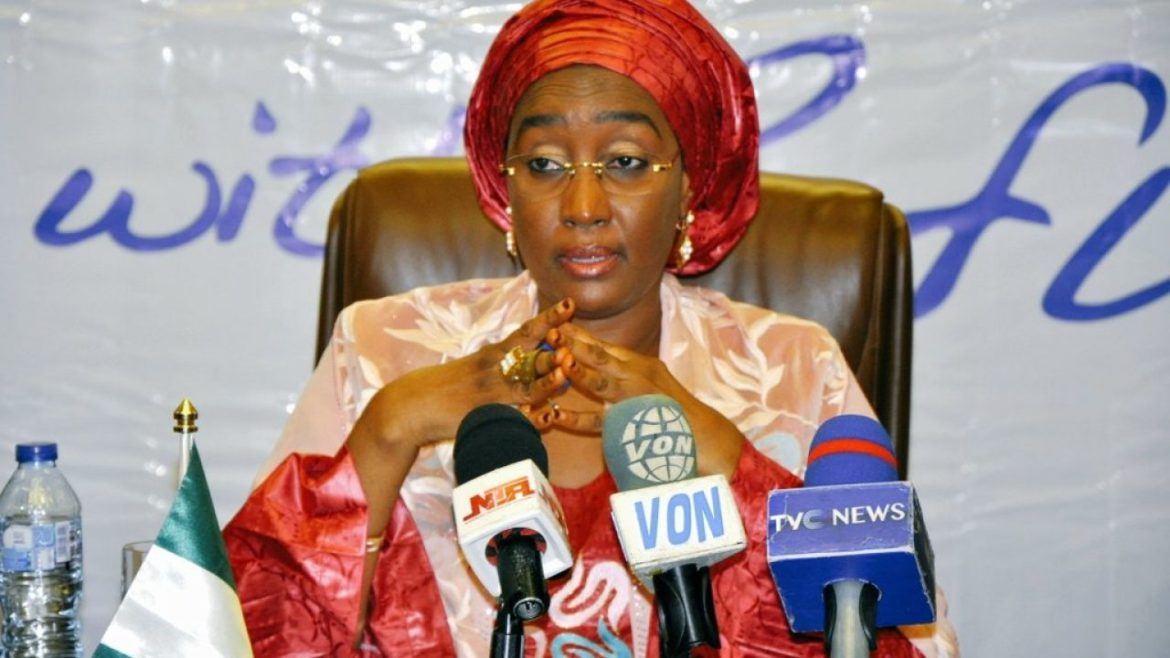
37.1bn fraud: Why I didn’t honour EFCC’s invitation – Ex-minister
Citing health challenges, the former Minister of Humanitarian Affairs, Disaster Management, and Social Development, Sadiya Umar-Farouq has officially written to the Economic and Financial Crimes Commission seeking an extension of the deadline to meet with EFCC interrogators over an ongoing probe into the N37,170,855,753.44 allegedly laundered during her tenure in office, through a contractor, James Okwete.
The PUNCH had earlier exclusively reported that Umar-Farouq faces arrest by operatives of the EFCC after failing to appear before interrogators at the EFCC Headquarters on Wednesday.
Reacting to the development in an exclusive telephone interview with our correspondent on Thursday, the spokesperson for the EFCC, Dele Oyewale said Umar had sent a legal representative to the commission and has written to the commission seeking to be given more time to honour the invitation while citing health challenges.
Oyewale said, “The former Humanitarian Minister didn’t appear before the commission yesterday, but she sent in a letter pleading for more time and also explaining that she has some health challenges and that was why she couldn’t honour the invitation. She also sent in her lawyer to meet with interrogators.
“However, the commission has mandated her to submit herself to the commission without further delay. We are still tracing all the transactions, hence we cannot put a figure to everything now as the investigation is still ongoing.”
The PUNCH had reported that Umar-Farouq kept interrogators waiting for over eight hours on Wednesday without an official communication to the commission as to why she didn’t honour the invitation.
The former minister was asked to appear before investigators at the EFCC Headquarters, Jabbi, Abuja on Wednesday, January 3, 2024, at about 10:00 am, to give an account of the alleged monumental fraud that took place under her watch, a document exclusively seen by our correspondent on Saturday revealed.
However, our correspondent who was at the EFCC Headquarters from 9 am and left at about 6:30 pm on Wednesday confirmed that Umar-Farouq did not show up at the anti-graft agency’s office for interrogation.
Our correspondent who monitored development at the EFCC Headquarters on Wednesday observed the presence of journalists who arrived at the venue at different intervals in expectation of Umar Farouq’s arrival.
An interrogator who spoke with our correspondent on the condition of anonymity Wednesday evening revealed that the interrogation team had to retire from work at about 6 pm when they were certain that the former Minister was not going to show up on Wednesday.
“We just closed from work now because she didn’t show up today, and it’s 6 pm already, it’s certain that she’s never going to show up today,” she said.
Meanwhile, an impeccable senior anti-graft source revealed that Umar-Farouq might be arrested by operatives of the EFCC within the week if she fails to voluntarily appear before investigators at the EFCC’s Headquarters as officially requested by the commission.
“Hajia Sadiya didn’t show up at our (EFCC) office today for interrogation. In fact she kept interrogatories waiting for hours. Meanwhile, our operatives may arrest her this week and bring her in for questioning if she fails to show up tomorrow,” the source revealed.
The PUNCH had earlier exclusively reported that the EFCC invited the former Minister to come to answer questions concerning an ongoing investigation into an alleged ₦37.1bn fraud uncovered in the Ministry of Humanitarian Affairs.
READ ALSO:
- Man arrested for attacking Lagos building control officials with charms (picture)
- N40bn probe: EFCC may declare ex-minister wanted, traces N30bn to private accounts
- Naira falls to N1,035/$ official rate, N1,230 at black market
The document partly read, “The commission is investigating a case of money laundering involving the Ministry of Humanitarian Affairs, Disaster Management, and Social Development during your time as Minister.
“In view of the above, you are requested to kindly report for an interview with the undersigned. Scheduled as follows: Wednesday 3rd, January 2024. 10:00 am. This request is made pursuant to section 38 (I) of the Economic and Financial Crimes Commission (Establishment) Act 2004 & section 21 of the Money Laundering (Prohibition) Act, 2011.”
The ex-minister could not be reached for comments on Wednesday. Also, when contacted, Umar-Farouk’s former media aide, Nnaka Ikem did not respond to phone calls and text messages from our correspondent.
The PUNCH had earlier reported that the EFCC arrested a contractor, James Okwete, in connection with the ongoing probe into the N37.1bn allegedly laundered by the Ministry of Humanitarian Affairs, Disaster Management, and Social Development under the former Minister, Umar-Farouk.
A top EFCC official, who confided in our correspondent on Sunday, said the contractor had made useful statements concerning Umar-Farouk and former director-general of the ministry.
Impeccable sources had earlier confirmed to The PUNCH that Okwete, who is still being held at the EFCC Headquarters, Jabi, Abuja, had been cooperating with investigators.
A source said, “The contractor, Mr Okwete, who was used in laundering the money had been arrested by the commission. He is currently detained in our custody and has been giving investigators more details that have indicted the former Minister, Sadiya and some DGs under the ministry, and they may be brought in anytime soon too.”
Alleged N37.1bn fraud
Another source noted, “The contractor involved in the N37.bn fraud has been arrested and will spend Christmas in our custody. He has given some names, and the former humanitarian affairs minister and directors-general in the ministry were linked to the fraud.”
READ ALSO:
- Former Sierra Leone President relocates to Nigeria on asylum after treason charges
- FG orders agencies to immediately begin 50% remittance of IGR
- Africa’s richest: S’African businessman Rupert displaces Dangote
The PUNCH reports that the Federal Ministry of Humanitarian Affairs currently serves as the parent ministry to eight agencies, including the National Social Investment Office, the Office of the Senior Special Assistant to the President on Sustainable Development Goals, and the National Commission for Refugees, Migrants, and Internationally Displaced Persons, among others.
Umar-Farouq was the pioneer Minister of Humanitarian Affairs, Disaster Management and Social Development.
She was appointed by former President Muhammadu Buhari in July 2019 as the youngest cabinet member.
Her work with Buhari dates back to his days as the leader and presidential candidate of the defunct Congress for Progressive Change when she was the national treasurer of the party and later the national treasurer of the All Progressives Congress.
Meanwhile, in 2020, the Independent Corrupt Practices and Other Related Offences Commission said it uncovered N2.67bn meant for the ministry’s school feeding programme in private bank accounts.
The former ICPC Chairman, Prof Bolaji Owasanoye, disclosed that the commission unravelled N2.67bn in personal accounts, being payment made to some federal colleges for school feeding during the COVID-19 lockdown in 2020.
Other discoveries by the ICPC include 18 buildings, 12 business premises and 25 plots of land.
Owasanoye said under the Open Treasury Portal review carried out between January and August 15, 2020, of the 268 Ministries, Departments and Agendas, 72 had cumulative infractions of N90m.
The former ICPC chairman argued that the money was paid when children were not in school.
37.1bn fraud: Why I didn’t honour EFCC’s invitation – Ex-minister







News
Breaking: Tinubu Ends Extended European Vacation, Departs Paris for Nigeria
Breaking: Tinubu Ends Extended European Vacation, Departs Paris for Nigeria
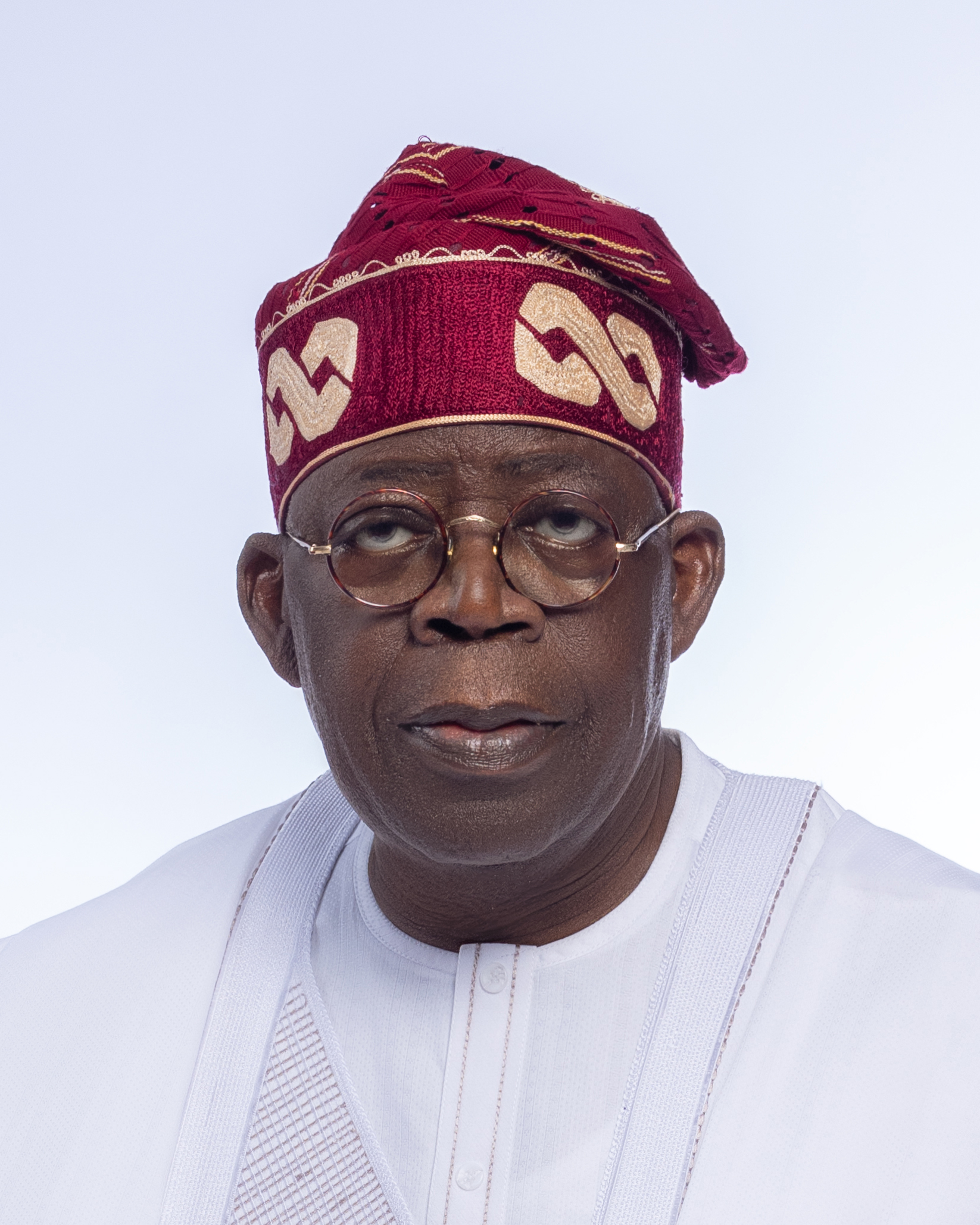
President Bola Ahmed Tinubu has departed Paris, France, for Nigeria, bringing to an end his extended working vacation in Europe, with his aircraft expected to arrive at the Murtala Muhammed International Airport, Lagos, later Tuesday.
The President left Abuja on August 30 for London to begin his working vacation and subsequently moved to Paris, where he held official engagements, including meetings with French President Emmanuel Macron and business leaders.
His stay, initially expected to last about three weeks, was extended by the Presidency, which announced on September 21 that Tinubu would return to Nigeria after a few additional days.
In a statement on Tuesday, Special Adviser to the President on Information and Strategy, Bayo Onanuga, confirmed that Tinubu had departed Paris for Nigeria.
Onanuga said the President’s aircraft was expected to touch down in Lagos later in the day.
According to the presidential spokesman, Tinubu chose to return through Lagos to honour the memory of the late Chief Moshood Kashimawo Olawale Abiola, widely associated with the struggle for the restoration of democratic rule in Nigeria.
The President is also expected to participate in activities surrounding Nigeria’s 66th Independence Anniversary on October 1 before returning to Abuja.
Tinubu’s prolonged absence from the country had generated public debate, particularly after he did not personally attend the 81st United Nations General Assembly in New York, where Vice President Kashim Shettima represented Nigeria.
The Presidency, however, maintained that Tinubu remained engaged with the affairs of government throughout his stay abroad. It said he continued to issue directives and conduct official business remotely while Vice President Shettima and other senior government officials represented him at various engagements.
During his stay in France, Tinubu also held talks with Vincent Bolloré of the Bolloré Group on expanded investments in Nigeria’s creative and digital economy. The State House said the discussions covered areas including film, entertainment, fibre-optic infrastructure and related sectors.
His return comes as the administration continues to focus on its economic reform programme, infrastructure development, energy transition and investment drive.
The President is expected to remain in Lagos for the Independence anniversary activities before returning to Abuja.
News
Agbede Mourns Baba Alado, Says Mushin Has Lost Pillar of Peace
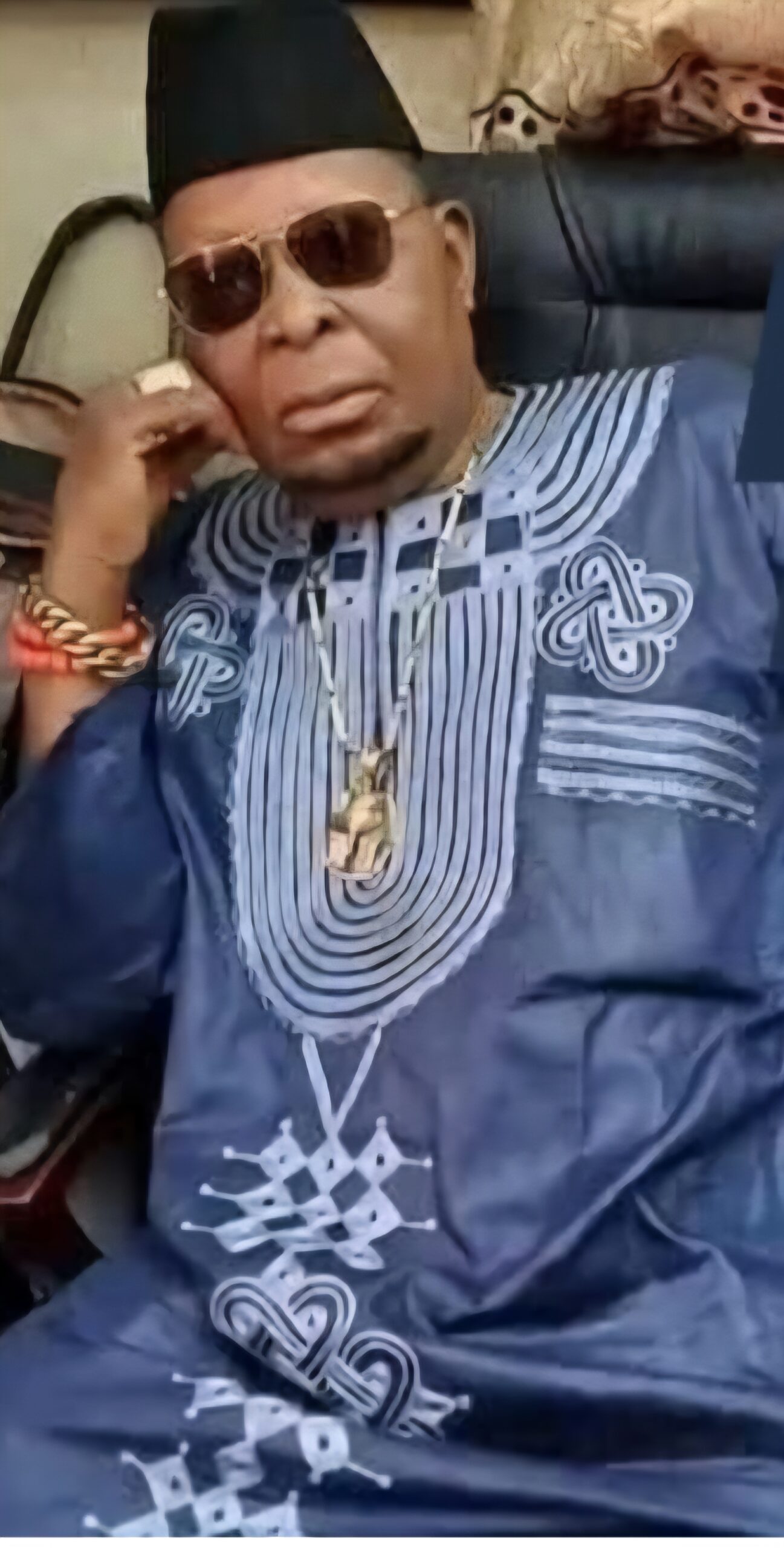
Agbede Mourns Baba Alado, Says Mushin Has Lost Pillar of Peace
Mushin community in Lagos has lost one of its foremost voices for peace, dialogue and stability with the death of a prominent community leader and grassroots mobiliser, Chief Alhaji Taoreed Faronbi, popularly known as Baba Alado.
Former Chairman of the National Union of Road Transport Workers, Lagos State Council, Alhaji (Chief) Tajudeen Agbede, who is also the Balogun of Agege, described the death of the 83-year-old community leader as a monumental loss to Mushin, Lagos State and the transport union family.
Baba Alado, the Olori Ebi of the Alagbeji Royal Family in Papa Ajao and Babaloja of Aswani International Market, died in the early hours of Saturday, September 26, 2026.
In a condolence message personally signed on Sunday in Lagos, Agbede said the late community leader played a crucial role in maintaining peace and stability in Mushin, particularly during his tenure as chairman of the Lagos State NURTW.
According to him, Baba Alado was more than a community leader, as he served as a trusted bridge-builder whose counsel often helped to prevent disagreements from escalating into crises.
“During my tenure as Lagos NURTW Chairman, Baba Alado was a formidable force for peace and stability, especially in the Mushin axis, which remains strategic to union activities.
“At moments when tension arose, Baba Alado’s timely intervention, fatherly counsel and authoritative voice helped us maintain peace and brotherhood among members. He was not a distant leader.
“He was a constant, regular and respected face at every major union activity and event organised under my chairmanship,” Agbede stated.
The former NURTW boss said Baba Alado’s influence extended beyond the transport sector, noting that he promoted dialogue and understanding among transport workers, market traders, youths and traditional leaders in Mushin.
Agbede described the deceased as a detribalised leader and devout Muslim who devoted his life to the progress of his community and the welfare of those around him.
“He was a good adviser, a detribalised leader and a devout Muslim who touched many lives. His wisdom, calm disposition and steadfast commitment to the progress of Mushin and Lagos State will be long remembered,” he added.
Agbede extended his condolences to the wives and children of the deceased, members of the Alagbeji Royal Family, the Chairman of Mushin Local Government, Hon. Tunbosun Haruna Aruwe, and the people of Mushin.
He also commiserated with the Lagos State Chairman of the NURTW, Alhaji Mustapha Adekunle, popularly known as Sego, as well as members of the transport union family.
Agbede prayed Almighty Allah to forgive Baba Alado’s shortcomings, accept his good deeds and grant him Aljannah Firdaus.
He also prayed for Allah’s comfort and fortitude for the deceased’s family and all those mourning his passage.
News
“What Is Tinubu Doing in Paris?” — Atiku’s Aide Challenges Presidency
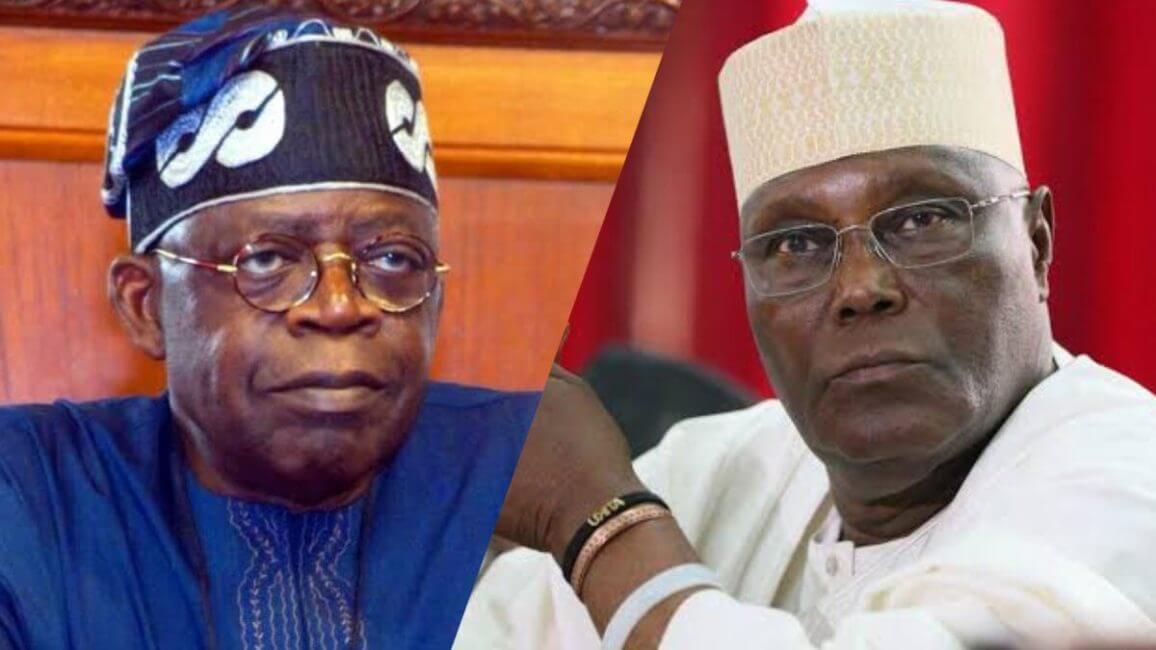
“What Is Tinubu Doing in Paris?” — Atiku’s Aide Challenges Presidency
By Our Correspondent
The media aide to former Vice President and African Democratic Congress (ADC) presidential candidate, Atiku Abubakar, Paul Ibe, has challenged the Presidency to publish details of President Bola Ahmed Tinubu’s substantive engagements in Paris and the outcomes of his activities during his prolonged stay in France.
Ibe made the demand on Monday, September 28, 2026, amid renewed questions over Tinubu’s continued absence from Nigeria after the period initially announced for his three-week working vacation.
Tinubu left Nigeria on August 30 for London to begin what the Presidency described as a three-week annual working vacation. He subsequently travelled to Paris, where he held meetings with French President Emmanuel Macron and French businessman Vincent Bolloré.
Ibe said Nigerians deserved sufficient information about the official engagements being undertaken by Tinubu in France, arguing that the Presidency should provide details that would enable the public to assess the purpose and outcome of the President’s extended stay abroad.
According to him, the issue was not whether the President was “hale and hearty”, but why his stay abroad had continued beyond the period initially announced by the Presidency.
“The Presidency should publish Tinubu’s substantive engagements and their outcomes. Nigerians can then judge whether this prolonged absence is justified,” Ibe said, according to a report published on Monday.
The Atiku aide also questioned the reference to the proposed $7 billion Ogun deep-seaport project as part of the explanation for Tinubu’s activities in France.
He noted that the agreement was between the Ogun State Government and DP World, with Tinubu witnessing the signing, and questioned its relevance to the justification for the President’s prolonged stay in France.
The Presidency, however, has maintained that Tinubu’s absence from Nigeria does not mean he has stopped performing his presidential duties.
In a September 21 statement, Special Adviser to the President on Information and Strategy, Bayo Onanuga, said Tinubu had extended his working vacation by a few days and would return to Nigeria at the weekend.
The Presidency said the President had remained in contact with officials at home and continued directing government affairs while abroad. It cited, among other activities, Tinubu’s decision to order an independent panel to investigate the deaths of 37 illegal miners in Minna.
The State House also confirmed that Tinubu met Bolloré in Paris on September 18 over plans to deepen investment in Nigeria’s creative and digital economy.
According to the Presidency, the discussions covered areas including film, entertainment and fibre-optic infrastructure, with the Bolloré Group indicating plans to deepen its operations and investments in Nigeria.
Ibe also questioned Tinubu’s decision to remain in France while the 81st United Nations General Assembly was taking place in New York.
Vice-President Kashim Shettima represented Nigeria at the UN General Assembly, while Tinubu remained in Europe. The Presidency explained that Shettima was representing the President and would deliver Nigeria’s national statement at the global gathering.
Ibe contrasted Tinubu’s continued stay in France with French President Emmanuel Macron’s movements, noting that Macron had hosted Tinubu in Paris before travelling to New York for the UN General Assembly.
“Meanwhile, Emmanuel Macron, who hosted Tinubu at the Élysée Palace, travelled to New York for UNGA and returned while Tinubu remained in France on housekeeping duties,” Ibe said.
Tinubu’s prolonged stay has continued to generate political debate, particularly following reports that his expected return to Nigeria had been postponed.
TheCable reported on September 27 that the President’s return plans had been changed at the last minute, with Tuesday being reported as the likely new return date. The reason for the change was not immediately disclosed.
The development has also triggered debate over Section 145 of the Nigerian Constitution, which deals with the President’s absence from office and the transmission of written declarations concerning vacation or inability to discharge presidential functions.
Atiku and his media aide have previously questioned whether the constitutional procedure was followed during Tinubu’s prolonged absence. The Presidency and other government officials have maintained that Tinubu remains in charge of the country’s affairs.
The latest exchange has therefore centred on two positions: the Presidency’s assertion that Tinubu has continued to conduct official business from abroad, and the opposition’s demand for greater disclosure about the President’s activities and the reasons for his extended stay in France.
“What Is Tinubu Doing in Paris?” — Atiku’s Aide Challenges Presidency
-
 metro3 days ago
$155m Left Behind, $750m Liabilities: Anambra Govt Opens Fresh Obi Files
-
 News2 days ago
Fake Agency Scandal: Gbajabiamila Says He Never Betrayed Tinubu’s Trust
-

 metro2 days ago
Woman Busted With Alleged Alcohol Hidden in Water Pack at Ogun Prison
-

 International2 days ago
Iran Claims Capture of Second US Underwater Drone in Strait of Hormuz
-
News2 days ago
Anambra Govt Demands Unreserved Apology From Peter Obi Over Debt Claims
-
 Politics2 days ago
2027: NDC State Chairmen Reject Obi-Kwankwaso Movement’s Parallel Structures
-
 Politics2 days ago
APC Sweeps Enugu LG Election, Wins All 17 Chairmanship, 260 Councillorship Seats
-
 Sports3 days ago
Man City Chairman Breaks Silence After Club Found Guilty Of 114 Charges